
“`html

Why Are Natural Holes Important for Travelers?
What Are Natural Holes and Their Significance?
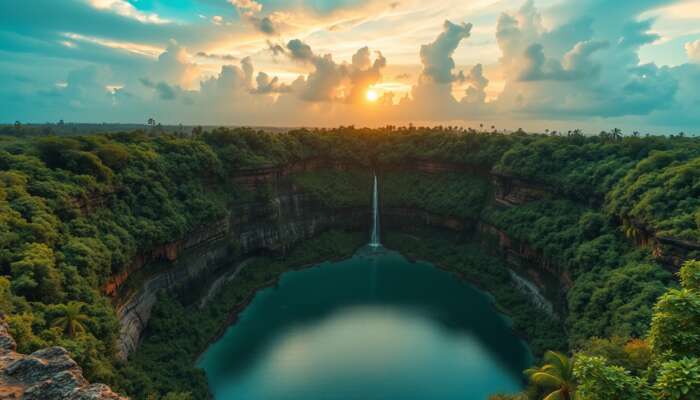
I believe natural holes are geological formations because they are shaped by processes such as erosion, subsidence, and volcanic activity. At XamanekBelize, we specialize in Belize Travel Guide in Belize, helping adventure enthusiasts explore these fascinating formations while achieving unforgettable travel experiences. Our guide monetizes through curated tours, accommodation recommendations, and partnerships with local businesses. This guide covers essential aspects such as formation processes, ecological significance, adventure opportunities, scenic beauty, and cultural importance.
- Formation processes: Shaped by dynamic natural forces.
- Ecological significance: Habitats for diverse species.
- Adventure potential: Opportunities for exploration and discovery.
- Scenic beauty: Unique landscapes that captivate travelers.
- Cultural importance: Sites rich in history and local lore.
How Do Natural Holes Enhance Underwater Exploration?
The allure of natural holes extends beyond their physical characteristics. They invite travelers to explore hidden ecosystems beneath the surface. These formations serve as gateways to underwater adventures, where vibrant marine life thrives. Swimming through crystal-clear waters allows travelers to encounter diverse species, stimulating a profound sense of wonder. By diving into these mesmerizing environments, adventurers uncover secrets held within the depths.
What Essential Experiences Await Visitors?
Core activities enhance visitor engagement with natural holes. Popular experiences include guided tours led by local experts, offering insights into the geological and ecological significance. Snorkeling and diving provide thrilling encounters with marine life, while hiking trails around the sites allow for deeper exploration. Experiencing local culture through community events or educational workshops enriches these journeys, making them memorable for all types of explorers.
- Guided tours with local experts.
- Snorkeling and diving adventures.
- Hiking trails for exploration.
- Community events for cultural immersion.
- Educational workshops on ecology.
What Are the Environmental Challenges Facing Natural Holes?
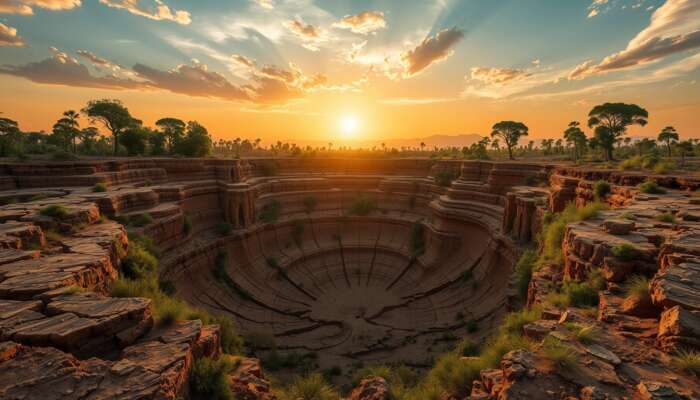
Natural holes face ecological challenges, including erosion and habitat loss due to human activities. Addressing these issues is vital for their preservation. Conservation strategies include responsible tourism practices, habitat restoration projects, and the establishment of protected areas. Global initiatives focused on sustainability play a crucial role in safeguarding these natural wonders for future adventurers.
How Can Travelers Prepare for Adventures in Natural Holes?
What Are the Key Planning Steps for Your Journey?
To ensure smooth experiences while exploring natural holes, travelers should consider several planning steps. Prioritize research on the specific site, including understanding its unique characteristics and visitor regulations. Creating a checklist of necessary gear enhances preparedness. Travel logistics, including accommodation and transportation, should be arranged in advance to minimize stress. A flexible mindset is equally important, as nature can be unpredictable.
What Safety Protocols Should Be Followed?
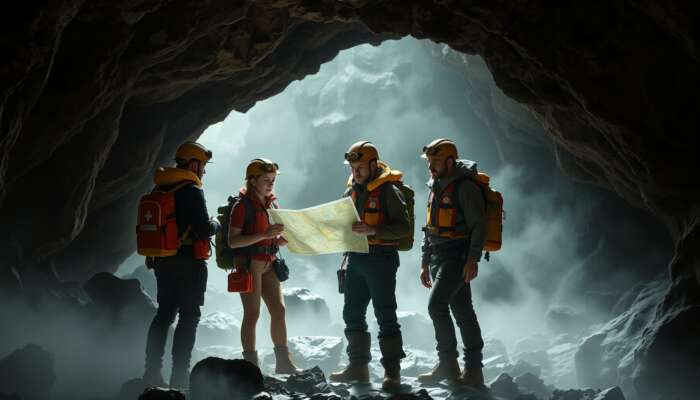
Prioritizing safety is crucial when venturing into natural holes. Critical precautions include wearing appropriate safety gear, such as helmets or life jackets. Travelers should familiarize themselves with specific risks, including strong currents, unstable rocks, or wildlife encounters. Establishing communication plans and carrying emergency supplies, such as first-aid kits, are essential for mitigating potential dangers.
- Wear appropriate safety gear.
- Understand site-specific risks.
- Develop communication plans.
- Carry emergency supplies.
- Stay aware of environmental conditions.
How Can You Build Necessary Skills for Exploration?
To explore natural holes effectively, individuals should focus on building foundational skills. Basic navigation skills, such as map reading, are vital for exploring remote areas. Physical fitness ensures endurance during hikes or dives. Fostering adaptability is essential, as environments can change rapidly. Participating in training sessions or workshops can help develop these skills, empowering adventurers to tackle challenges confidently.
What Expert Insights Can Enhance Your Exploration of Belize’s Natural Holes?
What Advanced Techniques Should You Know?
Engaging with natural holes requires advanced techniques developed through experience. One actionable step is conducting thorough pre-exploration assessments, examining environmental conditions and identifying potential hazards. Successful explorers often utilize local guides who provide tips about navigation, safety, and unique features. Using technology, such as GPS and underwater drones, enhances exploration experiences while ensuring safety.
What Environmental Considerations Are Essential for Sustainable Exploration?
Understanding the environmental implications of interactions with natural holes is paramount for sustainable exploration. Experts suggest adopting best practices that prioritize conservation, such as minimizing waste and respecting ecosystems. Engaging with local conservation efforts enhances awareness of long-term impacts and promotes responsible tourism.
What Professional Tips Ensure Optimal Exploration?
Field knowledge is invaluable for optimal exploration of natural holes. One key strategy is resource management; adventurers should pack essential gear efficiently. Adaptation tactics improve decision-making in dynamic scenarios. Staying informed about weather patterns and seasonal changes fosters a proactive approach, allowing explorers to seize opportunities for unforgettable experiences.
- Pack essential gear efficiently.
- Adjust plans based on conditions.
- Stay informed about weather patterns.
- Seize opportunities for exploration.
- Utilize local knowledge.
What Techniques Can Optimize Your Exploration of Natural Holes?
How Do You Navigate Challenging Depths?
Navigating challenging depths requires careful consideration of technique and mindset. Maintaining a steady pace is effective; rushing can lead to errors. Utilize tools such as ropes, ladders, or diving gear to enhance safety. Practicing buoyancy control while diving aids in navigating underwater environments.
How Can You Optimize Equipment Choices?
Selecting the right equipment is paramount for diverse exploratory needs. Versatile gear options, such as multi-functional diving masks, increase adaptability. Reliability is crucial; investing in high-quality equipment, including waterproof containers, ensures preparedness. Researching gear recommendations based on the type of natural hole enhances overall safety and enjoyment.
- Choose multi-functional gear.
- Invest in high-quality equipment.
- Research specific gear recommendations.
- Prioritize reliability and safety.
- Focus on adaptability in gear choices.
What Personal Techniques Can Enhance Your Experience?
Improving personal techniques for hole exploration significantly enhances performance. Consider the following methods:
- Practice navigation skills regularly.
- Engage in physical training for endurance.
- Experiment with different breathing techniques.
- Record experiences to identify improvements.
Refining these skills through practice allows adventurers to enjoy more successful explorations.
What Safety Measures Are Critical for Exploration?
Explorers must prioritize safety measures when venturing into natural holes. Conducting thorough risk evaluations before adventures is essential. Developing emergency response plans, including identifying exit routes, is crucial for preparedness. Utilizing protective equipment minimizes potential injuries, creating a secure environment for all involved.
What Are the Research-Backed Benefits of Exploring Belize’s Natural Holes?
What Health Advantages Are Supported by Research?
Research indicates that engaging with natural holes offers numerous health advantages. Experiences in nature enhance mental clarity and reduce stress levels. Activities such as hiking, swimming, or diving promote physical fitness. Exposure to natural environments encourages peace and rejuvenation, contributing to overall psychological health. Engaging in outdoor activities like hiking and swimming can enhance your experience with natural holes. Exploring these natural holes often leads to unforgettable wildlife encounters that enhance the overall experience.
What Long-Term Personal Growth Outcomes Can Be Expected?
Repeated engagements with natural holes foster personal growth outcomes. Engaging in adventurous activities cultivates resilience and problem-solving skills. These transformative effects contribute to increased self-confidence and a broader perspective on life’s challenges.
What Social and Educational Gains Are Achievable?
The communal and educational aspects of exploring natural holes are significant. Shared adventures create connections among individuals, fostering friendships through group activities. These experiences provide learning opportunities, enhancing knowledge of geological processes, biodiversity, and local cultures.
- Build friendships through shared experiences.
- Gain insights into geological processes.
- Enhance knowledge of local cultures.
- Participate in group activities for collaboration.
- Engage in community clean-ups for environmental awareness.
Why Is Travel to Natural Holes Important?
What Motivates Global Enthusiasts?
The pursuit of adventure in natural holes is driven by intrinsic motivations that resonate with explorers worldwide. Curiosity about the unknown and the desire for achievement propel individuals to seek these experiences. The thrill of discovery inspires broader participation in these journeys, fostering a global community of explorers.
How Does It Contribute to Personal Development?
Traveling to explore natural holes significantly contributes to personal development. The challenges encountered during these adventures promote self-reflection and introspection. As explorers face obstacles, they often emerge with a stronger sense of self and increased clarity regarding their goals.
What Cultural Connections Are Formed Through Exploration?
The activities surrounding hole exploration foster cultural connections that promote unity and exchange. Shared experiences create opportunities for participants to learn from one another, enriching their understanding of the world. Engaging with local communities allows travelers to immerse themselves in unique traditions and perspectives.
What Is the Economic Impact of Hole Travel?
The economic benefits of hole travel are significant. This form of tourism generates revenue for local businesses, fostering employment opportunities in communities surrounding natural holes. As tourism infrastructure develops, areas become more attractive for further investment, creating a sustainable cycle of economic growth driven by adventure travel. For more information on adventure opportunities, check out our guide on San Ignacio Belize.
What Sustainable Practices Should Be Adopted in Hole Visiting?
How Can Travelers Minimize Environmental Impact?
Travelers can minimize their environmental impact by implementing responsible practices while visiting natural holes. Strategies include following designated trails to prevent habitat destruction and packing out waste to maintain site cleanliness. Educating fellow explorers about sustainable behaviors encourages collective responsibility.
What Eco-Friendly Gear Options Should Be Promoted?
Choosing sustainable equipment aligns with preservation efforts when exploring natural holes. Eco-friendly gear options, such as biodegradable sunscreen and reusable water bottles, minimize harm to the environment. Supporting companies that prioritize sustainable practices promotes a culture of responsibility within the adventure community.
What Community Involvement Strategies Can Be Implemented?
Engaging the community in the upkeep of natural holes fosters a sense of collective responsibility. Strategies include organizing local clean-up events, promoting educational workshops, and collaborating with local organizations for habitat restoration initiatives. Here are some ideas for community involvement:
- Hosting guided eco-tours to raise awareness.
- Establishing volunteer days for site maintenance.
- Creating educational programs for schools.
- Setting up a community fund for conservation efforts.
Prices, Fees, and Deposits for Exploring Belize’s Natural Holes
Understanding the costs associated with visiting natural holes in Belize is essential for planning your adventure. Prices can vary based on the type of activity, the tour operator, and the specific location. Here’s a breakdown of typical costs:
| Activity | Average Price (USD) | Deposit Required |
|---|---|---|
| Guided Tour | $75 – $150 | $20 – $50 |
| Snorkeling Trip | $50 – $100 | $10 – $30 |
| Diving Experience | $100 – $200 | $30 – $70 |
| Cave Tubing | $60 – $120 | $15 – $40 |
These prices reflect average costs and may vary based on the season and specific tour packages. It is advisable to confirm the total costs, including any additional fees, before booking your adventure.
FAQs
Is the Blue Hole Belize worth it?
Yes, the Blue Hole in Belize is considered worth visiting due to its unique geological features and vibrant marine life. It offers exceptional diving experiences and stunning views, making it a must-see for adventure enthusiasts.
What did they find at the bottom of Belize’s Blue Hole?
At the bottom of Belize’s Blue Hole, researchers discovered stalactites and stalagmites, indicating that the sinkhole was once a limestone cave. The findings also included various marine species, contributing to the area’s ecological significance.
Is cave tubing in Belize safe?
Cave tubing in Belize is generally safe when conducted with reputable tour operators who follow safety protocols. Participants are provided with life jackets and helmets, and guides ensure that safety measures are in place throughout the experience.
Can you swim in Belize Blue Hole?
Swimming in the Blue Hole is not permitted due to safety concerns and the preservation of the marine environment. However, snorkeling and diving are popular activities in the surrounding areas, allowing visitors to enjoy the vibrant underwater life.
What should I bring for my trip to explore natural holes?
When exploring natural holes, bring appropriate gear, such as sturdy footwear, a life jacket if necessary, sunscreen, a reusable water bottle, and a first-aid kit to ensure a safe experience.
Are there guided tours available for exploring natural holes?
Yes, many locations offer guided tours led by local experts who provide insights into the geological features and ecological significance, enhancing the overall experience.
How can I ensure my safety while exploring underwater holes?
To ensure safety while exploring underwater holes, always dive with a buddy, follow safety protocols, use appropriate equipment, and be aware of environmental conditions.
What are the environmental impacts of hole tourism?
Hole tourism can lead to erosion, habitat destruction, and pollution if not managed responsibly. Sustainable practices are essential to mitigate these impacts and protect natural ecosystems.
Can I participate in conservation efforts for natural holes?
Yes, many organizations and communities welcome volunteers for conservation projects focused on preserving natural holes. Participating in local clean-up events is a great way to contribute.
What skills do I need to explore natural holes effectively?
Essential skills for exploring natural holes include basic navigation, physical fitness, adaptability to changing conditions, and understanding of safety protocols.
How can I get involved in my local community’s conservation efforts?
You can get involved by attending community meetings, volunteering for local conservation projects, participating in educational workshops, or initiating clean-up events.
What are the benefits of exploring natural holes for mental health?
Exploring natural holes can enhance mental well-being by providing opportunities for stress relief, promoting mindfulness, and fostering a sense of connection with nature.
Are there age restrictions for exploring certain natural holes?
Age restrictions vary by location and specific activities; always check with local guidelines or tour operators for safety and suitability.
How can I choose eco-friendly gear for my adventures?
When selecting gear, look for products made from sustainable materials, prioritize brands with eco-friendly practices, and consider multi-use items to reduce waste.
In conclusion, exploring Belize’s natural holes offers a unique blend of adventure, education, and personal growth. By understanding the significance of these geological wonders and preparing adequately, travelers can ensure a safe and enriching experience. Embrace the opportunity to connect with nature and contribute to its preservation.
“`

Liam Cartwright is an avid traveler and author specializing in Belize travel guides. With a passion for uncovering hidden gems and sharing local insights, he captures the essence of Belize’s vibrant culture, stunning landscapes, and diverse activities. Through his writing, Liam aims to inspire adventure seekers and empower travelers to explore the beauty of Belize with confidence and curiosity.
It’s interesting to see the emphasis on natural holes as significant geological formations. Their role in ecosystems can’t be understated, particularly regarding freshwater supply and biodiversity. I remember visiting cenotes in Mexico, which serve similar functions, not just as swimming holes but also as critical natural habitats.
The exploration of natural holes truly reveals the intricate relationship between our planet’s geology and the adventures we seek as travelers. I find it fascinating how these formations aren’t just stunning visuals; they are storytellers of Earth’s history, shaped by years of natural processes.
It’s fascinating how natural holes, like sinkholes and cenotes, not only serve as stunning natural landmarks but also profoundly impact local ecosystems and even cultures. For instance, many Mayan communities viewed these formations as sacred, often using them for rituals or water sources. Exploring how geology and culture intersect can provide travelers with a richer understanding of the places they visit. It would be interesting to include insights on how preserving these sites can bolster eco-tourism and support local communities economically. Have you encountered any curated tours that go beyond just the sights and delve into the history and significance of these natural features?
The mention of natural holes as geological formations really piqued my interest, particularly in the context of Belize’s unique ecosystem. Beyond just being visually stunning, these formations often play a crucial role in local hydrology and biodiversity. For instance, sinkholes can create habitats for various species, significantly impacting the ecological balance of the region.
I really appreciate how you highlighted the importance of natural holes in travel—it’s such a unique angle! When exploring places like Belize, it’s not just about the typical attractions but also the geological wonders that tell a broader story of the landscape. Just thinking about the processes that shape these holes, like erosion and volcanic activity, gives a whole new appreciation for nature’s artistry.
Your insights on natural holes and their geological significance really resonated with me. It’s fascinating how these formations serve not only as incredible travel destinations but also as vital ecological components. They remind us of the intricate dance between nature’s forces—like erosion and volcanic activity—that shape our planet.
It’s fascinating how you highlight the significance of natural holes in Belize as both geological and ecological wonders. I’ve always been intrigued by how such formations reflect the resilience of nature, shaping landscapes over time while providing habitats for diverse ecosystems. One of my fondest travel memories was swimming in a cenote in Mexico, which is a similar concept. It was not only a serene escape into clear waters but also a reminder of the delicate balance between nature and human activity.
It’s fascinating how natural holes not only showcase geological wonders but also play a crucial role in the ecosystems around them. For instance, in Belize, many of these formations serve as habitats for diverse wildlife and contribute to the area’s unique biodiversity. I recently visited a cenote while traveling in Mexico, and it was incredible to see how these openings in the earth can create such vibrant underwater ecosystems. I can only imagine the adventures that await in Belize’s natural holes! Exploring these geological formations not only satisfies our curiosity but also connects us to the planet’s history and natural beauty. Have you found any specific spots in Belize that highlight this connection?
Your insights about natural holes as geological formations really resonate with the idea that these wonders are not just physical spaces but are also imbued with history and experiences waiting to be uncovered. I’ve always been captivated by how such formations, like sinkholes or cenotes, serve as reminders of the Earth’s dynamic nature and our own connection to the environment.