

What is Atmospheric Pressure and Why is it Important?
What Defines Atmospheric Pressure?
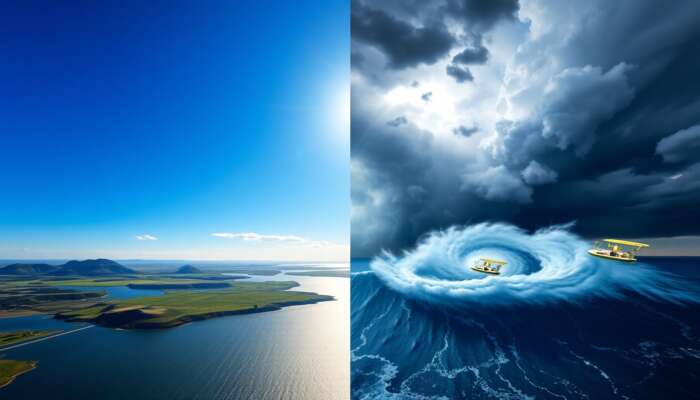
Atmospheric pressure is the weight of air above us, exerting pressure on the Earth’s surface. This pressure plays a crucial role in driving weather systems and influences wind patterns and storm formation. A decrease in atmospheric pressure often signifies an approaching storm, leading to varied weather conditions. For example, the rapid drop in pressure observed before hurricanes indicates their intensification, significantly impacting coastal regions.
Monitoring changes in atmospheric pressure aids in predicting severe weather and helps communities prepare for potential disasters. Understanding atmospheric pressure is essential for meteorologists, as it serves as a key indicator of weather patterns. High-pressure systems generally bring clear skies and stable weather, while low-pressure systems are associated with cloudiness and precipitation.
- High-pressure systems lead to clear skies.
- Low-pressure systems often result in precipitation.
- Tracking pressure variations is vital for accurate forecasts.
What Are the Key Elements of Weather Systems?
The building blocks of weather systems include air masses, fronts, humidity, and temperature. Air masses are large bodies of air with uniform temperature and moisture characteristics, originating from specific regions. These air masses interact, forming fronts that mark the boundary between different air masses. For instance, a cold front occurs when a colder air mass pushes into a warmer air mass, often resulting in thunderstorms and precipitation.
Understanding these elements is essential for predicting weather phenomena. Meteorologists analyze how different air masses collide to forecast severe weather events like tornadoes or hurricanes. By recognizing the signs of changing fronts, individuals can prepare for sudden weather shifts, leading to more informed decisions regarding travel or outdoor activities. For those looking to explore Belize in style, consider our Luxury Travel Packages that offer unique experiences. For more detailed insights on exploring the region, check out our Belize City Travel Guide. For more information on local attractions, check out our Complete Island Guide to San Pedro, Belize. For detailed insights, check out our guide on Belize Weather: A Month-by-Month Guide to Plan the Perfect Trip.
- Air masses originate from specific regions.
- Fronts mark the boundary between different air masses.
- Thunderstorms often result from cold fronts.
How Do Clouds Form?
Cloud formation is a fascinating meteorological process that plays a pivotal role in precipitation and weather changes. Clouds form when warm, moist air rises and cools, leading to condensation of water vapor into tiny droplets. This process is heavily influenced by temperature and humidity levels. For example, when warm air from the ocean rises and encounters cooler temperatures at higher altitudes, it condenses into clouds, potentially producing rain or snow depending on the temperature.
Studying cloud formation helps meteorologists predict weather patterns effectively. Certain cloud types, such as cumulonimbus clouds, indicate thunderstorms, while cirrus clouds often signal fair weather. Recognizing these patterns provides insights into impending weather shifts, assisting communities in preparing for changes, whether they involve heavy rain or clear skies.
- Warm, moist air rises to form clouds.
- Cumulonimbus clouds indicate thunderstorms.
- Cirrus clouds often signal fair weather.
How Does Climate Change Affect Weather?
What Are the Trends in Long-Term Patterns?
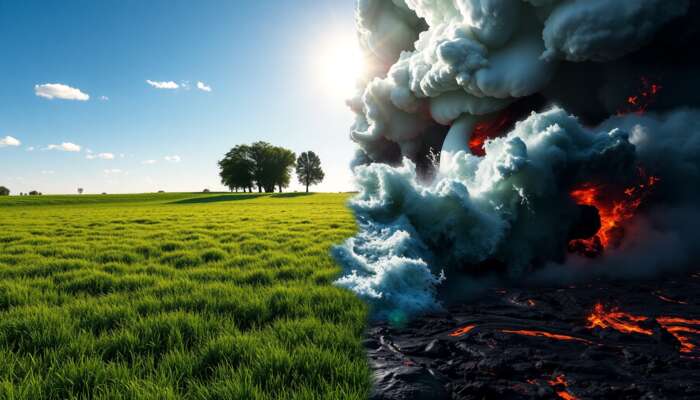
Climate change is reshaping long-term weather patterns globally, leading to more frequent and severe weather events. One significant trend is the increase in global temperatures, which drives changes in precipitation patterns and storm intensity. As temperatures rise, warmer air holds more moisture, resulting in heavier rainfall during storms. For instance, regions like the Midwest in the United States have experienced more intense rainfall events, leading to flooding and agricultural challenges.
Individuals and communities can implement several actionable steps to adapt to these evolving trends. Investing in infrastructure that can withstand extreme weather is essential, such as improved drainage systems to handle increased rainfall. Additionally, adopting sustainable agricultural practices can mitigate the impacts of changing weather conditions.
- Invest in infrastructure to withstand extreme weather.
- Adopt sustainable agricultural practices.
- Stay informed about climate patterns.
What Are the Indicators of Shifting Conditions?
Several clear indicators suggest that weather conditions are shifting due to climate change. One prominent sign is the increasing variability in temperature and precipitation levels across different regions. For example, areas that previously enjoyed consistent seasonal weather may now face irregular temperature spikes or unusually dry conditions, disrupting local ecosystems and economies.
Monitoring these indicators is crucial for adapting to a changing climate. Communities can utilize local climate data to develop contingency plans for agriculture, water management, and disaster preparedness. For instance, farmers can adjust planting schedules based on predicted rainfall patterns.
- Increasing variability in temperature levels.
- Unusually dry conditions disrupt local ecosystems.
- Farmers can adjust planting schedules based on rainfall patterns.
What Are the Effects on Extreme Events?

Climate change significantly influences the frequency and intensity of extreme weather events. Rising temperatures increase the likelihood of severe storms, hurricanes, and heatwaves, posing threats to human safety and infrastructure. For example, the Atlantic hurricane season has seen more Category 4 and 5 storms in recent years, attributed to warmer ocean temperatures that fuel these powerful systems.
Strategies for adaptation must focus on building resilience within communities. This includes increasing public awareness of potential hazards and investing in infrastructure improvements that enhance safety and readiness for extreme events. By proactively preparing for the impacts of climate change, individuals and communities can significantly reduce risks associated with severe weather.
- Establish community emergency response plans.
- Invest in infrastructure improvements.
- Create awareness programs on disaster preparedness.
How Are Wind Patterns and Jet Streams Changing?
Climate change is altering global wind patterns and the behavior of jet streams, leading to significant shifts in weather systems. As the planet warms, jet streams become more erratic, resulting in prolonged periods of extreme weather, such as heatwaves or cold snaps. For instance, regions that typically enjoy mild winters may experience uncharacteristically severe cold spells, disrupting daily life and agriculture.
Monitoring these changes is essential for adapting to shifting weather conditions. Communities can track jet stream patterns using advanced meteorological tools, providing insights into upcoming weather scenarios. Implementing adaptive infrastructure, such as flexible energy systems, can mitigate the impacts of altered wind patterns on daily life.
- Jet streams dictate weather patterns by moving air masses.
- Erratic jet streams lead to extreme weather.
- Advanced meteorological tools aid in tracking changes.
What Are the Impacts on Seasonal Weather Variability?
Climate change is profoundly affecting seasonal weather variability, resulting in earlier springs, longer summers, and delayed winters. These shifts disrupt ecosystems, agricultural practices, and human activities. For example, warmer temperatures lead to earlier blooming of plants, which can have cascading effects on local wildlife and food supply chains.
To adapt to these changes, farmers can alter planting schedules and diversify crop varieties to ensure resilience against unpredictable weather. Water management practices also require adjustments to address altered precipitation patterns, while energy systems must adapt to new seasonal demands.
- Adjust planting schedules to align with new growing seasons.
- Implement water conservation measures.
- Upgrade energy systems for new seasonal demands.
What Are the Key Factors Influencing Climate?
How Do Ocean Currents Affect Climate?
Ocean currents significantly influence climate dynamics and weather stability across the globe. These vast streams of water transport heat from the equator toward the poles, impacting regional climates and weather systems. For instance, the Gulf Stream warms the North Atlantic, contributing to milder winters in Europe compared to other regions at similar latitudes.
Understanding the role of ocean currents is essential for predicting climate patterns. Changes in these currents, often driven by climate change, can lead to dramatic shifts in weather stability, including altered precipitation patterns and increased frequency of extreme weather events.
- Ocean currents transport heat globally.
- Gulf Stream contributes to milder winters in Europe.
- Changes in currents can lead to extreme weather.
What Is the Impact of Solar Radiation?
Variations in solar radiation significantly shape seasonal changes and weather cycles. Solar energy drives the Earth’s climate system, influencing temperature patterns and weather conditions. These variations are influenced by factors such as the Earth’s tilt and orbit, leading to seasonal changes like winter and summer.
Understanding the mechanisms behind these changes is vital for comprehending long-term climate trends. For example, periods of lower solar radiation can lead to cooler climate phases, while increased solar activity results in warmer global temperatures.
- Solar energy drives the Earth’s climate system.
- Earth’s tilt and orbit influence solar radiation.
- Variations impact long-term climate trends.
How Do Terrain Features Influence Climate?
Terrain features, such as mountains, valleys, and plains, play a crucial role in shaping local climates and weather outcomes. These landforms affect air movement, temperature, and precipitation patterns. For instance, mountains can block moist air, resulting in rain shadows where one side receives abundant rainfall while the other remains dry.
The interaction between terrain and climate elements is essential for understanding diverse weather outcomes. Regions with varying topography often experience different microclimates, which can significantly impact local agriculture and ecosystems.
- Mountains can create rain shadows.
- Terrain affects air movement and precipitation.
- Microclimates impact local agriculture.
What Are the Best Ways to Prepare for Weather Events?
What Strategies Can Enhance Storm Readiness?
Preparing for intense weather events requires effective strategies that prioritize safety and resilience. Establishing a comprehensive emergency plan is critical. This plan should include communication protocols, resource management, and evacuation routes. Communities should conduct regular drills to ensure residents are familiar with these plans, enhancing overall preparedness.
Investing in infrastructure that can withstand severe storms is essential. This includes reinforcing buildings, improving drainage systems, and ensuring that critical facilities, like hospitals, can operate during and after extreme weather events.
- Establish a comprehensive emergency plan.
- Conduct regular preparedness drills.
- Invest in infrastructure improvements.
How Can Tools Improve Forecasting Accuracy?
Predictive models play a vital role in improving weather preparation efforts. Various tools, such as weather satellites, radar systems, and numerical weather prediction models, allow meteorologists to analyze atmospheric conditions and project future weather patterns with greater accuracy. Investing in advanced forecasting technology enhances community preparedness.
Localized weather apps can deliver real-time updates, enabling individuals to make informed decisions about travel or outdoor activities. By leveraging these predictive tools, societies can mitigate the impacts of unpredictable weather and enhance overall safety. For more tips on exploring Belize, check out our Travel & Adventure category.
- Weather satellites analyze atmospheric conditions.
- Localized apps provide real-time updates.
- Advanced technology enhances community preparedness.
What Resilience Practices Can Be Incorporated Daily?
Incorporating daily habits that enhance adaptability to weather fluctuations is crucial for building resilience. Individuals can start by developing a personal emergency plan, including essential supplies and communication strategies. Fostering a connection with local weather patterns empowers individuals to make informed decisions regarding daily activities.
- Maintain a well-stocked emergency kit.
- Stay informed about local weather forecasts.
- Establish communication plans with family.
What Are the Seasonal Variations in Weather?
What Patterns Emerge During Warm Periods?
Warm periods are characterized by specific weather behaviors driven by increased solar radiation and atmospheric conditions. During summer, regions typically experience higher temperatures, leading to increased evaporation and humidity in the atmosphere. This phenomenon often results in frequent thunderstorms, especially in tropical and subtropical climates.
Understanding these patterns is vital for predicting seasonal weather. For instance, the southeastern United States often encounters afternoon thunderstorms during summer months, affecting outdoor activities and agricultural schedules.
- Summer leads to increased evaporation and humidity.
- Thunderstorms are common in tropical climates.
- Understanding patterns aids in planning agricultural activities.
What Changes Occur in Cooler Seasons?
Cooler seasons bring distinct weather shifts influenced by declining solar radiation and changing atmospheric patterns. As temperatures drop, the likelihood of frost and snow increases, particularly in temperate climates. Recognizing the signs of changing cooler seasons can enhance preparedness.
Understanding when to expect the first frost helps farmers protect crops, while urban planners can prepare for snow removal. Staying attuned to these seasonal changes enhances adaptability and safety during colder months.
- Frost likelihood increases as temperatures drop.
- Farmers can protect crops from early frost.
- Urban planners can prepare for snow removal.
What Happens During the Transition Between Seasons?
The transition between seasons presents unique weather phenomena that play a crucial role in annual climate cycles. These transitional periods are marked by fluctuating temperatures, variable precipitation, and shifting wind patterns. For instance, spring often brings a mix of warm and cold fronts, resulting in unpredictable weather.
Understanding these transitional phenomena is essential for preparing for seasonal changes. By recognizing the signs of shifting weather, individuals can adjust their activities accordingly, ensuring safety and efficiency.
- Spring often brings unpredictable weather.
- Recognizing transitions aids in planning activities.
- Awareness ensures safety during seasonal changes.
Why Is Monitoring Weather Important?
What Are the Benefits of Daily Tracking?
Daily weather tracking provides significant benefits for understanding ongoing weather developments and making informed decisions. Regular observations allow individuals to anticipate changes, prepare for outdoor activities, and mitigate risks associated with severe weather. For instance, farmers can adjust planting schedules based on daily forecasts, optimizing crop yields.
Staying informed about weather patterns enhances community safety. Individuals who monitor local conditions can better prepare for potential hazards, such as storms or heatwaves. This proactive approach fosters resilience and improves overall quality of life.
- Regular tracking helps anticipate weather changes.
- Farmers optimize crop yields with daily forecasts.
- Proactive monitoring enhances community safety.
How Is Long-Term Data Analysis Valuable?
Analyzing long-term weather data is invaluable for predicting future trends and informing strategic planning. Historical records provide insights into climate patterns, helping meteorologists identify shifts in temperature and precipitation over time. This information is crucial for sectors such as agriculture, transportation, and disaster management.
- Utilize climate models for future projections.
- Monitor historical records for trends.
- Incorporate climate data into resource management.
What Are the Implications for Daily Life?
Staying informed about weather changes is crucial for daily life, impacting everything from transportation to outdoor activities. Understanding local weather patterns allows individuals to plan effectively, whether preparing for a sunny day or a snowstorm. Heightened awareness fosters a sense of responsibility towards community safety.
Being aware of weather trends enhances decision-making, such as scheduling outdoor events or planning travel. This knowledge empowers people to engage with their environments proactively, encouraging a more adaptable society.
- Weather awareness impacts transportation and activities.
- Planning outdoor events requires understanding weather trends.
- Proactive engagement fosters adaptability.

Vanessa Carter is a passionate travel writer and expert on Belize, dedicated to sharing the wonders of this beautiful Central American destination. With years of experience exploring Belize’s diverse landscapes, vibrant culture, and rich history, she provides readers with insightful tips and guides that inspire adventure. Through her engaging narratives, Vanessa aims to connect travelers with the heart of Belize, making it an accessible and exciting destination for all.