

What are the Fundamental Elements of Weather?
What forms the foundation of weather systems?

Weather systems are a dynamic interplay of atmospheric components because these elements include temperature, humidity, air pressure, wind patterns, and precipitation, which matters for understanding daily weather phenomena.
At XamanekBelize, we specialize in Belize Travel Guide in Belize, helping travelers explore the beauty of Belize while ensuring they are informed about local weather conditions. Our services provide essential insights for planning activities, ensuring visitors enjoy their trips to the fullest.
Our guide monetizes through partnerships with local businesses and tourism services, enhancing the travel experience while supporting the local economy. We aim to empower travelers with knowledge, making their journey through Belize seamless and enjoyable. Explore our other articles in the Travel & Adventure category for more insights on Belize.
- Key weather elements like temperature and humidity.
- Understanding atmospheric phenomena such as storms and cloud formations.
- Insights into the impact of geographical features on weather.
- Strategies for adapting to Belize’s unique climate.
- Tips for planning activities based on weather forecasts.
How Do Weather Elements Interact?
What are the key components of weather systems?
Temperature is a crucial factor that influences weather patterns significantly. It affects everything from humidity levels to local climates. Humidity measures the moisture content in the air, impacting cloud formation and precipitation. For those seeking unique experiences, consider our luxury travel packages that offer exclusive access to Belize's stunning landscapes. For more detailed insights, check out our guide on Belize Weather by Month: The Best Time to Go and What Each Season Really Feels Like. See also: February. For those interested in the culture, check out Living Like a Local in Belize for insights on expat life.
Air pressure creates wind, which is essential for redistributing heat and moisture across regions. Wind patterns result from these temperature gradients and play a vital role in weather changes. Precipitation encompasses all forms of moisture falling from the sky, including rain and snow, and it significantly impacts local climates.
- Temperature: Drives changes in weather patterns.
- Humidity: Essential for cloud and rain formation.
- Air Pressure: Influences wind and weather events.
- Wind Patterns: Help distribute atmospheric conditions.
- Precipitation: Affects daily activities and environmental conditions.
What are common atmospheric phenomena?
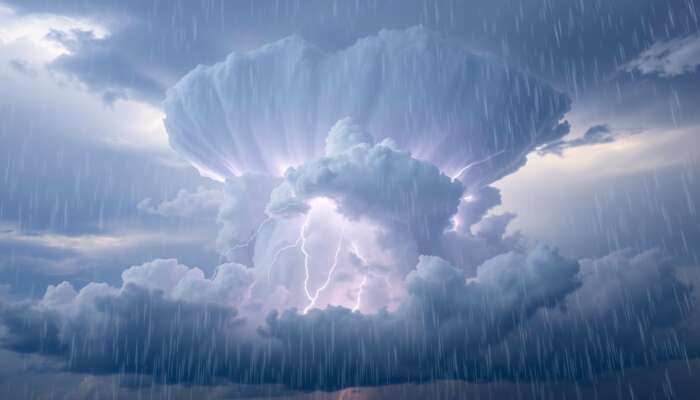
Atmospheric phenomena like cloud formation and storms are universally observed but vary in intensity and character across different regions. Understanding these phenomena is essential for anticipating daily weather variations.
For instance, cumulonimbus clouds often indicate impending thunderstorms. These clouds can exhibit various characteristics, such as anvil-shaped tops, signaling severe weather. Rainfall can range from light drizzles to heavy downpours, each affecting daily routines differently.
- Cumulonimbus Clouds: Indicate thunderstorms.
- Rainfall Variability: Affects daily activities.
- Weather Fronts: Mark boundaries between air masses.
- Temperature Changes: Impact local climates significantly.
- Humidity Levels: Influence weather predictions.
How Do Temperature Variations Affect Weather?
What are the influences on temperature variations?
Temperature variations significantly impact local and global weather patterns. Factors influencing these fluctuations include geographical location, time of year, and elevation.
For example, equatorial regions typically experience consistent high temperatures year-round, while polar areas can experience extreme cold. In temperate zones, seasonal temperature changes dictate agricultural practices, impacting crop growth and harvest times.
- Equatorial Regions: High temperatures year-round.
- Polar Areas: Experience extreme cold conditions.
- Temperate Zones: Seasonal changes influence agriculture.
- Elevation: Affects local temperature variations.
- Climate Adaptation: Involves adjusting to temperature changes.
How does humidity impact weather and comfort?

Humidity plays a vital role in weather dynamics. High humidity levels often lead to cloud formation and precipitation, while low humidity can result in dry conditions.
In tropical regions, high humidity can create discomfort, while arid areas may face health risks like dehydration. Understanding humidity’s role can enhance daily decision-making, such as when to engage in outdoor activities.
- High Humidity: Leads to cloud formation.
- Low Humidity: Results in clearer skies.
- Tropical Regions: Experience discomfort due to humidity.
- Arid Regions: Risk of dehydration increases.
- Monitoring Tools: Hygrometers help track humidity levels.
What is the significance of atmospheric pressure?
Atmospheric pressure is crucial in driving weather changes. Variations determine air mass movements and influence weather patterns globally.
Low-pressure systems often correlate with stormy weather, while high-pressure systems typically bring calm conditions. Understanding these pressure dynamics is essential for predicting weather changes.
- Low-Pressure Systems: Associated with stormy weather.
- High-Pressure Systems: Bring clear skies and stability.
- Wind Creation: Results from pressure differences.
- Weather Forecasting: Relies on monitoring pressure changes.
- Barometers: Useful for tracking atmospheric pressure.
How Does Weather Evolve Over Time?
What triggers shifts in weather conditions?
Shifts in weather conditions are primarily driven by changes in atmospheric pressure, temperature, and humidity. These factors interact dynamically, influencing local and global weather patterns.
Pressure differences between air masses lead to the formation of wind. For example, warm air rising creates low-pressure areas that can draw in cooler air, often resulting in storms. Seasonal changes also play a crucial role in weather evolution.
- Atmospheric Pressure: Drives wind and weather changes.
- Temperature Variations: Influence weather patterns.
- Humidity Changes: Impact local climates.
- Seasonal Shifts: Affect agricultural and tourism activities.
- Storm Development: Linked to temperature and pressure interactions.
How do seasonal transitions affect daily life?
Tracking seasonal transitions is essential for understanding the cyclical nature of weather. Each season brings characteristic weather patterns affecting lifestyles and the environment.
Spring often features warming temperatures and increased precipitation, promoting plant growth. Summer may introduce heatwaves, while fall prepares for winter with dropping temperatures.
- Spring: Marks warming temperatures and growth.
- Summer: Can bring heatwaves and energy demands.
- Fall: Transition to cooler temperatures.
- Winter: Preparation for cold weather.
- Seasonal Planning: Important for vacations and activities.
What methods do experts use to predict future weather trends?
Experts predict future weather trends by analyzing historical data and current atmospheric conditions. Meteorologists utilize advanced models that incorporate past weather patterns to forecast future conditions accurately.
Methods like satellite imagery and radar systems track cloud movements and precipitation patterns. Recognizing the signs of approaching fronts helps inform whether to expect rain or clear skies.
- Data Analysis: Crucial for accurate forecasting.
- Satellite Imagery: Tracks cloud movements.
- Radar Systems: Monitor precipitation patterns.
- Historical Patterns: Guide predictions of future weather.
- Local Meteorological Services: Provide forecasts and warnings.
What Influences Daily Weather Variations?
Why do weather conditions fluctuate daily?
Daily weather fluctuations are primarily influenced by changes in pressure systems, air masses, and temperature variations throughout the day. These dynamic interactions create a constantly evolving atmosphere.
During the day, the sun heats the Earth’s surface, causing temperature rises that can lead to localized weather systems. Conversely, at night, cooling temperatures may result in stable air and clearer skies.
- Daily Heating: Influences local weather systems.
- Night Cooling: Leads to stable conditions.
- Morning Fog: Common due to temperature changes.
- Afternoon Thunderstorms: Result from daytime heating.
- Daily Weather Monitoring: Enhances personal planning.
What factors affect precipitation levels?
Precipitation levels are influenced by factors such as temperature, humidity, and air pressure dynamics. These elements determine whether a region experiences rain, snow, or dry conditions.
Warm, moist air rising and cooling can condense into clouds, leading to precipitation. Conversely, high-pressure systems in arid regions often inhibit cloud formation.
- Temperature and Humidity: Key in precipitation formation.
- High-Pressure Systems: Limit moisture availability.
- Monitoring Tools: Rain gauges measure actual rainfall.
- Forecast Awareness: Informs agricultural practices.
- Water Management: Strategies depend on precipitation levels.
Research-Backed Strategies for Weather in Belize: Complete Climate Guide
How can one prepare for weather extremes?
Preparing for weather extremes involves adopting research-backed strategies that enhance safety and resilience in severe conditions. Effective preparation begins with understanding the specific risks associated with extreme weather, such as hurricanes, heatwaves, or heavy rainfall, particularly in regions like Belize.
Utilizing reliable weather forecasts and monitoring local conditions can empower individuals to make informed decisions. Additionally, having emergency plans in place is essential for ensuring safety during extreme weather events.
- Understand Risks: Know the weather extremes in your area.
- Monitor Local Forecasts: Stay updated on conditions.
- Emergency Plans: Prepare for severe weather events.
- Weather Awareness: Enhance personal safety.
- Community Engagement: Share information and resources.

Benjamin Turner is a passionate travel writer specializing in exploring the beauty and diversity of Belize. With a keen eye for detail and a knack for storytelling, he provides readers with insightful guides that encompass everything from the country’s stunning landscapes to its rich cultural heritage. Drawing on his extensive travels throughout Belize, Benjamin aims to inspire fellow adventurers and facilitate immersive experiences for all who seek to discover this tropical paradise.