Belize’s distinct mix of English‑Caribbean identity, living Maya and Garifuna cultures, and exceptionally conserved ecosystems (barrier reef to rainforest) is the short answer to what makes it unique.
- Language & identity: English as the official language sits alongside Belizean Kriol, Spanish, Garifuna and Maya tongues — useful for culture-focused travelers.
- History & society: A British colonial past and peaceful 1981 independence shaped modern multicultural politics and festivals.
- Nature & adventure: The Belize Barrier Reef and vast rainforests make it a top destination for snorkelers, birders and conservation-minded visitors.
How Language Shapes The Visitor Experience
English is Belize’s official language, a practical legacy of British colonial history that simplifies interactions for many international visitors. But what you notice on the ground is a layered linguistic landscape: Belizean Kriol (an English‑based Creole) is the informal lingua franca, Spanish is widespread near borders and in urban neighborhoods, Garifuna survives as a living Afro‑indigenous language on the southern coast, and several Maya languages remain in rural communities.
Traveler Takeaway
Language here isn’t only practical — it signals cultural experiences. Seek a Garifuna drumming night in Hopkins to hear language and music fused, or visit San Ignacio to hear Maya heritage preserved in community markets.
History And Identity: From British Honduras To Modern Multiculturalism
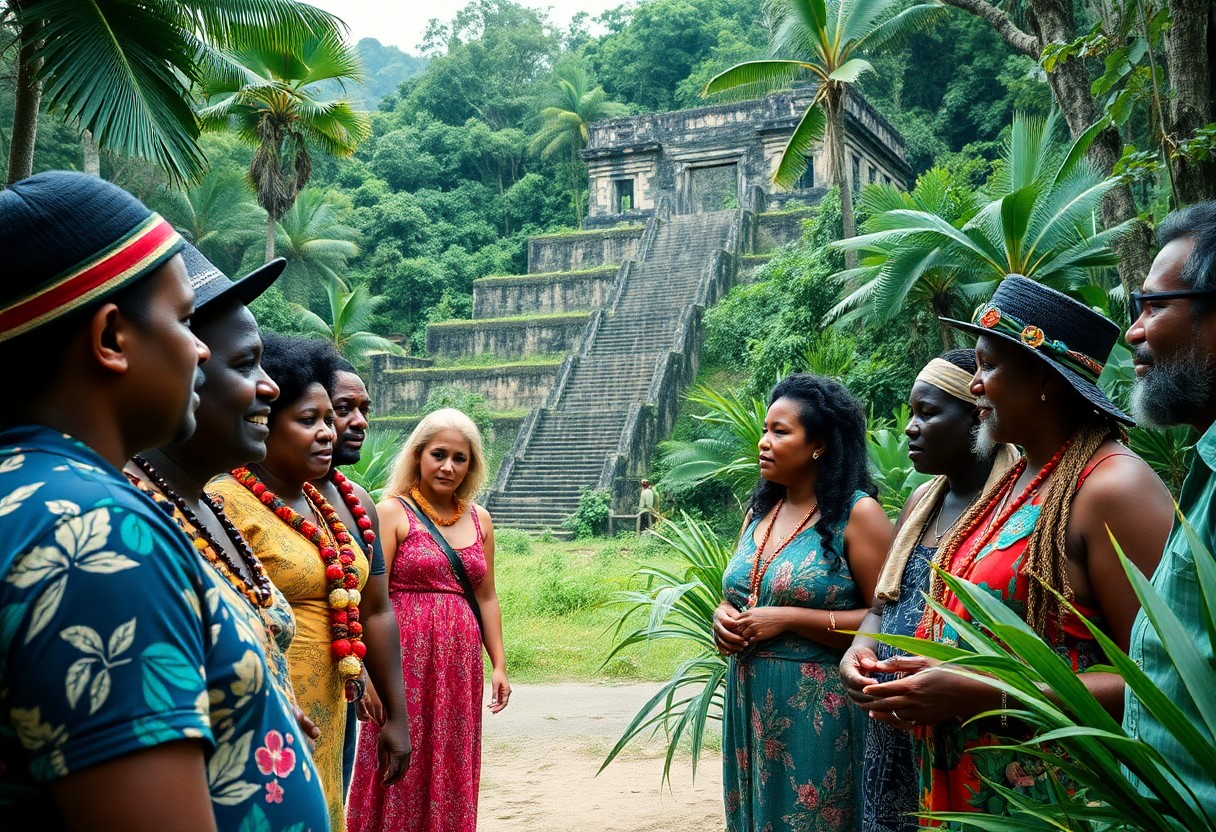
Belize’s political history explains much of its identity. It was the only British colony on the Central American isthmus (British Honduras) and achieved peaceful independence on September 21, 1981. That history left English-language institutions and legal structures, but the population is ethnically and culturally mixed: Creole, Garifuna, Mestizo, Maya and Euro‑descended communities coexist and celebrate distinct traditions.
Why It Matters For Visitors
Understanding this background clarifies why festivals, legal language, and some customs feel Caribbean rather than purely Central American. For context on modern border and diplomatic issues tied to this history, see our deeper look at the Guatemala border dispute: Belize–Guatemala history and conflict.
Biodiversity And Where To Experience It
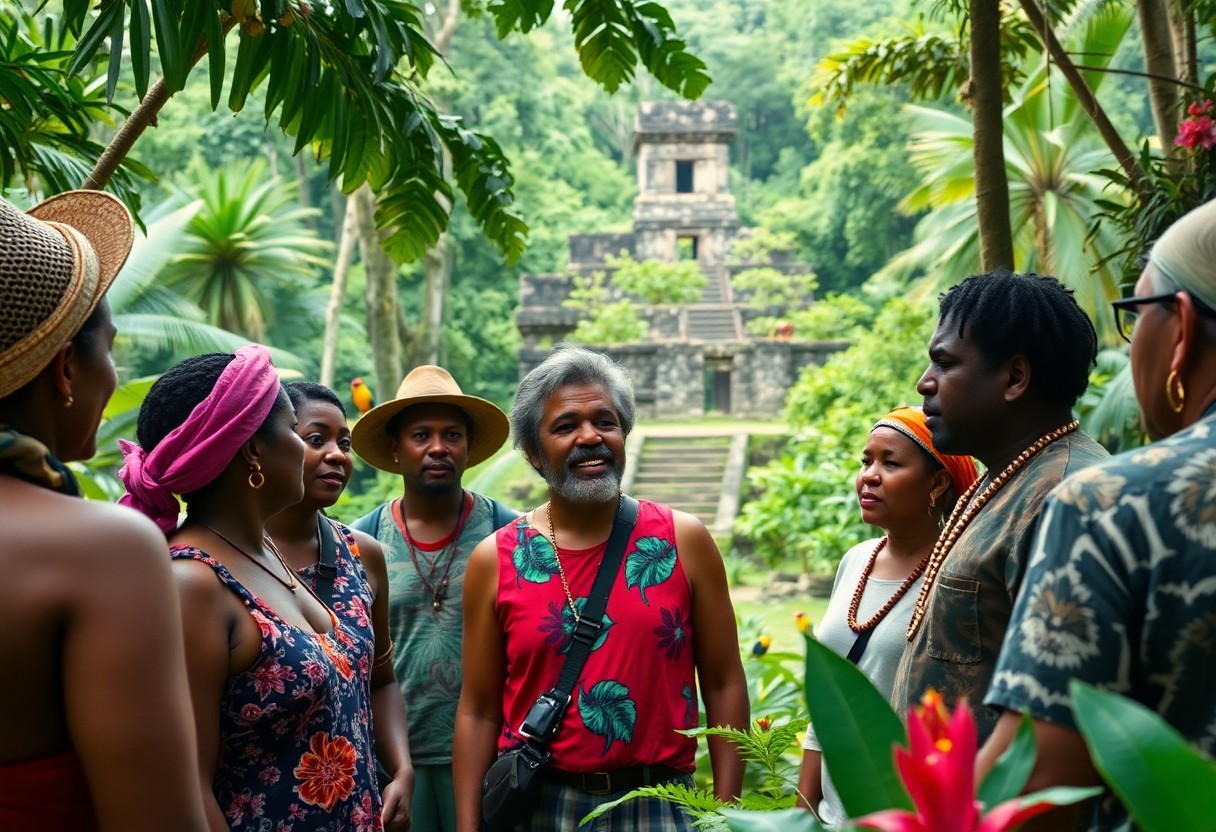
Belize punches well above its weight ecologically. Two anchors define most visits: the Belize Barrier Reef (the world’s second‑largest barrier reef) and extensive inland rainforests that still hold intact wildlife corridors and protected reserves.
Top Nature Highlights
- Marine life and coral gardens — excellent snorkeling and diving along the barrier reef and at the Blue Hole.
- Rainforest wildlife — jaguar corridors, howler monkeys, toucans and rich birding in reserves like Cockscomb Basin.
- Karst cave systems and river adventures — site‑specific exploration that pairs culture with geology.
Quick activity links: plan reef snorkeling with our reef resources (barrier reef snorkeling guide), or schedule a guided night visit at the Belize Zoo (Belize Zoo night tour).
A Compact Decision Table For Travelers
| Pillar | What to prioritize | Where to go (action) |
|---|---|---|
| Language & culture | Attend local music and food events; learn a few Kriol or Garifuna phrases. | Hopkins — Garifuna culture |
| History & sites | Combine Maya sites with local museums and district tours. | District & landmarks guide |
| Wildlife & adventure | Book reef snorkels, cave tubing and a reserve visit; choose guided night walks for wildlife. | Cave tubing guide — and reef snorkeling |
Quick Planning Checklist
- Book reef excursions and popular cave tours in high season (Nov–Apr).
- Pack lightweight field clothing and reef-friendly sunscreen; bring a basic first‑aid kit for remote hikes.
- Prioritize guided experiences for wildlife viewing and for respectful cultural exchanges in indigenous communities.
Where To Read More And Next Steps
For district-specific logistics and the most actionable route planning, use the landmarks and districts guide which pairs places to see with accommodations and transport options: Belize’s iconic landmarks & districts. If you’re drafting an active itinerary, pair that page with our cave tubing and zoo night tour guides (links earlier on this page) to balance culture with adventure.
Start with our district guide to match the aspects of Belize you most want to see — culture, history or biodiversity — to towns and lodges that make those experiences easy to book.
Frequently Asked Questions
Is Belize Safe To Visit?
Belize is a popular tourist destination; like any country, risks vary by location and time of day. Use common-sense precautions in urban areas, avoid poorly lit or unfamiliar neighborhoods at night, and follow local guidance for remote excursions. For practical safety tips and up‑to‑date advisories, see our safety guide: Is Belize safe to visit (2025)?
Which Is Nicer, Costa Rica Or Belize?
Both are excellent for nature travel, but they serve slightly different trip styles: Costa Rica has wider infrastructure for large‑scale eco‑tourism and rainforests, while Belize pairs Caribbean marine ecosystems and a smaller‑scale, culturally mixed experience — ideal if reef snorkeling and close cultural encounters are priorities. See our side‑by‑side comparison: Belize vs Costa Rica.
Does A Celebrity Own An Island In Belize?
Yes — Leonardo DiCaprio is publicly associated with Blackadore Caye, an island off the coast of Belize, tied to private conservation and redevelopment plans reported in the press. Celebrity ownership is rare and typically not open to public visits.
See also: Local Cultural Experiences for festival calendars, markets and community visits.

Liam Cartwright is an avid traveler and author specializing in Belize travel guides. With a passion for uncovering hidden gems and sharing local insights, he captures the essence of Belize’s vibrant culture, stunning landscapes, and diverse activities. Through his writing, Liam aims to inspire adventure seekers and empower travelers to explore the beauty of Belize with confidence and curiosity.
Your exploration of Belize’s cultural and natural wonders is both enlightening and thought-provoking, particularly the emphasis on linguistic diversity. As someone who has always been intrigued by how language shapes identity and community, I find Belize’s multilingual landscape particularly compelling. The coexistence of English, Creole, Spanish, and various Mayan languages not only reveals the complex history of the nation but also highlights how language can serve as a bridge—or, at times, a barrier—among its diverse populations.
It’s interesting to think about how language and identity intertwine in places like Belize. The coexistence of English, Creole, Spanish, and various Mayan languages indeed reflects a rich tapestry of history and culture. I’ve often wondered how multilingualism influences daily life—especially in social settings. It seems like it can both foster connection and create misunderstandings, depending on the context.
Your insights into Belize’s cultural and natural wonders really resonate with me, especially the emphasis on its linguistic diversity. It’s intriguing to think about how language reflects the history and identity of a place. In Belize, the coexistence of English alongside Creole, Spanish, and various Mayan languages creates a unique multi-layered society that is both inclusive and expressive.
You’ve captured a really important aspect of Belize’s identity. The linguistic diversity indeed reflects its rich history and complex societal tapestry. Growing up, I was always fascinated by how language shapes our perspective and connections with each other. In Belize, you can see that reflected in everyday interactions – how someone might switch between English and Creole or seamlessly incorporate a Mayan word or phrase into their speech.
I completely share your appreciation for Belize’s linguistic diversity. It’s fascinating how language serves as a living record of a place’s history and the interplay between cultures. In Belize, the way people move fluidly between English, Creole, Spanish, and the Mayan languages really illustrates the country’s complex heritage.
Your exploration of Belize’s cultural and linguistic diversity truly resonates. The coexistence of English, Creole, Spanish, and various Mayan languages offers a unique lens through which to understand the country’s identity. It reminds me of how language can serve as a bridge between communities, enhancing social cohesion and cultural exchange.
It’s great to hear your thoughts on the linguistic landscape of Belize. Language isn’t just a means of communication; it’s an important part of how people connect with one another and shape their identities. In Belize, the blend of languages—English, Creole, Spanish, and the Mayan languages—does more than reflect historical influences; it embodies the stories and traditions of various communities.
I appreciate your thoughts on Belize’s cultural and linguistic landscape. It’s fascinating how this interplay of languages reflects not just communication, but also the complex history and relationships among the various groups that call Belize home. Each language tells a story, encapsulating values, traditions, and memories that have shaped the identity of the people.
I love how you highlighted Belize’s linguistic diversity! It’s fascinating to think about how language can shape cultural identity and community. During my travels to Belize, I was struck by how easily I could engage in conversations with locals, regardless of the language they preferred.
Your description of Belize paints such a vivid picture of a country where cultures and languages intertwine beautifully. As someone who has always been fascinated by diverse cultures, I find it inspiring how Belize serves as a living testament to this rich tapestry of history and community. The blend of English, Creole, Spanish, and various Mayan languages really reflects a unique convergence of influences that not only enriches the cultural landscape but also fosters a sense of identity and belonging among its people.
It’s fascinating how languages can really weave together the histories and identities of a place, isn’t it? Belize stands out for that very reason, and it reflects a broader theme we see in many cultures around the world. The way people communicate, using a mix of languages, often speaks to their daily lives and shared experiences.
I really appreciate how you’ve highlighted the complexity and richness of Belize’s cultural and linguistic diversity. It’s not every day you find a destination where English serves as the official language, yet there’s such a vibrant mix of Creole, Spanish, and various Mayan languages. This linguistic mosaic certainly illustrates how the country has absorbed influences over centuries and continues to thrive.
I really appreciate your exploration of Belize and its rich cultural landscape! It’s so intriguing how the country manages to maintain its linguistic diversity while having English as the official language. I remember my trip there a few years ago—just walking through the streets of Belize City, I could hear a beautiful blend of accents and languages: Creole, Spanish, and even some Maya phrases. It was like a living tapestry of stories and histories coming together.
Your exploration of Belize’s cultural and linguistic diversity is truly captivating. As someone who has traveled through various regions celebrating their unique identities, I find it fascinating how language serves as a living testament to a country’s history and its people. The coexistence of English, Creole, Spanish, and Mayan languages not only enriches Belize’s cultural fabric but also promotes a sense of community and understanding among its inhabitants.
What captures my attention most about Belize is indeed its linguistic diversity, which serves as a microcosm of the nation’s cultural richness. The coexistence of English, Creole, Spanish, and various Mayan languages reflects not just a historical narrative but also a current social fabric that embraces multiculturalism. This is especially significant in today’s globalized world, where linguistic identity can foster deeper connections and understanding among diverse communities.
I must say, your depiction of Belize has me reminiscing about my last adventure down there, which was at least half a mashup of “Indiana Jones” and “Eat Pray Love.” What struck me the most was that linguistic tapestry you mentioned—it’s like being thrown into the middle of a cultural quilt where every patch tells a story, and the stitches are made from the mingling of languages! I’ll never forget trying to communicate with a local shopkeeper in my rusty Spanish while they effortlessly switched to Creole, and then, just to keep things spicy, tossed in a sprinkle of Mayan words for good measure. At one point, I felt like I was in a linguistic relay race. I think I even managed to confuse a few items on my shopping list, but who knew that asking for “pan” could mean bread in Spanish and a nod of understanding in Creole?
Your experience really captures the essence of Belize, doesn’t it? I love how you liken it to a linguistic relay race—it’s such a vivid way to describe that whirlwind of communication. It’s fascinating how language functions as both a bridge and a barrier, especially in a place like Belize where so many cultures converge. I remember my own trip there, getting caught in those same moments of trying to piece together conversations while juggling differing languages.
Your exploration of Belize’s unique cultural and natural tapestry resonates with many travelers looking to immerse themselves in a destination that is both rich in history and vibrantly alive with diversity. The interplay of languages, especially how Creole, Spanish, and Mayan languages coexist alongside English, is a reflection of how dynamic Belizean society is.