Hopkins Village is the best place in Belize to turn Garifuna music, food and craft into a short, practical itinerary—whether you stay overnight or join a day immersion. Read on for a quick decision aid, where to eat and sleep, the can’t-miss experiences and simple booking windows.
- Stay In Hopkins — for evening drumming, cooking classes and a relaxed beach vibe (best for immersive travelers).
- Day Trip To Hopkins — combine with snorkeling or a Cockscomb/Bocawina visit if base is Placencia or the Cayo region.
What Hopkins Gives You In One Line
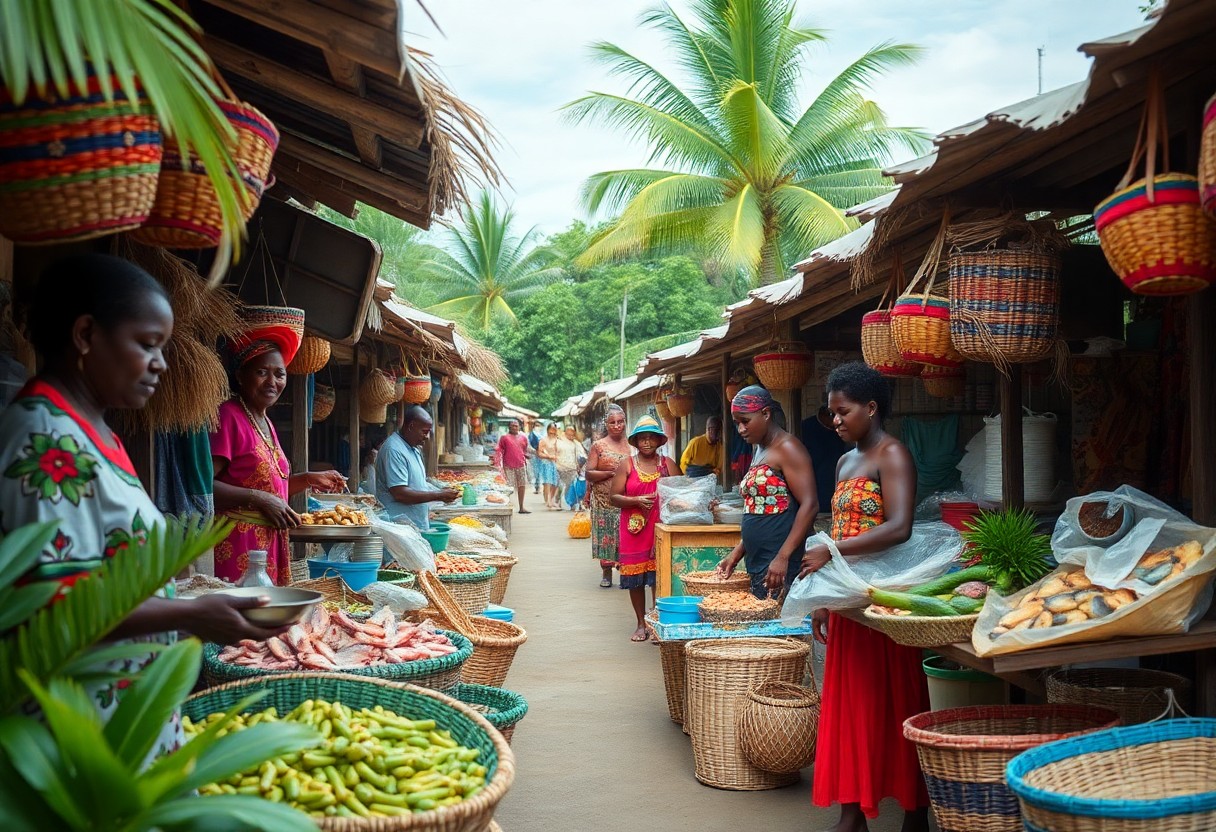
Hopkins condenses Garifuna life into accessible experiences: nightly drumming, home-style cooking (hudut, darasa), local crafts, and seasonal festivals—packable into a single overnight or a full day if you’re short on time.
Top Experiences At A Glance (Time & Typical Cost)
For deeper background on Garifuna history and language—short summary below, with the site’s full Garifuna pillar if you want the full cultural primer: Garifuna culture in Belize: heritage, food & where to experience it.
Short Cultural Primer (Keep Reading The Pillar For More)
The Garifuna are a distinct Afro-indigenous people whose language and traditions are UNESCO-recognized. Hopkins is one of Belize’s best-preserved Garifuna communities: music, drumming and recipes like hudut and darasa are active cultural practices, not museum pieces. If you want the long-form history, language notes and national context, use the link above to the site’s Garifuna pillar.
Where To Stay: Three Practical Choices
- Budget — Guesthouses And Backpacker Cabanas basic beachfront or village rooms, ideal for short stays and meeting local hosts.
- Mid-Range — Beachfront Cabanas & Family-Run Inns quiet, convenient for evening performances and beach access; often include breakfast and local guidance.
- Higher-End / Eco-Lodges more privacy and guided packages (good if you want organized day trips or birding); see our broader hotel guide for booking tips: Belize hotels: your ultimate guide.
Top 6 Hopkins Experiences — More Detail
Below are the experiences that make Hopkins distinctive and practical notes on how to plan each.
1. Evening Drumming And Music
Most evenings you can hear or join drumming circles and informal performances near the village center or beachfront. Drumming can be offered as free community events or ticketed shows—ask your host or local guide for timing and suggested donation.
2. Darasa And Hudut Cooking (Hands-On)
Cooking classes are common and usually include market visits, preparation and a shared meal. For a focused deep-dive into this staple, see the site’s Darasa feature: Darasa — Garifuna culture and flavors.
3. Full-Day Cultural Immersion
Home visits, craft demonstrations, and a combined food + music program form a half- or full-day package. These are the best option to meet multiple households and learn crafts and oral histories in a respectful way.
4. Snorkel Or Reef Trips
Hopkins is a practical base for launching reef trips—combine a cultural morning with an afternoon snorkel if your schedule is tight.
5. Mangrove Paddles And Birding
Short ecology tours highlight the coastal environment that shapes Garifuna fishing and food traditions; these are easy half-day activities with guides from the village.
6. Craft Stalls And Contemporary Artistry
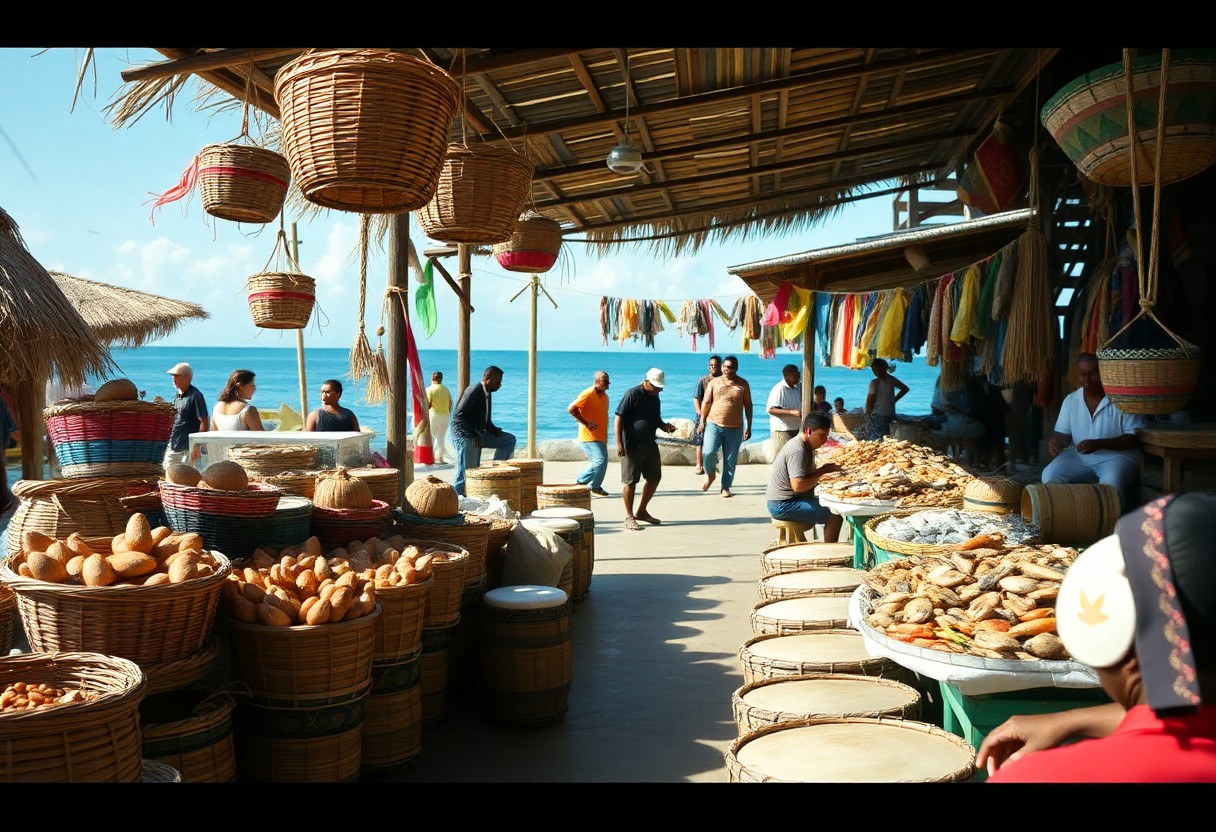
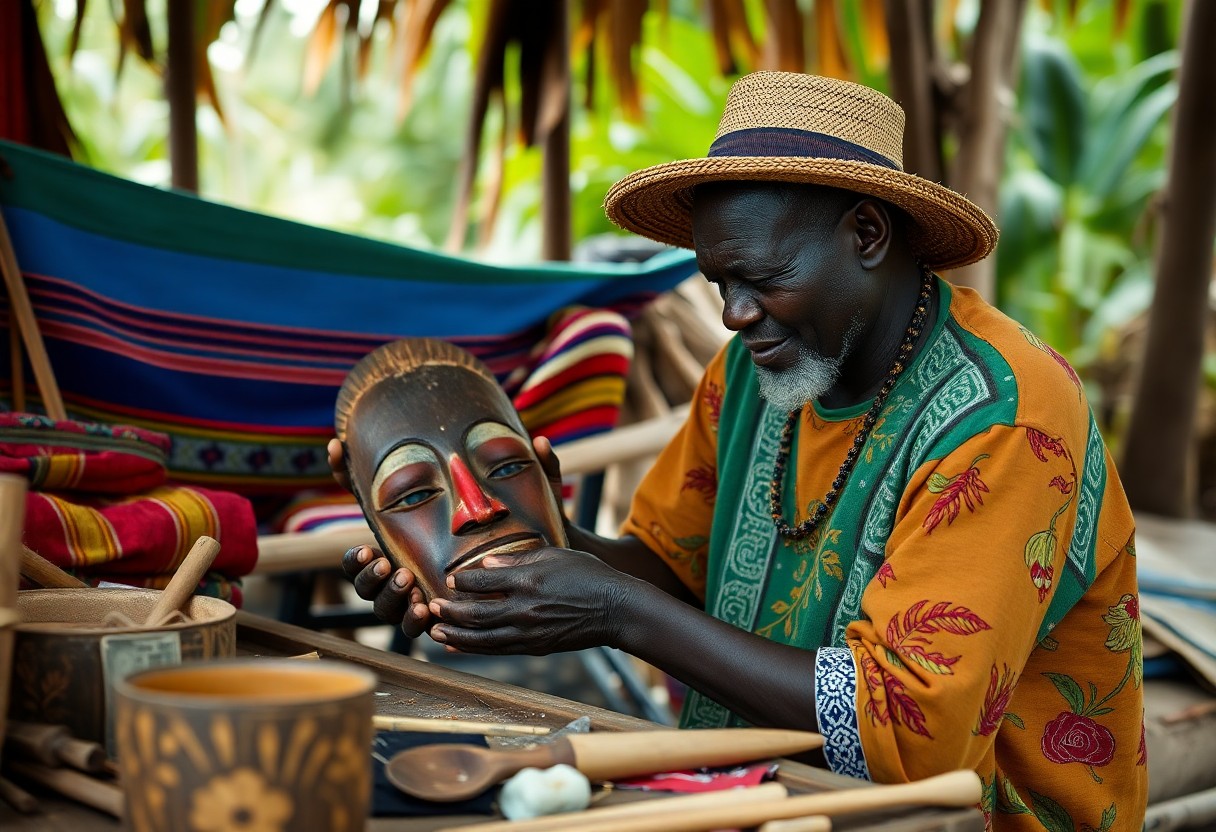
Look for woven baskets, carved items and modern mixed-media pieces—buying directly from makers supports households and emergent artists in the village.
Sample Itineraries (1 And 2 Days)
1-Day Plan (If You’re Passing Through)
- Morning: Arrive, short beach walk, market stop for fresh fruit.
- Late morning: Mangrove paddle or short reef snorkel (half-day).
- Afternoon: Darasa tasting or guided village walk to meet artisans.
- Evening: Drumming circle and dinner at a local Garifuna kitchen.
2-Day Plan (Overnight Immersion)
- Day 1 — Afternoon arrival, craft market, evening music.
- Day 2 — Morning cooking class and home visit, afternoon reef trip or hike to a nearby reserve, depart late afternoon.
When To Go And Booking Windows
Festival Calendar Highlights
- Garifuna Settlement Day — November 19 the community’s major public celebration with parades, music and rituals.
- New Year And Feast Of Saint Peter locally important; timing varies (community calendars or your host will confirm).
If your trip centers on Settlement Day, treat it like a peak local event—reserve lodging and experiences 2–3 months in advance.
Practical Tips And Local Etiquette
- Ask before photographing people in private or during rituals; many performers welcome respectful photos for a small fee or donation.
- Buy crafts directly from makers when possible—this supports households and artists.
- Evening drumming is often communal—join in or observe quietly; small cash donations are customary for organized shows.
- If you want to attend a private home visit or cooking class, book through a guide or reputable tour operator to ensure respectful engagement.
Where To Book Next (Contextual Help)
For hands-on cultural programs and combined nature tours, start with the site’s local cultural experiences page to find guided options and booking details: Local Cultural Experiences. For tailored multi-day plans that include Hopkins plus reefs or reserves, explore our customized itineraries service.
If you want a recommended local program (drumming, cooking class and reef trip in one day), start here:
Frequently Asked Questions
Is Hopkins Safe For Visitors?
Yes—Hopkins is a small, community-oriented village and generally safe for travelers who follow normal precautions (avoid isolated areas at night, secure valuables). See our general safety guide for Belize for wider context: Is Belize safe to visit?
Can Visitors Join A Drumming Circle?
Often yes—many drumming events are public or open to visitors. Ask a host or local guide; some formal workshops have a small fee while informal circles accept donations.
Do I Need To Speak Garifuna To Participate?
No. English is widely spoken in Hopkins, and participating in music, food and crafts is welcoming even without language fluency. If you want basic phrases, see our essential Garifuna phrases post linked in the Garifuna pillar.
Final Note
Hopkins rewards simple choices: prioritize either an overnight stay for music and hands-on cooking, or a full-day visit if you need to combine reef or reserve activities. Use the local cultural experiences page to lock in guided programs, and consult the Garifuna pillar for fuller cultural context.
See also: Darasa — Garifuna flavors • Garifuna cultural pillar • Living like a local.

Clara Beckett is a passionate travel writer specializing in the vibrant culture and breathtaking landscapes of Belize. With a keen eye for detail and a love for adventure, she provides insightful and engaging content that guides readers through the best experiences Belize has to offer. Clara’s work not only highlights the country’s stunning natural beauty but also its rich history and diverse communities, making her Belize Travel Guide an essential resource for anyone seeking to explore this magnificent destination.
Your exploration of Hopkins Village and the Garifuna culture truly resonates with me, especially as someone who has always been fascinated by the ways in which heritage shapes community identity. I recently had the pleasure of attending a Garifuna drumming workshop that highlighted their musical traditions, and it was incredible to see how rhythm and dance bring people together in celebration of their history.
Your exploration of Hopkins Village and the Garifuna culture really resonates with me. The notion of a community that thrives on resilience and shared traditions speaks volumes about the importance of preserving cultural identities in today’s rapidly globalizing world. I had the chance to visit a Garifuna festival last year, and the energy in the air was palpable. The drums, the laughter, and the vibrant colors of their traditional attire all contributed to an experience that felt both uplifting and meaningful.
It’s fascinating to read about Hopkins Village and the rich tapestry of Garifuna culture. I had the chance to visit a Garifuna community in Honduras, and it really struck me how music and dance are such integral parts of their daily life. The way they use both as a means of storytelling is a beautiful expression of their history and resilience.
I’ve always been fascinated by the intersection of culture and identity, especially in places like Hopkins Village where the Garifuna heritage shines so brightly. Your guide captures the essence of what it means to truly experience a culture rather than just visiting a destination. I remember my own visit to a Garifuna festival in New York several years ago, where the music and dancing were so infectious, it felt like a window into their history and resilience.
I love how you highlighted the cultural richness of the Garifuna community in Hopkins Village! I’ve always found it fascinating how music and dance can serve as powerful vessels for preserving history and identity, especially in cultures that have faced challenges. Have you had a chance to experience their traditional celebrations? It seems like those local festivities would be a beautiful way to connect with the community on a deeper level.
Ah, Hopkins Village sounds like a slice of paradise dipped in a delicious Garifuna sauce! I’ve always been fascinated by how cultures blend over time. The Garifuna identity is like a spicy stew—each ingredient adds its own flavor to the mix, from the African heritage to Caribbean influences. Speaking of flavor, I’d love to know more about the “exquisite culinary practices” you mention. A good seafood dish can transport you right to the heart of a culture, and I can only imagine what treasures await from the kitchens there.
Hopkins Village truly seems like a gem for those looking to connect with authentic cultural experiences. The intertwining of African and Caribbean influences in Garifuna culture is fascinating and offers a profound perspective on resilience and adaptation. I’ve always been intrigued by how communities like this maintain their heritage amidst globalization, often finding creative ways to share their traditions and engage with visitors.
You’ve touched on something really important about how communities like Hopkins Village navigate the challenges of modernization while keeping their cultural identity intact. The Garifuna culture is a blend that really highlights resilience; it’s this beautiful synthesis of African, Caribbean, and even indigenous influences. Locals actively preserve their traditions through music, dance, and storytelling, all of which serve not only as a means of cultural expression but also as a way to educate visitors about their history.
I appreciate your exploration of the Garifuna culture in Hopkins Village—it’s a fascinating lens through which to view a rich tapestry of history. I wonder how the younger generation in the Garifuna community is balancing the preservation of their cultural practices with the influences of globalization. For instance, as tourism increases in the area, do you think the authentic experiences for visitors can coexist with commercialized representations of Garifuna culture? I’ve read about similar challenges faced by indigenous communities worldwide, where the need to sustain traditional practices often clashes with economic pressures. It would be interesting to see how community leaders in Hopkins are navigating these complexities while keeping their traditions alive.
You raise some really compelling points about the Garifuna community in Hopkins Village and the intricate dance between cultural preservation and globalization. It’s such a delicate balance, isn’t it? The younger generation often finds themselves at a crossroads, wanting to honor their heritage while also engaging with the wider world.
Your exploration of Hopkins Village and the Garifuna culture truly captures the essence of this vibrant community. The rich tapestry of African and Caribbean heritage is remarkable, and I appreciate how you emphasize not only the aesthetic elements, such as music and dance, but also the core values of resilience and community. These attributes are often overlooked in discussions about cultural identity, yet they are fundamental in understanding how communities thrive despite historical adversities.
I really appreciate your observations about Hopkins Village and the Garifuna culture. It’s a community that often flies under the radar, but as you noted, its blend of African and Caribbean heritage is fascinating. The way music and dance bring people together isn’t just about enjoyment; it’s a way of storytelling that connects generations.
Your exploration of Hopkins Village and the Garifuna culture is both insightful and evocative. The unique blending of African and Caribbean heritage you describe is not only a testament to the resilience of the Garifuna people but also offers a fascinating opportunity for visitors to engage in a dialogue about cultural preservation in the face of globalization.
Oh, how splendid it is to stumble upon such an evocative portrayal of Hopkins Village! Just reading about the Garifuna culture makes me want to dust off my dancing shoes, though I suspect they may still be in an embarrassing state of neglect at the back of my closet. I can only imagine how infectious the rhythm must be in a place like Hopkins when one begins to witness those traditional dances that channel centuries of resilience and history. Dare I say, even my worst attempts at the Punta dance would look like a masterpiece in the vibrant environment you’re describing!
Your exploration of Hopkins Village and the Garifuna culture beautifully captures the essence of what makes this community so special. Having visited Belize myself, I remember the profound sense of connection I felt when engaging with the Garifuna people and their rich traditions. It’s fascinating how their unique blend of African and Caribbean heritage comes to life through music, dance, and food.
Reading your description of Hopkins Village truly brings the vibrancy of Garifuna culture to life. The way you highlight their musical heritage and culinary practices makes me want to immerse myself in that experience. I remember attending a Garifuna festival a few years back, and it was remarkable how the community came together through music and dance. It was not just entertainment; it felt like a living history lesson, showcasing their resilience and rich traditions.
Your exploration of Hopkins Village and the Garifuna culture shines a light on a truly unique part of Belize that often gets overshadowed by its more commercialized tourist destinations. As someone who has been fascinated by indigenous cultures, I find it remarkable how the Garifuna people’s history reflects resilience and adaptability. The blend of African and Caribbean influences not only enriches their music and dance but also infuses their culinary practices with flavors and techniques that are distinctively their own.
It’s great to hear your thoughts on the Garifuna culture! You’re spot on about their rich history. The way they’ve woven together African, Caribbean, and even indigenous influences into their music and food is really something special. Did you know that their traditional dishes often feature cassava, plantains, and fresh seafood? The preparations reflect how they’ve adapted to their environment and kept their heritage alive.
“I’m glad you resonate with the beauty of Garifuna culture! If you’re interested in diving deeper into this vibrant heritage, I invite you to explore more about Hopkins Village and its rich traditions.”
https://xamanekbelize.com/nature-and-wildlife-encounters
Reading about Hopkins Village and the Garifuna culture truly captures the essence of Belize’s rich heritage. I remember my visit there last year; the rhythmic beats of the drums during a traditional performance resonated deeply with me, weaving a connection to their history and resilience. The culinary experiences, especially the cassava bread and hudut, were delectable and provided a taste of their elaborate traditions.
I love how you’ve captured the essence of Hopkins Village and the Garifuna culture! I visited Belize last year, and I have to say, experiencing the vibrant Garifuna traditions firsthand was one of the highlights of my trip. The moment I arrived in Hopkins, I felt this warm sense of community and a welcoming spirit that made me want to dive right into their way of life.
Your exploration of the Garifuna culture in Hopkins Village is both enlightening and timely. I’ve always been fascinated by how resilient communities like the Garifuna navigate the challenges of modernity while preserving their rich traditions. It’s interesting to consider how their music and dance serve not just as art forms but also as vital expressions of identity and history.
It’s great to hear that you’re intrigued by the Garifuna culture. There’s such a rich tapestry to explore, isn’t there? The Garifuna people have a unique way of weaving their history and identity into every aspect of their lives, especially through their music and dance.
I’ve really come to appreciate how the Garifuna culture embodies resilience and community. Their music and dance forms, especially, are such a powerful expression of their history and struggles, often reflecting themes of survival and unity. I’ve read that the traditional music incorporates elements from both African and Indigenous Caribbean influences, which creates this beautiful blend that feels both profoundly historical and contemporary.
It’s interesting how you’ve captured the essence of Hopkins Village and the Garifuna culture here! Reading your post felt like I was being gently beckoned by the rhythm of a drum and the alluring aroma of freshly prepared hudut wafting through the air. Speaking of culinary delights, after indulging in some Garifuna food, my taste buds might need a vacation of their own just to recuperate. I mean, who wouldn’t want to take a day off after experiencing the fiery flavor explosion of coconut milk-infused fish stew? I can practically hear my heart singing with joy every time I reminisce about it!
Your exploration of Hopkins Village and the Garifuna culture truly resonates with me. It’s fascinating how the preservation of cultural identity can coexist with the modern influences of tourism. The Garifuna’s rich blend of African and Caribbean heritage offers a unique perspective on resilience and community, which I think is increasingly relevant in today’s world.
Your exploration of Hopkins Village and the Garifuna culture is quite illuminating, and it touches on several profound aspects of identity and community. I’ve always found the confluence of African and Caribbean heritage in the Garifuna to be a fascinating study in resilience and cultural preservation. This unique amalgamation speaks volumes about the historical journeys and struggles that the Garifuna people have endured.
I agree, the convergence of African and Caribbean heritage within the Garifuna culture is truly compelling. It really highlights how communities can adapt and thrive despite the odds. The resilience you mentioned isn’t just historical; it’s evident in how the Garifuna continue to uphold their traditions today through music, dance, and language.
The exploration of Hopkins Village and its embodiment of Garifuna culture is truly captivating. The unique blend of African and Caribbean heritages speaks volumes about the resilience and adaptability of the Garifuna people. As someone who has always been drawn to cultures that demonstrate a rich interweaving of traditions, I find the Garifuna community’s celebration of music, dance, and cuisine to be remarkable not just for their vibrancy, but also for what they represent about identity and community in the face of historical challenges.
You’ve touched on an essential aspect of Garifuna culture that often gets overlooked: its ability to thrive despite a complicated history. The blend of African and Caribbean traditions isn’t just a fusion; it’s a testament to the Garifuna people’s resilience. Their music, like punta and paranda, isn’t merely entertainment; it encapsulates stories of struggle, survival, and joy.
I’m glad you resonate with the richness of Garifuna culture! If you’re interested in diving deeper into their vibrant traditions, be sure to check out this resource that highlights their music, dance, and culinary delights.
https://xamanekbelize.com/belize-adventure-tours
Ah, Hopkins Village! It’s hard to believe that bellies can do the cha-cha after a plate of fry jacks and fish stew, but somehow, the Garifuna cuisine pulls it off beautifully! I still remember my first taste of cassava bread—an experience similar to discovering the secret ingredient to happiness. It’s incredible how food can connect us to a culture’s roots and rhythms.
Your exploration of Hopkins Village and the Garifuna culture is not only enlightening but also sparks an important conversation about the preservation of cultural identities in an increasingly globalized world. As someone who has always been drawn to the interplay of music, food, and community, I find the Garifuna way of life incredibly inspiring.
Ah, Hopkins Village! It sounds like a little slice of paradise where the rhythm of the Garifuna beats can make even the most reluctant dancer shuffle their feet (trust me, I’ve got two left feet, and I still manage to make an absolute spectacle of myself!). The blend of African and Caribbean cultures truly seems like a recipe for a rich tapestry of experiences.
Reading about Hopkins Village and the Garifuna culture has elicited a profound appreciation for the rich tapestry of human heritage found within such communities. This convergence of African and Caribbean beans not only paints a beautiful picture of cultural resilience but also serves as a vital reminder of the diverse pathways of history that shape our identities today.
It’s fascinating to think about how the convergence of African and Caribbean cultures in places like Hopkins Village not only creates rich traditions but also highlights the resilience and adaptability of these communities. The Garifuna culture, with its unique blend of language, music, and spirituality, is a perfect example of this. The way their history is woven into everyday life emphasizes the strength found in diversity.
Your exploration of Hopkins Village and the vibrant Garifuna culture truly captures the essence of what makes this destination so special. It’s fascinating to think about how the Garifuna identity, rooted in resilience and rich traditions, has thrived through the years, continuously weaving their narrative into the fabric of Belizean life.
This is such an enlightening overview of Hopkins Village and the Garifuna culture. I’ve always been drawn to places where rich traditions coexist with modern life, and it sounds like Hopkins is a perfect example of that balance. The way you describe the community’s resilience makes me think about how important it is for cultural identities to thrive amidst globalization.
I completely resonate with your appreciation for places like Hopkins Village where tradition and modern life gracefully intertwine. It’s fascinating how the Garifuna community has managed to preserve their rich heritage while also adapting to contemporary influences. This kind of resilience speaks to the strength of cultural identity, especially in a world where globalization can sometimes overshadow unique traditions.
If you’re curious about exploring the vibrant blend of cultures in Belize, this guide really highlights some wonderful aspects of planning your journey there.
‘Complete Guide to Planning Your First Trip to Belize’
https://xamanekbelize.com/complete-guide-to-planning-your-first-trip-to-belize/.
Reading about Hopkins Village and the Garifuna culture feels like a gentle call to rediscover the essence of community and heritage in a world that often rushes by. The depiction of the village as a vibrant cultural hub resonated with me deeply, as it highlights the invaluable connection between people and their roots.
Your description of Hopkins Village beautifully captures the essence of the Garifuna culture. I find it fascinating how the Garifuna identity reflects such a rich blend of African and Caribbean heritage. Having the chance to immerse oneself in their traditions, especially through music and dance, feels like a true celebration of resilience and community spirit.
You really hit the nail on the head with your thoughts on Garifuna culture. The blend of African and Caribbean heritage is indeed remarkable, and it’s something that roots the community in both history and resilience. I remember my first experience with Garifuna music—it was mesmerizing to see how the rhythms can evoke such strong emotions and create a sense of unity among people.
Oh, the Garifuna culture in Hopkins Village sounds like a treasure trove of experiences waiting to be uncovered! I can only imagine the flavors and sounds swirling around that vibrant community. I mean, who wouldn’t want to sample some freshly made hudut (fish stew)?
You’ve beautifully captured the essence of Hopkins Village and the Garifuna culture. It’s fascinating how their heritage is not just preserved, but actively celebrated through music, dance, and culinary traditions. I remember my own experience attending a Garifuna drumming workshop, where I felt an immediate connection to the rhythms and stories being shared. The beats are like a living history, echoing their ancestors’ resilience and spirit.
It’s fascinating to read about Hopkins Village and the rich tapestry of Garifuna culture you’ve described. Your insights truly highlight the essence of what makes this community so unique and appealing to travelers. Having experienced a similar immersion in cultures during my travels, I can appreciate how engagement with local traditions not only enriches our understanding but also fosters a sense of shared humanity.
Your exploration of Hopkins Village and the Garifuna culture truly encapsulates the essence of a community rich in history and vibrancy. Having visited Belize myself, I can attest to the unique fusion of cultures that characterize this region. The Garifuna identity, as you’ve described, is a remarkable testament to resilience, blending elements of African heritage with Caribbean customs, which is evident in every aspect of their life.
You hit the nail on the head with that observation about the Garifuna culture. It’s like a beautiful recipe that’s been handed down through generations, combining flavors that, when blended, create something truly unique. I had a friend try the tapir stew once—let’s just say, they’ve never looked at meat the same way again.
Your insights into Hopkins Village and the Garifuna culture beautifully capture the essence of this vibrant community. I recently had the opportunity to visit a similar Garifuna celebration in a neighboring area, and it was fascinating to witness the blend of traditions firsthand. The rhythmic drumming and lively dancing truly showcase their strong sense of identity and community spirit.