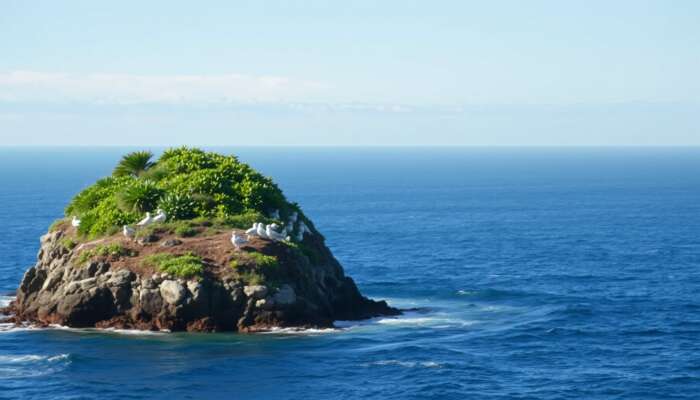
You can visit Belize’s bird islands with modest planning: many nesting colonies require permits or operator permission, the prime birding window is late winter–spring, and the simplest route is to book a Placencia-based boat operator or a travel package.
Quick Planning Checklist
- Confirm whether the target island is public, private, or protected (ask your operator or contact us).
- Book a Placencia departure or a travel package — operators usually manage permits.
- Bring 8x–10x binoculars, sun protection, and water; arrive at dawn for best activity.
- Follow ethical viewing: no nest approaches, no feeding, low voice profile.
Permits, Rules And How To Get Permission
Many bird islands near Placencia are ecologically sensitive; some are privately owned or fall under fisheries/conservation regulations. If you plan to land, photograph nests, or conduct research, follow these steps:
- Identify Island Status Ask the boat operator or your accommodation whether the island is private, part of a protected area, or open to visitors.
- Contact The Right Authority For protection status, operators typically liaise with Belize Fisheries or local conservation groups; for private islands, the owner or manager must grant access — use Contact Us to connect with vetted local operators.
- Apply Or Request Access If a government permit is needed, allow 2–6 weeks depending on season and paperwork; for routine day trips, licensed operators often secure single-day permissions on your behalf.
- Fees & Conditions Fees vary: private-owner access or special permits may have a daily charge; conservation rules (nest-season closures, no-landing buffers) are common — confirm terms in writing before you go.
- Plan For Alternatives If landing is restricted, boat-based viewing is a reliable, lower-impact option.
Getting There — Departures, Timings And Transport Table
Most bird-island visits start from Placencia village (the Placencia peninsula has regular boat operators). If you are arranging flights, see our travel logistics pages for flights and local transport.
For broader transport planning — flights to Belize and getting around — see our Getting Around Belize and flights guide.

When To Go, Viewing Windows And Gear
Timing changes the experience: January–May is the most reliable period for breeding colonies, courtship displays and nesting seabirds. Fall and spring migration bring additional species but can be less predictable.
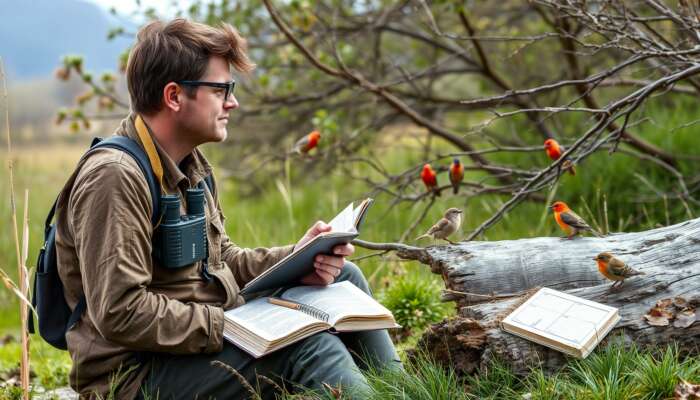
Pack light, neutral-colored clothing, 8x–10x binoculars, a regional field guide, sunscreen, a brim hat, and water. Dawn and early morning are the most productive observation windows; avoid landing near active nests.
Conservation, Conduct And Local Community
Ethical viewing protects colonies and helps local conservation. Keep voices low, maintain required buffers from nests, and never feed wildlife. Many operators work with conservation groups — see our Wildlife Encounters page for community-based tours and responsible options.
Booking Options — Who To Call And Next Steps
Best practice: book a licensed Placencia boat operator or a package that includes permit handling. If you want a packaged trip that includes transfers and accommodation, consider booking through our planning pages.
Can I Visit Today? A Short Decision Table
Frequently Asked Questions
When Is The Best Time To Visit Bird Island? January–May for breeding displays and consistent dry weather; migration windows in spring and fall add species diversity.
Can You Stay On Bird Island? Most bird islands are small, ecologically sensitive, or privately owned — overnight stays are rare; day trips or boat-based viewing are the usual options.
Is Placencia Safe To Walk Around? Placencia village and the peninsula are popular with visitors and generally safe in daytime; always follow local guidance and keep valuables secure.
How Much Does It Cost To Rent Or Charter An Island? Private rentals or charters vary widely; pricing depends on facilities, season, and included services — get written quotes from operators or consider packaged options via our travel packages.
Ready to plan? If you want help coordinating a Placencia-based birding day or a multi-day package that handles permits and transfers, start with our travel packages or contact a local operator through our contact page. For nearby stays and recommended lodges, see our Placencia and resort guide.
Note: This page focuses on practical planning steps for visiting bird islands; for conservation-focused trips and community experiences see our Wildlife Encounters listing.

Liam Cartwright is an avid traveler and author specializing in Belize travel guides. With a passion for uncovering hidden gems and sharing local insights, he captures the essence of Belize’s vibrant culture, stunning landscapes, and diverse activities. Through his writing, Liam aims to inspire adventure seekers and empower travelers to explore the beauty of Belize with confidence and curiosity.
I really appreciate how you emphasized the importance of planning and understanding the permits and rules when visiting places like Bird Islands in Belize. It’s such an essential aspect of travel, especially to ecologically sensitive areas where regulations exist to protect both the environment and visitors.
I appreciate the focus on planning and understanding the rules surrounding visiting Bird Islands. It really highlights how preparation can enhance the experience rather than hinder it. Having recently returned from a birdwatching trip, I found that doing my homework on permits and local regulations made a huge difference. For instance, in some areas, you might encounter specific guidelines during nesting seasons, which can drastically affect your interactions with wildlife.
While it’s crucial to highlight the need for permits and safety considerations in planning trips like those to Bird Islands, I wonder if there’s more emphasis on the experience itself. For many, birdwatching is not just about the species they might spot, but also about the connection to nature and the tranquility it brings. I’ve visited similar locations that prioritize conservation education alongside tourism. This helps deepen visitors’ appreciation for biodiversity and encourages responsible behaviors that protect these delicate ecosystems.
I love how you emphasize the importance of planning ahead for a trip to the Bird Islands! A few years back, I visited a similar place in the Caribbean and got tripped up on permits and local regulations. It turned a dream trip into a bit of a hassle. Have you found any specific resources or apps that help travelers navigate these regulations more smoothly?
It’s fascinating to see how carefully planning plays such a crucial role in organizing travel experiences, particularly when it comes to natural wonders like Bird Islands in Belize! Your emphasis on obtaining permits and being aware of local regulations really resonates with me. I remember planning a trip to a bird sanctuary in Costa Rica a few years ago and encountering a similar situation. Initially, I was blissfully unaware of the necessary permits we needed to access certain areas, which ended up delaying our adventure until everything was sorted out. It definitely made me realize the importance of thorough research and communication with local guides.
I appreciate how you emphasize the importance of preparation when planning a visit to Bird Islands. It’s remarkable how the small details, like understanding permits and safety measures, can significantly enhance the overall experience. I’ve often found that thorough planning can transform a trip from merely enjoyable to truly memorable.
You hit the nail on the head! It’s the little things that can turn an average trip into a legendary one. I remember the first time I went to Bird Islands, all I had was a snack and an outdated map. Let’s just say I became intimately familiar with a swamp instead of the scenic views I was after. Knowing the ins and outs, whether it’s how to get the right permits or what to pack, can keep you from accidentally becoming part of the local wildlife’s buffet.
It’s fascinating how the Bird Islands serve as a sanctuary for both wildlife and travelers seeking connection to nature. The emphasis on permits and safety is crucial—nothing can dampen a trip like unexpected rules. I appreciate XamanekBelize highlighting that planning aspect; it really enhances the experience. Having visited other bird sanctuaries in Central America, I can attest that being informed makes all the difference in immersing oneself in the environment fully.
The insights shared about Bird Islands in Belize are quite insightful and serve as a valuable reminder of the importance of preparation in travel, especially when visiting fragile ecosystems. The emphasis on permits, safety considerations, and validation of rules before embarking on such an adventure is critical not just for compliance but for truly enhancing the experience of connecting with nature.
I appreciate how your guide emphasizes the importance of planning and understanding regulations before visiting the Bird Islands. It’s so true that navigating permits and safety considerations can save travelers from unexpected challenges that might detract from their experience.
I love how you emphasize the importance of planning and permits for visiting the Bird Islands. It’s so easy to overlook those details when you’re caught up in the excitement of a trip! Last year, I went birdwatching in Costa Rica, and I learned the hard way that not knowing the local regulations can really put a damper on the experience. It’s great that XamanekBelize covers this aspect since it cuts down on any stress once you’re there.
The emphasis on planning and understanding the regulations before visiting Bird Islands is such an important aspect of travel that often gets overlooked. Having navigated similar experiences in other regions, I can relate to the frustration of arriving only to discover unexpected limitations or requirements that could have been easily checked beforehand.
I love how your post emphasizes the importance of planning ahead when visiting Bird Islands in Belize. It’s so true that diving headfirst into an adventure without checking on permits and rules can lead to unexpected hurdles. A few years ago, I visited another nature reserve, and I didn’t realize that certain areas required advance permission. I ended up missing out on a prime birdwatching spot, which was pretty disappointing. It’s a great reminder of how simple steps can truly affect the outcome of our travels.
This is such a helpful overview! Planning for birdwatching in Belize sounds like a bit of an adventure in itself. I love the idea of mingling with these nesting colonies, but I can see how the permits can feel like a hassle. It’s cool to think about how taking these steps can really impact the experience, especially knowing many of these spots are sensitive environments.
This is such an informative guide for anyone looking to explore Belize’s bird islands! The emphasis on planning is particularly crucial; I’ve spoken to travelers who faced unexpected hiccups because they weren’t aware of permits or the best times to visit. It’s interesting to see how specific ecosystems, like those in Belize, require a bit more tact and consideration from visitors.
It’s fascinating to see how much planning goes into visiting Belize’s bird islands, especially with the focus on preserving such delicate ecosystems. I appreciate your mention of the permits and the need for operator permissions; it really highlights the importance of responsible tourism.
I really appreciate how you highlighted the importance of planning ahead for birdwatching in Belize. Having experienced the thrill of spotting rare birds in their natural habitats, I can’t stress enough how much being prepared can enhance that experience. Those nesting sites are not only critical for our feathered friends but also a key aspect of Belize’s ecosystem.
This is a really insightful overview of planning a birdwatching trip to Belize’s bird islands! It’s intriguing how wildlife conservation intersects with tourism. I’ve had a few experiences where local regulations and permits significantly shaped a trip’s outcome, especially when visiting ecologically sensitive areas.
I really appreciate this detailed guide on visiting Belize’s bird islands—it’s a reminder of how crucial proper planning is when engaging with nature, especially in sensitive environments like these. I can relate to the importance of securing permits beforehand; I once tried to visit a similar nesting site while traveling in another country, and ended up turned away because I hadn’t done my homework on the local regulations. It was a disappointing experience that taught me a valuable lesson about respecting wildlife and the rules in place to protect them.