Make your Belize vacation a focused educational trip by pairing hands-on workshops with guided eco-tours and local cultural experiences; if you want to start planning right away, book an educational eco-tour that matches your group’s interests.
Quick Answer
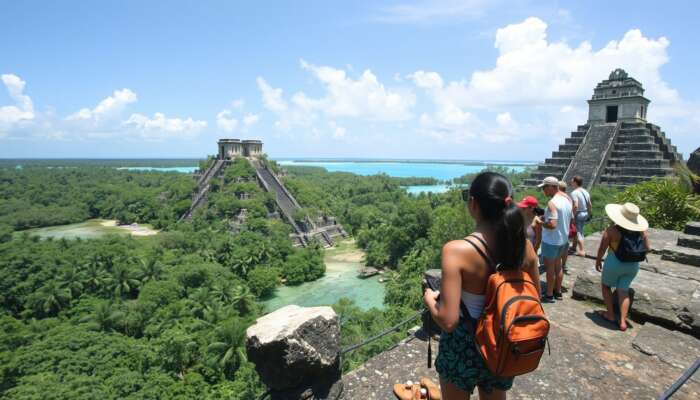
A 5–8 day Belize trip focused on learning gives a good mix of reef ecology, Mayan archaeology, and community culture: combine 2–3 days on the Barrier Reef or a marine station, 1–2 days visiting Mayan sites and museums, and 1–2 days of community workshops or wildlife encounters.
Decision Table — Pick The Right Learning Mix
How To Plan A Learning-Focused Belize Itinerary
Design your trip around one or two learning themes (marine science, Maya archaeology, wildlife conservation, or cultural heritage) and choose local partners that provide interpretive guides. For practical booking and tour options, see our offerings for adventure tours and curated local cultural experiences.
Planning Checklist (Quick)
- Set 2–3 learning goals (e.g., identify reef species, learn Maya site context).
- Match activities to ages and mobility—reserve expert-led reef trips for younger teens and lab sessions for students.
- Book certified guides and conservation partners at least 8–12 weeks ahead for peak season.
- Pack basic field gear: reef-safe sunscreen, binoculars, quick-dry clothing, waterproof notebook.
Where To Book And Who To Hire
For hands-on learning, prioritize operators with formal education programs or conservation affiliations. Consider:
- Educational eco-tours for reef labs and mangrove ecology;
- Wildlife encounters and guided zoo/conservation visits;
- Luxury travel packages for small-group private guides and custom lectures;
- Customized itineraries when you need a blended schedule for families or classes.
Timing And Booking Window
Best months: late November through April for drier weather and clearer seas (best for reef work and snorkeling). May–October is greener and quieter—better for birding, rainforest studies, and lower-cost school trips.
- Book reef and research slots 3–4 months in advance during high season; student-group dates often require 6+ months.
- If your priority is whale sharks or specific seasonal phenomena, confirm exact windows with operators before booking.
Sample Day Frames That Balance Learning And Downtime
A typical learning day should start with the focused activity (reef lab, archaeology site) in the cooler morning, allow midday rest, and end with a reflective session like a talk, journaling or a community exchange.
Book Or Request A Custom Educational Itinerary
If you want a turn-key learning trip—group pricing, local educators, and conservation partners—we recommend starting with a customized itinerary request or contacting our planning team for a short consult.
Practical Costs And Safety Notes (Brief)
Cost ranges vary: expect economy educational day tours from ~USD 60–120 per person, multi-day program fees from USD 400–1,200+ depending on lodging and specialized instructors. Belize is generally safe for tourists when common-sense precautions are used; choose licensed guides and check group reviews before booking.
Frequently Asked Questions
What’s The Best Month To Go To Belize?
Late November to April is the best window for dry weather and clear seas suitable for reef-focused learning; May–October is good for rainforest studies and fewer crowds.
How Much Does An Educational Trip Usually Cost?
Expect single-day educational tours USD 60–120; a multi-day, instructor-led program with lodging typically starts around USD 400 per person and rises with private guides or specialized labs.
Is Belize Safe For Families?
Yes—many family-friendly operators focus on safety and age-appropriate programming; choose reputable guides and avoid isolated areas at night.
How Long Should An Educational Trip Be?
A 5–8 day trip balances multiple themes well (e.g., reef + Maya ruins + cultural day); school groups often plan 7–12 days to include service or fieldwork.
Ready To Plan?
Start with a short brief: group size, dates, ages, and your top learning goals—then request a custom itinerary or contact our planners for a quick quote.

Sophie Daniels is an accomplished travel writer and expert on Belize, dedicated to sharing the beauty and culture of this Central American gem. With a passion for adventure and a deep understanding of the local landscape, she crafts insightful and engaging guides that inspire travelers to explore Belize’s vibrant ecosystems and rich heritage. Through her writing, Sophie aims to connect readers with the heart of Belize, offering practical tips and personal anecdotes that enhance their travel experiences.

This guide to an educational trip in Belize really resonates with me! I love how it emphasizes blending ecological and cultural experiences. When I traveled to Belize a few years ago, I immersed myself in a community workshop where local artisans shared their crafts. It was incredible to see how traditional techniques are preserved and passed down through generations.
What a delightful way to approach travel—combining adventure with education! I can’t help but chuckle at the prospect of a family cooking class in Belize. Nothing like a little hands-on experience to make you realize you’ve bitten off more than you can chew—literally! Can you imagine trying to master the art of tamale-making, only to end up with a sticky fiasco?
I really appreciate the insights you’ve shared in the Educational Travel Guide for Belize! It’s a fascinating approach to blending travel with educational experiences, and I couldn’t agree more on the enriching impact of hands-on workshops and eco-tours. There’s something so powerful about learning in the environments you’re studying; it brings concepts to life in ways that traditional classrooms sometimes can’t.
This educational travel guide to Belize really resonates with me, especially as someone who believes in the transformative power of travel. The idea of weaving together hands-on workshops with eco-tours and cultural experiences is such an enriching way to engage with a destination. It’s fascinating to think about how this approach not only enhances learning but also fosters a deeper connection to the places we visit.
What a delightful approach to harmonizing education and adventure in Belize! This makes me think about the art of mixing learning with leisure—a bit like adding a dash of chili to chocolate. Who knew that Mayan ruins and reef ecology could create such a delectable experience?
This is a fantastic framework for planning a more immersive trip! I love the idea of blending education with adventure; it’s such a solid way for families and student groups to connect with the local culture and environment.
I love the idea of making a trip to Belize not only about relaxation but also about enriching experiences. It reminds me of my own journey when I traveled to Costa Rica a couple of years ago. I thought I was just going for the beaches and coffee, but I ended up taking part in a wildlife rehabilitation program. It was hands-on, and I learned so much about the local ecosystem and conservation efforts. Those kinds of experiences really change the way you see a place—it becomes so much more than just a vacation.
Your experience in Costa Rica sounds incredible. It’s amazing how a trip can evolve into something much deeper than what we initially expect. The fact that you got involved in a wildlife rehabilitation program really highlights how travel can foster a connection not only with a place but also with its people and the environment. It also makes me think about how many travelers miss out on those opportunities when they only stick to the typical tourist spots.
This is such a refreshing take on educational travel! Belize offers so many unique opportunities for learning through immersive experiences. I love the idea of combining eco-tours with cultural workshops; it really enriches the trip.
I appreciate the emphasis on educational travel in your post, especially the blend of ecological and cultural experiences that Belize offers. It’s fascinating how travel can serve as a powerful platform for learning, particularly for families and student groups. The way you recommend integrating hands-on workshops with eco-tours creates a multidimensional learning environment that’s hard to replicate in a traditional classroom setting.
It’s so encouraging to hear your thoughts on the role of educational travel, especially in a place as rich in ecological and cultural diversity as Belize. There’s something really transformative about stepping out of a classroom and into a vibrant environment where learners can engage with nature and local cultures firsthand.
“Discover how your next educational adventure in Belize can transform learning experiences for your group—check out more details here!”
https://xamanekbelize.com/why-san-ignacio-is-the-heart-of-belize
This educational travel guide truly captures the essence of a meaningful trip to Belize. The integration of hands-on workshops with eco-tours and cultural experiences offers a comprehensive approach to learning that extends beyond conventional tourism.
This guide to educational travel in Belize is truly inspiring! It highlights how enriching experiences can combine adventure with learning, offering a unique perspective on what travel can achieve. I love the idea of bringing families and students into touch with the natural environment, such as through wildlife encounters and marine ecology workshops.
This educational travel guide for Belize touches on an intriguing intersection of adventure and learning. It seems like a well-structured approach to make the most of a trip, especially for families and student groups. However, I’d like to delve deeper into the balance between structured activities and allowing for personal exploration.
Your educational travel guide for Belize brilliantly encapsulates the essence of combining leisure with learning. The suggested mix of activities captures the rich tapestry of Belizean culture and natural beauty. As someone who has experienced educational travel firsthand, I found your emphasis on hands-on workshops particularly compelling.
This educational travel guide presents a compelling framework for planning a Belize trip focused on immersive learning experiences. I find the blend of reef ecology and Mayan archaeology particularly intriguing, as it reflects the dynamic interplay between Belize’s natural and cultural heritage.
This guide offers a thoughtful approach to combining education with travel in Belize. The blend of ecological and cultural experiences is particularly resonant; for instance, integrating workshops that delve into traditional Mayan customs or conservation efforts not only enhances learning but fosters a deeper connection to the region.
This educational travel guide for Belize is such a fantastic resource for anyone looking to dive deeper into both nature and culture on their vacation! The idea of blending eco-tours with hands-on workshops truly enriches the travel experience. It’s not just about seeing beautiful landscapes but also understanding and appreciating the ecosystems and communities you’re visiting.
I appreciate how you’ve outlined a balanced approach to educational travel in Belize. It resonates with my own experiences in crafting meaningful trips that emphasize learning through immersion. When planning a trip, especially one involving kids or student groups, I think it’s so important to mix hands-on activities with guided tours.
This educational travel guide to Belize is such an inspiring way to think about how we can enrich our vacation experiences! I love the idea of blending hands-on workshops with guided eco-tours and cultural experiences; it really brings a deeper meaning to travel, making it not just about the destination but about learning and engagement as well.
This educational travel guide for Belize really highlights the unique blend of learning and adventure the country offers. I love the idea of incorporating hands-on workshops along with eco-tours. For instance, participating in a local cooking class not only teaches valuable culinary skills but also offers insight into Belize’s rich cultural heritage.
What a fantastic way to blend education with adventure! I can’t help but picture families trying to out-snorkel each other while diving into reef ecology, or students swapping their textbooks for hands-on cave archaeology in Belize. I mean, who knew learning about the ancient Maya could come with so many mosquito bites?
This educational travel guide for Belize got me thinking about how transformative a focused trip can be for both kids and adults. When I was in college, I participated in a summer program that combined travel and hands-on learning in Costa Rica, and it opened my eyes to a whole new world of ecology and community engagement. I remember spending days in the rainforest, working on local conservation projects, which brought the lessons I had learned in the classroom to life in such a vivid way.
This educational travel approach to Belize really highlights the multifaceted opportunities for immersive learning. The blend of ecology and archaeology offers a unique perspective on how intertwined the natural environment is with cultural heritage.