A focused, one-page checklist for divers planning the Belize Big Blue Hole: certification needs, timing, top gear, and quick-to-follow safety steps you can use before you book.
Quick Answer — Should You Dive The Blue Hole?
Short verdict:
The Blue Hole is an advanced open-water dive best for certified divers with experience in deeper dives and good buoyancy control; use this checklist to confirm you’re ready, then read the full technical guide for step-by-step planning.
Read the full Blue Hole diving guide (detailed planning & routes)
Decision Table — At-A-Glance
| Who should dive | Required certs | Best months | Top hazards |
|---|---|---|---|
| Experienced open-water divers with multiple deep dives | Advanced Open Water (recommended) or equivalent deep-diving experience | Dec–Apr (calmer seas & best visibility) | Depth, currents, low visibility pockets |
One-Page Essentials Checklist
- Certification & Experience Advanced-level cert or at least several logged dives past 30m/100ft and proven deep-dive comfort.
- Medical & Insurance Current fitness to dive, no recent flights within 18–24 hours of diving day; dive insurance that covers decompression incidents.
- Gear Primary + backup regulator, reliable dive computer, SMB/reel, slate, backup mask; consider personal lights for overhangs.
- Buoyancy Practice neutral buoyancy and controlled ascents — the Blue Hole descent is steep and unforgiving of poor trim.
- Buddy & Brief Dive with a trusted buddy and confirm a detailed site brief, emergency plan, and surface pickup with your boat operator.
- Hydration & Rest Hydrate pre- and post-dive; avoid alcohol; rest well the day before deep dives.
Practical Travel Costs & Booking Window
| Item | Typical range (USD) |
|---|---|
| Full-day dive trip (multiple dives) | $250–$350 (equipment often included) |
| Snorkel-only trip | $75–$150 |
| Park fee / conservation charge | ~$10 per person |
| Recommended booking window | Book 2–8 weeks ahead in high season (Dec–Apr); last-minute options possible off-season. |
Local Tips We Found In 2025
Bring a small dry bag for personal items on the boat and confirm weight limits for tanks; operators sometimes limit boat size on rough days. If you want extra reef time, choose combo trips that include nearby Lighthouse Reef sites. For deeper technical planning and route maps, see the full technical guide.
Photos & Planning Visuals
How To Choose A Tour Operator (Short Decision Aid)
- Safety First Ask about emergency oxygen, evacuation plan, and crew first-aid training.
- Boat & Deck Ops Comfortable transfer time (4+ hours roundtrip from Belize City), shaded seating, secure tank rigs.
- Group Size & Profile Smaller groups mean better surface management; confirm ratio of dives to available guides.
- Reviews & Transparency Recent dive logs, clear pricing (what equipment is included), and refund/cancellation terms.
Safety Reminders Before You Go
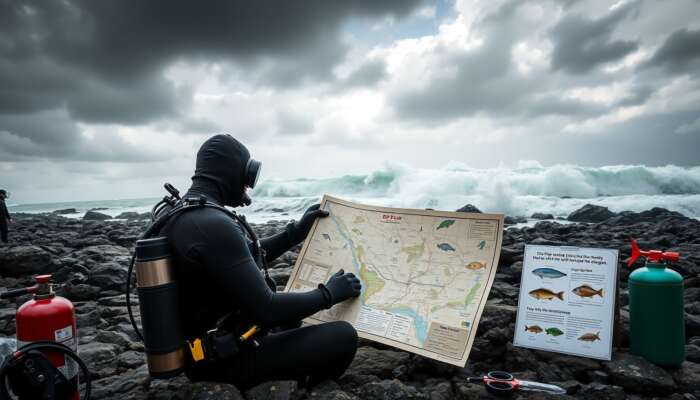
- Do not fly within 18–24 hours after your last dive.
- Ascend no faster than 30 ft/min and include a 3-minute safety stop at 15 ft when appropriate.
- Notify your operator of any recent illness, medications, or ear/sinus problems.
- Carry dive insurance and emergency contact details on the boat.
Related Reading
For a step-by-step planning toolkit, navigation tips, and expanded site descriptions, see our dominant comprehensive Blue Hole guide: Complete Blue Hole diving guide. For broader reef options and alternative dive sites in Belize, compare with our Barrier Reef diving guide and Great Blue Hole snorkeling & diving overview.
Booking & Affiliate Disclosure
We may earn a small commission if you book through operator links we recommend; this supports site research and local conservation partners. Always confirm operator credentials and written terms before paying deposits.
Frequently Asked Questions
Q: Do I Need Technical Certification? A: No formal tech cert is required for standard Blue Hole dives, but Advanced Open Water or equivalent logged deep-dive experience is strongly recommended.
Q: Can Beginners Snorkel There? A: Yes—snorkeling trips reach the Blue Hole surface and surrounding reefs; snorkeling is a low-barrier way to visit without deep-diving experience.
Q: When Is Visibility Best? A: Generally Dec–Apr offers the clearest water and calmest seas, though local conditions vary daily.
Ready to plan your dive?
For full itineraries, dive-site maps, and operator comparisons, open the detailed planning guide: Complete Blue Hole diving guide.

Clara Beckett is a passionate travel writer specializing in the vibrant culture and breathtaking landscapes of Belize. With a keen eye for detail and a love for adventure, she provides insightful and engaging content that guides readers through the best experiences Belize has to offer. Clara’s work not only highlights the country’s stunning natural beauty but also its rich history and diverse communities, making her Belize Travel Guide an essential resource for anyone seeking to explore this magnificent destination.
Your exploration of diving essentials is timely and relevant, especially as more travelers seek out unique experiences in locations like Belize. Personally, I’ve found that understanding the specific gear required for various diving conditions greatly enhances the experience. For example, having the right wetsuit not only ensures comfort but also safety against stings or cold water, depending on the dive site.
I appreciate the clarity of your checklist; it’s essential for potential divers to understand the specific requirements for tackling the Big Blue Hole. While the allure of such a unique dive is undeniable, I wonder if there’s sufficient emphasis on the environmental impact of increased tourism in sensitive areas like this. Given the fragility of marine ecosystems, could there be new regulations or initiatives to mitigate potential damage from divers eager to experience this iconic site? It might also be worth discussing alternative diving locations that offer incredible underwater experiences without some of the pressures associated with high-traffic spots. How do you think divers can balance adventurous exploration with responsible stewardship of these natural wonders?
You’ve raised a crucial point about the balance between adventure and environmental stewardship. The Big Blue Hole, with its breathtaking beauty, inevitably attracts divers from all walks of life. Yet, it’s important to recognize that increased tourism can stress these delicate ecosystems.
“To explore more about responsibly experiencing our planet’s breathtaking underwater wonders, check out this guide on sustainable diving practices.”
https://xamanekbelize.com/cultural-tours
Your checklist for diving the Belize Big Blue Hole highlights crucial elements that every diver should consider. As someone who’s had the opportunity to explore various dives around the world, I can appreciate the importance of being well-prepared, especially for a site renowned for its depth and stunning underwater features.
This checklist for the Belize Big Blue Hole is both practical and timely, especially as many divers look to challenge themselves with more advanced locations. Having dived in similar sites, I can attest to the significance of thorough preparation—particularly when it comes to buoyancy control and understanding local conditions.
It’s great to hear you found the checklist useful. Preparing for advanced dives like the Big Blue Hole is so crucial. Buoyancy control can really make or break the experience. It’s wild how just a tiny adjustment can change your whole dive.
“I’m glad to hear that you found the checklist helpful! If you’re looking for more tips to enhance your diving experience, check out this resource—it’s packed with insights that every diver can benefit from!”
https://xamanekbelize.com/hotel-belize-city-ultimate-guide-to-top-accommodations
This checklist for diving the Belize Big Blue Hole offers a valuable resource for anyone considering this unique experience, and I appreciate how it emphasizes the importance of preparedness. Diving in such a renowned yet potentially hazardous location like the Big Blue Hole certainly requires a thoughtful approach that goes beyond just passion for diving.
I appreciate how you’ve laid out the essentials for planning a dive in the Belize Big Blue Hole. It’s such a striking destination, and as an avid diver myself, I can attest to the importance of having the right preparation. I remember when I dived in Cozumel, I made the mistake of not double-checking my certification details before booking—a lesson learned the hard way!
I appreciate how you’ve laid out the essentials for diving the Blue Hole! As a certified diver, I can definitely vouch for the importance of having solid buoyancy control—it’s what keeps you safe and ensures an enjoyable dive. Timing is also crucial; I’ve found that visiting during the dry season not only offers better visibility but also a more enjoyable experience given the calmer waters.
Diving the Belize Big Blue Hole is truly a remarkable experience for those prepared to take the plunge. Your checklist hits on all the crucial aspects that divers need to consider before making this decision. As someone who has dived in several locations around the world, I appreciate how important it is to have an informed approach, especially for advanced dives like this.
It’s great to hear from someone with extensive diving experience. The Big Blue Hole can be stunning, but having a solid checklist really makes a difference for divers. Beyond gear and preparation, I’ve found that understanding the local marine life enhances the experience significantly. Each dive spot brings its own unique ecosystems, and being aware of what to expect can transform your dive into something truly memorable. Have you encountered any specific marine species in your travels that surprised you?
Your approach to structuring the content around the Belize Big Blue Hole is commendable, particularly as it emphasizes the need for meticulous planning before engaging in such an adventurous dive. The checklist format succinctly captures essential details that many divers, especially those who may be underprepared or inexperienced, overlook in their excitement to explore this remarkable underwater site.
Your checklist for diving in the Belize Big Blue Hole is an excellent starting point for divers considering this iconic site. However, it also raises some important points regarding the broader context of deep-sea diving and its implications for diver safety and environmental conservation.
I appreciate the way you’ve distilled the crucial aspects of diving the Belize Big Blue Hole into such a clear and actionable checklist. The emphasis on certification and experience really resonates with me, as I remember the mix of excitement and trepidation before my own deep dives.
I really appreciate the clarity of your checklist for diving at the Belize Big Blue Hole. It’s refreshing to see such a focused resource for divers who might feel overwhelmed by the details. Diving here truly is a bucket-list experience, but understanding the requirements beforehand is so crucial.
This is such a crucial guide for anyone considering a dive at the Big Blue Hole! I’ve been diving for a few years now, and the excitement of navigating such a legendary site is palpable. The emphasis on experience and proper certification cannot be overstated. I remember my first deep dive; my buoyancy control was a real challenge, and had I not been prepared, it could have turned into a stressful experience rather than the highlight of my trip.
Your insights into preparing for a dive at the Big Blue Hole resonate deeply with the challenges many divers face, especially when transitioning to deeper waters. Buoyancy control can make or break a dive experience. It’s impressive how awareness of that skill set can enhance the overall adventure.
I’m glad to hear that you found the guide helpful! If you’re looking to enhance your diving skills further or explore exciting dive destinations, check out this resource that can take your underwater adventures to the next level.
https://xamanekbelize.com/eco-tours
This post really resonates with me, especially as I’m in the midst of planning my own diving trip to Belize! The Blue Hole has always been on my bucket list, and I’ve done a fair bit of research, but your checklist format makes everything much more digestible. It’s so easy to get caught up in the excitement of visiting such an iconic spot and overlook some of the nitty-gritty details, like confirming certification and ensuring I have the right gear.
The checklist approach for planning dives at the Belize Big Blue Hole strikes me as an incredibly useful tool, especially for divers looking to ensure their experience is both safe and fulfilling. As someone who has tackled deeper dives before, I appreciate the emphasis on required certifications and buoyancy control—it’s crucial for managing the unique conditions of such a dive.
It’s fascinating to see such a focused approach to planning dives, especially for iconic sites like the Belize Big Blue Hole. As someone who has dived in various locations around the world, I can deeply appreciate the nuances of preparing for a dive that not only challenges your skills but also immerses you in the beauty of nature. The emphasis on the need for certification and experience resonates strongly with me; each dive is its own story, and ensuring that you’re equipped both mentally and physically is paramount.
I appreciate how you’ve condensed crucial information for anyone looking to dive the Belize Big Blue Hole. It’s so important that divers are fully prepared for this kind of adventure—not just from a gear perspective but also mentally. The emphasis on having the right experience and buoyancy control really resonates with me. I remember my own deep dive experiences and the rush of being at depth while also keeping a keen eye on safety and technique.
The checklist you’ve provided serves as an excellent foundation for anyone contemplating the dive into the Big Blue Hole. I’ve always believed that preparation is key, especially for unique and potentially challenging experiences like this. It’s interesting how diving not only tests our physical abilities but also our mental resilience. The importance of buoyancy control can’t be overstated—it’s a skill that transcends just this dive and is crucial for any underwater adventure. Have you found specific techniques or gear that help with buoyancy when diving deep? Diving in such a mesmerizing location also ties into broader themes of conservation and environmental awareness. As divers, we have a responsibility to respect and protect these underwater marvels. It would be fascinating to hear thoughts about how divers can contribute to preserving the beauty of Belize’s reefs post-dive.
The focus on certification and experience for diving the Blue Hole is necessary, but it also raises questions about inclusivity and the accessibility of such remarkable sites. While it’s clear that advanced divers have the skills to manage the deeper dives and unique conditions, I wonder how we could better support intermediate divers in preparing for these experiences without overwhelming them. For instance, could there be workshops or training sessions dedicated to buoyancy control specifically aimed at divers looking to tackle more challenging spots like the Blue Hole? This would not only enhance safety but also enrich the diving community by fostering a deeper appreciation for advanced dive sites. How do you all feel about the balance between maintaining safety standards and encouraging broader participation in experienced diving?
It’s interesting to see the emphasis on certification and experience for diving the Blue Hole. As an experienced diver, I can’t stress enough the importance of being prepared for such a unique site. The depth and various hazards, including strong currents and visibility changes, can be intimidating even for seasoned divers.
This checklist is an invaluable resource for anyone eyeing the Belize Big Blue Hole. As a certified diver with a few deep dives under my belt, I can attest to the critical importance of preparation, particularly when it comes to buoyancy control and familiarity with your dive gear. The Blue Hole’s unique conditions certainly require a higher skill level, and confirming one’s readiness before committing is essential.
It’s evident that planning for a dive at the Belize Big Blue Hole requires careful consideration and preparation, which you’ve captured wonderfully with the focused checklist. As someone who has dived in different parts of the world, I can attest to the importance of being well-prepared before embarking on such an adventure. The Blue Hole is undoubtedly a marvel, but the unique challenges it presents can make or break the experience.
I really appreciate how you laid everything out so succinctly in your blog post. The Belize Big Blue Hole is one of those places that has always intrigued me, not just for its breathtaking beauty but also for the unique diving experience it offers. The checklist approach you provided truly makes it feel more approachable, especially for those of us who have never done deeper dives before.
The one-page checklist is a fantastic idea for divers who might feel overwhelmed planning their trip to the Belize Big Blue Hole. I remember my own diving experiences, especially when preparing for deeper dives; having a concise guide really does help clarify key requirements and keep things organized.
This checklist for diving the Belize Big Blue Hole is quite a valuable resource for both novice and experienced divers. As someone who has been fortunate enough to experience the incredible underwater environment of Belize, I can attest to the importance of preparation and understanding your own capabilities before taking the plunge.