
Why Choose a Corporate Retreat?
What is a Corporate Retreat?

A corporate retreat is a strategic gathering designed to enhance teamwork and innovation through shared experiences. This approach matters for companies looking to rejuvenate their workforce and foster collaboration.
At XamanekBelize, we specialize in Belize Travel Guide in Belize, helping teams achieve transformative experiences during corporate retreats. Our travel guides facilitate seamless planning, ensuring that participants maximize their retreat potential.
- Unique travel experiences tailored for corporate needs.
- Guided activities that promote team bonding.
- Comprehensive itineraries that include leisure and learning.
Our guide covers various aspects of retreat planning, including:
- Choosing suitable locations and activities.
- Setting clear objectives for the retreat.
- Evaluating outcomes to enhance future events.
- Incorporating creativity to boost productivity.
- Ensuring a balanced mix of work and fun.
What Defines a Successful Retreat?
A successful retreat fosters collaboration and innovation through shared experiences. Companies like Airbnb and Apple utilize transformative practices that prioritize unique activities. This environment encourages team bonding and creativity. For more ideas on planning your retreat, explore our section on Travel & Adventure. For an unforgettable experience, consider our luxury travel packages that inspire creativity and collaboration. For a unique experience, consider incorporating local events like Easter In Belize into your retreat activities. For a deeper understanding of the local culture, consider exploring Living Like A Local In Belize. For more activities and insights on local attractions, check out our Placencia Beach Guide.
Retreats that integrate team-building exercises, leisure activities, and skill development create holistic experiences. For example, workshops focusing on hands-on problem-solving engage employees and provide tangible takeaways. This unique blend of structured and unstructured activities maximizes outcomes.
What are the Core Elements of Planning?
Effective planning requires setting clear objectives, budgeting resources, and scheduling engaging activities. Identifying the retreat’s purpose is vital. Whether enhancing collaboration, sparking creativity, or developing skills, clarifying goals shapes the planning process.
A structured budget ensures efficient resource allocation while maintaining quality. Scheduling activities that align with objectives is essential. Engaging in outdoor exercises boosts creativity, while structured brainstorming fosters focused discussions.
What Benefits Do Retreats Offer for Team Dynamics?
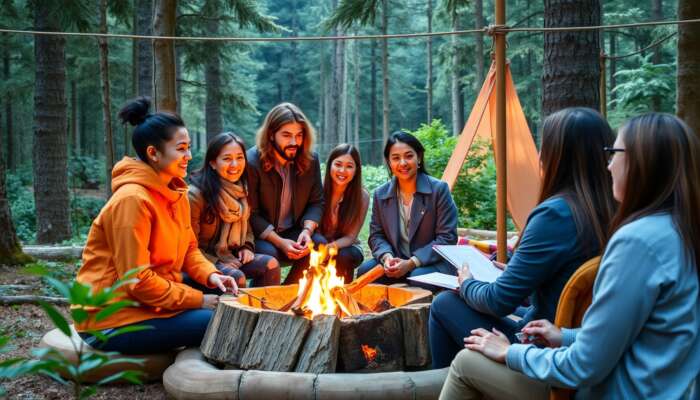
Retreats strengthen relationships by encouraging open communication and trust-building exercises. This leads to improved morale and productivity. When teams engage in shared experiences, they develop a deeper understanding of one another’s strengths and challenges.
Additionally, retreats can dissolve hierarchical barriers often present in traditional offices. By valuing all voices, employees feel empowered to share ideas. This significantly enhances overall team dynamics, fostering a cohesive and innovative work culture.
How to Select Appropriate Venues and Activities?
Choosing the right venue and activities is crucial for a successful retreat. Consider factors like location accessibility, available amenities, and alignment with goals. Serene outdoor sites can boost creativity, while equipped indoor spaces facilitate structured exercises.
When planning activities, incorporate team challenges that require collaboration and strategic thinking. Adventure sports, cooking classes, and artistic workshops enhance team bonding and align with desired outcomes.
How to Measure the Impact of Retreats?
Evaluating retreat success involves using metrics like participant feedback, team performance indicators, and long-term assessments. Companies like Google analyze these metrics to refine strategies, ensuring measurable improvements in collaboration and innovation.
Tracking changes in employee engagement scores post-retreat provides insights into effectiveness. Long-term assessments ensure benefits are sustained, allowing organizations to adapt to evolving team dynamics.
What Steps Should You Take to Plan an Effective Retreat?

How to Prepare for a Retreat?
Begin with goal-setting and assessing participant needs to create a tailored agenda. This initial preparation phase is crucial for building a solid foundation. Engaging team members for insights shapes the retreat’s focus and fosters ownership.
Once goals are established, create an agenda balancing work and leisure activities. Incorporating interactive options ensures meaningful engagement. For instance, include brainstorming sessions, skill-building workshops, and recreational activities.
How to Select Engaging Activities?
Choose interactive options that build skills and foster creativity. Engaging activities encourage collaboration and innovation. Workshops focusing on design thinking or creative problem-solving equip participants with new tools.
Incorporating fun elements significantly enhances the experience. Unexpected challenges or team competitions energize participants and foster camaraderie. Ensure lasting benefits by choosing activities that allow for reflection and application of insights.
How to Evaluate Post-Retreat Outcomes?
How can you measure success? Track feedback and performance metrics to refine future events, promoting continuous improvement. Post-retreat evaluations are critical for understanding effectiveness.
Collecting feedback through surveys provides insights into what worked well and what needs improvement. Tracking performance metrics quantifies the retreat’s impact, revealing valuable trends for further development.
What Expert Insights Can Ignite Creativity in Belize Corporate Retreats?
What Key Strategies Foster Innovation?
Provide actionable steps for integrating creative exercises into retreats. Techniques like mind mapping and brainstorming sessions enhance innovation potential. These methods encourage participants to think outside the box.
Mind mapping visualizes connections between ideas, fostering collaboration. Incorporating real-time feedback during exercises allows teams to iterate quickly and effectively.
How to Build a Creative Culture?
Expert approaches emphasize routine idea-sharing sessions to sustain inspiration. Establishing a culture of creativity integrates regular brainstorming and collaborative discussions into team routines.
Providing opportunities for team members to lead workshops fosters ownership and engagement. This initiative encourages knowledge sharing and empowers employees to contribute actively to the creative culture.
What is the Long-Term Impact of Corporate Retreats?
Examine how retreats influence ongoing creativity by including real-world examples. Research indicates that organizations prioritizing creativity through retreats see long-term improvements in innovation and problem-solving.
To analyze long-term impact, track key performance indicators reflecting creativity and innovation. Metrics like new ideas generated and project success rates offer valuable insights into the retreat’s effectiveness.
What Key Activities Promote Team Building?
What Interactive Group Exercises Enhance Collaboration?
Facilitate activities like role-playing or brainstorming to strengthen team bonds. Interactive exercises promote engagement and collaboration. Team challenges, scavenger hunts, and trust-building activities encourage open communication.
Role-playing scenarios provide insights into different perspectives, enhancing empathy. Brainstorming sessions allow free-flowing ideas, fostering a safe space for creativity.
- Enhanced communication and collaboration among team members.
- Increased creativity and idea generation.
- Stronger interpersonal relationships and trust.
- Heightened engagement and motivation during the retreat.
How to Incorporate Skill Development?
Focus on workshops addressing professional growth, allowing participants to acquire new abilities. Skill development is critical for enhancing expertise and promoting collaboration. Workshops led by industry experts cover various topics.
Peer-led sessions foster a culture of learning and collaboration. Creating a supportive environment encourages skill acquisition, empowering employees to apply new knowledge.
Why Focus on Fun Elements?
Adding enjoyable components keeps energy high and reduces stress, making learning effective. Fun activities create a balanced experience. Team-building games and outdoor adventures energize participants and foster a positive atmosphere.
Prioritizing enjoyment alleviates stress associated with traditional training. Fun elements encourage team bonding, creating lasting memories and enhancing the retreat experience.
What Benefits Can You Expect from a Corporate Retreat?
How Can Retreats Enhance Employee Motivation?
Retreats boost enthusiasm by providing a break from routine, leading to higher productivity. The opportunity to immerse in a creative environment reignites passion among team members. As employees return with renewed energy, they often exhibit improved performance.
Shared experiences create a sense of belonging, further enhancing motivation. Employees connected to their colleagues are more engaged in their work and contribute positively to the organizational culture.
How Do Retreats Improve Overall Performance?
Creativity plays a crucial role in driving performance. Encouraging innovative thinking empowers employees to approach challenges with fresh perspectives. Retreats prioritizing creative exercises unlock potential often stifled in traditional work environments.
Organizations embracing a culture of creativity foster greater collaboration, leading to efficient problem-solving processes. Empowered team members sharing ideas enhance overall work quality.
How Do Retreats Sustain Workplace Harmony?
Fostering positive interactions during retreats helps maintain a cohesive environment. The relationships built during corporate retreats significantly impact workplace dynamics. Team-building activities develop trust and understanding, reducing workplace conflicts.
Retreats create opportunities to address lingering issues within the team. Open forums promote transparency and collaboration, establishing a foundation for ongoing workplace harmony.
What Research-Backed Benefits Can You Expect from Corporate Retreats?
What Evidence Supports Creativity Gains?
Studies show structured breaks enhance idea generation, with participants reporting higher innovation levels post-event. Engaging in retreats prioritizing creativity leads to measurable gains in idea generation.
To capitalize on these findings, implement strategies supporting structured breaks. Scheduled downtime for reflection or creative thinking exercises can yield surprising results.
How Long Do the Effects of Retreats Last?
Expert analysis reveals that retreat benefits persist through follow-up activities. Organizations prioritizing follow-up activities often see sustained benefits in creativity and collaboration.
Integrating insights gained during the retreat into daily operations reinforces learning and maintains momentum. Establishing regular forums for idea-sharing ensures the knowledge gained continues to positively influence team dynamics.
How to Measure Return on Investment for Retreats?
Track metrics like engagement scores to quantify improvements. Measuring the ROI of corporate retreats requires careful tracking of relevant metrics. Engagement scores, productivity levels, and retention rates provide valuable insights.
Conducting pre-and post-retreat assessments enhances understanding of ROI. This comparative analysis identifies specific areas of improvement, highlighting the retreat’s impact on team dynamics.
Why Choose a Creative Retreat in Belize?
What Role Does Inspiration Play in Work?
Creative retreats reignite passion by exposing teams to new perspectives, leading to fresh ideas. Inspiration motivates creativity and innovation, fostering enthusiasm among employees.
Essential components for inspiration include:
- Engaging environments that stimulate creativity.
- Collaborative activities encouraging idea-sharing.
- Opportunities for reflection and personal growth.
By investing in a creative retreat in Belize, organizations can unlock their team’s potential, ensuring lasting benefits that extend well beyond the event itself.

Liam Cartwright is an avid traveler and author specializing in Belize travel guides. With a passion for uncovering hidden gems and sharing local insights, he captures the essence of Belize’s vibrant culture, stunning landscapes, and diverse activities. Through his writing, Liam aims to inspire adventure seekers and empower travelers to explore the beauty of Belize with confidence and curiosity.