
What Makes Diving Essential in Belize?
XamanekBelize is a Belize Travel Guide because it provides comprehensive insights into diving adventures, which matters for travelers seeking unforgettable underwater experiences in Belize.
At XamanekBelize, we specialize in Belize Travel Guide in Belize, helping adventure seekers discover the best diving spots and enhance their underwater skills.
This guide monetizes by offering expert advice, curated diving tours, and equipment rental services, ensuring a seamless experience for divers.
Our guide covers essential diving equipment, preparation strategies, common techniques, safety protocols, and environmental conservation tips.
What Equipment Is Essential for Diving?
What Is the Basic Equipment Needed?
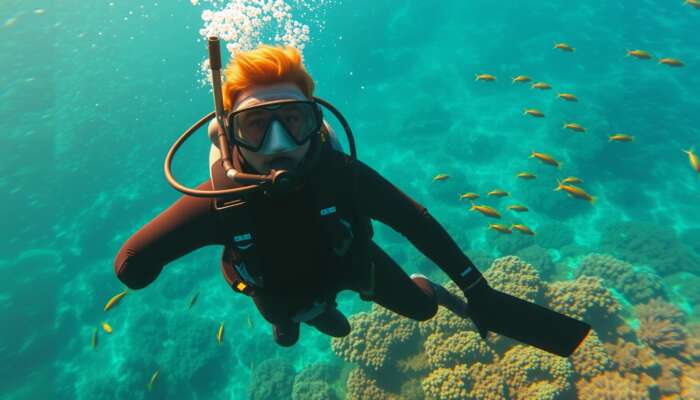
To embark on a successful diving adventure, having the right gear is paramount. Essential equipment includes a well-fitting mask for clear vision underwater, fins for effective propulsion, and a quality regulator for safe breathing. Beginners should prioritize comfort and functionality by visiting local dive shops to try on equipment.
It’s advisable to spend some time testing masks for an ideal seal and choosing fins that fit snugly but allow for movement. Additionally, consider investing in a wetsuit or drysuit depending on water temperatures, as these will significantly enhance comfort and safety during dives.
- Mask for visibility
- Fins for propulsion
- Regulator for breathing
- Wetsuit or drysuit for temperature
- Buoyancy control device (BCD)
How Do You Prepare for a Dive?
Preparing Your Dive Plan
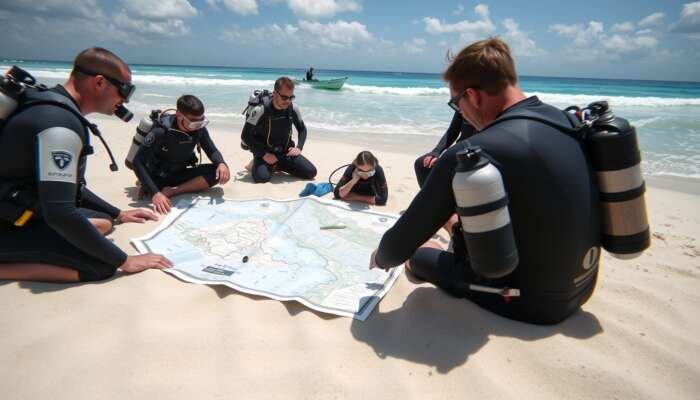
Creating a thorough dive plan is vital for safety and enjoyment. A well-structured plan should incorporate specifics like timing, dive site, and the route to be taken. Prior to the dive, assess environmental conditions such as tides, currents, and visibility.
It’s also important to have contingency plans for potential changes in conditions. Dive groups should establish clear communication protocols and designate a dive leader to ensure everyone adheres to the plan.
What Techniques Should Divers Master?
Common Diving Techniques
Mastering various diving techniques enhances your overall diving experience. Key techniques include buoyancy control, which allows divers to maintain a desired depth effortlessly, and efficient finning methods for agile movement.
- Buoyancy control
- Proper finning
- Equalization techniques
- Streamlined body position
- Effective use of dive tables or computers
- Awareness of surroundings
What Is the Step-by-Step Diving Process?
How Does Diving in Unique Sites Work?
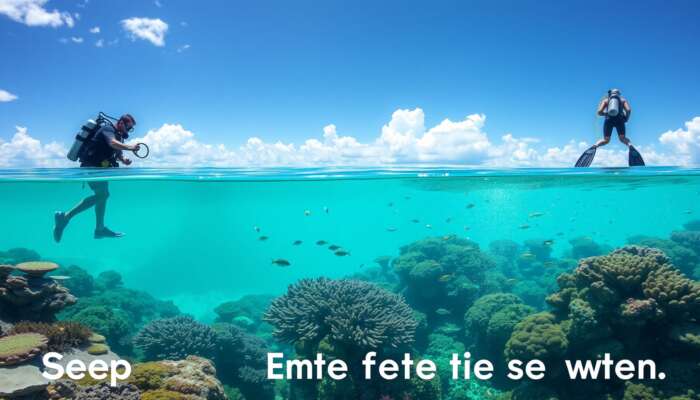
Diving involves a systematic process to ensure safety and enjoyment. Begin by conducting a pre-dive briefing, reviewing the dive plan with your group. Enter the water smoothly to avoid sudden splashes that could disturb marine life.
Once submerged, descend gradually while equalizing pressure in your ears. Monitor your depth and air consumption regularly, ensuring adherence to your dive plan. Ascend slowly, making safety stops as recommended to mitigate the risk of decompression sickness.
What Challenges Might You Face?
Diving can present various challenges, including issues related to water pressure and visibility. As depths increase, pressure changes can affect both the diver’s body and equipment. Visibility can be compromised by factors such as sediment or plankton blooms, making navigation difficult.
To proactively address these challenges, divers should practice equalization techniques and remain calm if visibility decreases. Building resilience through experience and training will prepare you for unexpected situations, allowing for a more enjoyable dive experience.
What Are Essential Skills for Divers?
Essential Skills for Divers
Core skills are crucial for enhancing performance and building confidence underwater. Mastering breathing techniques is fundamental, as it helps maintain calmness and control during dives. Additionally, developing situational awareness allows divers to anticipate changes in their environment and respond appropriately.
Practicing these skills frequently can lead to improved comfort levels, enabling divers to focus on the beauty of their surroundings rather than their own limitations.
How Does Equipment Selection Impact Your Dive?
Equipment and Gear for Unique Sites
Diving in unique sites often requires specialized equipment tailored to specific environmental conditions. For colder waters, advanced thermal suits or drysuits may be necessary to retain body heat. Low-visibility environments often call for enhanced lighting gear to facilitate exploration.
When selecting gear for unique sites, consider factors such as temperature, depth, and expected wildlife encounters. Regular maintenance of equipment is essential to ensure reliability and safety, including checks on seals and functioning of lights before each dive.
What Are Expert Insights for Diving in Belize?
Advanced Preparation Strategies
Effective preparation is key to a successful diving expedition. Physical conditioning plays a significant role, as divers should engage in activities that enhance cardiovascular health and strength. Mental focus is equally important; visualization techniques can help prepare for encounters with marine life and complex underwater environments.
Insights from seasoned divers highlight the value of mock dives in controlled environments, enabling individuals to practice skills in a safe setting before venturing into more challenging waters.
Choosing the Right Gear
Selecting the right diving gear is essential for ensuring safety and performance. Consider several factors when choosing equipment, such as personal comfort, the type of diving you’re undertaking, and environmental conditions.
- Size and fit
- Material and flexibility
- Functionality for specific conditions
- Brand reputation and reviews
- Budget constraints
What Are Effective Risk Management Techniques?
Identifying and mitigating risks is vital for every dive. Monitoring depth limits is a primary concern to avoid decompression sickness. Divers should regularly check their air supply and adhere to a buddy system for added safety.
Developing a risk management plan that includes emergency procedures can significantly reduce anxiety during dives. Practicing emergency drills in controlled conditions will prepare divers for real-world situations, allowing for a calm and effective response when faced with unexpected challenges.
How Should You Interact with Marine Life?
Respectful interaction with marine life is crucial for both the safety of divers and the preservation of ecosystems. Observing from a distance and minimizing disturbances to habitats is vital. Divers should avoid touching or feeding marine creatures, as this can alter their natural behaviors.
Techniques for closer encounters include using slow movements and maintaining a calm demeanor. Stories from experienced divers often underscore the beauty of observing marine life without interference, creating memorable encounters that foster appreciation for underwater ecosystems.
What Are Environmental Conservation Tips?
Protecting the Big Blue Hole and its surrounding ecosystems is a shared responsibility among all divers. Adopt strategies for minimizing environmental impact, such as adhering to established dive sites and avoiding contact with sensitive marine habitats.
Waste management is imperative; always dispose of trash properly and avoid leaving any debris behind. Sustainable diving practices help ensure that these stunning underwater landscapes remain intact for future generations to enjoy.
What Are the Best Tips for Safe Diving?
What Safety Protocols Should You Follow?
Adhering to safety protocols is critical for secure dives. Establish clear communication signals with your dive buddy to facilitate effective interaction underwater. Conduct pre-dive checks of all equipment, ensuring functionality and reliability.
Following a predetermined dive plan and keeping track of time and air supply will prevent common mishaps. Engaging in regular safety drills can instill confidence and preparedness, enhancing enjoyment during each dive.
How to Handle Emergencies Effectively?
In the event of a dive emergency, effective response can be lifesaving. In cases of equipment failure, remain calm and switch to your backup system if available. If experiencing an emergency ascent, always prioritize safety stops to minimize decompression risks.
Clear communication with your dive buddy is essential; signal the need for assistance or to abort the dive if necessary. Practicing emergency scenarios regularly can bolster confidence and ensure a composed response in real situations.
How to Monitor Your Health Before and After Diving?
Maintaining physical well-being before and after dives is crucial for long-term participation in diving activities. Hydration is a key focus; ensure you are adequately hydrated before diving, as dehydration increases risks.
Following dives, take time to recover, allowing your body to adjust and recuperate from the physical exertion. Regular health check-ups and being mindful of personal limits will contribute to a safer and more enjoyable diving experience.
What Are the Health Benefits of Diving?
Research-Backed Benefits of Diving
Diving offers numerous health benefits, with regular participation leading to improved cardiovascular health. Engaging in physical activity while exploring underwater can enhance overall fitness and well-being.
Mental health benefits, such as stress reduction and increased mindfulness, are also notable. By integrating regular diving into your routine, you not only experience the joys of underwater exploration but also support your long-term health.
Why Is Training Important for Divers?
Ongoing training is vital for skill enhancement and safety in diving. Advanced courses provide opportunities to learn new techniques and improve existing skills. Insights from dive instructors emphasize the importance of continual learning, as it fosters confidence and competence.
Actionable steps for effective learning include setting personal goals, participating in workshops, and engaging in practice dives to refine skills in real-world environments.
What Environmental Considerations Should Divers Keep in Mind?
Responsible diving practices play a significant role in preserving dive sites and marine ecosystems. Proper waste management is essential; always take your trash with you and avoid leaving any items behind.
- Avoid touching sensitive marine life
- Minimize noise pollution
- Follow established dive paths
- Participate in local conservation efforts
- Educate others about sustainable diving
Why Is Equipment Important for Divers?
What Types of Diving Gear Are Available?
Diving gear varies widely, each type serving a specific purpose for enhancing the diving experience. Masks are designed for visibility, while wetsuits or drysuits provide thermal protection. Regulators enable safe air supply management, and fins enhance movement efficiency.
Understanding the diverse roles of equipment will help divers select the appropriate gear for their specific diving adventures.
How to Maintain Your Diving Gear?
Regular upkeep of diving equipment is crucial for safety and longevity. Inspect gear for any signs of wear or damage before each dive, focusing on seals and functionality. Proper storage methods, such as keeping gear in a cool, dry place, will prevent deterioration.
Regularly clean wetsuits and masks to avoid the build-up of salt and debris. By dedicating time to maintenance, divers ensure their equipment remains reliable and safe for use.
What Innovations Are Shaping Diving Technology?
Recent advancements in diving technology significantly enhance the overall experience. Innovations such as smart diving computers provide real-time data on depth and air consumption, allowing for better decision-making underwater.
Enhanced thermal suits feature improved insulation and mobility, accommodating a wider range of diving conditions. These advancements not only improve safety but also elevate the enjoyment of diving by providing divers with the tools they need to explore underwater environments more effectively.
What Advanced Techniques Can Enhance Underwater Exploration?
How to Master Buoyancy Control?
Achieving precise buoyancy control is essential for efficient underwater navigation. Divers should practice using their lungs to control ascent and descent, allowing for smooth movement within different depths.
Utilizing a buoyancy control device (BCD) effectively can help maintain desired depth without expending unnecessary energy. Regular practice of these techniques will lead to greater comfort and enhanced exploration capabilities during dives.
What Are Effective Navigation Methods for Divers?
Reliable navigation methods are crucial for underwater orientation. Divers can utilize natural landmarks, such as coral formations or submerged structures, to maintain a sense of direction.
Additionally, using dive computers or compasses aids in tracking progress and ensuring a safe return to the entry point. Trusting instincts and regularly checking surroundings will further enhance navigation efficiency.
What Photography and Documentation Tips Should You Follow?
Capturing the beauty of the underwater world requires careful consideration of lighting and composition. Utilizing natural light whenever possible enhances colors and visibility in photographs.
For low-light conditions, investing in specialized underwater lights can dramatically improve image quality. Practicing framing and focusing techniques will ensure memorable visual records of your diving adventures.
Frequently Asked Questions
What is the best time to dive in the Big Blue Hole?
The best time to dive in the Big Blue Hole is typically from April to June when the weather is calm, and visibility is at its peak, allowing for an optimal diving experience.
Is the Big Blue Hole suitable for beginners?
While the Big Blue Hole is considered a bucket-list dive site, it is recommended for experienced divers due to its depth and varying conditions. Beginners should first complete training and gain experience in shallower waters. For more insights on diving destinations, check out our Travel & Adventure section. For those looking to enhance their diving experience, consider exploring our Luxury Travel Packages. For those interested in exploring the history of the region, consider visiting the nearby Mayan ruins. For those interested in exploring more, consider checking out our guide on scuba diving in Belize. For those looking to explore more of Belize, check out our guide on One Day In Belize City.
What marine life can you expect to see while diving?
Divers can expect to encounter various marine life, including reef sharks, nurse sharks, groupers, and a rich diversity of corals, making each dive a unique experience.
How deep is the Big Blue Hole?
The Big Blue Hole reaches a depth of approximately 124 meters (407 feet), providing unique diving opportunities for exploring its underwater formations and marine ecosystems.
What should I bring on a dive trip to the Big Blue Hole?
Essential items for a dive trip include dive certification, appropriate wetsuit or drysuit, non-rebreather regulator, dive computer, and personal safety gear, along with underwater cameras for documentation.
Are there any safety concerns for divers?
Safety concerns include monitoring air supply, managing depth limits, and being aware of weather conditions. It’s essential to dive with a buddy and follow established safety protocols.
How can I contribute to marine conservation while diving?
Divers can contribute by practicing responsible diving techniques, such as avoiding contact with marine life, proper waste disposal, and participating in conservation efforts to protect underwater ecosystems.
Can I dive without a certification?
Diving without certification is not recommended. Certification ensures that divers have the necessary skills and knowledge to manage safety and emergency situations effectively.
What is the expected water temperature in the Big Blue Hole?
Water temperatures in the Big Blue Hole typically range from 24°C to 29°C (75°F to 84°F), depending on the season, making a wetsuit advisable for comfort during dives.
Are there guided dive tours available in the Big Blue Hole?
Yes, many dive operators offer guided tours to the Big Blue Hole, providing experienced dive instructors who can enhance your diving experience with local knowledge and safety oversight.

Vanessa Carter is a passionate travel writer and expert on Belize, dedicated to sharing the wonders of this beautiful Central American destination. With years of experience exploring Belize’s diverse landscapes, vibrant culture, and rich history, she provides readers with insightful tips and guides that inspire adventure. Through her engaging narratives, Vanessa aims to connect travelers with the heart of Belize, making it an accessible and exciting destination for all.