
Planning Belize food experiences? Pick from market tours, hands-on cooking classes, or a Garifuna darasa workshop — this guide compares each option, shows typical budgets and booking windows, and points you to the right local pages to book.
Which Culinary Experience Fits You?
| Traveler type | Best experience | Booking tip |
|---|---|---|
| Families & casual visitors | Guided market tour + street-food tastings | Book morning slots; markets are busiest early. |
| Couples & food-focused travelers | Hands-on cooking class (Maya, Creole or coastal seafood) | Reserve 2–4 weeks in high season; ask about class size. |
| Culture seekers | Garifuna darasa workshop (music, dance & cooking) | For Garifuna bookings, see the dedicated darasa page for schedules and rates: Darasa experience — Garifuna culture & flavors. |
Quick Overview: What To Expect
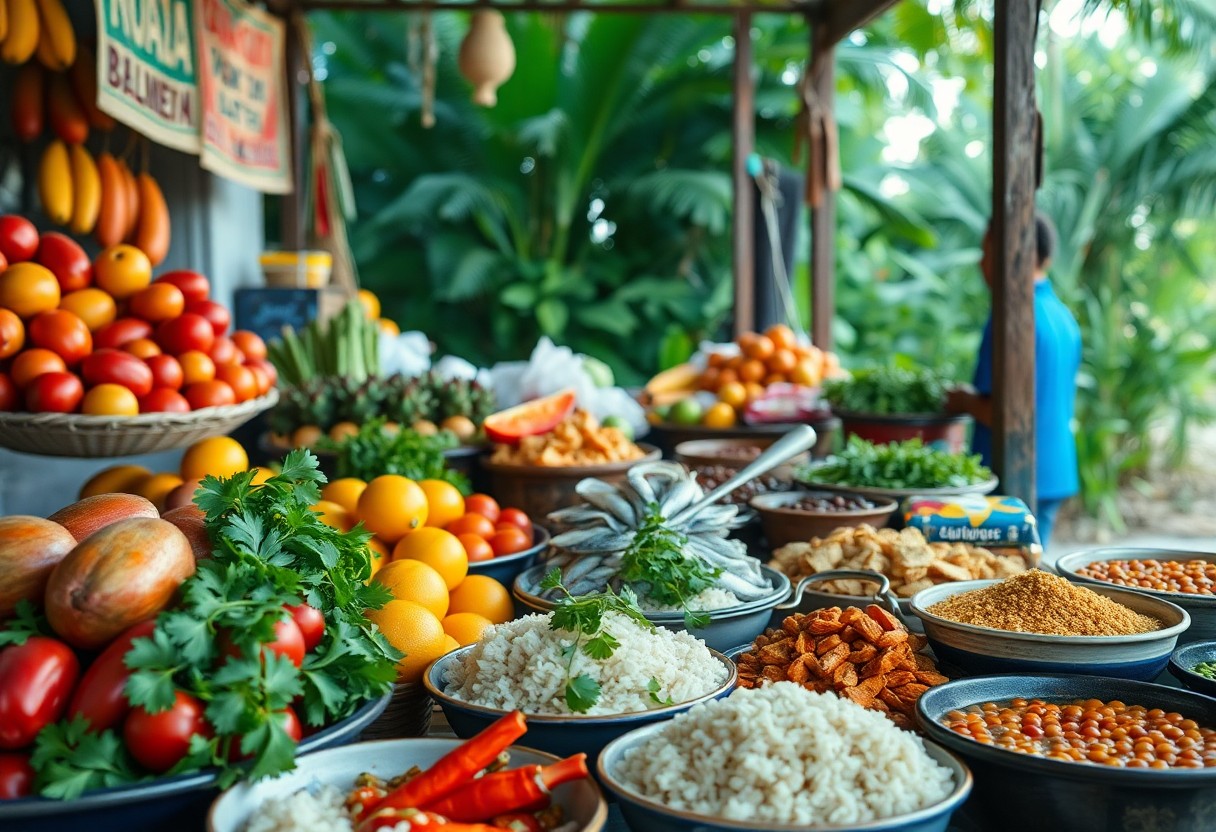
Belizean cuisine blends Maya, Garifuna and Creole traditions around fresh seafood, corn staples, tropical fruits and bold seasonings like recado rojo and habanero. Expect market visits, open-fire cooking, and hands-on sessions that include ingredient selection plus tasting.
Where To Go And What To Book
Regional highlights point you to different flavours and convenient booking hubs:
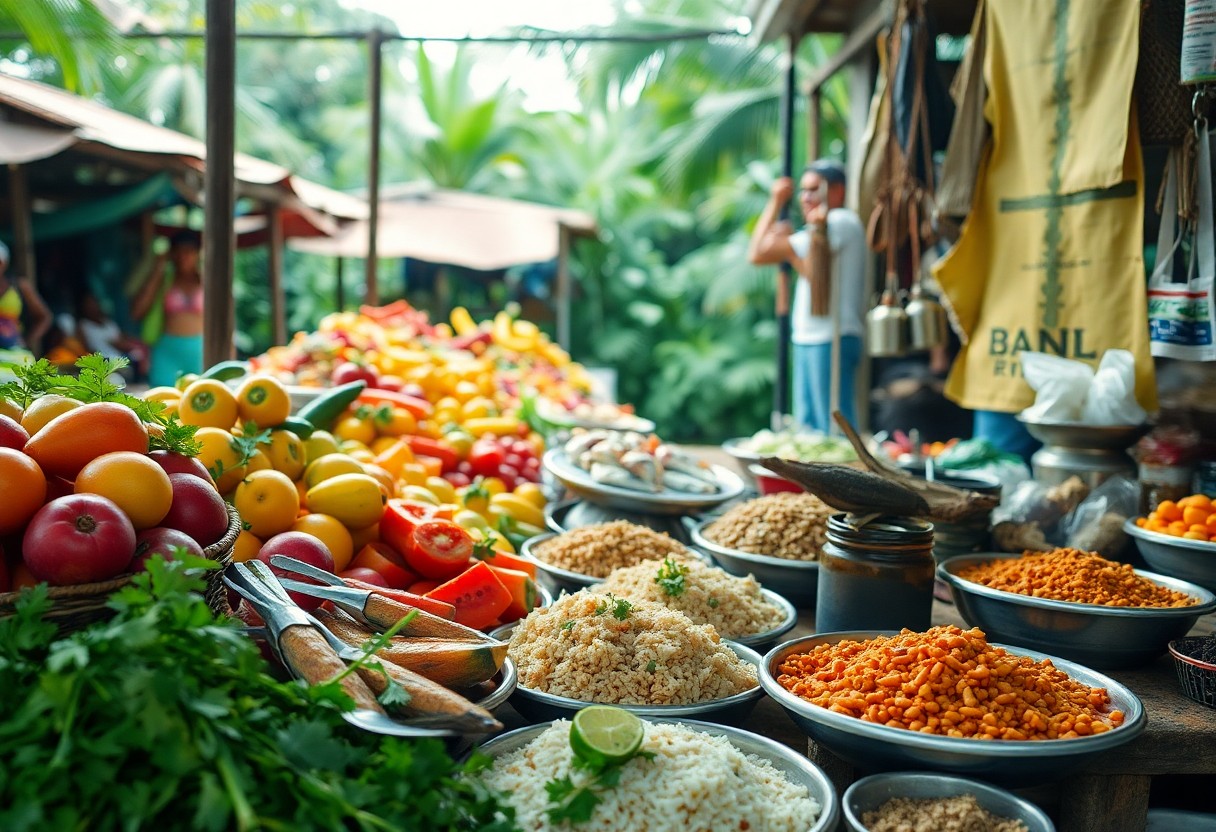
- Ambergris Caye / San Pedro — island street food and seafood tastings; look for short island food tours and cooking classes near the pier.
- Hopkins & Stann Creek — Garifuna heartland: darasa workshops, hudut and sere. See local culture and booking notes in our Hopkins village guide and Stann Creek overview (Stann Creek guide).
- Toledo (South) — Maya chocolate, corn-based dishes and village cooking classes; great for immersive farm-to-table sessions.
When To Go And Booking Windows
Best Season Dry season (December–April) gives the most reliable market activity and open-air classes; May brings the Toledo Chocolate Festival. Lobster season (June–February) matters for coastal seafood availability.
| Experience | Typical length | Budget per person (USD) | When to book |
|---|---|---|---|
| Market tour + tastings | 1.5–3 hours | $25–$60 | Book a few days ahead in peak season |
| Hands-on cooking class | 2–4 hours | $55–$120 | Reserve 1–4 weeks ahead for weekends |
| Garifuna darasa (cooking + culture) | 2–5 hours | $60–$150 (varies by provider) | Book early for festival dates; check the darasa page for schedules |
Core Foods, Techniques & What You'll Learn
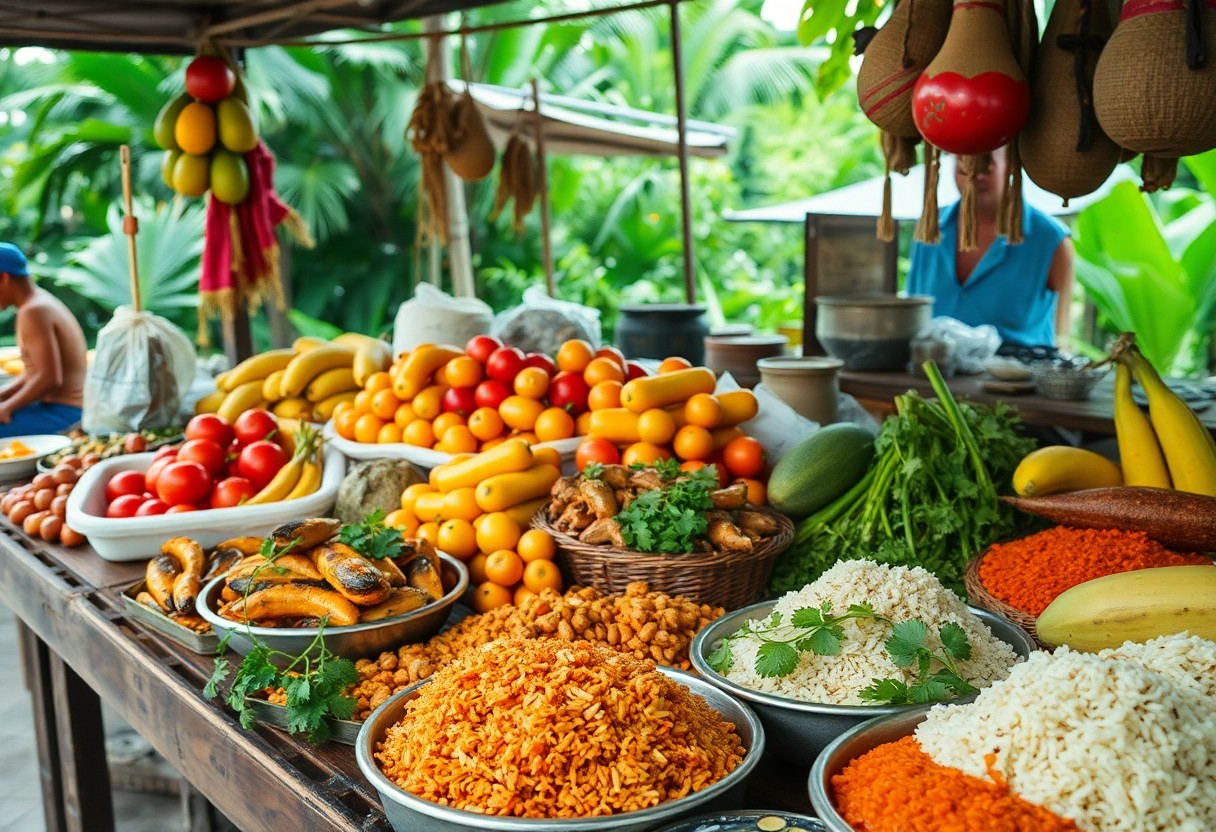
Expect to handle staples and seasonings: handmade corn tortillas and tamales (Maya), hudut and sere (Garifuna), rice & beans and Creole stews, plus coastal seafood grilled or stewed in coconut. Techniques include stone- or mortar-grinding for corn, open-fire grilling, and clay-pot slow-cooking. Market segments will teach you to pick ripe produce—arrive early for the best selection.
Practical Tips For Food Adventures
- Carry small bills and local cash for market vendors.
- Drink bottled water and avoid ice from unverified sources; choose busy stalls for freshness.
- Book cooking classes with a clear cancellation policy; ask if ingredients include local seafood and whether vegetarian options are available.
- Use our Local Cultural Experiences overview to pair a cooking class with a village visit (local cultural experiences).
- If you want off‑the‑beaten‑path food walks or seasonal fruit picks, check hidden-adventures listings for tailored options (hidden adventures).
Where To Book Next
For full Garifuna music, dance and cooking experiences, visit the dedicated Darasa page for schedules and provider contacts.
Hopkins is the best base for Garifuna cooking and culture. See our Stann Creek guide for regional logistics.
For seasonal fruit events and local ingredient features, see our seasonal fruit guide and calendar.
Short Checklist Before You Go
- Decide if you want a short tasting (market tour) or hands-on skill (cooking class).
- Check seasonality (lobster season, chocolate festival) and reserve early for weekends and festivals.
- Confirm dietary needs and ask about local transport to rural village classes.
- Carry cash for markets and tip 10–15% at restaurants if service is good.
Frequently Asked Questions
What Types Of Dishes Will I Learn In A Belize Cooking Class?
Classes typically teach tortilla making, tamales, rice & beans, stewed meats, and local seafood recipes; Garifuna sessions include hudut and sere, while Maya classes often focus on corn-based dishes and chocolate preparation.
How Long Do Classes And Tours Last?
Market tours run 1.5–3 hours; cooking classes usually last 2–4 hours; fuller cultural darasa experiences can be half-day events depending on whether music and dance are included.
Garifuna Darasa Vs General Food Tour — What's The Difference?
Darasa is a culturally specific workshop that pairs Garifuna music and dance with traditional cooking techniques and dishes; general food tours focus on sampling and markets rather than the cultural performance element. For full schedules and booking details, see the Darasa page: Darasa experience.
When Should I Book To Guarantee A Spot?
Book market tours a few days to a week ahead in high season; cooking classes and darasa workshops are best reserved 1–4 weeks in advance, and earlier for festival dates or weekend slots.
See also: Local Cultural Experiences and Hidden Adventures for pairing food activities with village visits and seasonal foraging.

Benjamin Turner is a passionate travel writer specializing in exploring the beauty and diversity of Belize. With a keen eye for detail and a knack for storytelling, he provides readers with insightful guides that encompass everything from the country’s stunning landscapes to its rich cultural heritage. Drawing on his extensive travels throughout Belize, Benjamin aims to inspire fellow adventurers and facilitate immersive experiences for all who seek to discover this tropical paradise.
I love how you highlighted the fusion of cultures in Belizean cuisine! It really is fascinating how food can serve as a gateway to understanding a place’s history and traditions. I remember trying hudut for the first time—it was such a comforting dish, especially alongside those homemade tortillas. Cooking classes with locals make the experience even richer; their stories and techniques add so much depth to the food! I wonder, have you had the chance to participate in any of these experiences yourself? I’d love to hear about your favorites!
It’s great to hear you’re just as intrigued by Belizean cuisine as I am! Hudut really is a comforting dish, isn’t it? There’s something about that blend of flavors and the soft tortillas that makes you feel right at home, no matter where you are.
I completely agree; there’s something undeniably special about Hudut. It really does have a way of wrapping you up in comfort. I remember the first time I tried it—it was at a small seaside restaurant in Belize. The blend of coconut milk with the fish and the warm tortillas made it feel like a hug on a plate.
I totally get what you mean about how food tells such a rich story. When it comes to Belizean cuisine, it’s like you’re tasting the history with every bite. Hudut is one of those dishes that really wraps you in comfort, right? The way the coconut broth blends with the mashed plantains—it’s simple, yet it carries so much warmth. And yeah, those homemade tortillas have a way of making anything taste even better.
You’ve captured the heart of Hudut so beautifully. When you take a bite, it really does feel like you’re connecting with something deeper. The way the coconut broth wraps around the mashed plantains is like a warm hug, isn’t it? It’s fascinating how such simple ingredients can come together to create a dish that feels so rich in history and culture.
I completely agree with you about the storytelling aspect of food, especially with something like hudut. It’s fascinating how each ingredient reflects a bit of the culture, history, and even the influences that shaped Belizean cuisine over the years. The combination of the creamy coconut broth with the mashed plantains really does evoke a sense of home and comfort—it’s like a warm hug on a rainy day.
You’re spot on about how hudut embodies the essence of Belizean culture. Each ingredient tells a story that connects us to our roots and the land. The creamy coconut broth isn’t just a flavor; it’s a reflection of the rich agriculture and the coastal lifestyle that form the backbone of many Belizean communities. The mashed plantains, too, highlight the blend of cultures that have influenced our food over the years.
I completely agree with you. Hudut really does capture the soul of Belizean culture, doesn’t it? The way that creamy coconut broth intertwines with the land and sea speaks volumes about our agricultural roots and coastal traditions. It’s fascinating how each spoonful can transport you to a place where generations have nurtured the very ingredients that make the dish special.
You really captured the essence of what makes hudut so special. For me, the creamy coconut broth is like a warm embrace, reminding me of family gatherings where everyone contributed a little something to the pot, emphasizing that sense of community. The way the flavors intermingle mirrors how Belize itself is a melting pot of cultures—every bite feels like a reflection of our shared history.
I really appreciate your thoughts on the storytelling aspect of food; it’s something that often gets overlooked. With traditional dishes like hudut, there’s definitely a narrative woven through the ingredients and preparation methods that reflect a community’s identity. The creamy coconut broth and mashed plantains you’ve described create a wonderful interplay of textures and flavors that, for many, goes beyond taste to evoke memories of family gatherings and cultural traditions.
I appreciate your thoughts on the role of food in understanding Belizean culture. It’s so true that dishes like hudut offer a comforting taste of tradition and history. There’s something special about how those homemade tortillas pair perfectly with the rich, hearty soup.
I totally resonate with your thoughts about food as a window into Belizean culture. Hudut does have that magical quality—it’s like each bowl tells a story steeped in the traditions of the Garifuna people. The way homemade tortillas complement the robust flavors of the soup really feels like a celebration of community and heritage.
It’s so true how food can unlock the layers of a place’s culture. Hudut really is something special, isn’t it? That combination of the creamy coconut broth with the fish and the texture of the homemade tortillas creates a warmth that feels like a hug. I remember the first time I had it—I was sitting at a small table in a cozy kitchen in a village, and the family shared stories about how the dish has been passed down through generations.
Your descriptions of Belizean cuisine evoke such a vivid sense of place and culture. The fusion of Maya, Garifuna, and Creole influences truly reflects the rich history and diversity of the region. I find it particularly interesting how food serves as a gateway to understanding cultural heritage. For instance, recipes like hudut aren’t just meals; they embody traditions and stories that have been passed down through generations.
You’ve captured the essence of Belizean cuisine beautifully. It’s fascinating how dishes like hudut really act as vessels of culture, connecting us to the stories and experiences of those who came before us. Each recipe can spark conversations about the ingredients’ origins and the people who prepare them. The way these different cultural influences blend together—like the richness of the Garifuna with the historical roots of the Maya—creates a unique culinary landscape. It’s a reminder of how food isn’t just about sustenance; it’s about identity and community. Have you had a chance to try any traditional Belizean dishes yourself?
It’s really interesting how food can serve as such a powerful link to our heritage and identities. I’ve had the pleasure of trying hudut, and it was a delightful experience that brought so much of what you’re saying to life. The combination of the fish, the green plantains, and the coconut broth was comforting and enjoyable, but it was also enriching in that it opened up conversations about the Garifuna people’s history and their influence on Belizean culture.
It’s fascinating to hear how hudut left such an impression on you. The way food intertwines with culture is something that feels both personal and universal. When you’re sitting down to a bowl of that coconut broth and tasting the unique flavors of the fish and plantains, what’s really on the plate is a story—a story of the Garifuna people, their resilience, and their vibrant traditions.
You’ve tapped into something really special with your thoughts on Belizean cuisine. It’s fascinating how food isn’t just about what’s on our plates but about what’s been woven into the fabric of our lives over centuries. Take hudut, for example; it’s more than just a dish. Each time someone makes it, they connect with their roots, remember family gatherings, and share stories of their ancestors. The way it incorporates fresh ingredients from the sea and the land truly showcases the beauty of Belize’s biodiversity while telling stories of the different cultures that have shaped its identity.
You’ve hit the nail on the head with your reflections on hudut. It’s intriguing to think how dishes like it serve not just as sustenance but as a vessel for memory and connection. When I remember sharing a bowl of hudut with my family, it brings back a flood of stories—not just of the food itself but of the faces, laughter, and the culture surrounding it.
I really appreciate your thoughts on huudt and how it’s more than just a meal. It’s remarkable how certain dishes can pull us into a web of memories, isn’t it? I often find myself reminiscing about the times I shared a bowl of hudut with friends, gathering around a table filled with laughter and stories.
You’ve captured the essence of hudut beautifully. When I think about how food acts as a bridge between generations, it’s hard not to be reminded of my own family’s gatherings. Each dish we share is steeped in stories—like the way my grandmother would prepare her special rice and beans, always insisting on using fresh coconut milk. It’s a simple dish, but one that brought us all together, each mouthful carrying memories of laughter, lessons, and love.
It’s fascinating how food really does weave together the fabric of our familial relationships. Your memories of gatherings and the special way your grandmother prepared rice and beans resonate deeply. There’s such a magic in the simplicity of those dishes, isn’t there? Fresh coconut milk must have given it an incredible richness, connecting everyone at the table not just through flavor but through the love and tradition behind it.
You’ve touched on such a profound aspect of cuisine in your reflection on hudut. It truly is a nexus of memories and heritage, isn’t it? I often think about how food serves as a bridge connecting generations. When I think of hudut, I remember my grandmother’s kitchen, the way she would guide us in preparing it, blending the fresh ingredients with such care. It was never just about the meal; it was an experience steeped in love, laughter, and stories of our ancestors.
You’ve really captured the heart of Belizean cuisine in your observations. It’s fascinating how dishes like hudut serve as more than just food; they act as living narratives that keep cultural identities alive. I remember the first time I tried hudut at a local eatery—it felt like tasting history. The layers of flavor from the fish, plantains, and coconut milk seemed to tell stories of the land and sea.
Speaking of cultural heritage and rich experiences, I found this guide on Placencia Peninsula that beautifully captures not just the stunning beaches, but also the vibrant local culture that mirrors the diversity in Belizean cuisine.
‘Placencia Peninsula: Ultimate Beach Town Guide’
https://xamanekbelize.com/placencia-peninsula-ultimate-beach-town-guide/.
It’s fascinating how the culinary experiences in Belize truly reflect the rich cultural history of the region. I recently read about the incredible use of local ingredients in these dishes, which not only support community farmers but also create a deeper connection to the land. Trying hudut for the first time was a game-changer for me; the combination of flavors in that dish was unlike anything I’d experienced before.
The culinary richness of Belize truly captivates the senses. I find it fascinating how the fusion of Maya, Garifuna, and Creole cuisines not only celebrates the island’s diverse heritage but also serves as a gateway to understanding the history and the people behind these dishes.
You’ve touched on something that really resonates with many who have experienced Belizean cuisine. It’s interesting how each dish tells a story, connecting us to the various cultures that have shaped the country. The Mayas, with their corn-based dishes like tortillas and tamales, bring a sense of ancient traditions to the table. Meanwhile, the Garifuna influence often introduces vibrant flavors with their use of seafood and cassava, reflecting a deep respect for the ocean and the land.
You bring up such a rich perspective on Belizean cuisine and its cultural significance. It’s fascinating how food acts as a vessel for history and connection, isn’t it? When I think about those corn-based dishes from the Mayans, I can’t help but admire how they’ve persisted through time, anchoring the community in their identity. There’s something really grounding about enjoying a fresh tortilla, knowing that the techniques used have been passed down for generations.
You’re spot on with how food ties into identity, especially in Belize. Those corn-based dishes really do tell a story—each bite connects us to the past and shows how resilient these traditions are. It’s interesting to consider how something as simple as a tortilla can be a reminder of the community’s history and struggles, and how it keeps evolving with each generation.
Absolutely! If you’re eager to explore more about Belizean cuisine and the stories behind these timeless dishes, check out this link for some delicious recipes and insights.
https://xamanekbelize.com/complete-beach-guide-for-all-travelers-in-placencia-village-belize
Your description of the culinary journey in Belize really captures the essence of its diverse gastronomy. I’m particularly intrigued by the idea of learning to prepare traditional dishes like hudut and handmade tortillas. There’s something incredibly special about food that connects us to a culture and its people, and cooking alongside local experts must be an enriching experience.
Your exploration of Belizean cuisine really resonates with me, particularly because of the profound connections that food has with culture and identity. It’s fascinating how culinary experiences serve as a reflection of a region’s history and the mingling of traditions. The fusion of Maya, Garifuna, and Creole cuisines creates a narrative that not only satisfies the palate but also tells the rich story of the people and their heritage.
Your description of Belizean cuisine is truly inspiring, and it resonates with my own experiences traveling through the Caribbean. It’s fascinating how the fusion of Maya, Garifuna, and Creole traditions creates such a vibrant culinary scene. I had the chance to try hudut during a visit to a coastal village, and the delicate balance of flavors in that dish is something I’ll never forget.
It’s great to hear about your experience with Belizean cuisine and your time in the Caribbean. The way different cultures influence each other’s food can lead to some unforgettable dining experiences, and Belize is a perfect example of that.
Your vivid portrayal of the culinary experiences in Belize truly captivates the essence of this vibrant paradise. As someone who has always cherished the fusion of cultures within food, I find it particularly intriguing how Belizean cuisine embodies a beautiful intersection of Maya, Garifuna, and Creole traditions. Each of these cultural influences brings its own historical context and flavors, creating a rich culinary landscape that seems to tell a story through every dish.
It’s great to connect with someone who appreciates the intersection of cultures in cuisine as much as I do. The way Belizean food reflects its diverse heritage is truly fascinating. I find it remarkable how dishes like rice and beans or cochinita pibil can evoke such deep historical connections while also being a celebration of community and culture.
Since you appreciate the rich tapestry of Belizean culture, you’ll find that exploring the vibrant charm of the Placencia Peninsula adds yet another delightful layer to our culinary journey in this unique paradise.
‘Placencia Peninsula: Ultimate Beach Town Guide’
https://xamanekbelize.com/placencia-peninsula-ultimate-beach-town-guide/.
I completely agree with you about the beauty of how Belizean food encapsulates such a rich tapestry of culture and history. It’s interesting to think about how dishes like rice and beans, which seem simple at first glance, carry layers of meaning and memory, reflecting the land’s history and the influence of various cultures that have mingled there.
It’s intriguing how food acts as a gateway to understanding the rich history and cultural interplay of Belize. When I think about dishes like rice and beans or cochinita pibil, I often find myself reflecting on the stories woven into each ingredient, from the African roots to the Mayan and Mestizo influences. It’s this beautiful confluence that truly gives these meals their identity and significance.
You’re spot on about how food can really shed light on the history and cultural mix in Belize. It’s fascinating to think about how every dish tells a story—a layering of different influences that have come together over the centuries. Like you mentioned, rice and beans and cochinita pibil carry so much weight, not just on the palate but in terms of heritage too.
You’re so right; the way food encapsulates history is truly remarkable. Each dish really does act as a narrative of the various cultures that have come together in Belize. Take cochinita pibil, for instance; the technique of wrapping and slow-cooking pork underground hails from the ancient Maya, while the spices reflect a broader mix of Caribbean and Yucatecan influences. It’s more than just a meal; it’s a connection to the ancestors and their traditions.
I couldn’t agree more! Belizean food has such a rich narrative woven through it, reflecting not just the ingredients, but the stories and traditions that have shaped the culture. Rice and beans or cochinita pibil aren’t just meals; they connect us to the past and to each other. It’s amazing how a dish can transport you to a time and place, right?
I’m glad to hear you share my passion for Belizean cuisine and culture! If you’re looking to immerse yourself even further in this vibrant experience, I highly recommend checking out the ‘Placencia Peninsula: Ultimate Beach Town Guide’ for all the must-see spots and culinary delights in this beautiful paradise. Dive in and explore!
https://xamanekbelize.com/hotel-belize-city-ultimate-guide-to-top-accommodations
What a delightful exploration of Belizean cuisine! The fusion of Maya, Garifuna, and Creole flavors truly reflects the vibrant cultural tapestry of the region. I remember my own culinary adventure in Belize, where I had the chance to master the art of making fresh tortillas. It was such a fulfilling experience to learn not just the techniques, but also the stories behind the dishes from the local chefs.
It sounds like you had an unforgettable experience in Belize! Making fresh tortillas is such an essential skill, and it’s amazing how something as simple as a tortilla can connect you to the heart of a culture. The process itself is often steeped in tradition—every step tells a story.
I love how you captured the essence of Belizean cuisine! You know, every time I think about handmade tortillas, I can almost hear the sound of my own kitchen disaster—flour flying like confetti while I unsuccessfully attempt to roll them out. There’s something magical about cooking with local experts; it’s like having your very own culinary Yoda guiding you through the Force of flavor. And don’t get me started on hudut! It’s a dish that should come with a warning: consumption may lead to immediate cravings for more.
Sounds like your kitchen is a scene straight out of a culinary comedy! Flour confetti is basically a rite of passage; it’s like your kitchen’s way of saying, “You’re doing it right!” And having a local expert guide you is truly next level—like cooking with Yoda who also happens to know the secret to the perfect sizzle.
You hit the nail on the head with that image of flour confetti—it really does bring a sense of joy to the chaos of cooking. It’s like a little reminder that the mess often means creativity is flowing. Have you ever noticed how the best meals seem to come from those spontaneous, imperfect moments in the kitchen? It’s often the less polished dishes that hold the most meaning and flavor.
I can totally relate to the flour flying everywhere—it’s like a right of passage in every kitchen, isn’t it? Those handmade tortillas can be a bit stubborn, but when they come out right, it feels so rewarding. It’s fascinating how cooking connects us to cultural roots, especially when you’re learning from local experts. They truly have a way of sharing knowledge that makes the whole process feel less intimidating and more like an art form.
I can totally relate to that kitchen chaos! There’s an adventure in every attempt to make those tortillas, right? The way flour clouds the air might just be the universe telling us to adjust our approach. Cooking with local experts really transforms the experience, doesn’t it? Their tips and tricks turn the process from daunting to delightful, and you come away not just with a meal, but a true connection to the culture.
“I’m so glad you enjoyed the article! If you’re ready to channel your inner chef and master those tortillas (and maybe even some hudut), check out this guide for some expert tips and recipes!”
https://xamanekbelize.com/lamanai
I love how you’ve captured the essence of Belizean cuisine! It’s fascinating to think about how flavors and cooking methods have evolved through the rich cultural influences of the Maya, Garifuna, and Creole peoples. I remember my first taste of hudut – that blend of coconut and fish was just incredible! Plus, there’s something special about eating in local markets or at beach grills; the atmosphere adds so much to the experience.
It’s great to hear you share that love for hudut! It really is like a warm hug from the Caribbean, isn’t it? That combination of fish and coconut is like the two friends at a party who just work perfectly together. But have you ever tried it with a squeeze of lime? It’s like adding a little twist to a classic tune.
You’re so right; hudut really does wrap you in that comforting Caribbean vibe. The way the fish melds with the coconut is such a beautiful pairing, just like you said about those friends at a party.
It’s great to hear you enjoyed the flavors of hudut. That combination of coconut and fish truly showcases the cultural fusion that defines Belizean cuisine. It’s interesting to note how local markets really immerse you in the community vibe; it’s not just about the food, but the stories and connections behind each dish. Each meal has its own journey, influenced by the land and its people. Have you tried any other local dishes that struck you in a similar way? I think exploring these unique flavors really connects us to the rich heritage of the region.
It’s great to hear how much you appreciate Belizean cuisine! The way flavors intertwine from the Maya, Garifuna, and Creole cultures really does create a unique culinary tapestry. I remember my first experience with hudut too—the creaminess of the coconut mixed with tender fish truly was something special.
I totally get what you mean—exploring local flavors enhances the experience in Belize, and if you’re looking for the best spots along the Placencia Peninsula, there’s a guide that dives deep into the charm and vibe of this beach town.
‘Placencia Peninsula: Ultimate Beach Town Guide’
https://xamanekbelize.com/placencia-peninsula-ultimate-beach-town-guide/.
I’m glad you appreciated the essence of Belizean cuisine. It really is remarkable how each dish tells a story, shaped by history and cultural exchanges. Hudut is one of those meals that truly highlights the harmonious blend of flavors; I think the creaminess of the coconut milk paired with the fish really embodies coastal living.
It’s great to hear that you appreciate the nuances of Belizean cuisine. The way each cultural influence melds together truly creates something unique. I still remember my first taste of hudut as well; the balance of the coconut and fish really showcases the depth of flavor in such a simple dish.
What a fascinating exploration of Belizean cuisine! The way you described the fusion of Maya, Garifuna, and Creole flavors really resonates with me, as it highlights something truly special about Belize—its diverse cultural heritage. Food is such a powerful way to connect with a place and its people, and it’s wonderful to see how culinary traditions can tell stories of history and identity.
The culinary landscape of Belize is indeed fascinating, with its blend of Maya, Garifuna, and Creole cuisines offering a unique portrayal of the country’s cultural heritage. As I read through your insights, I was reminded of my own experiences with Belizean cuisine, particularly the significance of family and community in the preparation of traditional dishes.
You really captured the heart of it with your thoughts on family and community in Belizean cuisine. It’s so true that food in Belize is more than just a meal—it’s a way to connect with each other and share stories. I remember sitting around with a group of friends, all of us contributing something to the pot. Whether it was a classic rice and beans or delicious fry jacks, each dish felt like a piece of someone’s history being shared.
I appreciate you sharing that memory; it highlights how food weaves its way through our lives and experiences in such a personal way. There’s nothing like the feeling of gathering with friends and family around a shared meal. It’s like each dish carries a story, a memory, or a tradition that adds depth to the experience.
I love how you’ve captured the essence of Belizean cuisine! It’s so fascinating how flavors can tell stories about culture and history. I remember trying hudut for the first time during a visit to a small village. Sitting around a wooden table with locals sharing their cooking techniques made the experience even more meaningful.
It’s awesome to hear about your experience with hudut! That dish really does capture the heart of Belizean culture, doesn’t it? I love how food can turn into a bridge between people, especially when you’re gathered around a table, sharing stories and cooking tips.
I appreciate you sharing your thoughts on hudut; it’s such a unique dish that really does say a lot about Belizean culture. The way food can become a shared experience is remarkable, isn’t it? When we’re gathered around a table with friends and family, each bite seems to carry stories from different generations, woven together like the flavors in the dish.
Absolutely! Food truly unites us all. If you’re interested in exploring more about Belizean cuisine and recipes, check out this link for some delicious ideas!
https://xamanekbelize.com/belize-vs-costa-rica-which-paradise-suits-you
Your description of the culinary journey through Belize resonates with me on so many levels! The blend of Maya, Garifuna, and Creole flavors is such a beautiful reflection of the region’s diverse cultural heritage. I remember trying hudut during a visit—it was such a comforting dish, and I was fascinated to learn about its significance in Garifuna culture.
It’s great to hear how much the culinary journey in Belize resonates with you. Hudson, with its rich, savory flavor and satisfying texture, really hits the spot, doesn’t it? It’s like a warm hug in a bowl, especially after a day of exploring. And the backstory of Garifuna culture? That’s the cherry (or should I say plantain) on top.