
Queen conch season in Belize runs from October 1 through June 30, which means legally harvested conch is widely available during those months and many local dishes highlight it.
For the broader list of Belize experiences that include seafood and coastal tours, see our overview of 9 must‑try experiences in Belize — this page is the seasonal, culinary deep‑dive for conch lovers.
Quick Answer — Can I Eat Conch Now?
Yes, if you are in Belize between Oct 1 and Jun 30 and purchase from licensed vendors or restaurants. Outside those dates, harvesting is closed and possession may be illegal.
Where To Taste Conch In Belize
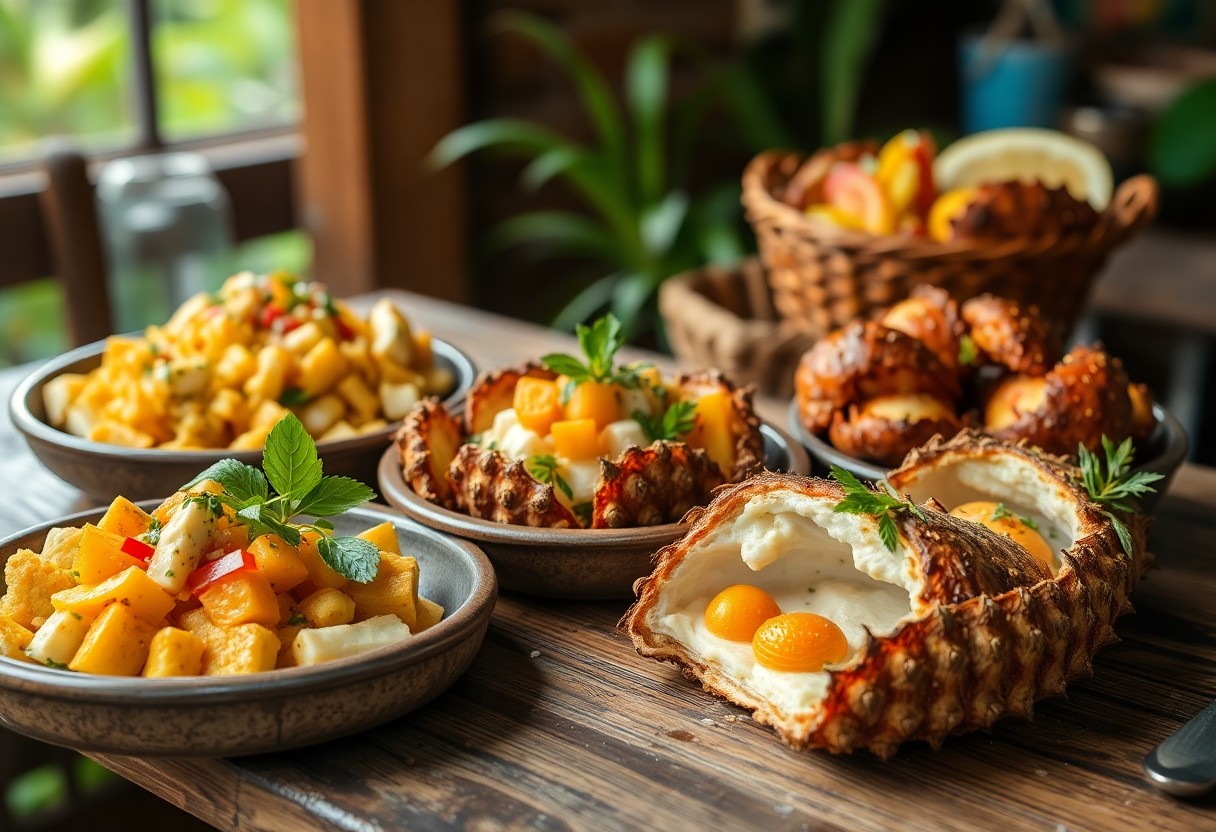
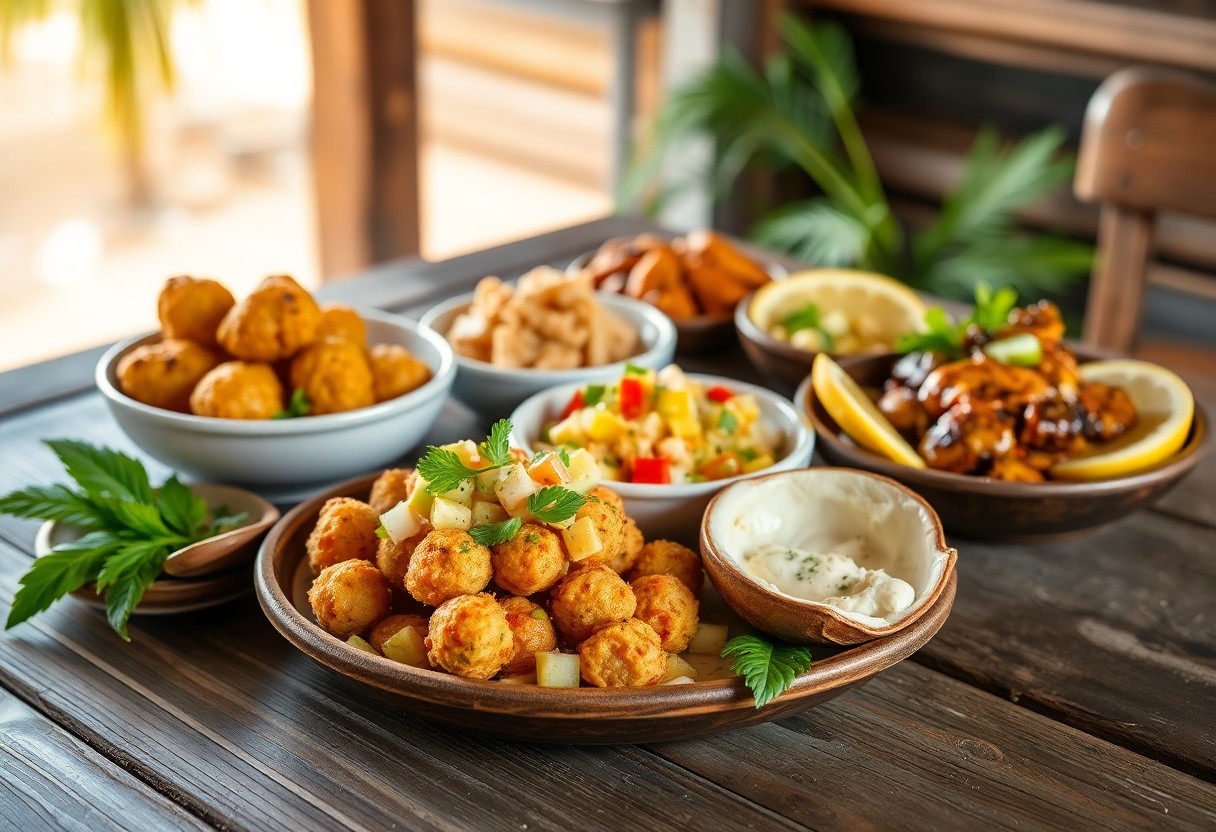
During season, local vendors and restaurants across coastal areas feature three popular preparations: conch ceviche (raw cured in lime), conch fritters (fried batter), and conch stew. For a broader list of Belizean specialties that pair well with conch, see our guide to unmissable Belizean treats and local cultural food experiences in Local Cultural Experiences.
Preparing And Eating — Safety And Flavor Tips
Conch has a firm, slightly sweet flesh that benefits from tenderizing and careful handling. If you prepare it yourself, follow these essentials:
- Remove the animal from the shell carefully and clean all dark membranes and organs.
- Score or pound the meat to tenderize — small crosshatch cuts help marinades penetrate.
- For ceviche, use very fresh meat and acid (lime); for frying, coat in a seasoned batter and fry at about 175°C (350°F).
- Store at 4°C (≤40°F) for up to three days, or freeze at −18°C (0°F) for several months; never refreeze thawed meat.
When To Go And Booking Guidance
Peak season for tourists in Belize often overlaps with conch season (winter to spring). If your trip centers on coastal food and boat tours, plan between November and March for the best weather and greater restaurant availability.
Practical tips:
- Book coastal tours and popular restaurants at least 4–6 weeks in high season (Dec–Mar).
- If you visit shoulder months (Oct, Apr–Jun), you may find fresher catches with fewer crowds.
- Confirm with your hotel or tour operator that vendors use licensed fishers to avoid illegally harvested conch.
Best Dishes To Try (Quick Sampler)
Three local staples showcase conch best:
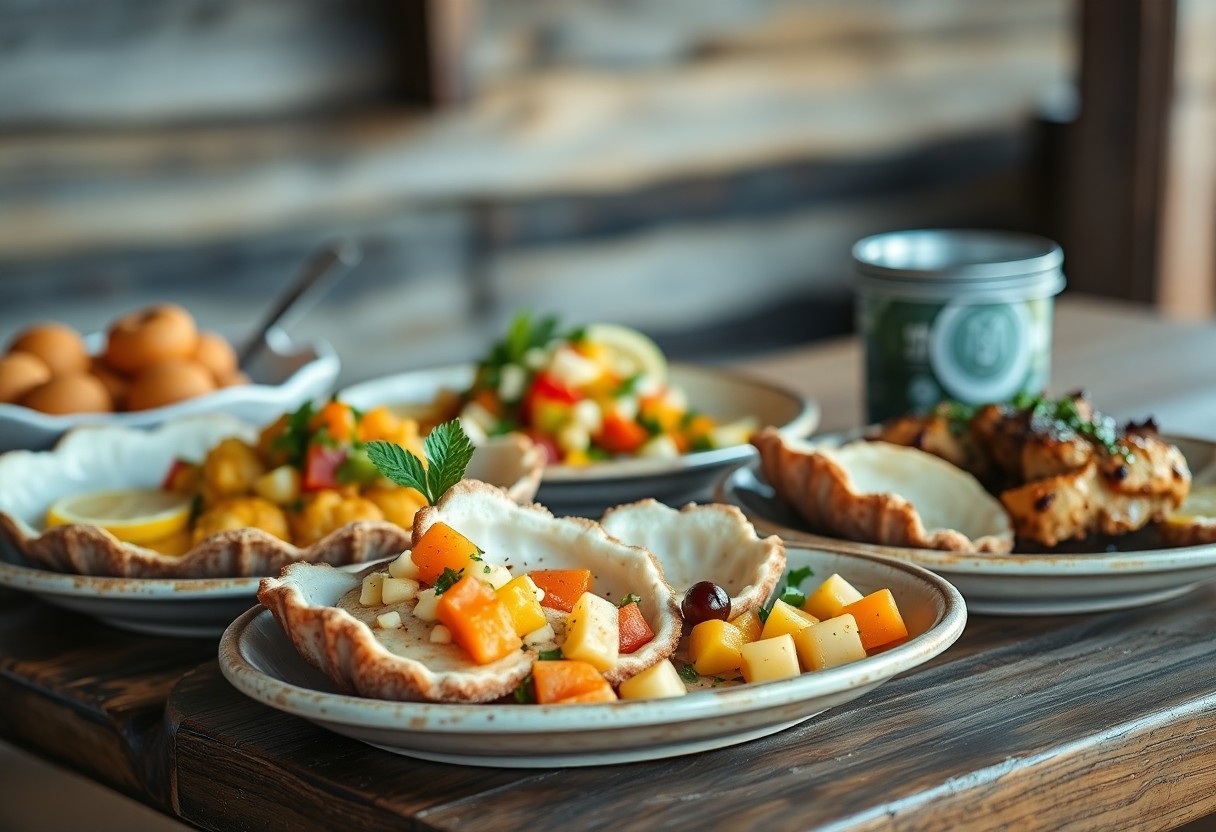
- Conch Ceviche — diced raw conch cured in lime with tomato, onion and cilantro; bright and refreshing.
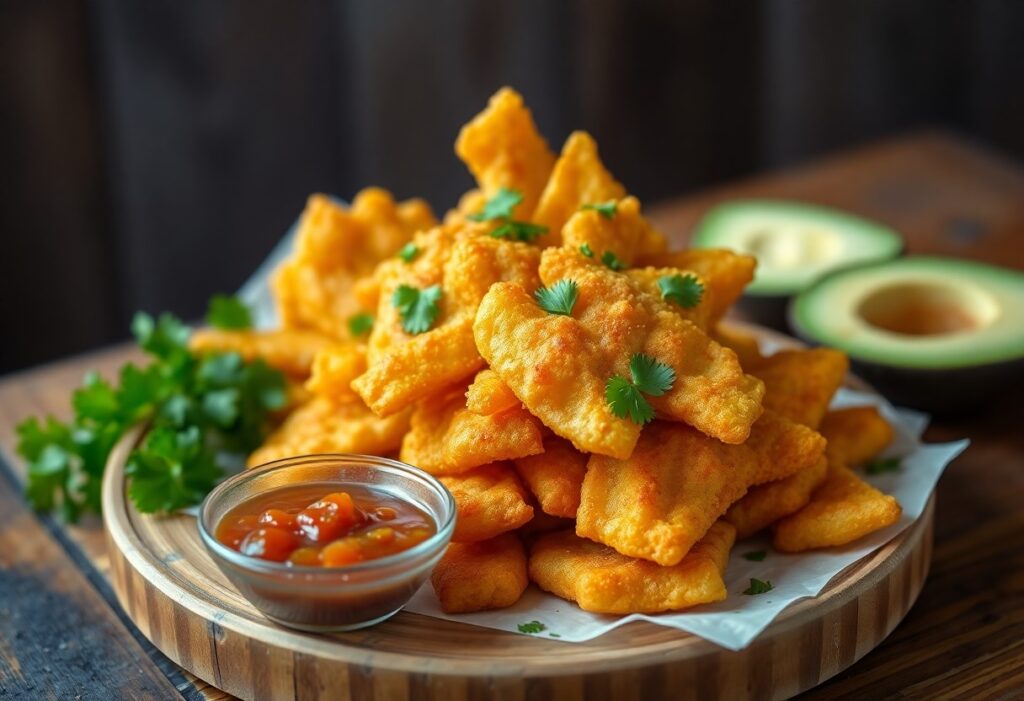
- Conch Fritters — seasoned conch folded into batter and deep fried for a crunchy bite.
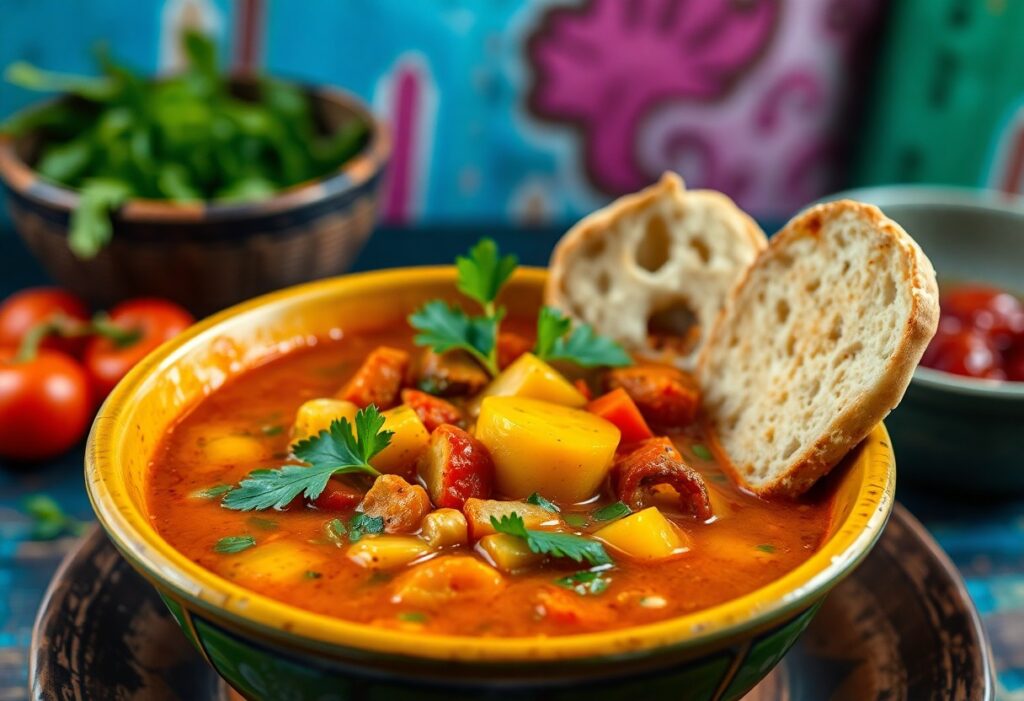
- Conch Stew — slow‑cooked in a rich broth, often with coconut milk and local spices for deeper flavor.
Frequently Asked Questions
Why Is It Illegal To Collect Queen Conch Outside Season?
Seasonal closures and licensing protect juvenile populations and ensure long‑term sustainability. Collecting outside the legal season or without a license can result in fines and confiscation.
Are Queen Conch Good To Eat?
Yes — when fresh and properly prepared, conch is prized for its sweet, firm flesh. Popular preparations include ceviche, fritters and stews.
How Much Is A Queen Conch Worth?
Market prices vary by size, season and location; restaurants purchase whole conch or pre‑processed meat from licensed suppliers. Ask markets and vendors for current local prices.
What Is The Lifespan Of A Queen Conch?
Queen conch can live for several decades in the wild; maturity and large flared lips indicate legal size and help fisheries manage healthy populations.
Ready To Plan A Trip Around Conch Season?
Use our top experiences page to choose coastal tours, food stops and cultural visits—perfect for building a short Belize itinerary centered on seafood and island life.
Note: Regulations can change—always confirm season dates and licensing with local fisheries or your tour operator before purchase or harvest.

Clara Beckett is a passionate travel writer specializing in the vibrant culture and breathtaking landscapes of Belize. With a keen eye for detail and a love for adventure, she provides insightful and engaging content that guides readers through the best experiences Belize has to offer. Clara’s work not only highlights the country’s stunning natural beauty but also its rich history and diverse communities, making her Belize Travel Guide an essential resource for anyone seeking to explore this magnificent destination.
Your exploration of the culinary significance of Queen Conch touches on an important intersection of culture, sustainability, and gastronomy that resonates deeply with me. Having visited various Caribbean islands during conch season, I have been struck not only by the mouthwatering dishes but also by the rich cultural narratives that accompany them.
Your experience highlights a fascinating paradox. The conch not only showcases the flavors of the Caribbean but also embodies the stories, traditions, and sometimes, the struggles of local communities. It’s interesting to consider how these culinary practices evolve in the face of environmental challenges and tourism pressures.
You’ve captured something really important about the conch. It’s more than just a dish; it’s a vessel for culture and history. When I think about the way culinary practices adapt under environmental stress and the influx of tourism, it sparks a whole discussion around sustainability and community resilience.
You’ve really hit the nail on the head with the idea that the conch is a vessel for culture and history. It reminds me of how food can often serve as a living narrative, sharing stories of place and identity. When you mentioned the adaptation of culinary practices under environmental stress, it got me thinking about how traditional dishes, like conch, often have deep ties to the local ecosystem.
You’ve touched on something really sweet by connecting the conch to wider culinary narratives. It’s like each bite has a little story tucked inside. When we chow down on conch fritters or a hearty conch chowder, we’re not just tasting something delicious; we’re tapping into centuries of culture and tradition.
“I’m glad you resonated with that idea! If you’re interested in exploring more about how traditional dishes connect with culture and the environment, check out this insightful piece on the culinary stories behind local foods.”
https://xamanekbelize.com/caye-caulker
You’re spot on about the tantalizing blend of culture and gastronomy surrounding Queen Conch. It’s like a perfect dish – flavorful on its own, but the stories and traditions really spice things up. Each Caribbean island seems to have its take on conch, each plate telling a different story, almost like a culinary passport stamp.
You’re absolutely right about how each Caribbean island brings its own flair to Queen Conch. It’s remarkable how one ingredient can navigate through different cultures and create a whole spectrum of flavors. Think about it—Bahamian conch fritters, with their crispy exterior and tender center, are a playground of spices and textures. Then you have the spicy conch salad from places like Turks and Caicos, which can make your taste buds dance with freshness and zest.
You captured the essence of Queen Conch perfectly; it really is a canvas for all those diverse flavors. I’ve always appreciated how dishes like Bahamian conch fritters tell a story with every bite. The crispy exterior, combined with that savory filling, really brings me back to beachside dining experiences where the sound of waves complements the meal.
You really hit the nail on the head about conch being such a flavor canvas. It’s fascinating how something so simple can weave such rich stories through food. I’ve found that with conch fritters, the combination of the crispy texture and that savory filling really connects you to the ocean. It’s like each bite transports you, not only to the beach but to a whole culture of living that embraces fresh ingredients and community dining.
You’ve really captured the essence of conch, especially with those fritters. They’re like a little nugget of paradise packed with memories, right? It’s funny how a few bites of crunchy exterior and that delightful filling can spin you around the world and plop you right on a sun-soaked beach, hands full of sunshine and salt.
It’s great to see how much you appreciate the essence of conch! You really captured its role as a flavor canvas. When you think about conch fritters, it’s incredible how the crispy exterior contrasts with that soft, savory filling. It’s not just about the taste, but the whole experience — the crunch, the subtle ocean brine, and those delicate spices really take you on a journey.
You’ve really nailed that feeling of indulging in conch fritters. The way they bring together such a mix of textures and flavors is like a little culinary adventure. It’s interesting to think about how much a dish can evoke memories, right? I remember visiting a small beach shack in the Bahamas that served the freshest conch fritters; the warmth of the sun and the sound of the waves made every bite even more enjoyable.
You’ve captured such a vivid scene with your memories of conch fritters by that beach shack. It’s fascinating how food can transport us to specific moments like that—perfectly blending taste and experience. Those fritters with their crunchy exterior and tender inside seem to mirror the rhythm of the ocean, don’t they?
You’re so right about how food can transport us; it’s like each bite holds a memory waiting to be unlocked. Those conch fritters definitely embody that rhythm you mentioned—the way they crunch before yielding to that soft, flavorful interior really does remind me of the waves rolling in.
You’ve hit the nail on the head with how food can weave us into specific moments. That beach shack—its creaky wood and the way the salty breeze seemed to dance around while I enjoyed those conch fritters—is forever etched in my mind. Each bite was a mix of crunch and that tender, slightly sweet flavor of the conch, which felt like a perfect reflection of the ocean itself. There’s something about the ocean’s sound—a sort of rhythmic ebb and flow—that resembles the texture of those fritters, don’t you think? You take a bite and hear that crunch, and it feels like a little wave breaking just before it recedes.
Isn’t it amazing how a simple dish like conch fritters can create such vivid memories? Your description of the beach shack in the Bahamas paints an inviting picture. It’s fascinating how those sensory experiences—the warmth of the sun, the sound of the waves—can enhance our appreciation of food. I find that this interplay of environment and flavor really does make each bite feel more significant.
“I’m so glad my words resonated with your memories! If you’re craving that beachside experience again, check out these delightful conch fritter recipes to bring a taste of the Bahamas to your kitchen.”
https://xamanekbelize.com/lamanai
You really hit the nail on the head with the story behind each bite of conch fritters. There’s something magical about that crispy crust giving way to warm, savory goodness inside—it’s like a mini vacation in every mouthful. And those beachside dining moments? They have a way of sticking with you, don’t they? The sound of waves can amplify the flavors, making everything taste even better.
Thank you for sharing your thoughts! If you’re looking to recreate those delightful beachside flavors at home, check out this link for some amazing conch recipes that will take you right back to those cherished moments.
https://xamanekbelize.com/browse-tours
You’ve captured the essence of conch beautifully. It’s fascinating how such a versatile ingredient not only reflects the distinct culinary identities of each island but also tells a story about local culture and traditions. I remember trying conch fritters in the Bahamas for the first time—there’s something so comforting about that crispy exterior, contrasted with the succulent, flavorful insides. It’s like a warm embrace of the sea.
You hit the nail on the head with that observation. The way conch weaves into the fabric of each Caribbean island’s identity is pretty fascinating. You can really taste the history and pride in every dish—from how it’s prepared to the spices that are used.
I really appreciate your thoughts on that. It’s interesting how food can serve as a bridge connecting us to culture and history, especially in the Caribbean. Conch, for example, isn’t just a dish; it represents a blend of indigenous traditions and the influences of various cultures that have touched the islands over centuries.
I completely agree with your perspective. The culinary significance of Queen Conch goes beyond just its flavor; it really embodies a rich tapestry of history and tradition. Each Caribbean island seems to have its own unique way of preparing conch, and those local variations offer such a deep dive into the culture. For instance, I remember trying fritters in the Bahamas that were spiced just right—sweet and savory; every bite felt like a celebration of the local community.
It’s great to hear your thoughts on Queen Conch. You’re spot on about how it serves as a reflection of the diverse cultures across the Caribbean. Each style of preparation not only highlights local ingredients but also intertwines with the region’s history and community traditions.
I love what you mentioned about the local variations in conch dishes across the Caribbean. It really shows how food can be such a powerful expression of culture and identity. I remember tasting conch chowder in the Turks and Caicos, where they incorporated ingredients like thyme and freshly caught fish into the broth. It was a completely different vibe compared to the fritters you enjoyed in the Bahamas, but both dishes showcased that local ingenuity and connection to the sea.
You hit the nail on the head with that take on Queen Conch. It’s like each island has its own culinary celebrity, all with a backstory that could fuel a soap opera. I mean, consider this: stray from Jamaica’s spicy jerk preparations to the more laid-back, buttery conch chowder from the islands, and you’re not just tasting food; you’re nodding along to a historical soundtrack that’s playing in the background.
You bring up such a great point about how each island’s take on conch tells a unique culinary story. It’s fascinating how food can serve as a cultural narrative, weaving together history, geography, and even social dynamics. The contrast between Jamaica’s fiery jerk dishes and the soothing flavors of conch chowder highlights not just regional preferences but also how climate and local resources shape what we eat.
It’s fascinating how food can serve as a direct link to culture and community, isn’t it? I appreciate your perspective on the culinary significance of Queen Conch. During my travels in the Caribbean, I’ve experienced similar connections—each dish seems to tell a story about the people and the land. The way conch is prepared, whether in fritters or salads, often varies from island to island, and those unique twists reflect local flavors and traditions.
You really hit the nail on the head with your observation about food being such a connection point to culture and community. It’s amazing how a single dish can open up conversations about history, geography, and the people who bring it all together. The Queen Conch is a perfect example of that. When you travel through the Caribbean, you’re not just tasting different dishes; you’re tasting the island’s identity, its spirit, and the lives of the people who live there.
Absolutely! If you’re interested in exploring more about the culinary treasures of the Caribbean, check out this guide that dives deeper into the stories and flavors behind regional dishes.
https://xamanekbelize.com/blue-hole
I really enjoyed reading about Queen Conch and its significance in Caribbean cuisine! I have fond memories of visiting a small seaside restaurant in the Bahamas where they served conch fritters that were nothing short of amazing. The crispy exterior and tender inside, paired with a spicy dipping sauce, made for an unforgettable meal.
Your experience sounds delightful, and conch fritters really do have a special place in Caribbean cuisine. I’ve had a similar experience at a small beach shack in Jamaica, where the fritters were served hot and fresh, paired with a mango salsa that brought out the sweetness of the conch. It’s interesting how food can evoke such strong memories and connections to place.
What an engaging exploration of conch season! I truly resonate with the way you’ve captured the excitement surrounding this culinary marvel and its significance in Caribbean culture. Queen Conch has an almost ethereal quality, not just in its taste and texture but also as a symbol of sustainability and community within the region. On a recent trip to the Bahamas, I had the opportunity to indulge in conch fritters and, later, fresh conch ceviche, and both dishes were a revelation. The delicate balance of flavors paired with the vibrant local ingredients made the experience unforgettable.
Your description of conch season beautifully captures the essence of what makes this time of year so special in the Caribbean. Having spent a few summers on the islands, I can wholeheartedly agree that the culinary experience surrounding Queen Conch is truly one of a kind. The versatility of this delicious mollusk is something often overlooked—each preparation reveals a different facet of its flavor profile. Whether it’s in a refreshing conch salad or the comforting embrace of conch fritters, you can taste the sea in every bite.
You really hit the nail on the head with your thoughts about conch season. It’s like the vibrant soul of the Caribbean comes alive in those dishes. I mean, conch is this treasure trove of flavors, and every bite tells a story. Whether it’s conch fritters that make you feel like you’re wrapped in a warm beach towel or that delightful conch salad that practically demands you to savor the sea breeze with every forkful, it’s hard not to get hooked.
You nailed it with that description of conch. It really does feel like a slice of the Caribbean spirit on a plate. Each dish isn’t just about eating; it feels like an experience, doesn’t it? Conch fritters have this cozy vibe that makes you feel like you’re sitting on the beach, with the sound of waves in the background. And that conch salad—it’s like a celebration of the ocean on a fork. All those fresh ingredients layered together really highlight the conch’s flavor.
It’s great to hear that you’ve spent summers on the islands and have experienced the culinary delights of Queen Conch firsthand. You’ve really captured the essence of what makes this mollusk so special.
You really hit the nail on the head! There’s something almost magical about how Queen Conch connects you to the Caribbean sea with every dish. It’s fascinating how the same ingredient can transform so much based on the preparation. I love how the zing of lime in a conch salad highlights its freshness, while the crispy texture of fritters adds that comforting crunch.
You’ve captured the essence of Queen Conch beautifully. It’s interesting to think about how food can serve as a bridge to cultural experiences. Each bite can evoke memories or transport us to sun-soaked beaches with vibrant blue waters, which is the magic of the Caribbean that shines through in these dishes.
You’ve touched on something really special about food and its connection to memories and culture. I often find that exploring different cuisines opens a door to places I haven’t been, or even to moments in my life that I associate with certain flavors. Like with Queen Conch, I can almost hear the waves crashing and feel the warmth of the sun when I think about it.
I completely agree with you about how food acts as a bridge to cultural experiences. There’s something truly special about the way flavors can evoke memories and feelings, isn’t there? For me, the taste of Queen Conch always brings back those childhood summer vacations with family, where the sound of waves and laughter blended perfectly with the aroma of grilled seafood.
It’s true—Queen Conch really does capture that essence of the Caribbean in such a unique way. There’s something special about the way each dish tells a story of the sea and the culture surrounding it. The simplicity of a conch salad really allows the freshness to shine through, especially with that zing of lime. It’s refreshing and bright, almost like a celebration of the ingredients.
The arrival of conch season indeed heralds a wonderful time in the Caribbean, filled with vibrant flavors and an array of culinary experiences that bring communities together. It’s fascinating to think about how a single ingredient like Queen Conch can embody so much of the region’s culture, history, and even sustainability efforts. The way local chefs elevate this ingredient into remarkable dishes, from conch fritters to ceviche, showcases their creativity and deep connection to the sea.
You’ve hit the nail on the head with how conch brings everyone together in the Caribbean. It’s interesting to think about the stories behind those dishes—like every conch fritter or ceviche carries a bit of local tradition and history.
You bring up such an interesting perspective on the cultural significance of Queen Conch in the Caribbean. It’s true that this one ingredient encapsulates so much—the community bonds, shared traditions, and the important conversations around sustainable practices are all tied into conch fishing and consumption. I remember visiting a small fishing village where the locals would hold conch festivals, gathering not just to showcase their dishes but also to discuss conservation efforts. It was heartening to see chefs not only putting their creative spin on conch fritters and ceviche but also highlighting their responsibility toward preserving the marine ecosystem.
It’s exciting to see conch season highlighted like this! I remember my first taste of Queen Conch during a family trip to the Bahamas. The texture and flavor were nothing like I’d experienced before—delicate yet rich. I love how these mollusks are not just a culinary delight but also a part of the Caribbean culture and identity.
What a wonderful memory you shared about your first taste of Queen Conch in the Bahamas! It sounds like it was a truly special moment for you, and I’m glad to hear how impactful it was. You’re spot on about the texture and flavor – there’s really nothing quite like it. That delicate yet rich quality stands out whether it’s prepared as fritters, in a ceviche, or simply grilled. Each dish brings out a different side of the conch, highlighting its versatility in Caribbean cuisine.