
The Belize flag is a compact portrait of the country’s history and multicultural identity: its blue-and-red field, detailed coat of arms and twelve stars tell when Belize became independent, what sustained its economy, and how its people see themselves. Read the quick facts first, then dive into origins, symbolism, travel notes and respectful display.
Planning a visit? See our practical notes in the travel section and check the map and logistics in the Belize location and travel guide.
Quick Facts At A Glance
| Adoption | September 21, 1981 (Independence) |
| Primary colors | Royal blue, red border, white field behind the coat of arms |
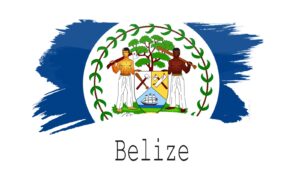
| Coat of arms highlights | Two men with logging tools, mahogany tree, shield with ship tools, and a motto: “Sub Umbra Floreo” (Under the shade I flourish) |
| Twelve stars | Represent Belize’s twelve administrative districts |
| Best time to see celebrations | Independence Day (Sept 21) and National Heroes Day (Mar 9); for weather, see monthly guide |
| Travel note | The flag is widely visible at cultural festivals, government buildings and coastal towns; respect display etiquette (see below). |
Quick links: Where to stay · Where to explore · Best time to visit
Origins & Timeline: How The Belize Flag Emerged
The modern Belize flag was shaped by colonial history and national debate across the 19th and 20th centuries. It evolved from British colonial emblems toward a design that explicitly represented Belize’s people and natural resources.
Key Dates
- 1840 — British Honduras becomes a recognized colony; early flags reflected the colonial badge.
- 1964 — A national emblem is introduced during increased local self-government.
- 1973 — National symbols are formally recommended while work toward independence continues.
- September 21, 1981 — The current flag is adopted on independence day.
- 1990S Onward — The flag’s use in civic events and tourism increased as Belize promoted itself internationally.
If you want a compact travel-and-history overview that places the flag in the broader national story, see our exploration guide for cultural and site recommendations: Belize: the A–Z exploration guide.
Symbolism: What Each Element Means
The flag combines color, a national coat of arms, and stars to form a deliberate message about people, work and land. Below are the readable pieces and what they signify.
Colors
- Blue — Traditionally linked to the People’s United Party at independence, now seen more broadly as representing the Caribbean Sea and Belize’s maritime setting.
- Red — A contrasting border added later to reflect political balance and the courage shown in Belize’s struggle toward self-government.
- White — The white disc behind the coat of arms highlights the emblem and signals purity and unity in national symbolism.
Coat Of Arms
The coat of arms at the flag’s center is unusually detailed for a national flag and is the element that most explicitly communicates Belize’s history:
- Two Figures — A mestizo and a Creole man (interpreted in many official renderings as two men of different ethnic backgrounds) hold tools of the logging and shipbuilding trades, reflecting the importance of mahogany and forestry in the economy that shaped early Belize.
- Mahogany Tree — Symbolizes the timber economy that drove colonial-era wealth and settlement patterns.
- Shield And Tools — The shield includes a ship and tools linked to seafaring and industry; these elements acknowledge the practical trades that supported communities.
- Motto — ‘‘Sub Umbra Floreo’’ (Under the shade I flourish) points to growth under protection and the value of natural resources.
- Twelve Stars — Each represents one of Belize’s twelve districts, a visual statement of administrative unity.
Evolution & Debates
The Belize flag’s design did not appear overnight. It reflects compromise and conversation across politics and communities as the nation moved from colonial status to independence. Two themes recur in those debates:
- Representation — Choosing images that signaled all communities rather than a single colonial narrative was a key design aim.
- International Identity — The flag needed to be recognizably Belizean on a global stage while retaining local meaning.
For readers tracking overlapping content on this site: this post keeps a travel-forward angle while preserving the historical and symbolic depth of our companion piece History and origins of the Belize flag (if you maintain both pages, consider canonical tags or a 301 consolidation where appropriate).
When To See The Flag And Travel Relevance
If your interest in the Belize flag is travel-related, here are the best times and places to see it used prominently, plus booking notes.
| Best events to see the flag | Independence Day (Sept 21), National Heroes Day (Mar 9), civic parades and coastal festival days |
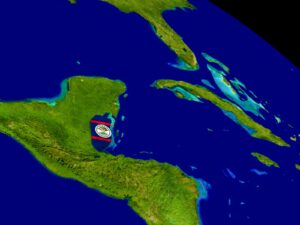
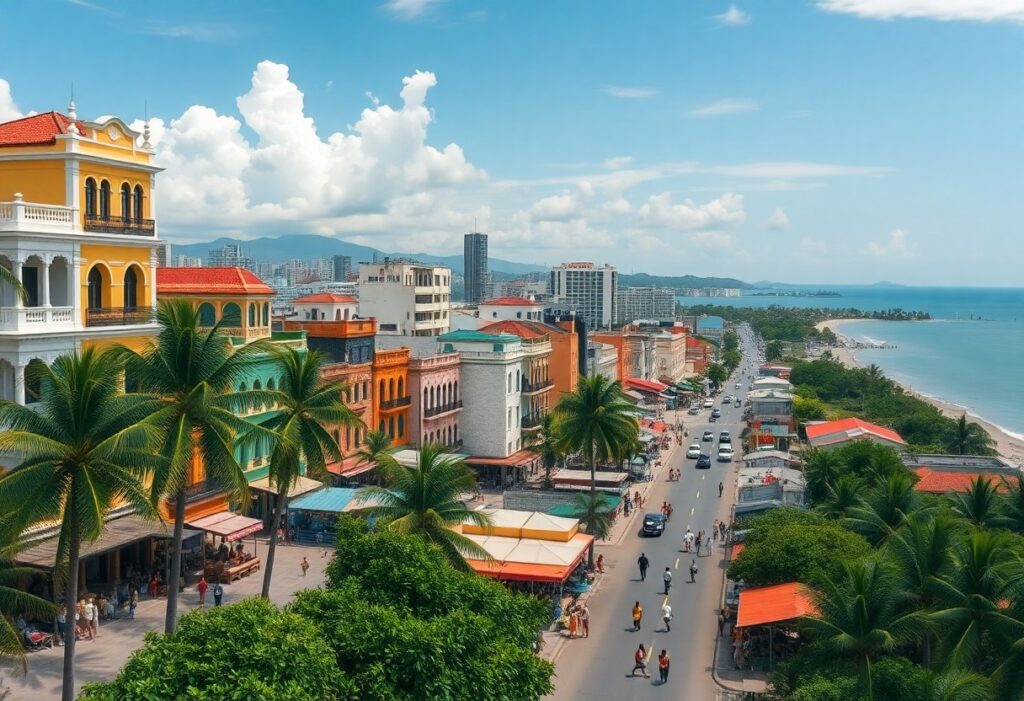
| Where it’s most visible | Government buildings in Belmopan and Belize City, town plazas in San Ignacio, Placencia and Ambergris Caye, and at cultural centers |
| When to book | For festival travel plan 6–12 months ahead (high season around winter holidays); for low-season travel see our monthly weather guide to pick quieter windows: Belize weather by month. |
If you want tailored trip planning around events where the flag is prominent (parades, cultural festivals, or school ceremonies), our travel-planning resources can help with accommodations and guided cultural experiences—see Belize hotels and our homepage for package options.
Etiquette: How To Display And Handle The Flag Respectfully
Respectful handling preserves the flag’s dignity. Below are practical and accepted practices for display, repair and retirement.
Daily Display Rules
- Raise the flag briskly in the morning and lower it ceremoniously at sunset.
- Ensure it never touches the ground; keep the flag clean and in good repair.
- When flown with other national flags, use protocols that place the Belize flag in a position of respect (usually centered or otherwise accorded equal prominence).
Damaged Flags And Retirement
Inspect for fraying, tears or sun-fade; if the flag is repairable, do so. If it is beyond repair, retire it in a dignified manner—many communities opt for a respectful burning or ceremonial disposal in keeping with local custom.
Prohibited Uses
- Avoid using the flag as casual clothing (e.g., swimwear) or purely commercial branding that diminishes its meaning.
- Do not alter the flag’s colors or emblem in ways that would be seen as disrespectful.
Cultural Influence: Flags In Art, Media And Daily Life
The Belize flag appears in local art, music and festivals. Designers, street artists and musicians use its palette and emblem to reference identity, resilience and national heritage.
Examples of influence:
- Costume design in Carnival and parades frequently borrows the flag’s colors and emblematic motifs.
- Contemporary artists use the coat of arms and mahogany imagery to comment on land, labor and collective memory.
- Travel marketing and souvenirs leverage the flag’s recognizability to promote cultural tourism—when used respectfully this supports local artisans.
Common Misconceptions (Short Corrections)
- Colors As Politics While blue had political associations during independence, today the colors are read primarily as national symbols rather than partisan badges.
- Two Figures’ Identity The two men on the coat of arms symbolize the working people and multicultural foundation rather than narrowly defined ethnic labels.
- Stars As Decoration The twelve stars specifically denote Belize’s districts, not decorative flourish.
Frequently Asked Questions
What Does The Belizean Flag Symbolize?
It symbolizes national unity, the historical importance of the timber and maritime trades, and the multicultural composition of Belizean society through its colors, coat of arms and twelve stars.
Why Did Belize Revise The Flag Before Independence?
Designs evolved as political leaders and citizens sought a flag that reflected local identity rather than colonial symbols; the final design balances historical references with a clear national emblem adopted at independence.
When Was The Flag Adopted?
September 21, 1981 — Belize’s independence day.
Is It Okay To Buy Clothing With The Belize Flag?
Souvenirs and respectful uses are common and welcomed, but commercial or altered depictions that trivialize the emblem may be considered inappropriate by some; when in doubt, choose items produced by local artisans who respect national symbols.
Further reading and planning: for destination logistics, accommodation and curated experiences connected to Belize’s culture and festivals, see our practical guides:
- Belize location and travel guide — overview, how to get here and key regions.
- Belize hotels — hand-picked accommodation by region.
- Belize vacations planning guide — itineraries and booking tips.
See also: Coco Beach guide · Belize A–Z exploration

Vanessa Carter is a passionate travel writer and expert on Belize, dedicated to sharing the wonders of this beautiful Central American destination. With years of experience exploring Belize’s diverse landscapes, vibrant culture, and rich history, she provides readers with insightful tips and guides that inspire adventure. Through her engaging narratives, Vanessa aims to connect travelers with the heart of Belize, making it an accessible and exciting destination for all.
I truly enjoyed your exploration of the Belize flag’s history and significance. It’s fascinating how the flag embodies not only the struggle for independence but also the vibrant cultural mosaic that defines Belize today. The connection between the flag’s evolution and the timeline of Belizean identity, particularly through events like the introduction of the national emblem and the adoption of national symbols, highlights how crucial these elements are to the nation’s narrative.
It’s great to hear that you enjoyed the exploration of the Belize flag! The way the flag reflects the journey of Belize’s identity is something that often gets overlooked. The colors and symbols really do embody the rich tapestry of cultures here.
Thank you for your thoughtful comment! If you’re interested in delving deeper into Belize’s rich cultural heritage and the stories behind its symbols, be sure to check out this enlightening resource.
https://xamanekbelize.com/belize-adventure-tours
What a fascinating dive into the significance of the Belize flag! I must say, reading about the historical tapestry woven around it got me thinking about how national flags often reflect a nation’s journey—almost like a cultural family photo album full of stories, but with more fabric and fewer awkward poses.
The exploration of the Belize flag’s history is truly fascinating, especially considering how national symbols can reflect a country’s journey toward self-identity and independence. The timeline you provided really highlights the gradual development of Belizean identity through historical milestones. It’s interesting to think about how flags, in general, serve not just as national symbols, but also as vessels of collective memory and pride, often overdue for representation of diverse cultures within a nation.
Your exploration of the Belize flag truly captures the heart of what it represents for the nation and its people. The flag isn’t just a piece of cloth; it’s a symbol imbued with the struggles and triumphs of a nation carving out its identity in the world. I find it fascinating how you highlighted the historical milestones, especially the establishment of British Honduras in 1840 and the subsequent developments leading to independence—these events speak volumes about the path Belize has charted.
The historical journey of the Belize flag truly reflects the complexities of national identity and resilience. It’s fascinating to consider how symbols, like a flag, can encapsulate both struggle and unity. The mention of 1840 as a turning point is particularly poignant, as it marks the beginning of a unique identity that has evolved through the years.
I really appreciate the way you’ve woven the historical aspects of the Belize flag into the narrative of its significance for the nation’s identity. The mention of 1981 as the year of official adoption really resonates with me. It’s fascinating to think about how symbols like flags are not just fabric but are steeped in meaning and the collective memory of a nation’s journey.
Isn’t it fascinating how a flag can tell a story richer than some novels? I mean, the Belize flag practically screams history—talk about an emblem with personality! And speaking of unique identities, it makes you wonder how many flags out there are just waving lazily, not holding a candle to Belize’s vibrant tale. You mentioned the struggle against colonialism; it’s like a dramatic movie script where the final scene reveals a nation’s true colors—literally!
It’s fascinating how the Belize flag encapsulates such a rich historical narrative, linking the past with a sense of national pride and unity. I appreciate how you’ve highlighted significant milestones that shaped Belize’s identity, particularly the struggle against colonialism. It’s a poignant reminder of how flags often represent more than just a symbol; they convey a story of resilience and cultural heritage.
It’s fascinating how the Belize flag carries so much history and meaning behind it! The way it reflects the journey towards independence really resonates. It makes me think about how flags and national symbols often encapsulate a country’s struggles and triumphs.
It really is intriguing how a flag can embody so much history and cultural significance. The Belize flag, with its unique design and symbolism, certainly tells a story of resilience and identity. It’s interesting to think about how national symbols, like flags, can evoke a sense of unity and pride among people, especially those who may be far from home.
It’s fascinating to see how the Belize flag represents not just a national symbol but also the collective story of its people. The connection between historical milestones and the evolution of national identity really resonates with me. It makes me think about how flags worldwide often encapsulate struggles and triumphs, acting as a tangible reminder of history and culture.
Ah, the Belize flag – a piece of fabric that carries so much more weight than just threads and colors! It’s funny how flags can evoke such national pride and tell the story of a nation’s struggles and triumphs, all while waving serenely in the breeze. You painted quite the picture of Belize’s journey to its national identity through its flag. I often wonder if flags develop personalities over time, shaped by the history they witness. If so, the Belize flag must have some tales worthy of a novel!
You bring up such an interesting perspective on flags and their significance. The idea of a flag developing a personality over time is particularly captivating. It’s true that flags, like the Belize flag, serve as more than just symbols; they encapsulate a nation’s history, culture, and dreams. Each thread seems to hold stories of resilience, especially considering Belize’s journey through colonization to independence.
Your exploration of the Belize flag’s history highlights crucial elements of national identity that resonate beyond mere symbolism. It’s fascinating how this emblem encapsulates the story of a nation grappling with its colonial past and striving for self-determination. The timeline you provided, particularly the 1840 establishment of British Honduras, serves as a powerful reminder that national identity can evolve dramatically over centuries through a combination of socio-political changes and cultural synthesis.
I found your analysis of the Belize flag and its historical significance really fascinating. It’s incredible how symbols like flags can encapsulate so many layers of a nation’s identity and journey toward independence. The timeline you provided, especially the mention of the British Honduras era in 1840, highlights how colonial legacies continue to shape modern national identities.
The exploration of the Belize flag and its historical significance resonates deeply with those of us who appreciate how national symbols can encapsulate the essence of a country’s journey. The way you articulated the flag’s evolution mirrors the larger narrative of Belizean identity, showcasing how symbols not only tell stories but also unify a people who have faced myriad challenges throughout their history.
It’s fascinating how the Belize flag is more than just a piece of fabric—it’s a symbol woven into the very fabric of the nation’s history. I love how you outlined its significance, especially tying it back to the struggles against colonialism. It makes me think about how flags are often snapshots of a country’s journey, each color and symbol telling a story.
Reading your detailed exploration of the Belize flag really invites one to reflect on the significance of national symbols beyond just their visual appeal. For me, flags often serve as conduits for expressing shared history and collective memory, and the Belize flag is no exception. The origins you outlined, particularly the move towards independence, resonate deeply with many nations’ struggles for self-determination.
It’s fascinating to see how the Belize flag serves not just as a national symbol but as a testament to the rich, complex history of the nation. The way you’ve woven the timeline of significant milestones really highlights the journey from colonialism to independence. It makes me think about how flags often encapsulate a culture’s identity and resilience.
It’s interesting you mention the flag as a reflection not only of identity but also of resilience. Each element has a story, from the coat of arms to the colors, representing the diverse cultures that contribute to Belize’s narrative. The journey from colonialism to independence was marked by more than just political change—it involved a reclaiming of identity. It’s a reminder of how symbols like flags can inspire unity and pride. How do you think such symbols affect the younger generations in Belize today?
Your exploration of the Belize flag truly highlights its significance as more than just a symbol; it’s a representation of a collective history and identity. I’m particularly struck by the connection between its origins and Belize’s ongoing journey toward self-definition in the post-colonial context. The international dynamics at play during the 1980s, especially in Central America, shaped not just the independence movements but also the ways nations like Belize express their heritage through symbols like their flag.
The exploration of the Belize flag and its historical significance is quite insightful, especially considering how flags often serve as mirrors reflecting a nation’s journey through struggle and resilience. The narrative surrounding the Belizean flag resonates deeply, particularly as it encapsulates a broader story of colonialism and the eventual quest for self-identification among nations in the Caribbean and Central America. The timeline you’ve laid out emphasizes not just key milestones but invites us to consider the continual evolution of national identity, which is often tied to the stories symbolized by such emblems.