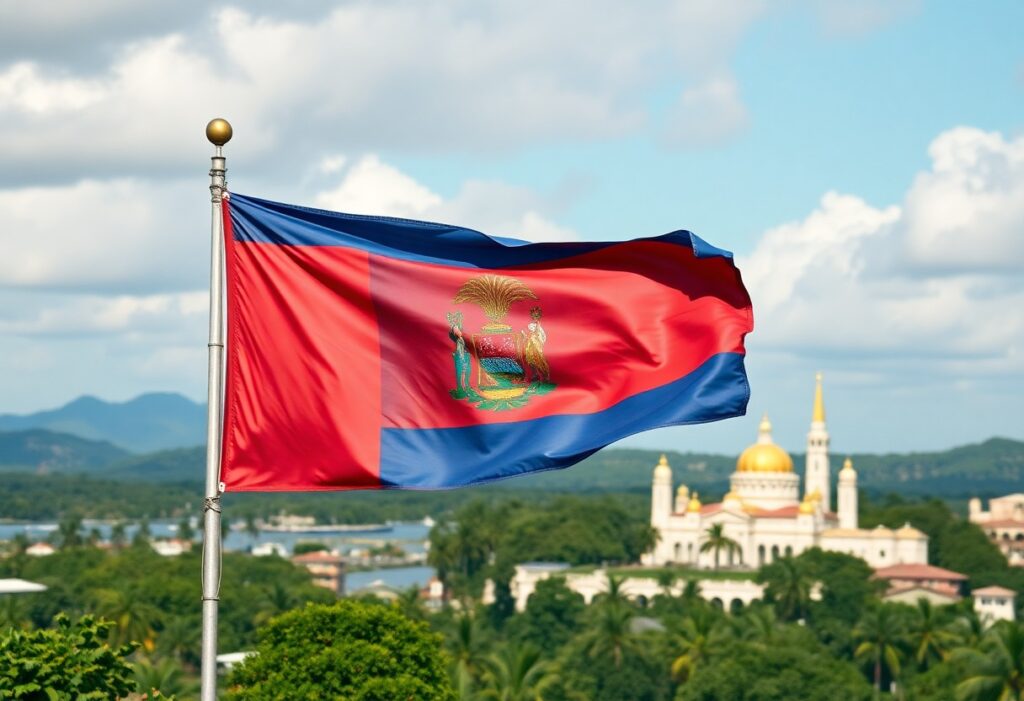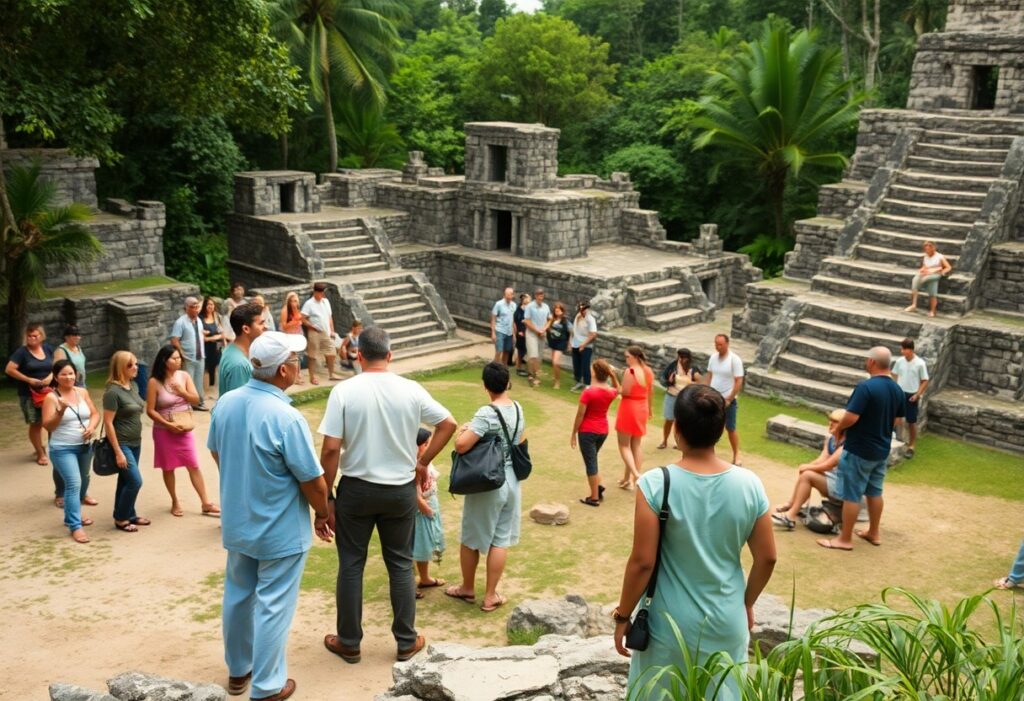
Belize’s Jade Head is the largest carved jade object ever found in the Western Hemisphere and a founding icon of Maya craftsmanship and national identity. Discovered at Altun Ha in 1968, the original is preserved in secure conservation care while replicas and a 3D model make it accessible to visitors.
| Quick facts | The Jade Head at a glance |
| Material | Jadeite (from Motagua River region, Guatemala) |
| Date found | 1968 (Altun Ha, Structure B-4) |
| Weight & size | 9.75 lb (4.42 kg); ≈6 inches tall |
| Depicts | Kinich Ahau — the Maya Sun God |
| Where to see it | Original: Central Bank vault (conserved); replicas: Museum of Belize; digital 3D model via Access501 |
Discovery And Archaeological Context
Archaeologists unearthed the Jade Head in 1968 during excavations at Altun Ha’s “Temple of Masonry Altars” (Structure B‑4). Dr. David Pendergast led the dig with local workers Wilhem Leslie and Winston Herbert; the head was found in a royal tomb with forty other objects and the remains of an elite male. The tomb dates to the Classic Period (roughly A.D. 500–600), placing the carving firmly within the high point of Maya social complexity and long‑distance trade.
Why The Jade Head Matters
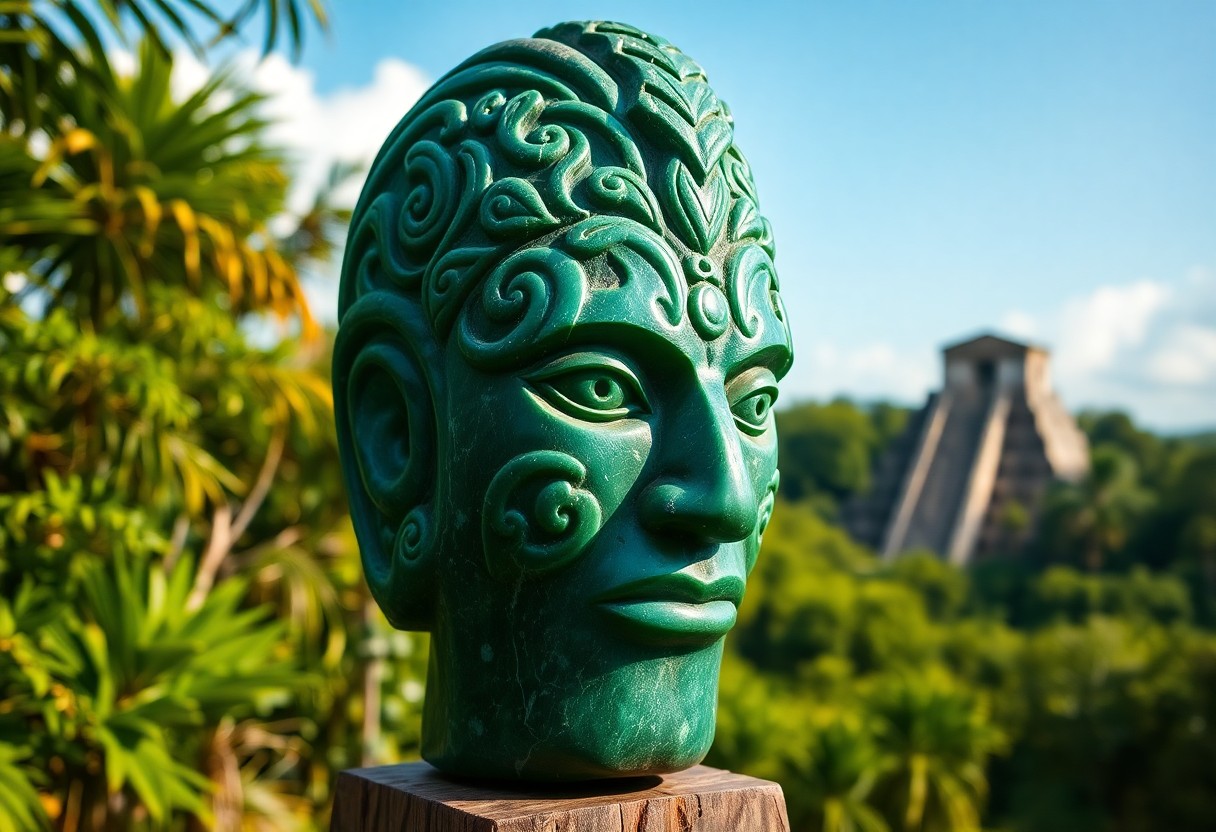
The Jade Head is the largest carved jade object yet found in the Western Hemisphere and a rare, large‑scale example of jadeite sculpture in Maya art. Its depiction of Kinich Ahau (the solar deity) and its placement within a high‑status tomb link ritual power, elite identity, and long‑distance access to Guatemalan jade sources—evidence of trade networks and ceremonial display.
Craftsmanship And Material
Carving jadeite at this scale required sophisticated stagework: abrasive sawing (cord or string saws with sand and water), drilling with cord drills, and prolonged polishing with fine abrasives. The choice of Motagua‑region jadeite—valued for hardness and color—made the finished object not only visually striking but also materially durable, which helps explain its excellent preservation.
Jade Types And Provenance
Maya elites prized jadeite above most other materials; archaeologists classify specimens by color and translucency (emerald greens, blue‑greens, lavender tints, pale whites). Geological sourcing links the Jade Head’s material to the Motagua Valley in Guatemala, confirming long‑distance exchange of raw or preworked stone into the Belize region.
Creation And Preservation
Producing such a carving could take many months: initial shaping with abrasive saws, detailed incision with stone points and cord drills, and long polishing to reach the smooth finish visible today. Modern conservation keeps the original under strict climate control—about 21°C (70°F) and ~45% relative humidity—inside a secure facility to prevent micro‑fracturing and surface change.
Where To See The Jade Head And Planning Tips
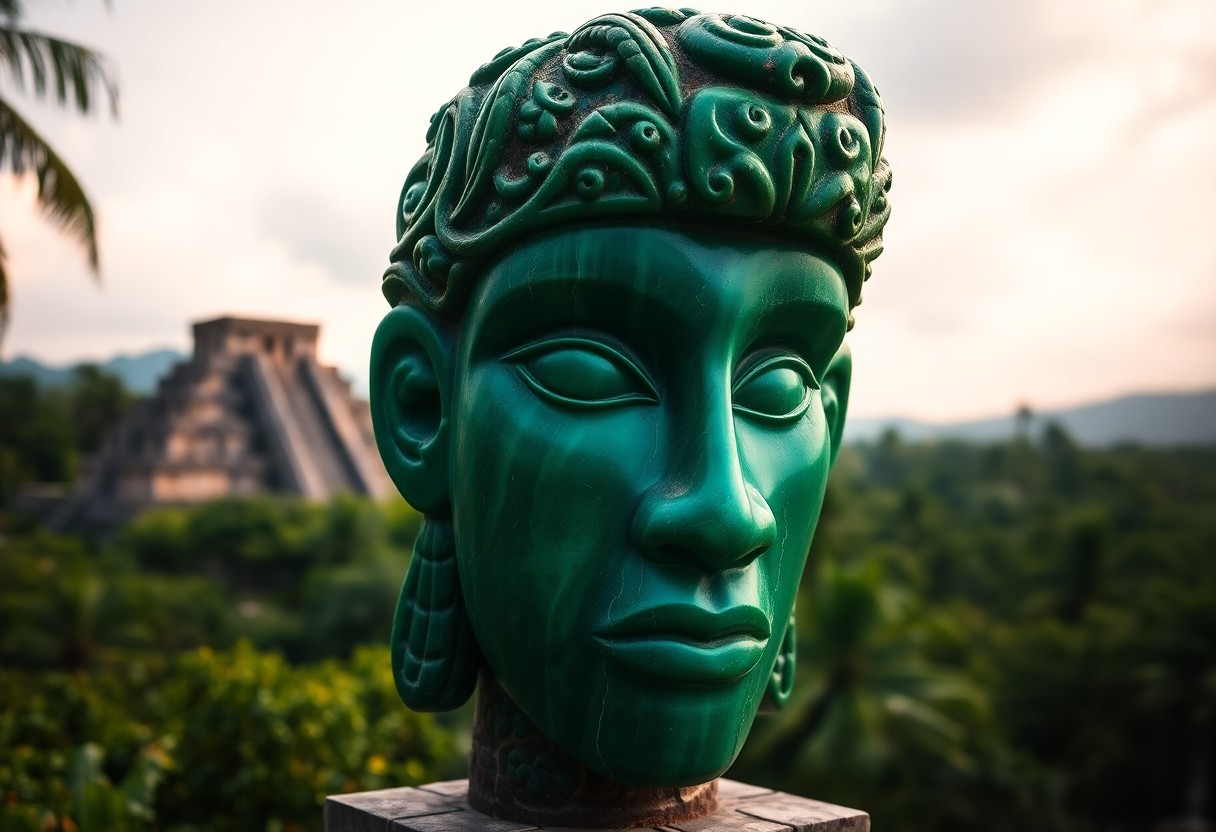
The original Jade Head is conserved in a secure vault and is rarely on public display; the Museum of Belize exhibits high‑quality replicas for visitors. Access501 hosts a detailed 3D rendering for remote study. If you plan a trip to include archaeological sites, start with the site’s broader context in our Ancient Maya ruins guide and consider combining an Altun Ha visit with other regional ruins like Caracol.
Read the complete Ancient Maya ruins guide for route planning and suggested itineraries; when you’re ready to travel, our booking hub helps with air logistics (book flights to Belize).
Combine an Altun Ha excursion with other cultural sites or a Belize coast stay—see our recommended itineraries and booking tools.
Further Reading
- Complete guide to nine archaeological treasures in Belize — context and itineraries.
- Caracol: Belize’s largest ancient city — comparative site to include on inland routes.
Frequently Asked Questions
Where Is The Jade Head Stored, And Can Visitors See It?
The original is held under conservation at a secure Central Bank facility in Belize City; public access to the original is limited. Replicas are on display at the Museum of Belize, and a 3D model is available through Access501 for remote viewing.
Who Discovered The Jade Head?
The object was found in 1968 by a team led by Dr. David Pendergast with local workers Wilhem Leslie and Winston Herbert during excavations at Altun Ha.
Why Is It Significant In Maya Archaeology?
At nearly 10 pounds and finely carved from jadeite, it demonstrates elite ritual use, high skill in hardstone working, and participation in long‑distance jade trade—key evidence for understanding Classic Period social networks.
Is The Depiction A Specific Deity?
Yes—the head represents Kinich Ahau, the Maya Sun God, often associated with royal power and ritual imagery tied to rulership.
How Do I Include Altun Ha And The Jade Head Replicas On A Belize Trip?
Plan Altun Ha as a half‑day trip from Belize City or as part of an inland itinerary; check museum hours before you travel and consider booking flights early in the dry season for easier site conditions—start planning with our Ancient Maya ruins guide and reserve air travel via book flights to Belize.

Sophie Daniels is an accomplished travel writer and expert on Belize, dedicated to sharing the beauty and culture of this Central American gem. With a passion for adventure and a deep understanding of the local landscape, she crafts insightful and engaging guides that inspire travelers to explore Belize’s vibrant ecosystems and rich heritage. Through her writing, Sophie aims to connect readers with the heart of Belize, offering practical tips and personal anecdotes that enhance their travel experiences.