
Belize is a welcoming destination for visitors in 2025, but safety depends on where you go, when you go, and the precautions you take.
| When You'll Feel Safe
Choose tourist-focused areas (Ambergris Caye, Caye Caulker, Placencia, Fort George in Belize City) and daytime activities with vetted operators.
|
When To Take Extra Precautions Avoid unfamiliar urban neighborhoods after dark, limit displays of valuables, and travel in groups for night outings.
|
Emergency Steps
Call 911, contact your embassy or consulate, and notify local tour operator or accommodation immediately.
|
For a full, country-wide safety overview and planning tools, see our main safety guide: Is Belize Safe to Visit? Complete 2025 Safety Guide.

How Crime Rates Are Measured — And What That Means For Travelers
Official crime statistics are drawn from police reports and longitudinal trends; victimization surveys capture incidents that don’t get reported. For travelers, the useful signal is geographic and contextual: violent crime tends to be concentrated in specific urban neighborhoods, while petty theft is the most common issue affecting tourists.
What To Look For In The Data
- Per-capita rates tell you where incidents are concentrated, not where tourists usually go.
- Year-over-year trends show if local programs are improving safety in a destination.
- Local law enforcement initiatives (tourist police, increased patrols) often reduce violent incidents in tourist zones.
Common Crimes Tourists Encounter — And Simple Prevention
Most problems visitors report are preventable. Below is a compact reference table that pairs the typical crime with the practical step that reduces your risk.
| Type of incident | Where it happens | Prevention |
|---|---|---|
| Petty theft / pickpocketing | Crowded markets, public transit, beaches | Use cross-body bags, keep valuables out of sight, split cash/cards. |
| Bag-snatching / opportunistic theft | Streetfronts, late-night areas | Don’t leave bags unattended; avoid isolated streets at night. |
| Property crimes (car break-ins) | Unattended vehicles, poorly lit parking | Park in secured lots; don’t leave valuables visible. |
| Personal assault (less common for tourists) | Often linked to alcohol or disputes | Avoid confrontations; travel in groups at night; choose reputable venues. |
Practical, High-Impact Safety Steps For Travelers
These are the behaviors that most reliably reduce your chance of being targeted or inconvenienced.
- Book Vetted Operators Use licensed tour companies and ask accommodations for verified transfers (see our adventure activities safety guide for operator tips).
- Keep Copies Of Documents Keep digital and physical copies of your passport and travel insurance; store originals in your hotel safe when possible.
- Limit Visible Valuables Avoid wearing expensive jewelry and keep phones tucked away when not in use.
- Use Recommended Transport Prefer licensed taxis, hotel shuttles, or arranged transfers over informal rides at night.
- Register Your Plan Share your itinerary with a trusted contact and check in regularly.
Where To Stay And Neighborhoods To Favor (And Avoid At Night)
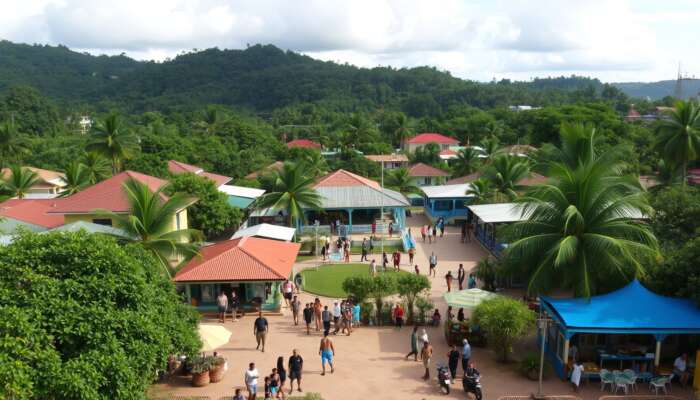
Most visitors base themselves on the coast (Ambergris Caye, Caye Caulker, Placencia) or in tourist-focused areas of Belize City and San Ignacio. These spots tend to have more tourist policing, reliable tour operators, and hospitality services.
If you plan to visit Belize City, consult our focused page on city safety for neighborhood-level guidance: Belize City — safe spots and areas to avoid.
Emergency Resources And Practical Response
Memorize or store these items before you travel. Quick access to the right resource greatly reduces stress if something happens.
| Resource | Tip |
|---|---|
| Emergency number | 911 (use immediately for medical or police emergencies) |
| Nearest hospital / clinic | Ask your hotel or tour operator on arrival for the closest facility and hours. |
| Consular assistance | Contact your embassy/consulate for lost passports or legal issues. |
Timing, Booking Windows, And Seasonality
Belize’s high season (December–April) brings more tourists and more staffed services; increased foot traffic and policing can reduce petty crime risk in tourist hubs. If you travel in the low season, confirm transfers and operator availability in advance and prefer daytime excursions.
Where To Go Next — Planning And Trusted Reads
- Full 2025 Belize safety guide — country-wide context and deeper planning advice.
- Adventure activities safety guide — safety checks for tours like cave tubing and diving.
- Crime stats and travel tips — data-focused companion post.
If you want personalized recommendations for safe transfers, vetted tours, or accommodations, contact us: Contact XamanekBelize or explore our customized itineraries.
Short FAQ
Generally yes in tourist-focused areas, but conditions change by neighborhood and season. Always check your national travel advisory and the local news before departure.
What Is The Most Common Crime Affecting Visitors?
Petty theft — pickpocketing and bag-snatching — is the most frequent. The best protection is to limit visible valuables and use secure bags.
Is Belize Safe For Solo Or Female Travelers?
Many solo and female travelers visit safely each year. Prefer well-reviewed lodging, daytime activities, and local advice about neighborhoods; avoid isolated streets at night and trust your instincts.
For an expanded country-wide view, official advisories, and planning checklists, read our main guide: Is Belize Safe to Visit? Complete 2025 Safety Guide.
Note: this page is a crime-focused companion to our full safety guide and is designed to answer specific queries about crime patterns and traveler precautions; it does not replace official travel advisories from governments or embassy guidance.

Clara Beckett is a passionate travel writer specializing in the vibrant culture and breathtaking landscapes of Belize. With a keen eye for detail and a love for adventure, she provides insightful and engaging content that guides readers through the best experiences Belize has to offer. Clara’s work not only highlights the country’s stunning natural beauty but also its rich history and diverse communities, making her Belize Travel Guide an essential resource for anyone seeking to explore this magnificent destination.
Your exploration of the importance of understanding crime rates for travelers in Belize resonates deeply with me. As someone who has had the privilege of traveling to different countries, I’ve found that knowing the local context—especially regarding safety—can transform a trip from merely enjoyable to truly enriching. It’s not just about the sights; it’s about immersing oneself in the community and appreciating the culture, all while feeling secure in that environment.
I completely agree with you about the transformative power of understanding the local context, especially regarding safety. When I traveled to a few places in Central America, I found that just being aware of local customs and potential concerns made a huge difference in how I experienced the culture. It’s true that feeling secure allows you to engage more deeply with the community.
I really appreciate your focus on safety in travel! Understanding crime rates can truly transform one’s experience, allowing for more enjoyment and less anxiety. When I explored Belize, I found that taking a local safety tour not only educated me on the areas to avoid but also helped me connect with the community in a more meaningful way.
It’s interesting how a focus on safety can really change the way we travel. Your experience in Belize highlights an important aspect of travel that often gets overlooked—the opportunity to connect with locals. Taking a local safety tour sounds like a great way to not just learn about the areas to avoid, but also to foster a deeper understanding of the culture and community.
You hit the nail on the head with your experience in Belize. There’s something about a local safety tour that’s like combining a history lesson with a backstage pass to the community. It’s a bit like finding the secret menu at a restaurant—suddenly, the ordinary becomes extraordinary. You learned not just about the neighborhoods to sidestep but also got a chance to chat with locals who know their turf inside and out. That kind of connection to a place can make you feel more like an insider than a mere tourist.
I appreciate how you emphasize the importance of understanding crime rates for travelers heading to Belize. As someone who has traveled extensively in Central America, I’ve found that having a grasp on local safety trends can significantly enhance the travel experience. In fact, during my last trip, I made it a point to connect with locals and fellow travelers, and their insights on neighborhoods to avoid and those that are safe to explore really shaped my itinerary.
Your emphasis on the importance of understanding crime rates for travelers resonates deeply with me. It’s refreshing to see a travel guide prioritize such crucial information. In my own experiences traveling, I’ve often felt a mix of excitement and anxiety while navigating new places, especially when safety concerns are involved.
Ah, the mysterious world of crime rates! It’s like the dark horse in the travel game—sometimes you just don’t see it coming until, poof, you’re left wondering why the vibrant sunset suddenly took on a shade of ominous gray. It’s vital to tackle these stats with a sprinkle of humor and plenty of wisdom!
I appreciate how you’ve emphasized the importance of understanding crime rates for a smooth travel experience. It’s interesting to consider how the perception of safety can influence a traveler’s itinerary. For instance, some of Belize’s most beautiful and remote areas might seem daunting due to scattered crime statistics. However, with the right information—like your detailed coverage—travelers can make informed decisions that open the door to unique experiences, from exploring the Mayan ruins to diving in the Barrier Reef, without unnecessary worry.
Your insights on the importance of understanding crime rates while traveling in Belize resonate deeply. It’s so true that having a clear perspective on safety can transform a travel experience from one of uncertainty to one of enjoyment. I’ve personally found that doing a bit of research beforehand not only increases peace of mind but also opens up more opportunities for genuine interactions with locals.
Your dedication to providing detailed insights into crime trends in Belize is commendable, especially as safety remains a top concern for travelers today. It’s fascinating how understanding crime rates can significantly influence travel experiences, allowing visitors to immerse themselves in local culture with a sense of security.
Understanding crime rates is indeed essential for anyone planning to travel, especially to places like Belize where safety perceptions can vary widely. I’ve found that having this information not only helps in choosing the right areas to stay in but also impacts how I engage with locals and navigate through different neighborhoods.
Your insights on understanding crime rates as a significant part of the travel planning process resonate with me. As someone who enjoys exploring diverse cultures, I find that knowledge about safety can greatly enhance the overall experience. For instance, when I traveled to Mexico, I made it a point to reach out to local tour guides who not only provided safety tips but also shared valuable cultural insights that enriched my journey.
I really appreciate your emphasis on understanding crime rates as a crucial part of travel planning. It’s something so many overlook when getting excited about a destination. Having traveled to Belize myself, I found that having a grasp on safety trends helped me feel more secure during my trip. I remember reading up on local neighborhoods and their reputations before venturing out—definitely gave me peace of mind and helped me connect better with the locals because I was more aware of my surroundings.
I really appreciate this post about understanding crime rates, especially when it comes to traveling. It’s so true that safety is a huge factor when planning trips, and being informed can really shape the experience you have. I recently traveled to Belize, and I have to say, having access to reliable information about crime and safety made a big difference for me.
I appreciate how you highlighted the importance of safety when traveling to Belize—it’s such a stunning destination but definitely requires some mindfulness around security. I went there a couple of years ago and found that sticking to well-known areas really made a difference in my peace of mind. I stayed in Ambergris Caye and loved how vibrant and welcoming it felt, especially during the day with all the activities available.
Your insights on safety when visiting Belize are crucial, especially in a world where travel seems increasingly fraught with unpredictability. It’s interesting to note how much the perception of safety can influence our travel choices. I’ve personally experienced this when planning trips to places that are often touted as “dangerous” — like certain neighborhoods in larger cities or rural areas with less tourist infrastructure. The same concept applies to Belize, where the experience can vary dramatically based on location and timing.
Your insights on safety when traveling to Belize are incredibly useful, and it’s refreshing to see a practical approach to ensuring a great experience! Having visited Belize a couple of years ago, I can totally relate to the importance of choosing tourist-focused areas. Ambergris Caye was a highlight for me—gorgeous beaches and such friendly locals! However, I completely agree about being cautious in less-touristy areas after dark.