Garinagu (commonly spelled Garifuna outside Belize) education combines living cultural practice with formal schooling so children learn language, music, and community identity alongside reading and math.
Quick Answer
What It Is A mix of oral tradition (storytelling, drumming, dance, language) and modern bilingual school programs that preserve Garifuna identity while meeting national curriculum standards.
Visit Hopkins or Dangriga to join weekly classes, drumming circles, and school cultural programs run with community elders and teachers.
Quick Facts
| Who Garinagu communities (Dangriga, Hopkins, Seine Bight, Punta Gorda) |
What Bilingual classes, cultural workshops, music & dance training |
How To Join Through local schools, community centers, monthly festivals and weekly language classes |
Why Garinagu Education Matters
Education for the Garinagu is cultural stewardship: language and performance arts transmit history, values, and identity across generations. In Belize these practices are now paired with formal schooling so children leave school fluent in national requirements and grounded in Garifuna heritage.
Traditional Methods That Still Shape Classrooms
Traditional Garinagu education is immersive and communal. Common methods that continue to feed school programs include:
- Storytelling — oral histories and family narratives used to teach ethics and history.
- Music & Drumming — practical instruction in percussion that carries language, ritual, and social memory.
- Dance Instruction — movement lessons that teach community roles and seasonal cycles.
- Language Immersion — informal at-home transmission reinforced by community classes.
- Ceremonial Practice — festival and rite participation as active learning opportunities.
These modalities are portable into classroom lesson plans (history, arts education, language units) and give schools culturally relevant content that improves engagement.
How Modern Schools Integrate Garifuna Learning
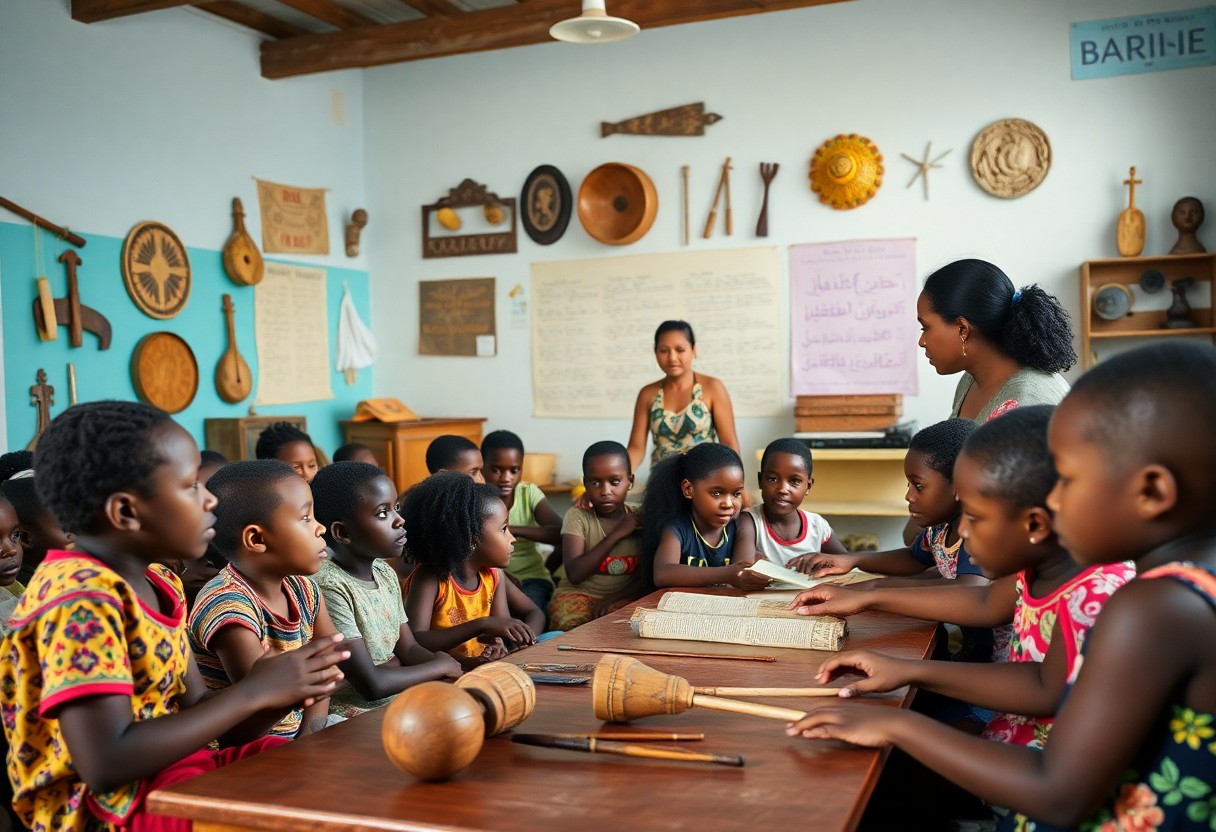
Belizean schools in southern districts have started formalizing Garifuna content through bilingual lessons (English + Garifuna) and cultural education electives. Integration points include:
- Bilingual Instruction short modules, assemblies and language clubs that introduce basic Garifuna vocabulary and songs.
- Curriculum Supplements music, dance and oral history units aligned with national learning objectives.
- Community-Teacher Partnerships elders and master drummers invited into classrooms to lead workshops.
These approaches preserve authenticity by centering local knowledge while giving teachers tools to meet academic standards.
Where To Find Programs (High-Value Table)
| Location | Common programs | How to join |
|---|---|---|
| Dangriga | Bilingual school modules, music ensembles, Battle of the Drums events | Contact local schools or community centers; attend cultural festivals. |
| Hopkins | Weekly language classes, drumming circles, dance workshops | See our Hopkins village guide for timing and local contacts: Hopkins guide. |
| Seine Bight / Punta Gorda | School cultural days, community ceremonies | Coordinate with village councils or your school’s cultural coordinator. |
Planning To Learn Or Visit: A Short Checklist
- Decide Your Goal language basics, music & dance, or school partnership.
- Choose Where Dangriga or Hopkins for the most regular classes and events.
- Contact Locally schools and community centers often post schedules a week in advance.
- Bring Respect observe dress and participation norms; ask elders before recording ceremonies.
Key Success Factors And Common Challenges
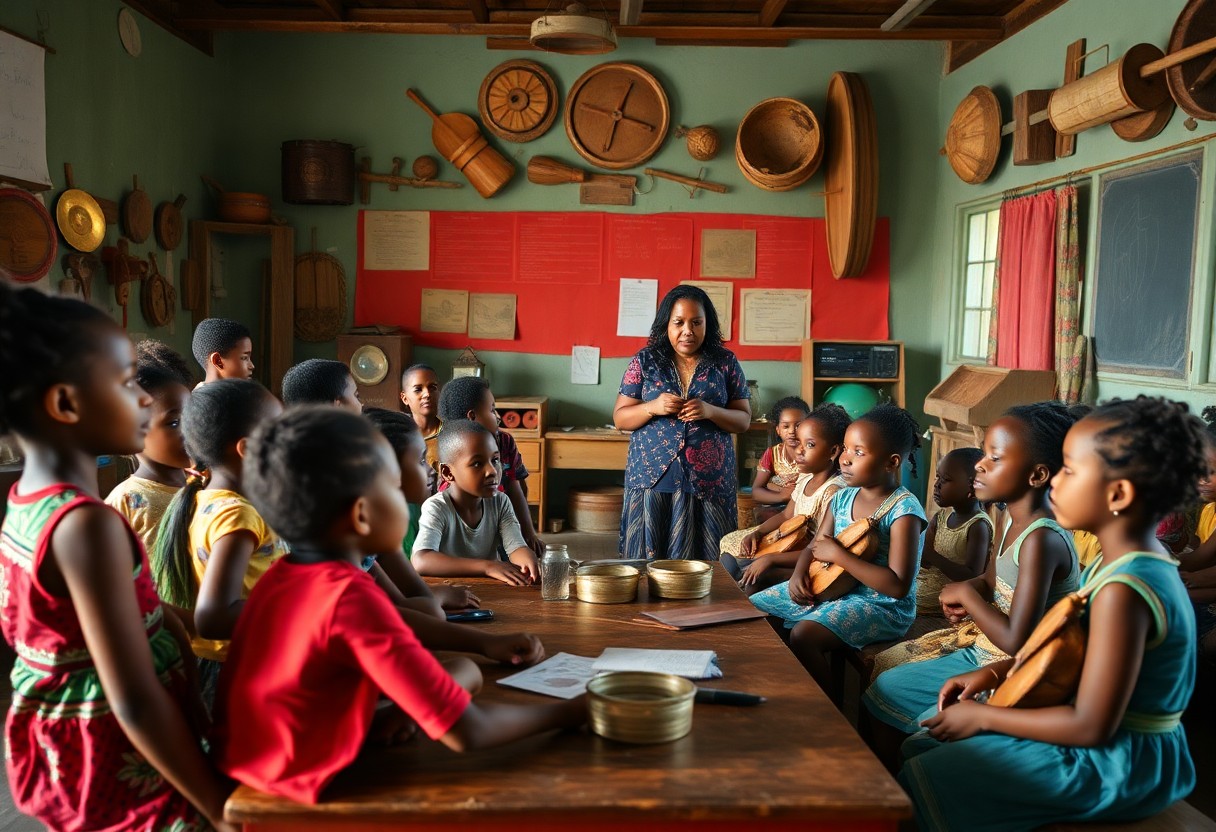
Successful programs combine elder knowledge, school leadership, and consistent resources. Common obstacles are limited teaching materials, few qualified Garifuna-speaking teachers, and language shift at home toward English or Creole. Practical solutions shown to work locally include community-teacher partnerships, mentorships, and digital recording of oral histories to support classroom lessons.
How Visitors And Educators Can Help
If you want to support or participate, consider: volunteering for classes, sponsoring instrument purchases, or arranging cultural exchange sessions with schools. For travelers interested in hands-on cultural learning, our local offerings connect you to authentic classroom and community experiences.
Ready To Experience Garifuna Learning? Book a guided cultural visit or an educational field day:
Frequently Asked Questions
What Is The Difference Between Garinagu And Garifuna?
“Garinagu” is the local plural name used in Belize; “Garifuna” is the widely used international spelling. We use both to reflect local usage and global searches.
Where Can I Find Regular Language Classes?
Hopkins and Dangriga host the most regular community language classes; check local community centers and the Hopkins guide for schedules.
How Long Does It Take To Gain Basic Conversational Garifuna?
With weekly classes plus community immersion (songs, ceremonies), motivated learners often reach basic conversational ability in several months; fluency requires sustained practice with native speakers.
Can Schools Teach Garifuna Without Sacrificing National Curriculum Goals?
Yes — schools integrate cultural modules into arts, language, and social studies. Partnering with elders lets teachers meet both cultural objectives and national learning outcomes.
See also: Educational Eco-Tours and Local Cultural Experiences for booking and schedules.

Vanessa Carter is a passionate travel writer and expert on Belize, dedicated to sharing the wonders of this beautiful Central American destination. With years of experience exploring Belize’s diverse landscapes, vibrant culture, and rich history, she provides readers with insightful tips and guides that inspire adventure. Through her engaging narratives, Vanessa aims to connect travelers with the heart of Belize, making it an accessible and exciting destination for all.
This is such an inspiring look at Garifuna education! It’s fascinating to see how a community can blend traditional knowledge with modern teaching methods, ensuring that their rich heritage doesn’t get lost in a changing world.
It’s great to hear your thoughts on Garifuna education! The way the community integrates traditional knowledge with contemporary teaching methods really stands out to me as well. It’s a testament to their resilience and commitment to preserving their culture while adapting to the realities of the modern world.
It’s interesting you mention the integration of traditional knowledge with contemporary teaching methods. I think that balance is crucial not just for the Garifuna community but for many Indigenous cultures around the world. It’s a way of honoring the past while equipping younger generations with the tools they need to thrive today.
I really appreciate your thoughts on Garifuna education! It’s true that blending traditional values with modern approaches makes a big difference. This mix not only helps preserve their culture but also prepares students for the real world. It’s like giving them the tools to navigate both their roots and the challenges they face today.
You’ve hit the nail on the head there! It’s like making a cultural smoothie—blend the rich flavors of Garifuna traditions with the zing of modern education, and what do you get? A delicious concoction of knowledge that’s hard to resist. Plus, imagine how confused a student would be if they didn’t know whether to dance a punta or prepare for a chemistry exam!
I completely resonate with your perspective on Garifuna education. It’s fascinating how blending traditional values with contemporary methods not only nurtures cultural identity but also equips students with essential skills. I’ve seen similar approaches in various indigenous communities where education is about more than just academic knowledge—it’s also about fostering a sense of belonging and responsibility to one’s heritage.
It’s refreshing to hear your thoughts on the intersection of traditional values and contemporary methods in education. The way you describe indigenous communities resonates strongly; it highlights the importance of creating a learning environment where cultural heritage is revered.
I agree, blending traditional values with contemporary education methods can truly create a more holistic learning experience. It’s like weaving a tapestry where each thread represents a unique aspect of culture and identity. When I think about this, I’m reminded of the work of some amazing educators in indigenous communities who focus on experiential learning—there’s something profound about learning through stories, art, and communal practices.
You’ve brought up some important points about blending traditional values with contemporary learning. It’s fascinating how these approaches can resonate with students on so many levels. Weaving a tapestry of culture and identity isn’t just a metaphor; it becomes a living, breathing part of the educational experience.
You raise an intriguing point about blending traditional values with contemporary education. The metaphor of a tapestry is fitting, as it highlights the richness that a diverse array of cultural threads can bring to education. It’s fascinating how educators in indigenous communities use experiential learning—stories, art, and communal practices—to create an immersive experience that resonates deeply with students.
It’s so encouraging to hear that you resonate with the ideas around Garifuna education. The dynamic between maintaining cultural identity and embracing modern educational techniques is truly fascinating to witness. In many ways, it feels like a dance—each step taken is informed by rich traditions while also adapting to the rhythm of today’s world.
It’s great to hear your thoughts on Garifuna education. I completely agree that blending traditional values with modern approaches creates a rich learning environment. It’s fascinating how this integration can serve not just as a means of cultural preservation but also as a pathway for students to engage with contemporary challenges.
Integrating traditional values with modern educational strategies opens up some genuinely exciting avenues for students. It’s like giving them tools to navigate today’s world while staying grounded in their heritage. Think about how the Garifuna community’s rich history and cultural practices can inform not just local issues, but also broader global challenges like environmental sustainability and social justice.
Integrating traditional values with modern educational strategies really does create a fascinating blend that can empower students in unique ways. I’ve often thought about how important it is for young people to have a strong sense of identity while also being equipped to tackle contemporary issues. The Garifuna community, with its rich history and cultural practices, is a perfect example of how this integration can work.
You’re spot on about the balance between traditional values and modern educational strategies. The challenge lies in how we make that integration meaningful for students. It’s not just about celebrating a culture or deep-rooted identity; it’s about equipping young people with the tools they need to address the complexities of today’s world—whether in a tech-driven economy or in forging social justice.
You’ve touched on such an important aspect of education today. Blending traditional values with modern approaches fosters an environment where students don’t just learn about their heritage; they also gain skills that are practical in today’s world. It’s really about creating a space where students feel connected to their roots while also being equipped to tackle modern challenges.
You’ve touched on something significant there. Blending traditional values with modern approaches in Garifuna education is indeed nuanced. It’s not just about mixing two methods; it’s a balancing act. On one hand, we want to honor and preserve the rich cultural heritage that shapes identities, and on the other, we have to equip students with skills and knowledge that are relevant in today’s fast-paced environment.
You’ve made a really important point about the complexity of blending traditional values with modern approaches in Garifuna education. It’s so true that this isn’t merely a matter of combining methods but really about finding a way to honor that deep cultural heritage while still acknowledging the rapid changes happening around us.
You highlighted a really important point about the balance required in Garifuna education. It’s true that honoring cultural heritage is vital, especially in a world that can sometimes feel overwhelmingly homogeneous. What often fascinates me is how this blending can actually serve to strengthen both the cultural identity and the skills needed in a modern context.
You’re spot on about the importance of blending those traditional values with modern education. It’s like giving students a bridge between their heritage and the challenges they’ll face. I’ve seen how learning in a way that honors their roots can spark real pride and confidence. Plus, those traditional teachings often come with valuable life skills that can be super useful in today’s world. It’s less about choosing one path over the other and more about creating a unique journey that feels authentic. What’s your take on how we can keep expanding this conversation within communities?
You’ve really honed in on something crucial—the idea that education isn’t just about books and tests, but about weaving in the rich tapestry of our backgrounds. When students see their heritage reflected in their studies, it creates a sense of belonging and ownership over their learning. That pride and confidence you mentioned can indeed be transformative.
Absolutely, I couldn’t agree more! It’s all about fostering that dialogue. To delve deeper into this conversation and explore practical ways to integrate traditional values with modern education, check out this insightful resource.
https://xamanekbelize.com/private-and-luxury-tours
You’re spot on about the importance of blending traditional values with modern education. It’s fascinating how integrating cultural teachings can ignite a real passion for learning among students. When they see their own heritage respected and woven into the curriculum, it creates a stronger connection to their identity.
It’s interesting to think about how education can serve as a bridge between generations. The blend of traditional Garifuna knowledge with modern teaching methods truly creates a unique learning environment. When you look at how cultural practices, music, and language interweave into lessons, it not only enriches the educational experience but also strengthens community ties.
I completely resonate with your thoughts on education acting as a bridge between generations. The way traditional Garifuna knowledge is woven into modern teaching really does create this rich tapestry of learning that feels both familiar and innovative at the same time. It’s fascinating how cultural practices, music, and language don’t just serve as subjects to be taught but rather as vital threads that connect people to their heritage and one another.
It’s great to hear your thoughts on how education connects generations. I think you’re spot on about the way traditional Garifuna knowledge enhances modern teaching. It’s not just about passing on facts; it’s about fostering a deeper understanding of who we are through music, dance, and storytelling.
It’s great to hear your take on Garifuna education. The way they weave traditional knowledge with modern teaching methods really highlights the importance of cultural preservation in education. It’s a delicate balance, for sure, especially as globalization continues to influence communities everywhere.
I really appreciate your insight on that. It’s fascinating to see how the Garifuna community navigates the complexities of blending traditional knowledge with contemporary educational practices. It makes me think about the various ways different cultures are striving to maintain their identities in a rapidly changing world.
You’ve hit the nail on the head! Blending traditional knowledge with modern teaching methods is a bit like making a perfect stew—just the right mix of ingredients, or you might end up with a questionable dinner. The Garifuna approach not only preserves their culture but spices it up with fresh ideas.
It’s interesting how you compared blending traditional knowledge with modern teaching to making a stew. That imagery really captures the essence of the process. Each ingredient has its importance, and if one element is out of balance, the whole dish can suffer. The Garifuna approach exemplifies this perfectly, showing how culture and contemporary ideas can come together harmoniously.
I really appreciate your perspective on that metaphor. The idea of balance being crucial in both cooking and education resonates so much. Just like in a good stew, where too much salt can overpower the dish, in education, if we lean too heavily on one aspect—like technology, for instance—we risk losing the richness of traditional knowledge that fosters a truly comprehensive understanding.
I’m glad the stew analogy resonated with you. It’s fascinating to think about how each cultural element adds its own unique flavor to education. The Garifuna approach truly shines in its ability to weave together age-old traditions and modern teachings, creating a richer learning experience.
I appreciate you sharing those thoughts on Garifuna education. It really is a fascinating blend, isn’t it? The way they incorporate traditional practices into the classroom not only keeps the culture alive but also provides a unique perspective on learning.
It really is a fascinating blend, isn’t it? I find it interesting how incorporating traditional practices into the classroom can create such a rich learning environment. It’s like the students are not just learning about their culture but also how to navigate the world with a unique lens.
It’s truly inspiring to see how the Garifuna community in Belize is merging traditional knowledge with modern educational practices. This approach not only enriches the learning experience for students but also plays a crucial role in sustaining a vibrant cultural identity. As someone who has always been fascinated by indigenous cultures and their educational frameworks, I appreciate how this model emphasizes the importance of language and tradition in shaping young minds.
You bring up such a great point about how the Garifuna community is navigating that blend of tradition and modern education. It’s fascinating to see how they’re not just preserving their culture but actively using it as a foundation for learning.
It’s great to hear from someone who shares a passion for indigenous cultures and their educational practices. You’re spot on about how the Garifuna community in Belize is working to combine traditional knowledge with modern approaches. This blending really seems to create a unique educational environment that speaks to both the heart and the intellect.
It’s encouraging to hear that you resonate with the journey of the Garifuna community in Belize and their approach to education. The way they integrate traditional knowledge with modern teaching methods is genuinely fascinating. It’s a delicate dance, balancing the preservation of cultural heritage while also preparing the younger generation for the realities of today’s world.
The balance you mention really struck a chord with me. It reminds me of how many indigenous communities are navigating similar challenges worldwide, trying to ensure their kids have access to the opportunities that modern education provides while also instilling a rich cultural heritage.
It’s true, the Garifuna community’s approach is a compelling model of merging the past with the present. Their emphasis on traditional knowledge really highlights the importance of cultural identity in education. I find it intriguing how this blend not only fosters a sense of belonging but also empowers young people with the skills needed to navigate modern challenges.
I appreciate your thoughts on this. It’s fascinating how the Garifuna community navigates this blend of old and new. Their approach reminds us that education isn’t just about textbooks, but about values, traditions, and experiences. For instance, incorporating storytelling, music, and dance into lessons not only keeps their culture alive but also engages students on a deeper level. It’s a reminder that learning can be a celebration, not just a checklist. This kind of environment nurtures a sense of identity and belonging. It’s really about crafting a holistic experience where students feel connected to both their heritage and the broader world. What are your thoughts on how other communities might adopt similar methods?
You’ve touched on a really important aspect of education that often gets overlooked: the balance between preserving culture and embracing modernity. While it’s inspiring to see the Garifuna community blending traditional knowledge with contemporary practices, there are complexities involved that we shouldn’t ignore.
It really is inspiring to see how the Garifuna community is navigating this blend of tradition and modernity in education. It makes you reflect on how vital it is to preserve cultural identities, especially in a rapidly globalizing world. Merging traditional knowledge with contemporary teaching methods not only helps keep the language alive but also instills a deep sense of pride and belonging in the younger generation.
Your exploration of the transformative journey of Garifuna education in Belize highlights a crucial intersection of culture and modernity that deserves deeper appreciation. It’s fascinating to consider how education in this context is not merely about imparting knowledge but rather becomes a holistic endeavor that nurtures identity and fosters community resilience.
It’s such an interesting point you bring up about the intersection of culture and modernity in Garifuna education. It’s true that education often transcends the simple transfer of information. In this context, it’s really about building a sense of identity and community, which is so critical given the various pressures many indigenous cultures face today.
You’ve touched on an important nuance in the conversation around Garifuna education. The way education can weave together cultural identity and community is profound. It goes beyond textbooks and exams. When people from indigenous backgrounds participate in education that embraces their cultural heritage, it creates a sense of belonging, something that’s increasingly vital in our rapidly changing world.
You make a solid point about education being more than just passing knowledge; it’s about shaping identity and community ties. What’s interesting, though, is how often the systems in place prioritize standardized testing and measurable outcomes over those deeper connections. When we think about Garifuna education, it raises questions about how to balance cultural teachings with the necessities of navigating a modern world that often overlooks those very identities.
It’s fascinating to see how the Garifuna community is intertwining traditional knowledge with modern educational practices. I really resonate with the idea that education goes beyond academics; it’s about nurturing cultural identity and fostering pride in heritage. As someone who has explored various indigenous education systems, it’s inspiring to see how the Garinagu people balance their rich history with the skills needed for contemporary life.
You’ve touched on a critical point about the multifaceted nature of education, particularly as seen in the Garifuna community. The melding of traditional knowledge with modern practices indeed shapes a more holistic approach to learning. It’s refreshing to see this perspective valued, as so often, education systems prioritize standardized testing and rigid curricula over cultural relevance.
You bring up such an insightful point about the education system often sidelining cultural relevance in favor of standardized approaches. I think the Garifuna community’s way of integrating traditional knowledge showcases not just an educational model but a deeper way of life that values heritage and community wisdom. It’s fascinating how this melding can enhance not just intellectual growth, but also social and emotional well-being.
You’ve touched on a crucial aspect of education that often gets overlooked. The Garifuna community’s approach is indeed a beautiful example of how integrating traditional knowledge fosters a more holistic form of learning. It emphasizes that education isn’t just about passing exams or rote memorization; it’s about nurturing the whole person.
It’s interesting how much traditional knowledge can offer in creating a well-rounded educational experience. The Garifuna community’s methods remind me of other cultures that emphasize a holistic approach, like the Maori in New Zealand, where education includes a strong sense of identity and connection to heritage.
It’s fascinating how much traditional knowledge can enrich educational experiences. The Garifuna community’s emphasis on identity and heritage really does seem to parallel the Maori experience in many ways. I’ve read about how the Maori integrate their language and cultural practices into their education system, promoting not just academic skills but also a deep connection to their ancestry.
You raise an interesting point about the parallels between the Garifuna and Maori communities in their approaches to education and cultural heritage. Both groups highlight the significance of identity, which shapes not just how knowledge is shared, but who gets to share it. For the Garifuna, the emphasis on language, dance, and community rituals creates a rich tapestry of learning that goes beyond traditional academic settings. It’s all about making connections—between generations, between cultures, and between individuals.
You raise such a great point about how traditional knowledge can add flavor to education. The Garifuna community’s approach definitely aligns with that beautifully holistic vibe, much like the Māori philosophy you mentioned. It’s almost like a secret recipe for learning that’s been simmering for generations, and it really makes you think about what we’re cooking up in our own classrooms.
It’s great to hear your thoughts on this! The Garifuna community really does present a compelling model of how to merge traditional knowledge with modern education. The way they approach learning as a holistic experience, one that engages the mind and spirit while nurturing cultural identity, is remarkable. It’s about creating a sense of belonging and pride that’s often missing in more conventional schooling systems.
You’ve really highlighted something significant about the Garifuna approach to education. In a world that often prioritizes standardized testing and rigid curricula, their focus on holistic learning stands out as refreshingly human-centered. It’s fascinating how their methods incorporate storytelling, music, and dance—elements that not only make learning enjoyable but also deeply relevant to their cultural identity.
I completely agree with your perspective on the Garifuna community’s approach to education. Their ability to weave traditional knowledge with contemporary practices is not just admirable—it’s vital in today’s world. It reminds me of other indigenous education systems that prioritize holistic learning, focusing not only on academics but also on emotional and cultural well-being.
It’s interesting that you mention the connection between traditional knowledge and contemporary practices within indigenous education, particularly in the Garifuna community. It’s a complex dance, isn’t it? On the one hand, there’s a deep well of wisdom in cultural practices that have been passed down through generations—whether that’s through storytelling, music, or community rituals. On the other, there’s a real challenge for these communities to integrate into a global education system that often doesn’t recognize or value these methods.
While the movement for Garifuna education in Belize is commendable, I can’t help but wonder about the potential challenges these innovative programs may face. In balancing modern teaching methods with traditional knowledge, how do educators ensure the authenticity of cultural transmission? It’s crucial that the educators themselves are not only knowledgeable in the language and customs but also deeply connected to the community’s evolving identity.
You raise some important points about the complexities of integrating traditional Garifuna knowledge with modern educational frameworks. It’s a tightrope walk, balancing innovative teaching methods with the authenticity of cultural transmission, and it raises fundamental questions about what it means to truly educate within a community context.
You make an excellent point about navigating that tightrope between innovative teaching methods and cultural authenticity. It’s not an easy task, especially when traditional knowledge deeply shapes identity and community values. I often think about how educational frameworks, especially in diverse contexts like those of the Garifuna, can sometimes prioritize standardized testing and metrics over holistic understanding.
You raise a really important point about the tension between innovative teaching methods and cultural authenticity. It’s fascinating, isn’t it? In my own experience with diverse educational frameworks, I’ve often seen how standardized testing can overshadow the richness of a community’s cultural practices and values. For the Garifuna, who have such a rich heritage, it’s crucial that any educational approach incorporates their traditional knowledge rather than sidelining it.
This is such an inspiring look at the Garifuna educational movement in Belize. It’s fascinating to see how the integration of traditional knowledge with modern teaching methods can create a holistic learning experience. It reminds me of how indigenous communities elsewhere are also blending their cultural heritage with contemporary education, such as the Māori in New Zealand, who incorporate their language and customs into the curriculum.
It’s true, the Garifuna educational movement captures such a unique blend of tradition and modernity, and it’s inspiring to see how it flourishes in Belize. The way they incorporate traditional knowledge into the curriculum not only resonates with the students but also fosters a sense of pride in their heritage. This reminds me of how powerful education can be as a tool for cultural preservation.
It’s interesting to think about how education can serve as both a bridge and a foundation for cultural preservation, especially in the case of the Garifuna educational movement. The way they weave traditional knowledge into the curriculum really shows how learning can be a living, evolving process rather than just a transfer of facts. It reminds me of similar efforts I’ve seen elsewhere, like in Indigenous education programs in Canada or Australia, where traditional practices are integrated to give students a stronger identity and a sense of belonging.
It’s true, the Garifuna educational movement is a compelling example of cultural resilience and innovation. The way they mix traditional knowledge with modern teaching methods really shows how education can be a living, evolving practice. This notion of blending heritage and contemporary approaches reminds me of the incredible work done by Māori educators in New Zealand, as you pointed out.
You’re spot on about the Garifuna educational movement. The way they weave together traditional practices and modern techniques really does create a unique learning environment. It’s fascinating how these approaches not only preserve culture but also empower the next generation to thrive in a rapidly changing world.
I completely agree with you about the Garifuna educational movement. It’s incredible how they manage to intertwine traditional practices with modern techniques. It really highlights the importance of cultural identity in education.
It’s good to hear your thoughts on the Garifuna educational movement. The blending of traditional practices with modern educational techniques is a fascinating approach that not only enriches the curriculum but also helps students forge a deeper connection with their cultural roots. This movement goes beyond just academic learning; it emphasizes experiential knowledge, which is often overlooked in more conventional education systems.
It’s fascinating how education can serve as a bridge between the past and the present, isn’t it? The Garifuna educational movement really shines a light on the power of integrating cultural heritage into modern learning. It’s like they’re creating a dialogue between generations, allowing traditional knowledge to inform and elevate contemporary practices.
It’s great to hear your thoughts on the Garifuna educational movement in Belize. The way these communities are weaving their traditional knowledge into modern education truly enriches the learning experience. It’s like they are building bridges between the past and the present, and that can’t help but create a more inclusive and well-rounded educational framework.
It really is inspiring to see how the Garifuna educational movement is creating pathways for cultural continuity and resilience in Belize. The blend of traditional knowledge and modern educational practices can be such a powerful way to foster a sense of identity among students.
I completely agree with your thoughts on the Garifuna educational movement. It’s truly remarkable to see how they’re weaving traditional knowledge into modern teaching practices. The holistic approach not only honors their cultural heritage but also empowers students by connecting them to their roots in a meaningful way.
It’s great to hear your thoughts on the Garifuna educational movement! The integration of traditional knowledge with contemporary methods really does create a unique learning environment. It’s interesting to see how different indigenous communities approach this—like the Māori in New Zealand. Their method of weaving language and customs into the curriculum is not just about preserving culture but also enriching the overall educational experience.
I found your exploration of Garifuna education in Belize to be quite profound and evocative. It resonates deeply with the core idea that education is a multifaceted journey—one that reaches far beyond textbooks and standardized tests. The intersection of traditional knowledge and modern teaching methods you describe highlights a crucial aspect of cultural sustainability that often gets overshadowed in mainstream educational discussions.
I really appreciate the insights you’ve shared about the Garifuna education movement in Belize. It’s inspiring to see communities actively engaging in the preservation of their culture while adapting to modern realities. The intersection of traditional knowledge and contemporary teaching methods seems essential for empowering the next generation.
I’m glad you found the insights resonant. The balance between maintaining cultural heritage and adapting to our fast-changing world is such an important conversation. The Garifuna community, with its rich traditions, shows how valuable local knowledge can be when integrated with modern education techniques. This blending not only keeps cultural identities alive but also equips young people with skills that are relevant today.
It’s intriguing to see how Garifuna education intertwines cultural preservation with modern pedagogical approaches. This raises important questions about how other marginalized communities can similarly adapt their educational frameworks without losing their unique identities. For instance, while the Garifuna focus on language and traditions is commendable, I wonder how they navigate the challenges posed by globalization and technological advancement. Will the integration of digital tools dilute their cultural teachings, or can it enhance engagement and accessibility for youth?
You bring up some really critical points about the balance of cultural preservation and modernization in educational contexts. The way Garifuna communities integrate their language and traditions into education is indeed commendable, and it raises an important question about how other marginalized groups might approach similar challenges.
You make such a great point about the Garifuna approach to education. It’s fascinating how they blend their rich heritage with modern teaching methods. I think it really highlights the potential for other marginalized groups to carve out their own space in the educational landscape.
Thank you for your thoughtful insights! If you’re interested in exploring more about how marginalized communities can navigate this balance, check out this resource that highlights various approaches and success stories.
https://xamanekbelize.com/belize-flights