Belize packs 500+ recorded bird species into a small country, so you can see toucans, jabirus and scarlet macaws on the same trip—often within a few hours’ travel. For added planning ideas, see our Wildlife Encounters page early in your itinerary planning.
Top picks: Crooked Tree (wetlands, best for waterbirds, peak Feb–May), Cockscomb Basin (lowland rainforest—toucans & trogons, year-round with best visibility in dry season), and Mountain Pine Ridge (pine forest raptors & Ocellated Turkey; best Nov–May). Bring 8×42 binoculars, a telephoto-ready camera, and plan mornings for prime activity.
- Best season: Feb–May (dry) for resident species; Jun–Jan for migration highlights.
- Difficulty: most sites are accessible; expect 4–8 km walking and occasional rough roads.
- Top species to target: Keel-billed Toucan, Jabiru Stork, Scarlet Macaw, Ocellated Turkey.
Decision Table: Best Spots By Season, Habitat And Difficulty
| Spot | Best season | Habitat | Top species | Access & stay |
|---|---|---|---|---|
| Crooked Tree Wildlife Sanctuary | Nov–May (best Feb–May) | Freshwater lagoons & marsh | Jabiru Stork, egrets, herons | Easy; half- to full-day; boat tours available |
| Cockscomb Basin Wildlife Sanctuary | Year-round (dry season clearer) | Lowland rainforest | Keel-billed Toucan, Trogons, Motmots | Moderate; allow 1–2 nights for trails |
| Mountain Pine Ridge | Nov–May | Pine savanna & mixed forest | Ocellated Turkey, raptors | Roads rough; 1–2 nights recommended |
| Ambergris Caye & coastal cayes | Nov–Apr; migration peaks Sep–Nov | Mangroves, coastal scrub | Frigatebirds, herons, shorebirds | Easy; combine with beach stay |
Where To Go: The Core Birding Sites (What You’ll See And How To Plan)
Crooked Tree Wildlife Sanctuary — Wetlands And Waders
A must for waterbirds: morning boat trips and shallow lagoons make Crooked Tree the top choice for Jabiru Stork and mass wader sightings. Most visitors do a half-day from Belize City; combine with a surface transfer or a short flight. If you want a low-cost option, pair this with broader lowland trips in our budget Belize travel planning notes.
Cockscomb Basin — Rainforest Specialties
For canopy species (toucans, trogons) and mixed forest songbirds, Cockscomb rewards slow walking and early starts. Trails are well-marked and you’ll often see mixed-species flocks. Plan at least one night nearby to arrive at dawn when bird activity is highest.
Mountain Pine Ridge & Southern Savannas
A different feel—pine forest and higher elevation bring specialized species and raptors. Access can be bumpy; factor travel time and allow a full day or overnight. Combine with waterfalls and nature hikes for a fuller visit.
Gear, Guides And Practical Prep
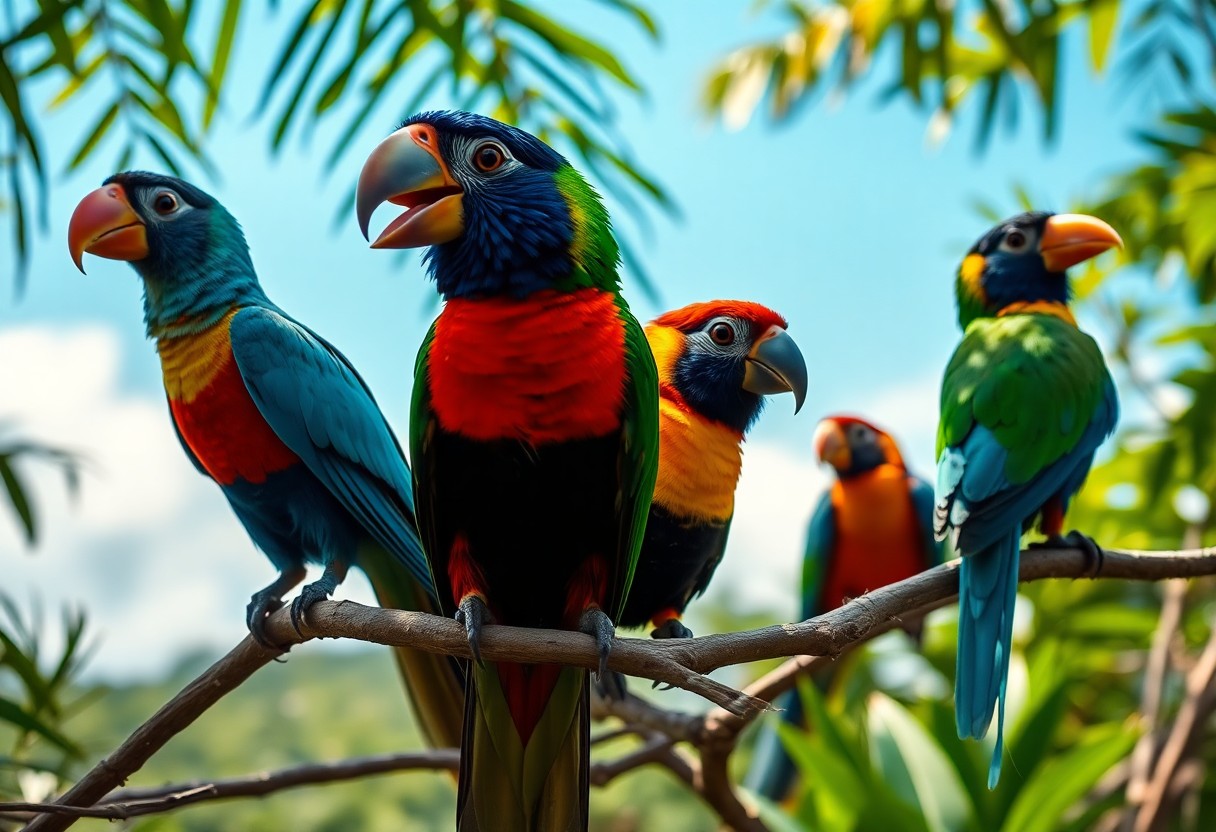
You’ll notice the difference high-quality optics and local knowledge make. Below is a compact kit and a short plan for timing and booking.
- Binoculars 8×42 or 10×42 (or both if you’re serious)
- Camera with 300mm+ lens or teleconverter for distant shots
- Field guide (or Merlin app) + notebook or eBird account
- Light rain jacket, quick-dry layers, hat, sturdy shoes, insect repellent
When To Go And When To Book
Timing changes the species mix: the dry season (February–May) is the clearest window for resident species and easier trail conditions; migration peaks in late summer and fall (Aug–Nov) bring dozens of warblers and transient visitors. For crowded windows (Dec–Mar) or guided specialty trips, book guides and lodges 2–4 months ahead; for shoulder-season trips, 3–6 weeks is usually sufficient.
Hiring A Guide And Permits
Local certified guides raise your odds of finding skulking species and interpreting calls; they also know the seasonal hotspots. For remote sanctuaries or private reserves, check whether permits or lodge bookings are required and confirm transport—roads can be rough after rain.
Combine Birding With Other Belize Experiences
Belize is compact: pair birding with cave tours, reef trips or cultural stops. Popular pairings include an inland rainforest morning followed by an afternoon coastal boat trip. See related activities like the pleasure boating options or an adventurous cave visit at Actun Tunichil Muknal (ATM Cave).
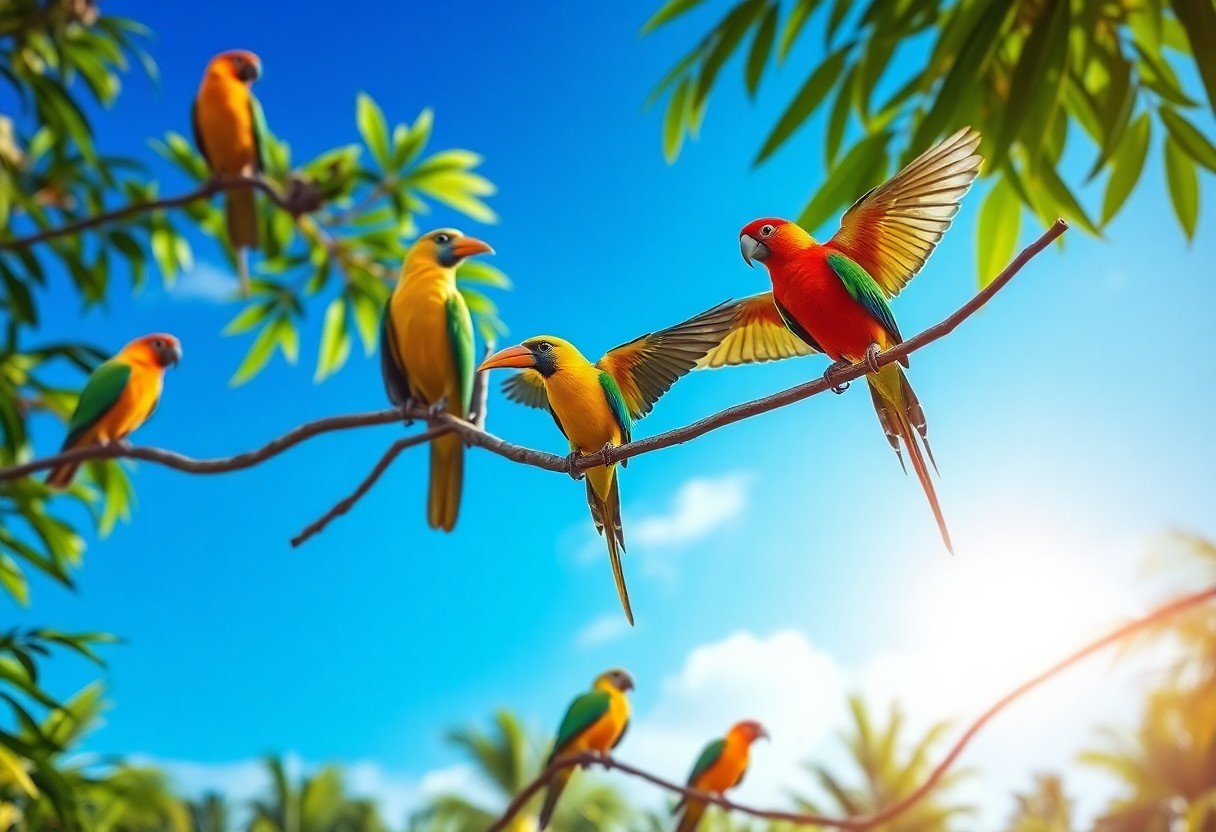
We recommend building a 3–7 day loop: wetlands + rainforest + pine ridge or cayes depending on species targets. For tailored options and booking, view our Wildlife Encounters services or contact us directly to request a customized itinerary.
Frequently Asked Questions
Is Belize A Good Place For Birding?
Yes—its compact geography and habitat variety make Belize one of the best places in Central America to rack up species quickly, from mangroves and wetlands to highland pine forests.
Do I Need To Hire A Professional Bird Guide?
For first-time visitors and those targeting rare or skulking species, a local guide is strongly recommended; guides speed up identification and know seasonal hotspots and access logistics.
What Should I Be Careful Of While Birding In Belize?
Respect wildlife and nesting areas, carry water and sun protection, expect mosquitoes in lowland wetlands, and check road conditions after heavy rain. Confirm lodge and guide bookings in writing.
Further reading: if you want low-cost tips and sample budgets, our budget Belize travel notes show how to pair birding with affordable transport and stays.

Emma Sterling is a passionate travel writer specializing in exploring the vibrant culture, stunning landscapes, and hidden gems of Belize. With a keen eye for detail and a love for adventure, she brings her experiences to life in her engaging Belize Travel Guide. Emma’s insightful tips and local recommendations inspire fellow travelers to discover the beauty and uniqueness of this Central American paradise. Through her writing, she aims to foster a deeper appreciation for Belize’s diverse ecosystems and rich heritage.