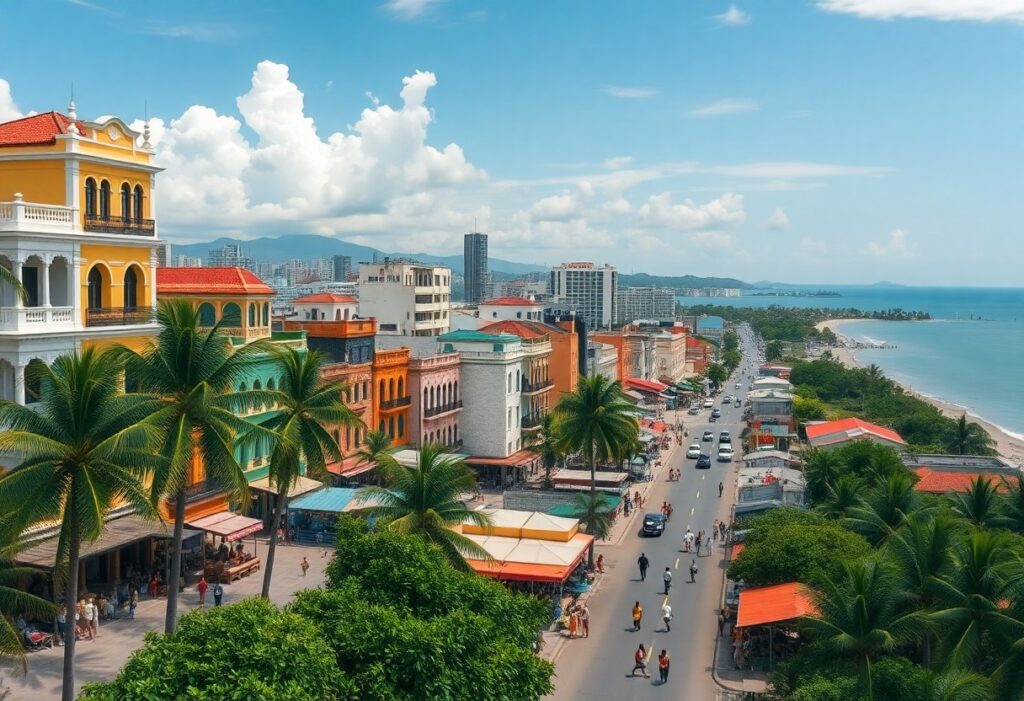
Taste Belize intentionally: each district has signature ingredients—snapper and shrimp in Corozal, cacao in Toledo, cashews in Belize District—and simple checks you should make before you visit producers or markets. For hands-on local experiences and day plans that pair well with these ingredients, see our San Ignacio experiences.
Explore San Ignacio experiences →
- Check Permits Or Closed Seasons First (seafood and some farm tours are seasonal or regulated).
- Confirm Fees And Access—market visits are usually free; farm or chocolate demos may charge a small fee.
- Use Safety And Sustainability As The Go/No-Go Filter—ask how ingredients were sourced before buying or touring.
Quick Pick: Where To Taste What (Decision Table)
| If you have | You want | Do this |
|---|---|---|
| Half day near the coast | Fresh seafood | Visit a Corozal market stall or book a morning fish-market tour. |
| 1–2 days inland | Maya cacao & chocolate | Join a Toledo cacao trail or Cayo chocolate demo—the demo often requires reservations. |
| Quick market stop | Tropical fruit & snacks | Head to Stann Creek or Placencia markets for seasonal fruit and Garifuna bites. |
Signature Ingredients, District By District
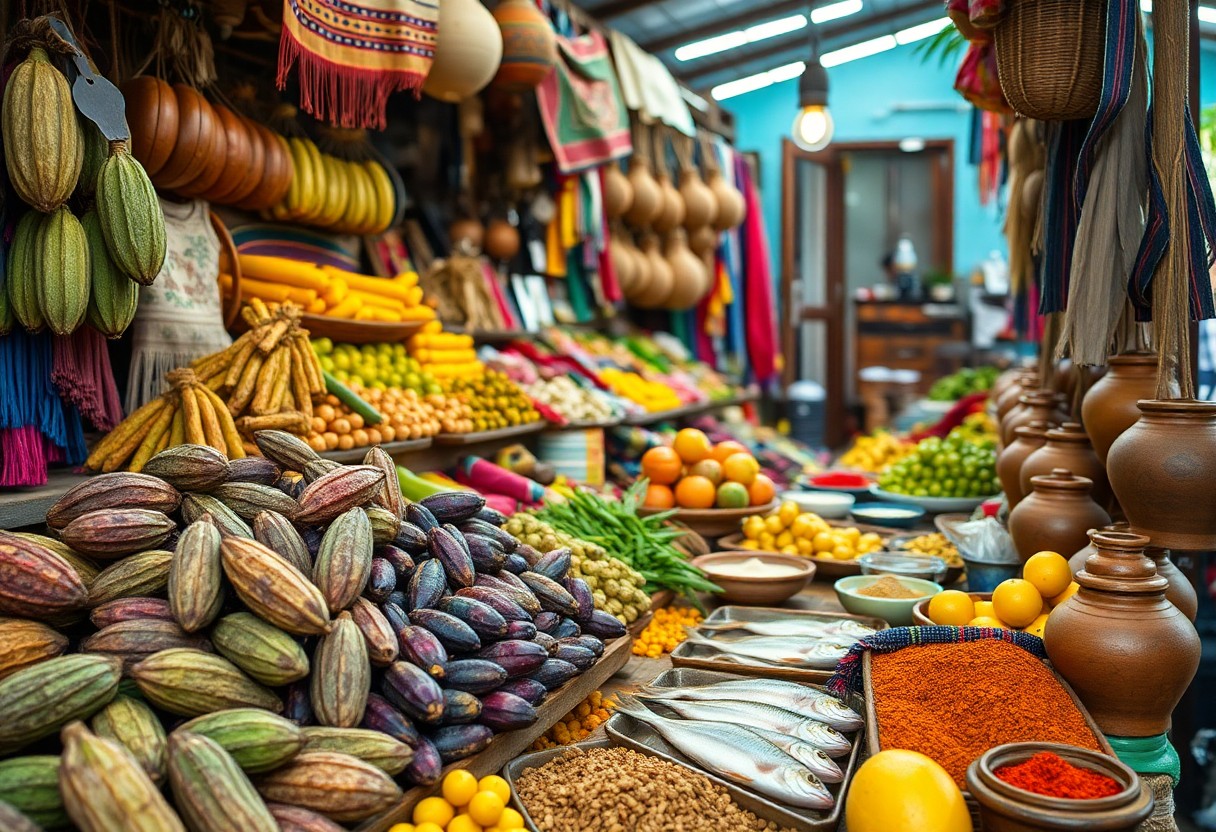
Below is a compact table of the most characteristic ingredients to try in each district and the best local context for tasting them.
| District | Signature ingredients | Where to taste |
|---|---|---|
| Corozal | Snapper, shrimp, citrus | Local fish market stalls; small coastal restaurants. |
| Orange Walk | Sugarcane, corn-based foods, coffee | Roadside stands, town markets and coffee stops. |
| Belize District | Cashews, coconuts, Creole spices | City markets and family-owned eateries. |
| Cayo | Cacao, maize, organic vegetables | Village cooperatives, Maya cooking classes, chocolate demos. |
| Stann Creek | Plantains, seaweed, citrus | Placencia markets; Garifuna eateries and seaweed-farm visits. |
| Toledo | Cacao, organic spices, Maya ingredients | Cacao trails, indigenous co-ops and village tours. |
Where To Go And What To Ask — Practical Tips
Make visits meaningful and low-impact: tell vendors you want sustainably sourced items, ask for provenance, and prioritize small producers. When booking demos or farm visits, ask about group size, fees, and whether the visit benefits local families directly.
Seafood And Shellfish (Coastal Districts)
If you plan to eat queen conch or lobster, confirm the season and local regulations—Belize enforces seasonal closures to protect stocks (see queen conch season details for timing). Prefer sellers who can confirm local catch and size limits rather than packaged imports.
Cacao And Chocolate (Cayo & Toledo)
Book a cacao trail or a village chocolate demo to see processing from bean to bar. Ask whether farmers sell direct and if proceeds support cooperative projects—this is often the difference between a community benefit and a tourist novelty.
Markets And Quick Tastings (All Districts)
- Arrive mornings for the freshest catch and fruits.
- Pay in local currency for easier transactions and better prices.
- Ask sellers which fields, farms or boats supplied an item; local names matter.
Timing And Booking Windows
When to go and when to book depends on the ingredient:
- Seafood Book coastal tours outside the closed seasons; check the queen conch and lobster calendars before travel.
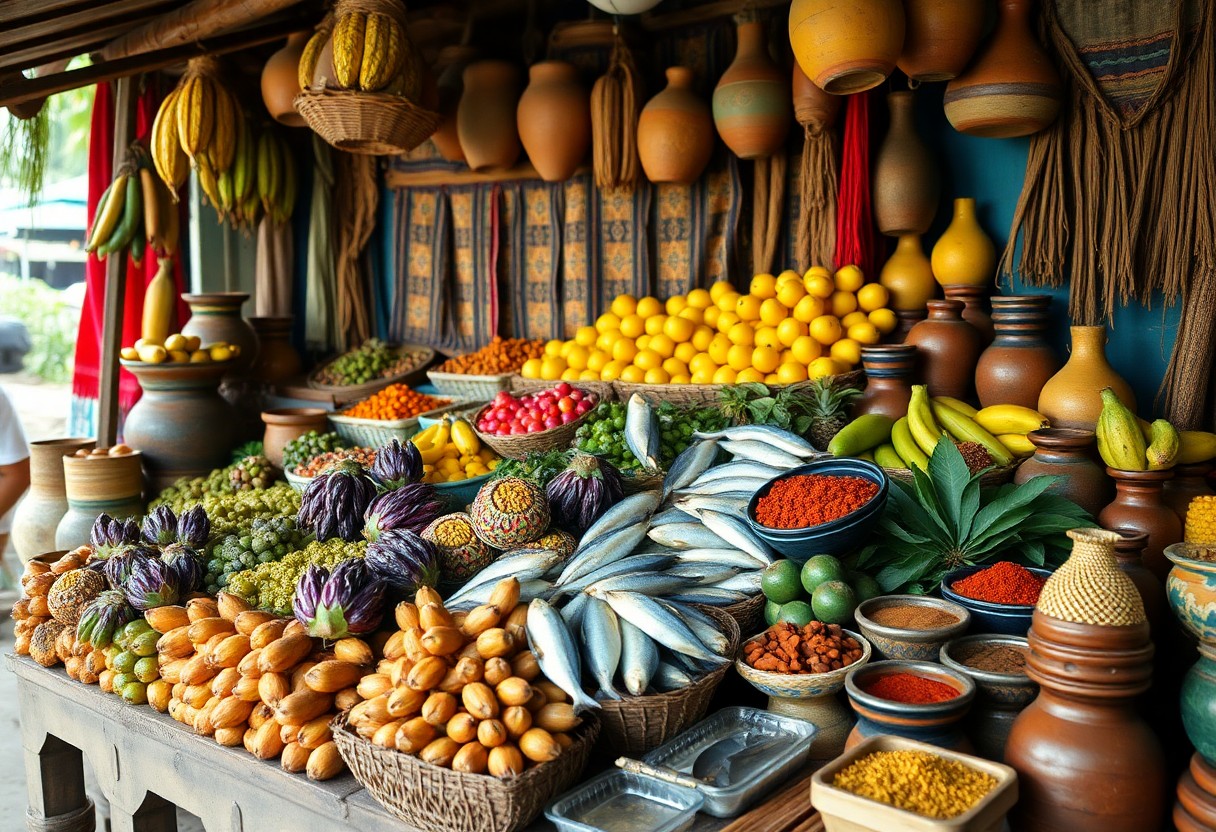
- Cacao Harvest demos and chocolate-making often run year-round, but cacao festivals are typically late summer–fall—book demos 2–4 weeks in advance in high season.
- Fruit & Markets Mango and citrus have short peaks—plan market visits around local fruit seasons; see our month-by-month weather guide to match fruit seasons with weather windows.
A Short Sustainable Sourcing Checklist
- Provenance Ask where it was grown or caught and prefer verified village or family sources.
- Fair Price Confirm proceeds support the farmer or cooperative (ask if there’s a cooperative label or direct-sale practice).
- Low Impact Prefer seasonal items and vendors who avoid single-use plastics.
- Small Groups Choose small tours or visits to ensure benefits stay local and reduce pressure on resources.
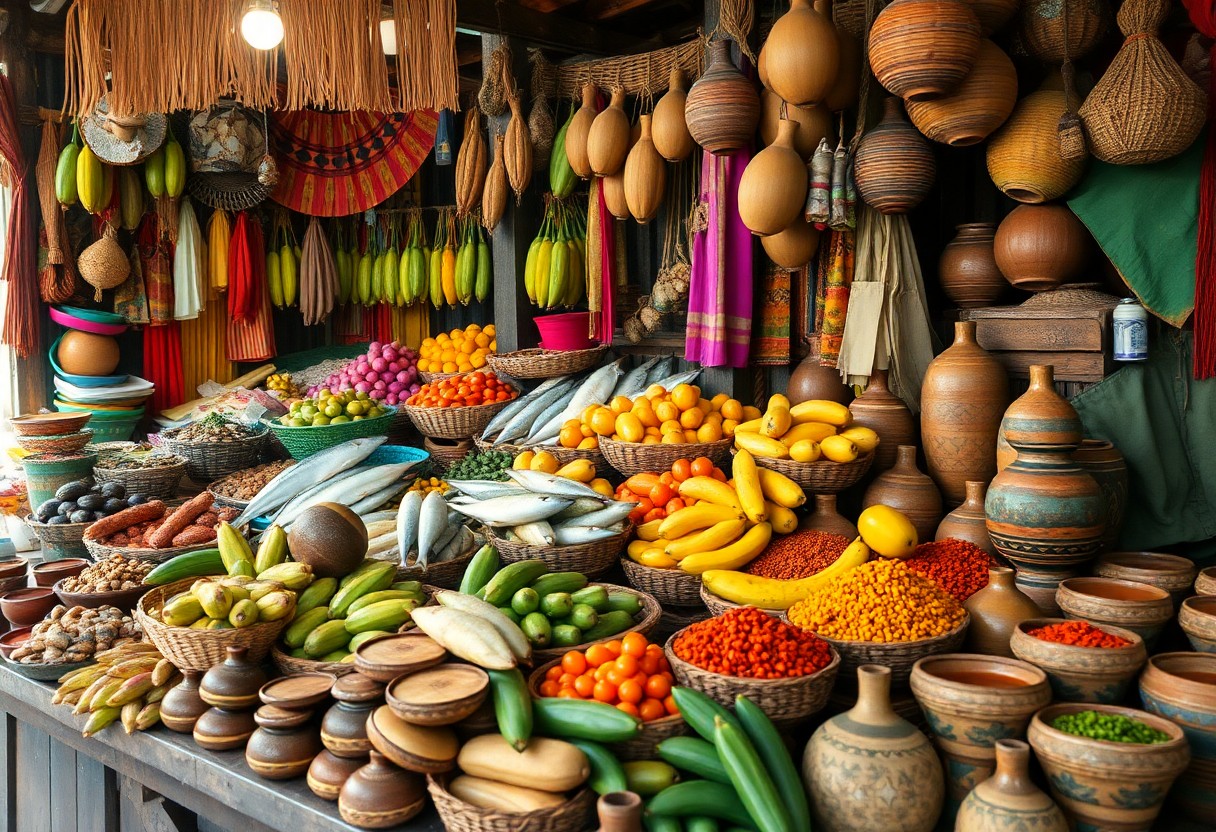
If you want an ingredient-led itinerary that includes village cacao demos and local market stops, our San Ignacio experiences pair especially well with Cayo and Toledo tastings—book early in high season.
Frequently Asked Questions
What Is The Most Common Food In Belize?
Belize commonly features seafood, rice & beans, fry jacks, and corn-based foods—local staples vary by district (coastal districts focus on fish; inland districts highlight maize and cacao).
What Do They Eat For Breakfast?
Popular breakfasts include fry jacks (fried dough), beans and eggs, and fresh fruit—market mornings are the best time to try authentic local breakfast stalls.
Do I Need Permits To Visit Producers?
Most market visits don’t require permits; some protected-area or marine harvest activities and organized farm demos may need permits or bookings—always confirm with the tour operator or community host in advance.
How Should I Tip Or Pay?
Tipping is appreciated in restaurants (5–10% in small establishments). For markets and direct purchases, pay in local currency when possible and offer a fair price—small cash payments directly to producers are the best way to ensure benefits reach families.
Related reading: Queen conch season • Best time to visit Belize • Belize vacation planning.

Vanessa Carter is a passionate travel writer and expert on Belize, dedicated to sharing the wonders of this beautiful Central American destination. With years of experience exploring Belize’s diverse landscapes, vibrant culture, and rich history, she provides readers with insightful tips and guides that inspire adventure. Through her engaging narratives, Vanessa aims to connect travelers with the heart of Belize, making it an accessible and exciting destination for all.