You can make your Belize scuba trip a direct, measurable benefit for coral reefs by choosing conservation-focused dives and consistent low‑impact habits in and out of the water.
- Book A Conservation Or Monitoring Dive with a vetted operator.
- Follow Seven In‑water Rules (buoyancy, no touching, reef-safe sunscreen, secure gear).
- Support Mpas And Citizen Science through fees, donations, or lionfish derbies.
For context on Belize as a dive destination and where most of these programs operate, see our guide to Belize diving.
Decision Table: Choose A Reef‑positive Trip
| If you want… | Do this |
|---|---|
| Hands‑on conservation experience | Book a conservation dive or volunteer program with a local NGO or operator. |
| Low‑impact recreational diving | Choose MPAs, follow in‑water rules, and use reef‑safe products. |
| Support reef protection without diving | Pay park fees, donate to reef programs, or join awareness activities ashore. |
- Pre‑trip Choose a conservation‑minded operator and check certifications; read our planning guide for first‑time visitors to Belize.
- In‑water Maintain neutral buoyancy, keep distance, never touch coral, and secure all gear.
- Post‑dive Report observations, support MPAs with park fees or donations, and join local citizen science if available.
Complete planning guide for first‑time visitors
Practical In‑water Rules (The Seven Essentials)
- Master buoyancy control before attempting restoration tasks.
- Never touch, stand on, or grab coral—use photography and slates for documentation.
- Keep fins and gauges tucked away to avoid contact.
- Use reef‑safe sunscreen or full‑coverage UV clothing.
- Secure loose gear and clip off cameras and reels when near reef structures.
- Follow your guide’s instructions; many MPAs require licensed guides for certain sites.
- Report illegal activity or damage to your operator or park authorities.
Where You Can Make The Biggest Difference
Belize’s protected areas — including Hol Chan Marine Reserve, Glover’s Reef Atoll, and the Blue Hole Natural Monument — funnel visitor fees back into conservation and enforcement. Diving in MPAs supports replenishment zones and funds local monitoring programs; see our overview of the Belize Barrier Reef to pick sites that match your interests.
Belize Barrier Reef diving & snorkeling guide
Conservation Dives And Volunteer Options
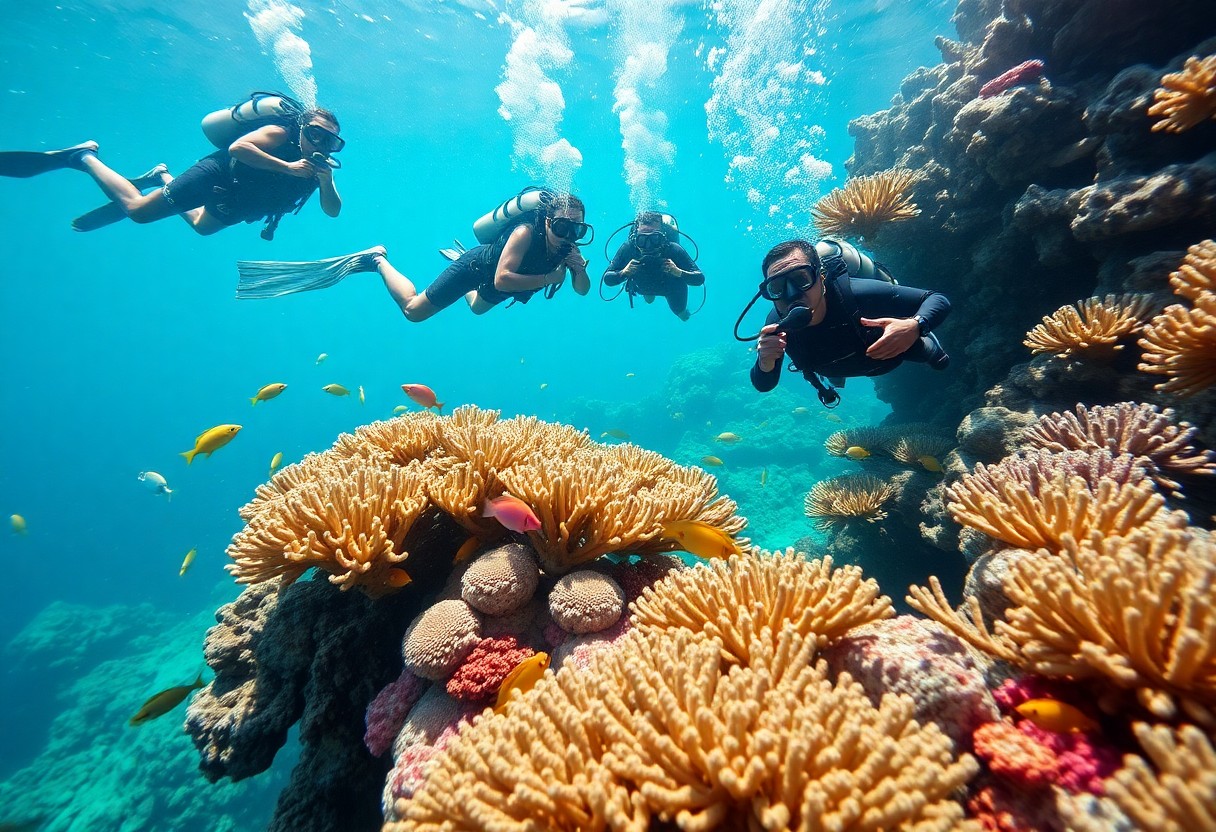
Conservation dives range from single‑day reef surveys to multi‑day coral nursery work. Typical activities include monitoring coral health, transplanting nursery fragments, removing invasive lionfish, and collecting data for long‑term studies. Many programs provide on‑site training and pair divers with marine biologists.
If you’re interested in organized reef restoration, ask your operator about partnerships with local NGOs and whether your dive fees or a percentage of the trip supports reef work. Operators often handle permits and park passes for you.
Certifications And Skills
Minimum: PADI Open Water for shallow reef sites; Advanced Open Water (or equivalent) is required for deeper walls and the Blue Hole. Rescue Diver and specialty courses (survey techniques, coral restoration) broaden your eligibility for volunteer programs.
See our deep‑dive resource for the Blue Hole if your plans include that site.
| Certification | What it allows |
|---|---|
| Open Water | Shallow reef dives, entry to many MPAs under supervision |
| Advanced Open Water | Deeper reef sites, some restoration tasks |
| Rescue / Specialty | Complex conservation dives and survey work |
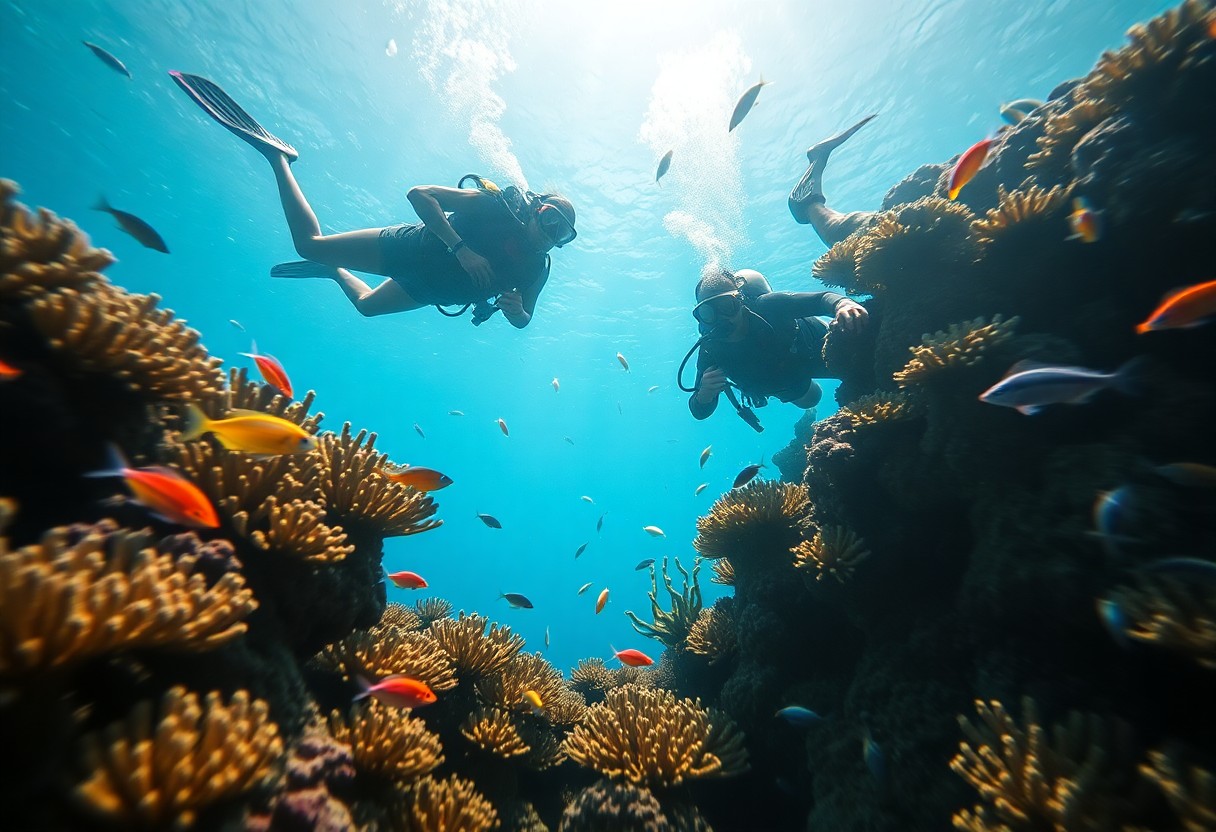
Timing And Booking Window
The peak season in Belize runs November–April (calmer seas and best visibility); book high‑season conservation trips 3–6 months ahead. For Gladden Spit whale‑shark season (March–June) and organized lionfish derbies, reserve spots at least 4–8 weeks in advance because program slots are limited.
Off‑season (May–October) can still be excellent for many reef sites and may offer more volunteer availability and lower costs, but expect more variable weather.
Responsible Gear And Post‑dive Actions
Use reef‑safe sunscreen or zinc oxide garments, secure cameras and reels, and practice proper weighting to avoid contact with coral. After diving, support reef work by:
- Paying park fees and tipping guides who follow conservation protocols;
- Donating to local programs or joining citizen science portals when available;
- Sharing observations (photos + location) with your operator to aid monitoring.
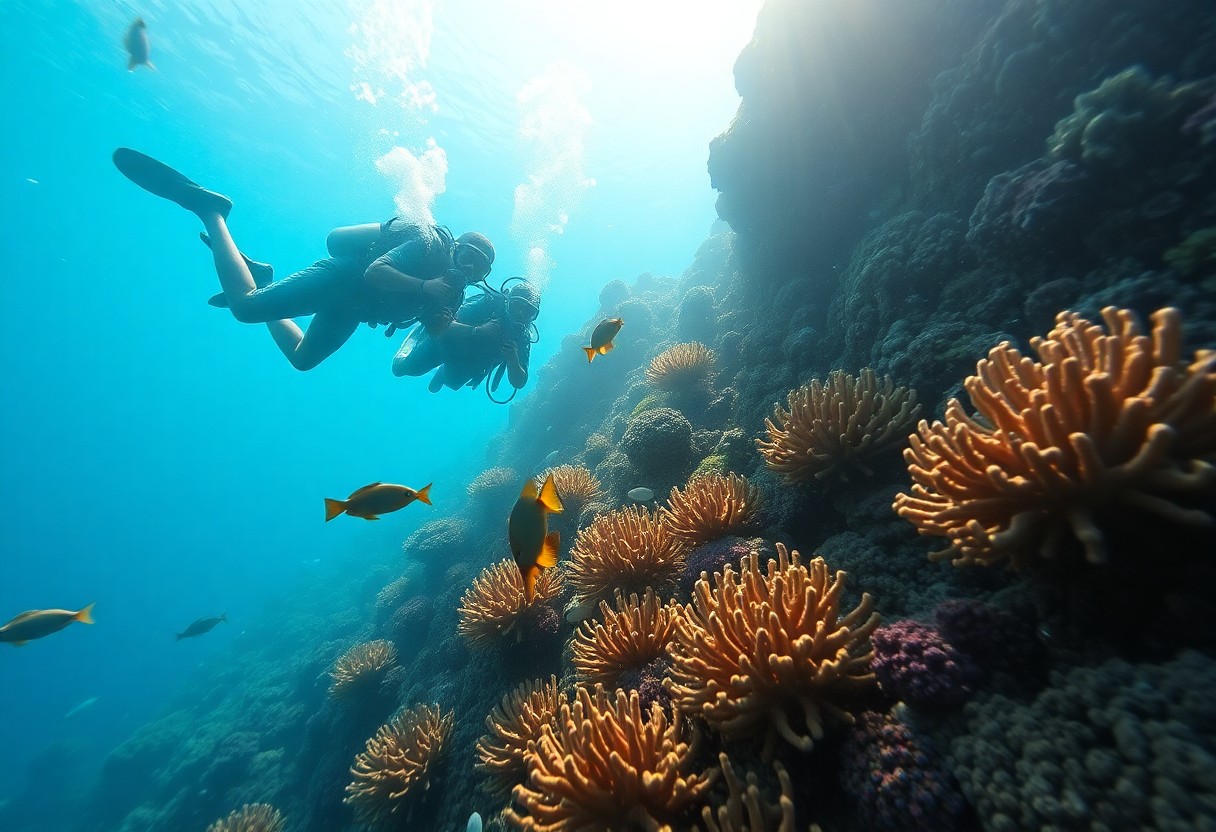
Compare Belize to other eco‑adventure options or explore curated itineraries that emphasize conservation and low‑impact experiences.
Compare Belize vs Costa Rica (eco showdowns)Contact us for itineraries
Frequently Asked Questions
How Can I Participate In Coral Restoration While Diving In Belize?
Join local reef programs run by NGOs and vetted dive operators that run coral nurseries and transplant days. Volunteers receive brief training to safely handle fragments; ask your operator whether fees directly support local restoration work.
What Makes Belize’s Mpas Effective For Reef Protection?
Belize’s MPAs include strict no‑take zones, managed replenishment areas, and a fee structure that funnels funds into enforcement and monitoring—making visitor contributions (park passes, guided trips) an effective conservation tool.
How Can Divers Help With Lionfish Control?
Ask operators about guided lionfish hunts or local derbies; trained divers use pole spears and follow safety protocols so removals reduce invasive pressure and the catch can support local markets or outreach programs.
Related reading: Belize — the ultimate scuba diving destination, Belize Barrier Reef diving & snorkeling, and our complete planning guide.

Liam Cartwright is an avid traveler and author specializing in Belize travel guides. With a passion for uncovering hidden gems and sharing local insights, he captures the essence of Belize’s vibrant culture, stunning landscapes, and diverse activities. Through his writing, Liam aims to inspire adventure seekers and empower travelers to explore the beauty of Belize with confidence and curiosity.