We consolidated this article into our canonical Belize Blue Hole guide to remove duplication and give you one definitive resource; the full, updated guide is here: Belize Blue Hole: Complete Diving & Snorkeling Guide.
Quick Decision — Should You Dive Or Snorkel The Blue Hole?
- Snorkel if you want an easier day trip with coral viewing and surface wildlife; suitable for most visitors.
- Dive if you have Advanced Open Water (recommended) or at least strong open-water experience; expect deeper walls, stalactites, and occasional sharks.
- Book Lead Time 2–8 weeks in high season; see the table below for months and booking windows.
This consolidated page preserves the most useful, unique material from the original post (checklists, photos, and safety notes) and points you to the canonical guide for the full, updated resource. If you plan to book or build an itinerary, start with that canonical page and use the short, practical below sections as a quick planner.
What We Migrated Into The Canonical Guide (And Why This Page Was Consolidated)
To reduce duplicate pages and create a single authoritative resource we merged the best parts of this post into our main Blue Hole article: the canonical guide. The pieces brought over include:
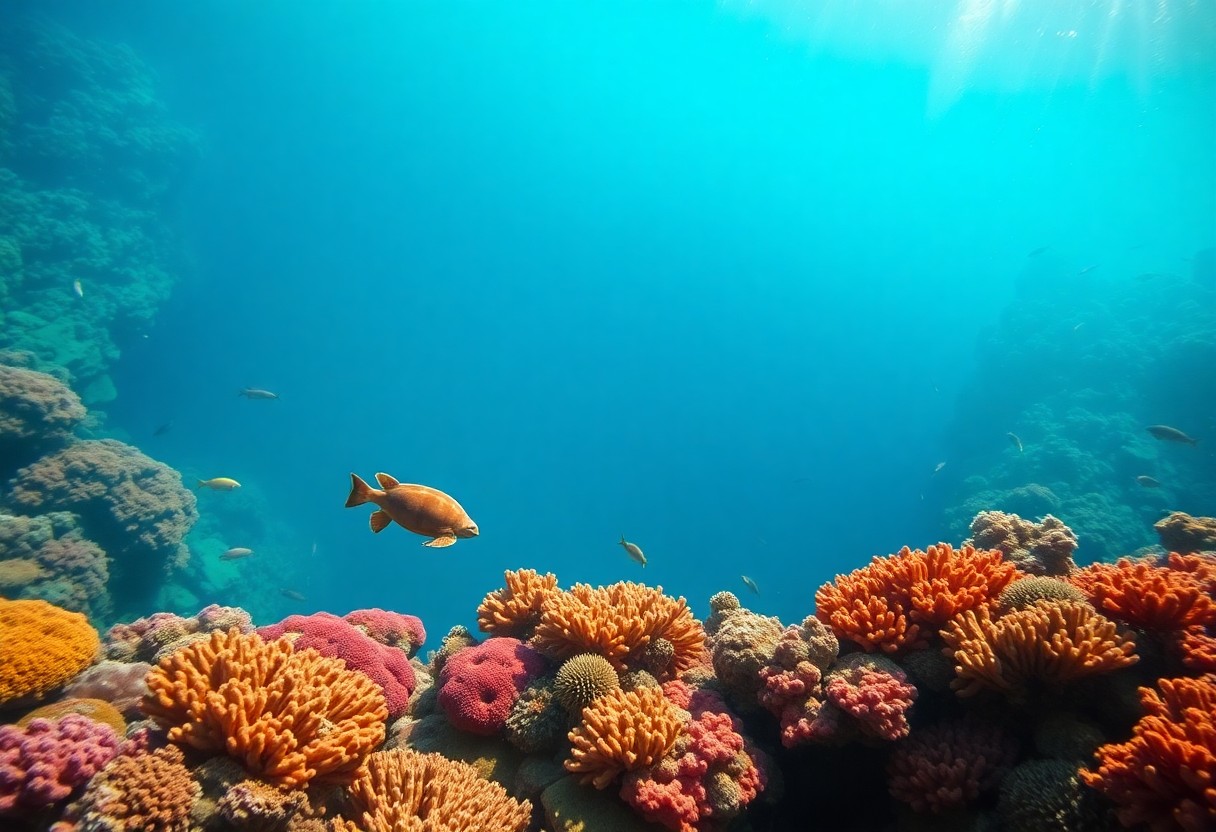
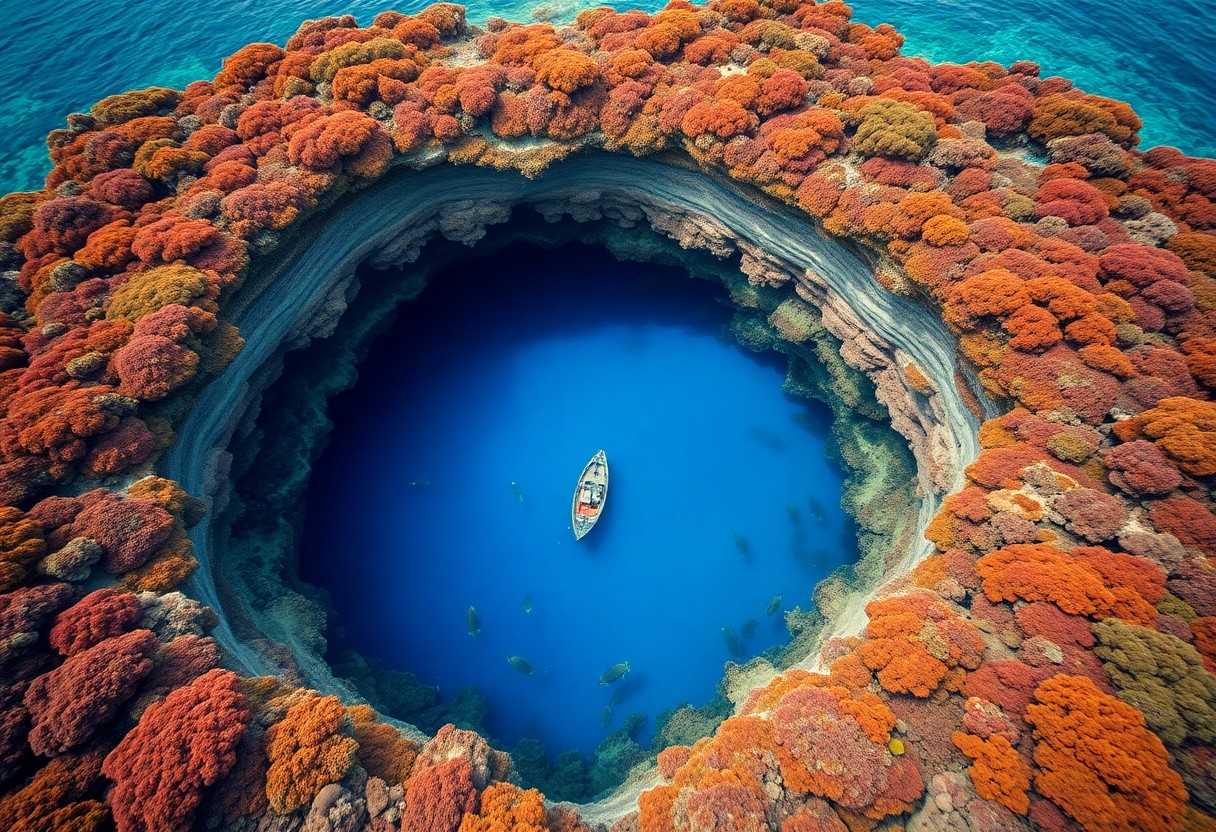
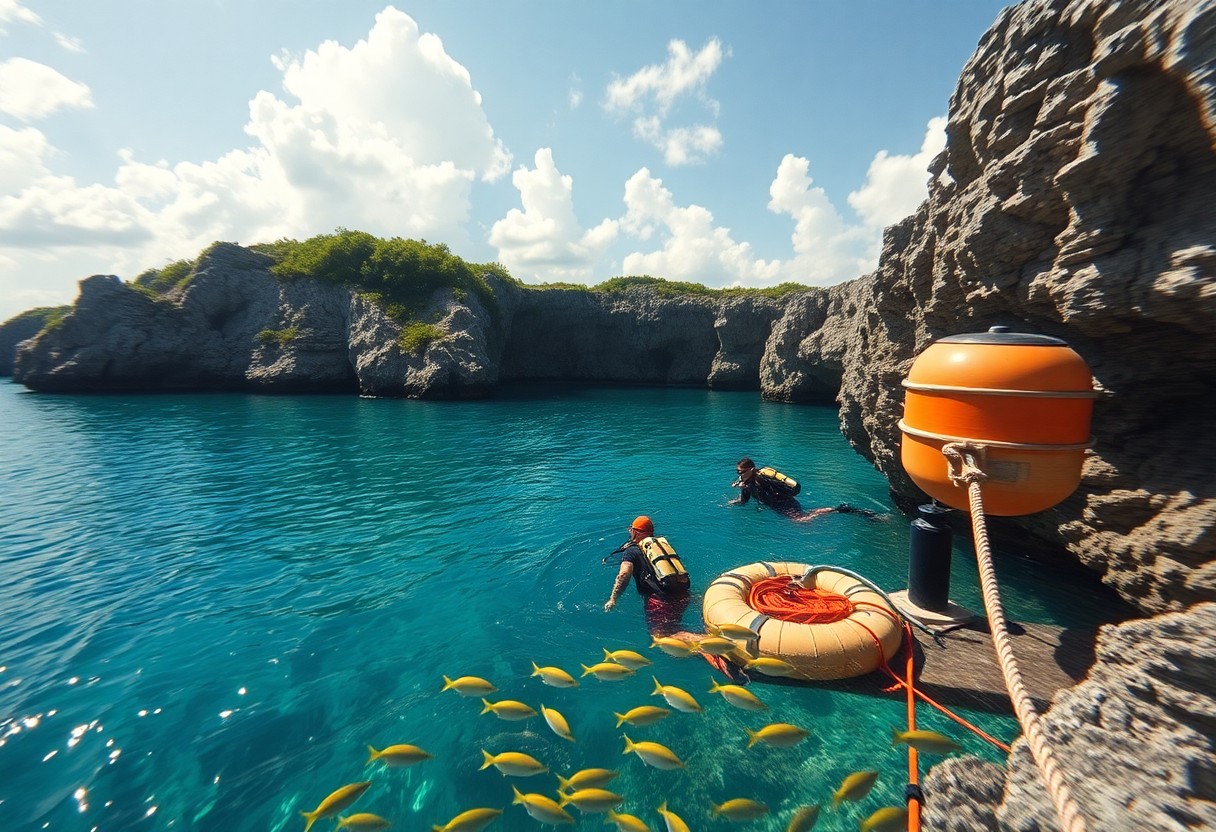
- Three high-resolution photos from this article (preserved to illustrate dive profiles and boat logistics).
- A concise gear checklist for both divers and snorkelers.
- An expanded safety and certification summary (practical thresholds: Open Water vs Advanced, logged dives recommended, emergency points to check with your operator).
- A short decision table (dive vs snorkel) and a booking window recommendation to help you choose dates and tours.
When To Go — Seasonal Windows And Booking Lead Times
Practical note: many operators schedule Blue Hole trips as a full-day voyage from Ambergris Caye or Belize City; travel time to Lighthouse Reef can be up to two hours by boat, so plan a full day and check whether your tour includes Half Moon Caye or snorkel stops.
Essentials: Certification, Safety, And What To Ask Your Operator
Below are the practical thresholds and the safety checks we recommend you confirm before booking.
Certification & Experience
- Snorkelers No certification required; choose a boat that includes shallow reef stops.
- Divers Open Water is acceptable for shallow reef dives, but Advanced Open Water or equivalent is strongly recommended for deeper profiles near the Blue Hole rim and for safety at depth.
- Many operators require logged dives; aim for 20+ logged dives if planning deeper or multi-tank Blue Hole dives.
Safety Checks To Ask Your Operator
- Proof of instructor or dive master qualifications and emergency oxygen onboard.
- Boat capacity and group size—smaller groups give more personalized attention.
- Equipment condition checks (regulators, BCDs) and whether they supply full sets or just tanks/masks.
- Weather/cancellation policy and backup plans (e.g., alternate reefs) in case of rough seas.
For operator safety standards and local tourism requirements, see our overview of adventure activity safety: Belize Adventure Activities: Safety Guide.
Gear Checklist (Divers And Snorkelers)
- Mask, snorkel, and fins (well-fitting mask to prevent leaks)
- Wetsuit (3mm is common; consider 5mm for early-season mornings)
- BCD, regulator, dive computer (for certified divers)
- Weights appropriate for your suit and local conditions
- Underwater camera or housing with adequate memory and batteries
- Sunscreen (reef-safe), hat, polarized sunglasses, refillable water bottle
- Insurance that explicitly covers scuba diving to planned depths
Other Will-Not-Miss Dive And Snorkel Sites (If You Have Extra Days)
The Blue Hole is spectacular, but the surrounding reef systems offer richer shallow-water snorkeling and more frequent wildlife sightings. If you have time, add:
- Belize Barrier Reef — coral gardens and pelagics.
- Hidden underwater gems — top small-boat reefs and walls around the cayes.
- Shore-based reserves like Hol Chan and Shark Ray Alley for approachable snorkeling with abundant life.
Ready To Book? How To Pick The Right Trip
When booking, choose a trip that matches your objective (single-tank snorkel day, two- or three-tank dive trips, or combined itineraries). Confirm what’s included—meals, tanks, weights, and transfer options from Ambergris Caye or Belize City. For personalized planning or to request a vetted operator, contact our team: Contact us.
Read The Consolidated, Full Guide
We moved the detailed dive profiles, full gallery, and the extended safety checklist into the comprehensive version of this guide. For everything—dive site maps, detailed operator criteria, and step-by-step planning—go to the canonical guide:
Short FAQ (Top People‑Also‑Ask Items)
Is It Worth It To Snorkel The Blue Hole?
Snorkeling the Blue Hole gives you the dramatic surface view and a chance to see surrounding reef life, but many snorkelers find the nearby reef stops (Half Moon Caye, coral gardens) offer more vibrant shallow-water wildlife. If your time is limited, pick a tour that combines the Blue Hole view with multiple snorkel stops.
How Much Does A Scuba Trip Cost?
Prices vary by operator and number of tanks; expect higher rates for multi-tank Blue Hole trips that include surface intervals, meals, and longer boat transit. Book early in high season for the best availability and transparent pricing.
Can Beginners Dive The Blue Hole?
Beginners can participate in shallower reef dives elsewhere, but the classic Blue Hole profile is best for divers with advanced training and experience due to depth and potential current. Many operators offer guided snorkel options for beginners.
For a definitive plan that includes maps, operator vetting criteria, and the expanded photo gallery we migrated from this post, read the master article: Belize Blue Hole: Complete Diving & Snorkeling Guide. If you want tailored recommendations or help booking a tour, use our contact page: Contact us.
Note to site editors: this page has been consolidated to avoid cannibalization; remaining unique visual assets were migrated into the canonical guide and a 301 redirect is recommended from this URL to the canonical guide to concentrate ranking signals.

Sophie Daniels is an accomplished travel writer and expert on Belize, dedicated to sharing the beauty and culture of this Central American gem. With a passion for adventure and a deep understanding of the local landscape, she crafts insightful and engaging guides that inspire travelers to explore Belize’s vibrant ecosystems and rich heritage. Through her writing, Sophie aims to connect readers with the heart of Belize, offering practical tips and personal anecdotes that enhance their travel experiences.
I’ve always found the Great Blue Hole fascinating, not just because of its stunning appearance but also due to its geological significance. The fact that it originated during the last Ice Age provides such a rich context for understanding our planet’s history. It’s incredible to think about how the natural formations we see today were shaped by forces over thousands of years!
It’s always refreshing to find someone who appreciates the Great Blue Hole in such depth. Its visual impact is certainly striking, but as you mentioned, that geological story really adds another layer of appreciation.
It’s great to see your enthusiasm for the Great Blue Hole. The connection to its origins during the last Ice Age is truly captivating. When you think about it, the transformations that have taken place over thousands of years are a testament to the planet’s dynamic nature.
Absolutely! It’s remarkable how this geological marvel tells a story of Earth’s evolution. If you’re interested in exploring more about its fascinating history and beauty, check out this insightful resource!
https://xamanekbelize.com/complete-beach-guide-for-all-travelers-in-placencia-village-belize
The allure of the Great Blue Hole is undeniable, and your description beautifully captures its majesty and mystery. It’s fascinating to think about how this natural wonder has captivated the hearts and minds of divers for generations, becoming a symbol of adventure and the quest for exploration. Diving into such a site feels akin to stepping into a living museum—it’s a chance to witness firsthand the beauty and fragility of our planet’s ecosystems.
Your exploration of the Great Blue Hole truly ignites the wanderlust in me! I can still remember the first time I heard about it; the images of those stunning, cerulean depths were simply mesmerizing. It’s fascinating how this natural wonder not only serves as a playground for divers and snorkelers but also as a crucial part of marine research and conservation.
The Great Blue Hole truly captures the imagination, doesn’t it? I’ve always been fascinated by how natural phenomena like this can tell us so much about Earth’s geological history and the delicate ecosystems that thrive in these unique environments. The combination of rich biodiversity and striking visuals is alluring for both seasoned divers and those of us who enjoy snorkeling.
I really appreciate your exploration of the Great Blue Hole! It’s such a fascinating destination, combining natural beauty with a sense of adventure that divers crave. I remember reading about Jacques Cousteau’s findings back in the 1970s, which really put the Blue Hole on the diving map. The way he described the underwater caves and unique marine life still resonates today.
You hit the nail on the head—there’s something magical about the Great Blue Hole that draws people in! Jacques Cousteau really put it on the diving map, didn’t he? I can only imagine the excitement back then, like discovering an underwater treasure chest. Those underwater caves are like nature’s own version of an escape room but with way more fish and a lot less timer.
It’s really interesting to think about how Jacques Cousteau’s work transformed our understanding of marine environments like the Great Blue Hole. His findings truly opened up a world of exploration for divers and sparked a broader appreciation for oceanic ecosystems. The underwater caves he documented showcase such a unique geological formation, don’t you think?
Reading about the Great Blue Hole really brings back memories of my own diving adventures. I think what makes this spot so special isn’t just the beauty and the thrill of those deep blue waters—it’s the whole experience surrounding it. Every dive demands respect for the ocean and awareness of what lies beneath. I remember my first time diving at a similar site; the anticipation before descending was palpable, and as soon as I hit the water, it was like entering another world.
You captured the essence of diving beautifully. The anticipation you felt before your first descent really resonates with anyone who has immersed themselves in the underwater world. That moment when you enter the water and your senses are overwhelmed by the shifting light, the sounds muffled by the surrounding blue—it’s transformative. Diving isn’t just about the views; it’s an invitation into a realm that humbles us, surrounded by ecosystems that have thrived for eons.
“That’s beautifully said! If you’re looking to relive those unforgettable diving moments, check out this guide to exploring incredible dive sites like the Great Blue Hole.”
https://xamanekbelize.com/belize-car-rental
Reading about the Great Blue Hole really takes me back to my own diving experiences, and I couldn’t agree more about its unrivaled beauty. I had the chance to dive in Belize a couple of years ago, and exploring that massive sinkhole was like entering an entirely different world. There’s something utterly humbling about floating over such a deep blue abyss, surrounded by the paradox of vibrant life teeming in the water above.
The Great Blue Hole really does sound like a diver’s dream come true! Every time I think about it, I can’t help but feel a mix of excitement and a touch of apprehension given the mention of those dangerous sharks. But isn’t that part of the thrill? It’s fascinating how such a geological formation has become a haven not only for divers but also for researchers eager to study marine ecosystems.
Your exploration of the Great Blue Hole as a diving destination is compelling, and it raises a number of interesting points regarding the intersection of natural beauty, adventure tourism, and environmental conservation. As divers and snorkelers flock to such marine wonders, it becomes crucial to consider not only the allure of these experiences but also the potential impact on the ecosystems we so eagerly wish to explore.
You raise such an important point about the balance between enjoying nature and protecting it. The Great Blue Hole is a breathtaking sight, drawing in adventure seekers from around the globe, but with that allure comes the responsibility to safeguard these delicate ecosystems.
While the Great Blue Hole undoubtedly serves as a breathtaking natural phenomenon, I find myself pondering its global significance beyond the diving experience. As divers flock to its depths, it’s essential to consider the environmental impact of increased tourism on such a delicate ecosystem. The vibrant coral reefs and diverse marine life are more than just appealing visuals; they are intricate parts of our planet’s health.
You bring up an important point about the balance between the allure of the Great Blue Hole and the environmental implications of tourism. The vibrant coral reefs and diverse marine life you mentioned are not just beautiful; they play a crucial role in our planet’s ecosystems.
“You’re absolutely right to highlight the delicate balance between tourism and ecosystem health. If you’re interested in exploring sustainable ways to appreciate the Great Blue Hole while protecting its beauty, check out this resource.”
https://xamanekbelize.com/belize-car-rental
What an incredible overview of the Great Blue Hole! I vividly remember my first dive there a couple of years ago—there’s truly nothing like being submerged in those stunning blue waters. The way the light filters down through the water gives everything an ethereal quality, and coming face to face with a nurse shark felt both exhilarating and a bit daunting.
The Great Blue Hole really is an incredible place! I had the chance to dive there last year, and it was a surreal experience to witness the depths and the marine life up close. Encountering the nurse sharks was thrilling, but I’ve also heard so much about the fascinating ecosystems surrounding Belize.
It’s great to hear about your diving experience at the Great Blue Hole! It really does have a way of making you feel small, doesn’t it? Swimming among those depths and observing the marine life firsthand can be a life-changing experience. Encountering nurse sharks must have been a highlight—those creatures are surprisingly gentle despite their imposing presence.
Exploring the Great Blue Hole is truly a remarkable experience that can deepen our appreciation for marine ecosystems. Having dived in similar underwater wonders, I found that understanding the geological history, like the formation during the last Ice Age you mentioned, enriches the dive itself. The diverse marine life, including the shark encounters, highlight both the beauty and fragility of these ecosystems. It might be interesting to consider how conservation efforts are impacting tourism in Belize. As more divers flock to these sites, there’s a growing need for sustainable practices to preserve the unique environments we seek to explore. Have you come across any initiatives aiming to protect such delicate areas while still allowing for adventure?
The Great Blue Hole truly is a remarkable destination that encapsulates both the beauty and fragility of our oceans. Having visited Belize recently, I found the contrast between the deep blue water and the surrounding coral formations to be nothing short of mesmerizing. However, it also made me reflect on the environmental challenges these natural wonders face.
Exploring the Great Blue Hole certainly sounds like a dream adventure for any diving enthusiast! The idea of encountering both the beauty and the danger of its diverse marine life adds a thrilling element to the experience. I remember reading about how the Hole serves as a sanctuary for numerous species, including those intimidating sharks. It’s fascinating how these environments maintain their intricate balance of life.
The Great Blue Hole truly is a fascinating marvel! I remember reading about the diverse ecosystems that thrive in such unique underwater environments. It’s intriguing how places like this can shape local culture and even boost tourism in Belize. I’ve always been fascinated by how geological formations like the Blue Hole can provide habitats for species that might otherwise be threatened.
Ah, the Great Blue Hole! A natural wonder that many of us dream about while lounging in our living rooms, wrapped in layers of blankets and armed with potato chips, under the guise of “research.” It seems that every ocean-loving adventurer has a “bucket list,” and for those of us who have developed a slight aversion to cold water and require an annual supply of Vitamin D, the Great Blue Hole is often the star of the show.
The Great Blue Hole truly represents an extraordinary intersection of geology and marine biodiversity, making it a prime subject for exploration in both recreational diving and scientific study. It’s fascinating to consider how this natural wonder has garnered attention not just as a diving destination, but also as a valuable site for research on coral reef ecosystems and climate change impacts.
Your exploration of the Great Blue Hole is a reminder of how our planet still holds vast and breathtaking wonders that beckon adventurers and nature enthusiasts alike. The fact that this marine sinkhole has become a symbol of both natural beauty and ecological importance really underscores the delicate balance between tourism and environmental conservation.
Exploring the Great Blue Hole sounds like such an exhilarating experience! I’ve always been fascinated by how natural wonders like this not only showcase the beauty of our planet but also serve as reminders of its incredible geological history. The formation of the Blue Hole during the Ice Age really makes you think about the Earth’s climate changes over millennia.
It’s fascinating to think about how the Great Blue Hole has been shaped over thousands of years, transforming from a limestone cave during the last Ice Age to the stunning blue sinkhole we see today. This natural wonder not only attracts divers and snorkelers but also captivates those of us who appreciate geological history and marine biodiversity. I remember the first time I learned about the Great Blue Hole in a documentary; I was immediately struck by its stark beauty and the mysteries that lie beneath the surface.
The Great Blue Hole is indeed a fascinating subject, and your post beautifully encapsulates its allure and significance. Having had the opportunity to dive in Belize myself, I was struck not only by the incredible visibility but also by the stark contrast of life between the open ocean and the sinkhole’s depths. The vibrant marine ecosystems surrounding the structure are a testament to the importance of coral reefs and marine conservation efforts in the region.
Diving in the Great Blue Hole sounds like a bucket list item that actually lives up to the hype! The visibility must have been something else; it’s like nature’s own IMAX theater down there. I can only imagine the feeling of drifting from the kaleidoscope of life on the surface into those deeper, quieter blues—it’s like stepping off the main stage and into the backstage intrigue of the ocean.
The Great Blue Hole truly encapsulates the delicate balance between natural beauty and marine conservation. Having visited Belize last year, I was both mesmerized and concerned about the environmental implications of such a popular diving destination. The diverse marine life you mentioned, including the sharks and vibrant coral reefs, plays a crucial role in the health of the whole ecosystem. It’s fascinating to think about how tourism can impact these natural wonders—not just from an environmental standpoint, but also culturally.
Your exploration of the Great Blue Hole truly captures the allure of this extraordinary destination! I’ve dreamed of diving there for years, and reading about its geological formations and the wealth of marine life only fuels that excitement. The sheer scale of the Blue Hole is mind-boggling, and I often find myself captivated by images of its deep blue depths—a contrast to the vibrant corals that surround it.
Your description of the Great Blue Hole paints such a vivid picture of both its beauty and the thrill of diving there. Having had the chance to visit Belize a few years back, I can completely relate to the magic that surrounds this UNESCO World Heritage site. The sheer size of the Blue Hole is staggering, and standing on the deck of a boat above it, gazing down into those deep azure waters, feels almost surreal.
Your description really captures that moment of standing over the Great Blue Hole. It does feel surreal, doesn’t it? The contrast of those deep azure waters against the vibrant coral reefs surrounding it is something that sticks with you long after the trip. I remember experiencing that same sense of awe—wondering what lies beneath and feeling a mix of excitement and respect for the marine life down there.
It really is an incredible experience, standing on that precipice and looking out at the Great Blue Hole. The way the colors shift from deep blue to lighter shades as you get closer to the reef is captivating. It does evoke a sense of respect for the vastness of the ocean and the mysteries it holds.
Ah, the Great Blue Hole—where you can dive into the depths of your fears and come face to face with your mid-life crisis in the form of a curious shark! I mean, who wouldn’t want to do cardio while being surrounded by the ocean’s answer to a black hole? I can already see the Instagram caption: “Braving the abyss before my next existential crisis!”
You’ve painted quite the picture with your thoughts on the Great Blue Hole. It’s fascinating to think of it as a metaphor for facing our fears, especially in that mid-life space where so many of us start questioning what we’ve done and what’s next. Diving into the depths—literally in this case—can feel like a way to confront all those unanswered questions that swirl within us.
Reading about the Great Blue Hole truly sparks a sense of adventure and wonder. As someone who’s been captivated by the ocean since childhood, I find the mysteries hidden beneath the surface endlessly fascinating. The Blue Hole’s design as a marine sinkhole not only intrigues from a geological perspective but also opens the door to countless stories of exploration and discovery.
Exploring the Great Blue Hole has been on my bucket list for ages! I love how you highlighted its geological formations and marine life. It’s fascinating how this natural wonder formed so long ago and now serves as a home to diverse species, including those sharks that always get me a bit anxious yet excited at the same time.
Your post touches on the allure of the Great Blue Hole, but it’s important to consider the environmental implications of increased tourism in such delicate ecosystems. While many of us dream of diving into its mesmerizing waters, we should also be mindful of the impact our presence has on the marine life and coral reefs.
The Great Blue Hole certainly captivates divers and snorkelers alike, but I wonder about the broader implications of its popularity. As tourism increases in such sensitive ecosystems, how do we balance the allure of exploration with the preservation of marine life and habitats? The unique geological formations and biodiversity could easily be disrupted by an influx of visitors, especially if safety measures and responsible diving practices aren’t strictly enforced.
You raise an important point about the balance between the thrill of exploring places like the Great Blue Hole and the need to protect its delicate ecosystem. It’s a fascinating place, but with that allure comes a responsibility. The influx of tourists does bring economic benefits, no doubt, but it can also put pressure on these unique habitats.
Your exploration of the Great Blue Hole shines a light on not just its beauty, but also its ecological significance. As a nature enthusiast and occasional diver, I find it fascinating how such locations can encapsulate both wonder and a responsibility for environmental stewardship.
I appreciate your thoughts on the Great Blue Hole; it’s a real gem out there, isn’t it? It’s almost like nature decided to create the world’s largest swimming pool and then added a splash of mystery and a dash of intrigue for good measure. Diving there really pulls you into a realm where vibrant marine life and geological wonders collide—like an underwater episode of “Survivor,” but with less drama and more fish.