Pinpoint the fastest routes and transport choices between Belize’s main hubs—Belize City, Ambergris Caye (San Pedro), and Placencia—so you can lock an itinerary without guesswork. Open the linked interactive map, use the quick decision table, then follow the planning links to build the rest of your trip.
Decision table — pick the hub (fast reference)
Notes: times and prices are approximate and depend on season and carrier; for full transport options see our Getting Around guide.
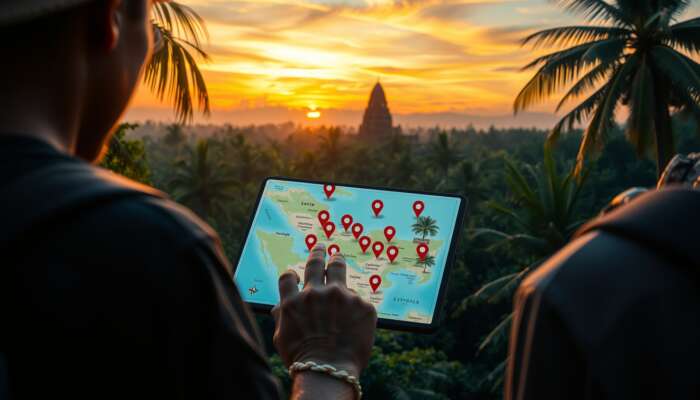
How to use the interactive map
Open the live map to see key POIs, suggested routes, and anchor points for turn-by-turn directions. If you prefer a quick visual check, use the Google Maps Belize overview linked here: Google Maps: Belize. If you need an offline plan, drop pins for your hotel and main activities and export or screenshot your route before you travel.
- Open the map and search for your arrival hub (airport or ferry terminal).
- Drop pins for your accommodation and main activities (diving spots, ruins, beaches).
- Pick transport: flight for speed to cayes, water taxi for budget/experience, shuttle for road access.
- Save or screenshot offline; note cash-only vendors (water taxis, local shuttles).
Which hub should you choose?
Match the hub to your trip priorities:
- Ambergris Caye / San Pedro: Best for diving the Belize Barrier Reef and quick beach stays; book flights if you want speed.
- Placencia: Easier road access to southern cayes and a relaxed beach town vibe; good for families and driving itineraries.
- Belize City: Useful arrival hub and transfer point; plan onward travel the same day where possible to avoid overnight airport waits.
- Cayo / San Ignacio: Pick this for inland adventure—Maya ruins, cave tubing, and jungle lodges.
Practical travel checklist (must-do before departure)
- Download offline maps for your phone and screenshot critical routes.
- Carry small USD/BZD cash for water taxis, tips, and local vendors.
- Check domestic flight Luggage rules—small aircraft have strict limits.
- Confirm pickup times with your hotel or operator; inland roads can add 30–90 minutes in rain season.
- For diving or Blue Hole trips, see our detailed guide: Blue Hole diving guide.
Where to go next (booking & itinerary help)
When you’ve chosen a hub, use our planning pages to complete bookings and build day-by-day plans.
Short FAQ (top traveler questions)
Is Belize safe for American travelers right now?
Ambergris Caye or Caye Caulker — which to choose?

If you want a ready-made itinerary after you pick a hub, our Ultimate Planning Guide includes day-by-day templates, accommodation picks, and recommended operators to book next.

Sophie Daniels is an accomplished travel writer and expert on Belize, dedicated to sharing the beauty and culture of this Central American gem. With a passion for adventure and a deep understanding of the local landscape, she crafts insightful and engaging guides that inspire travelers to explore Belize’s vibrant ecosystems and rich heritage. Through her writing, Sophie aims to connect readers with the heart of Belize, offering practical tips and personal anecdotes that enhance their travel experiences.
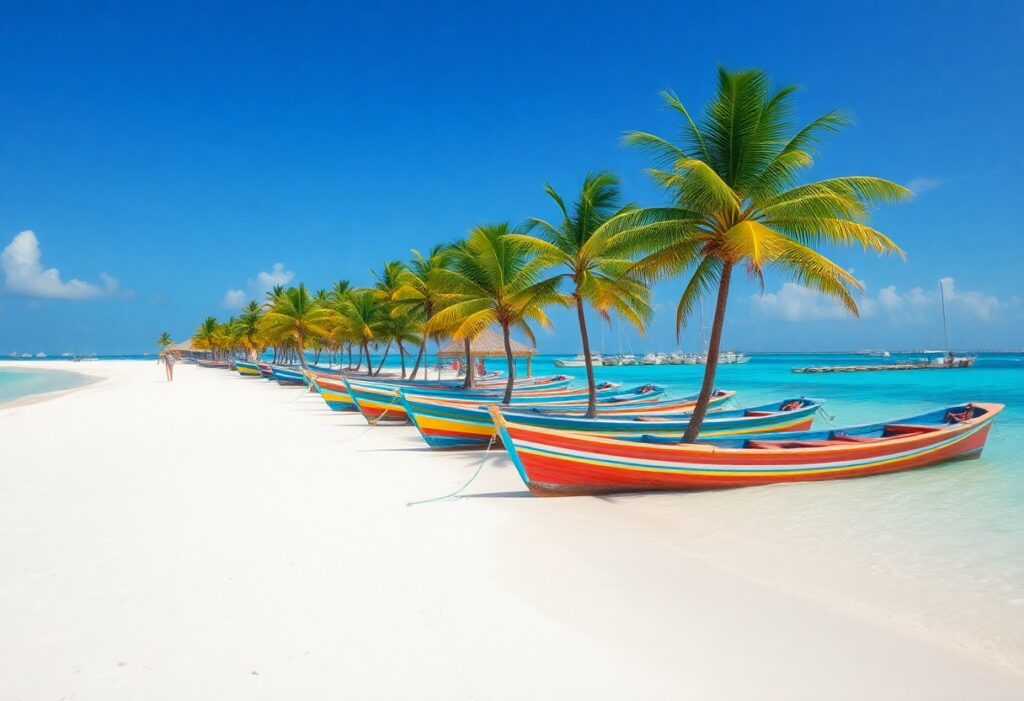
The exploration of interactive maps in your blog post is particularly intriguing, especially as technology continues to shape how we travel and experience new places. As you pointed out, these digital tools are not only about guiding us from point A to point B; they enhance our understanding of the geography and culture we’re stepping into. In Belize, an area rich in biodiversity and cultural heritage, having access to an interactive map can transform a visitor’s journey into something much deeper than just sightseeing.
Your exploration of interactive maps and their significance for travelers venturing into Belize really captures the essence of modern travel planning. As someone who has relied heavily on such tools in my own travels, I can fully appreciate the balance they strike between providing information and enhancing the user experience. The way XamanekBelize makes this accessible through engaging interfaces is particularly noteworthy.
This is super helpful! I’ve always found Belize a bit daunting to navigate, especially with all the options. It’s interesting how the quickest routes can influence your overall experience. I remember choosing Ambergris Caye for a short trip, and the easy access to stunning reefs made it worth it.
Your post presents a very practical approach to navigating Belize’s main hubs, and I appreciate how the interactive map and decision tools can simplify the planning process. Belize’s diverse landscapes—from the vibrant reef around Ambergris Caye to the lush jungles near Placencia—offer various experiences that cater to different interests.
This guide provides a practical approach to navigating Belize’s hubs, emphasizing the importance of planning for a seamless travel experience. I appreciate how you’ve broken down the transport options based on the type of experience one seeks—whether it’s the stunning beaches of Ambergris Caye or the inland adventures around Belize City and Placencia.
This post about navigating the routes and transport options between Belize’s key destinations is a game-changer for anyone planning a trip! I really appreciate how you’ve broken down the transportation methods so clearly. I remember the first time I visited Ambergris Caye; deciding between the domestic flight and the water taxi was quite overwhelming, especially with the FOMO of potentially missing beautiful views across the water.
This is super helpful for planning trips in Belize! I recently visited Ambergris Caye and loved how accessible everything felt. The domestic flights are definitely the way to go if you’re short on time. I was a little hesitant at first about the water taxi, but the views were stunning and it felt like part of the adventure.
I love the breakdown of transportation options—it’s like a choose-your-own-adventure book, but instead of slaying dragons, we’re just trying to find the fastest way to a beach cocktail! I’d argue that water taxis are the ultimate thrill ride, but can we discuss the potential for hair-pulls and sunburns during a rough crossing?
This guide is incredibly helpful for anyone looking to explore the beautiful corridors of Belize! The emphasis on selecting the fastest routes and transport options really resonates with me, especially since Belize offers such a diverse range of experiences from its bustling cities to the tranquil beaches.
Navigating Belize’s main hubs can indeed be a bit overwhelming for first-time visitors, but your interactive map and quick decision table seem like game-changers! I’ve personally experienced the charm of both Ambergris Caye and Placencia, and I can attest to how different they feel. Ambergris Caye is perfect for a laid-back beach vibe with stunning snorkeling right off the coast, while Placencia offers that unique blend of coastal and inland adventures, which I found to be a delightful surprise.
It’s great to hear about your experiences in both Ambergris Caye and Placencia! Each spot has its own vibe, right? Ambergris is such a fantastic place to just chill on the beach, and those snorkeling spots are hard to beat—who doesn’t love being able to jump right into that beautiful water?
“I’m so glad to hear you enjoyed both destinations! If you’re looking to plan your next adventure in Belize, check out this link for more insights and tips to help you make the most of your trip.”
https://xamanekbelize.com/9-essential-experiences-for-tourists-in-san-ignacio
I appreciate how you’ve laid out the different transport options between Belize’s main hubs. It’s so helpful to have a clear understanding of what to expect, especially when time is a factor on vacation! I found that choosing a base can really enhance the experience; for example, I chose Placencia on my last trip and loved how it blended the beach vibe with great access to inland activities like exploring the Mayan ruins and wildlife reserves.
I appreciate how you’ve laid out the options for navigating between Belize’s main hubs. Belize truly offers a unique mix of culture, adventure, and natural beauty, which makes choosing the right route and transportation all the more crucial for a fulfilling experience.
I’ve always found the transport options in Belize to be a bit of a puzzle, so I appreciate this breakdown! When I traveled there last year, I opted for the water taxi to Ambergris Caye, and the views were stunning—definitely a highlight. But I can see the appeal of Placencia for those who want to mix beach time with inland explorations. It felt like a hidden gem compared to the more touristy spots.
I appreciate how your post simplifies what can often be a daunting process when planning a trip to Belize. As someone who has recently navigated similar travel logistics, I completely understand the value of having accessible and straightforward tools, like the interactive map and quick decision table you mentioned. Being able to visualize the routes and understand the various transport methods eliminates a lot of uncertainty.
Your insights into navigating Belize’s main hubs are incredibly valuable, especially for travelers who want to maximize their experience without the hassle of complex planning. I’ve long been fascinated by how much a thoughtful itinerary can enhance not just a trip, but the exploration of culture and environment. The way you’ve highlighted the quick decision table and interactive map as tools for minimizing guesswork really underscores the importance of smart travel planning.
It’s interesting to see how travel planning is evolving with tools like interactive maps and decision tables—definitely a step away from the traditional methods. I appreciate the emphasis on narrowing down choices based on specific needs, like beach access versus road adventures. For instance, I chose Ambergris Caye last summer for its vibrant snorkeling spots, but I found Placencia surprisingly charming for a more laid-back experience with easy road access to inland attractions like the Cockscomb Basin Wildlife Sanctuary.
I appreciate the breakdown of travel options between the main hubs in Belize, but I wonder about the implications of domestic flights versus water taxis on local communities and the environment. While the speed of a flight is appealing, it feels like we might miss out on a deeper experience if we rush by water taxi. The journey along the coast can be breathtaking and might offer unique opportunities to interact with local cultures. Additionally, how do factors like weather or sea conditions influence these travel choices? It would be useful to include insights or anecdotes from travelers who have used both modes of transport, perhaps discussing what they appreciated most about their chosen method. Overall, balancing speed with the overall travel experience is crucial, especially in a place as rich in natural beauty and culture as Belize. What do you think?
This guide is incredibly helpful, especially for first-time visitors trying to navigate Belize’s beautiful landscape. The emphasis on distinguishing between Ambergris Caye and Placencia for specific experiences really clarifies things. I remember my trip there last year and how overwhelming it was to make decisions without clear guidance.
This guide is incredibly helpful as I start planning my trip to Belize. The idea of being able to swiftly pinpoint the best routes and transport options between these key destinations is so valuable—especially since I’ve heard that transportation logistics can sometimes be a bit tricky in the region. I appreciate that you’ve included both flight and water taxi options for getting to Ambergris Caye. The difference in time really highlights how vital it is to choose based on what you want to experience on arrival.
I’m glad you found the guide helpful as you plan your trip to Belize. Transportation can definitely be a maze sometimes, especially in places where the infrastructure isn’t as straightforward. It’s interesting how choosing between flying and taking a water taxi can shape your arrival experience. The water taxi, for instance, adds a bit of adventure and lets you soak in the scenery on the way to Ambergris Caye, while flying can save you time if you’re eager to get to the beach.
I recently came across an interactive map that really simplifies travel planning in Belize, making it easier to navigate between destinations and explore all the essential transport options.
‘Interactive Belize Map — Features, Directions & Quick Planning’
https://xamanekbelize.com/belize-map-explore-top-features-and-interactive-directions/.
I really appreciate how you break down the transport options between Belize’s key hubs. It can be so overwhelming trying to figure out the best way to navigate a new place, especially when there are so many factors to consider, like travel time, cost, and what you want to do once you get there. I can definitely relate to that feeling of needing a straightforward plan but also wanting to incorporate some flexibility in case new adventures pop up along the way.
Your breakdown of transport options between Belize’s key hubs is incredibly helpful for anyone planning a trip. The distinction between Ambergris Caye for quick beach access and Belize City or Placencia for inland adventures is particularly insightful. I’ve found that the choice of transport can significantly impact the travel experience; for instance, the scenic water taxi ride to Ambergris not only enhances your trip but also provides a wonderful introduction to the stunning coastal landscapes.
Ah, the joys of trip planning! It’s like assembling IKEA furniture without the instructions—thrilling but potentially hazardous to your sanity. I love how you’ve laid out the routes between Belize’s main hubs. I imagine standing at the crossroads—should I take the 20-minute flight and land in a beachy paradise, or the leisurely water taxi that gives me ample time to reconsider my life choices?
What a helpful guide for navigating Belize’s stunning destinations! It’s interesting to see how efficiently you can connect the dots between beach relaxation and inland adventures. I particularly love the option of Ambergris Caye for quick beach access; there’s something magical about those turquoise waters and white sand beaches that makes you want to dive right in.
I’m glad you found the guide helpful! Ambergris Caye really does have a charm that draws you in, doesn’t it? The way those turquoise waters stretch out under the sun is enchanting. Beyond the relaxing beach scene, I think a lot of the island’s magic comes from its laid-back vibe and the friendly locals.
Ah, the classic Belize dilemma: beach vibes versus road adventures! It’s like choosing between a hammock with a coconut drink or a jungle trek with a chance of spotting a toucan. The suggestion to hop to Ambergris Caye is tempting—who can resist a 15-minute flight over sparkling waters? But then again, there’s something magical about the slower, bumpy road to Placencia. You might even stumble upon a roadside taco stand that’ll change your life (my last trip had me questioning all prior taco experiences).
I appreciate how you’ve laid out the transport options so clearly; it really simplifies the planning process for such a beautiful destination. I recently visited Belize and found that deciding between the beach vibes of Ambergris Caye and the accessibility of Placencia was a bit of a challenge. The quick answer you provided perfectly encapsulates that decision-making process.
I appreciate the clarity you’ve brought to an essential part of planning a trip to Belize. With so many beautiful options, it can be daunting to figure out the best way to navigate between those hubs. Having traveled to Belize last summer, I found that using a combination of the water taxi and local airlines offered not only the quickest routes but also breathtaking views of the coastline—a true bonus!
I really appreciate how you’ve laid out the options for getting around Belize! It’s interesting how each hub offers a distinct vibe and set of activities. For instance, when I visited Ambergris Caye, the water activities were unbeatable—snorkeling with the vibrant marine life was a highlight. I do wonder about the impact of tourism on the local environment, especially with such rapid access to these beautiful spots.
It’s fascinating how transportation choices can shape our travel experiences, especially in a diverse destination like Belize. I remember my trip to Ambergris Caye, where the quick flight felt almost like a prelude to the vibrant culture and stunning reefs awaiting us. The contrast between the serene beaches and the bustling Belize City added a rich layer to our adventure.
It’s interesting to see how travel logistics can greatly influence the way we experience a destination like Belize. While your interactive map and quick decision table seem incredibly useful for narrowing down transport options, I wonder how many travelers consider the environmental impact of their choices. For instance, while domestic flights are the quickest way to get to Ambergris Caye, have we looked into the carbon footprint of such flights compared to taking a water taxi?
This guide serves as a practical tool for navigating Belize’s varied landscapes and highlights the importance of having clarity in travel plans. Personally, I found the distinction between the different types of access—beach versus road connections—especially enlightening. For example, while Ambergris Caye is often celebrated for its breathtaking beaches and immediate access to reefs, Placencia has its own charm with a laid-back atmosphere and opportunities for both beach and inland exploration.
Oh, the sweet dilemma of deciding between beach bliss and inland escapades! It’s almost like choosing between a warm hug on a chilly day and diving headfirst into a bowl of your favorite ice cream — both are fantastic options, just with their own unique charms.
I really appreciate how you’ve laid out the different transport options for navigating Belize’s beautiful hubs. The balance between beach vibes and inland exploration definitely resonates with my own experiences traveling there. When I visited, I found that taking the water taxi to Ambergris Caye was not just about speed but also the experience—the views of the coastline were stunning.
This guide is incredibly helpful for anyone looking to navigate Belize’s transport options seamlessly! I’ve visited Ambergris Caye a couple of times, and the water taxi experience has its charm, though I’d recommend the domestic flight for a quicker and smoother transition—especially if time is of the essence for exploring the island.
This planning tool really seems like a game-changer for anyone looking to explore Belize without the hassle of navigating all its transport options. I remember when I visited, trying to figure out whether to take a water taxi or a domestic flight was a whole mission in itself! Ambergris Caye, especially San Pedro, has this laid-back vibe that’s hard to resist, and the swim-up bars are calling.
This post does an excellent job of breaking down transportation options in Belize, which can often feel overwhelming with so many beautiful destinations to consider. Having just returned from a trip, I can personally attest to the value of knowing your travel routes ahead of time. We took a water taxi to Ambergris Caye, and while the journey was longer, the views were incredible—definitely a memorable part of the adventure!
This guide is such a helpful resource for planning a trip to Belize! I love how you’ve outlined the transportation options between Belize City, Ambergris Caye, and Placencia. It really simplifies the decision-making process, especially for those of us who can sometimes feel overwhelmed by the logistics of travel.
Navigating Belize’s different transport options can indeed be overwhelming, especially with the allure of its stunning beaches and vibrant ecosystems. I appreciate how you’ve highlighted the importance of clarity in trip planning. As someone who believes in blending adventure with relaxation, I found your breakdown particularly useful.
You’ve raised a valuable point about the importance of an efficient itinerary when exploring Belize. I find it particularly interesting how the varied transport options significantly influence not just travel time but also the overall experience of the destination. For instance, while the domestic flight to Ambergris Caye certainly offers a speedy route, traveling via water taxi can provide a unique perspective on Belize’s stunning coastlines and marine life, which often gets overlooked in a rush.
This post offers such practical insights for navigating Belize! I particularly appreciate the emphasis on using an interactive map and decision table to streamline the planning process. It mirrors the growing trend in travel technology that enables more personalized and efficient experiences. The contrast between quick beach access at Ambergris Caye and the diverse adventures available through Belize City and Placencia also highlights the unique offerings of each destination.