
If you want to eat the best of Belize without guessing, this is the action‑first guide: what to order and exactly where to find it in each town, from street stalls to seaside shacks.
- If you have 1 day → San Pedro/Ambergris Caye ceviche & seafood crawl (beachfront shacks).
- If you have 2–4 days → Cayo + Hopkins circuit for Maya dishes, stews and Garifuna flavors.
- Seafood lovers → Base in Placencia or Ambergris Caye during lobster and conch seasons (see timing below).
For a comprehensive list of Belizean treats and background on each dish, see the cluster hub: Unmissable Belizean Treats.
One‑row Decision Table — Dish → Best Town → Where To Order
| Dish | Best town/district | Venue type |
|---|---|---|
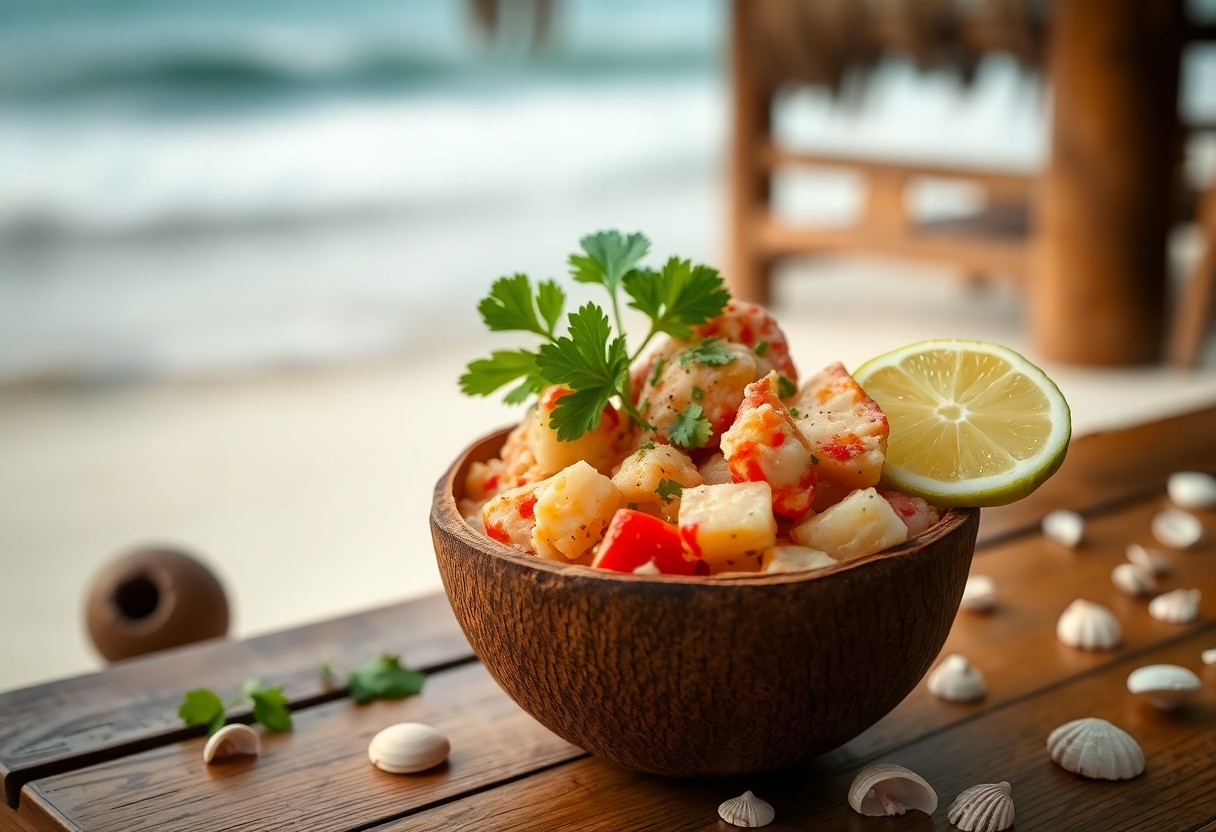
| Ceviche | Ambergris Caye / San Pedro | Beachfront shacks & cevicherías |
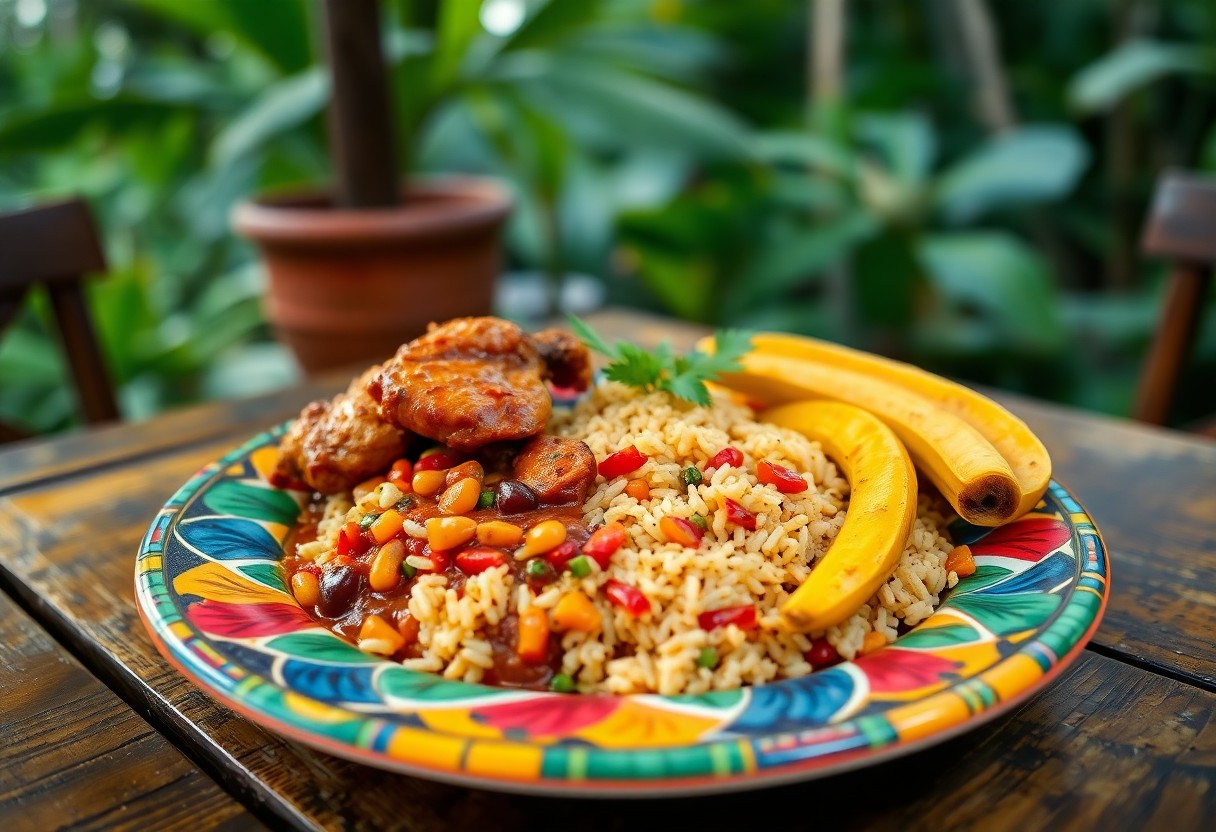
| Rice & beans + stewed chicken | San Ignacio (Cayo) | Local eateries, family restaurants |
| Hudut & Garifuna specialties | Hopkins (Stann Creek) | Community eateries & cultural dinners |
| Conch (ceviche, fritters) | Placencia & Southern Cayes | Beach shacks, seafood markets |
Town‑by‑town Practical Picks (What To Order & Where)
Ambergris Caye / San Pedro — Ceviche, Lobster, Beach Shacks
San Pedro is the fastest way to taste pristine ceviche and grilled lobster — ideal for 1‑day crawls. Walk the waterfront for small cevicherías and beachfront shacks that serve fish ceviche, whole grilled snapper and lobster during season.
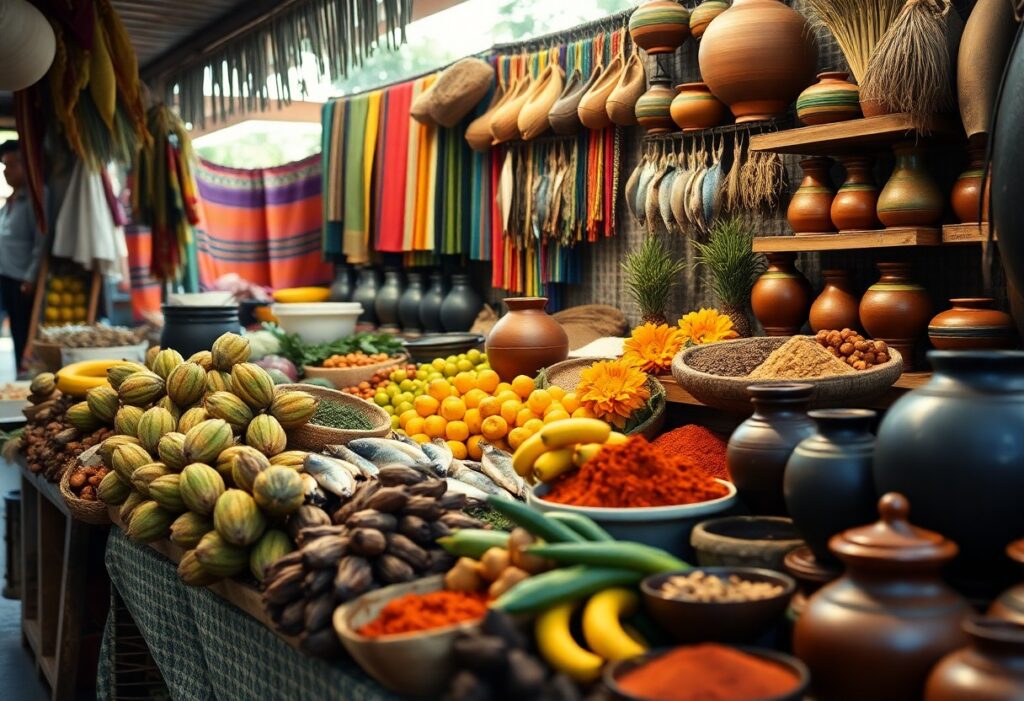
Tip: combine a morning market visit with a noon ceviche stop so you get the freshest catch right off the boats.
Placencia Peninsula — Seaside Seafood & Conch Specialties
Placencia pairs relaxed beach life with excellent seafood. Look for conch ceviche, conch fritters and lobster plates at beachfront cafés and local markets. Placencia is a strong base for seafood lovers who want both casual shacks and occasional upscale options.
See the Placencia guide for where to combine beach time with the best seafood stops.
Hopkins (Stann Creek) — Garifuna Flavors And Hudut
Hopkins is the place to try Garifuna staples: hudut (fish in coconut stew with mashed plantain), cassava bread, and community‑run dinners with music. For cultural context and where to experience these dishes, read the local Garifuna culture piece: Garifuna culture in Belize.
San Ignacio / Cayo District — Maya‑influenced Mains
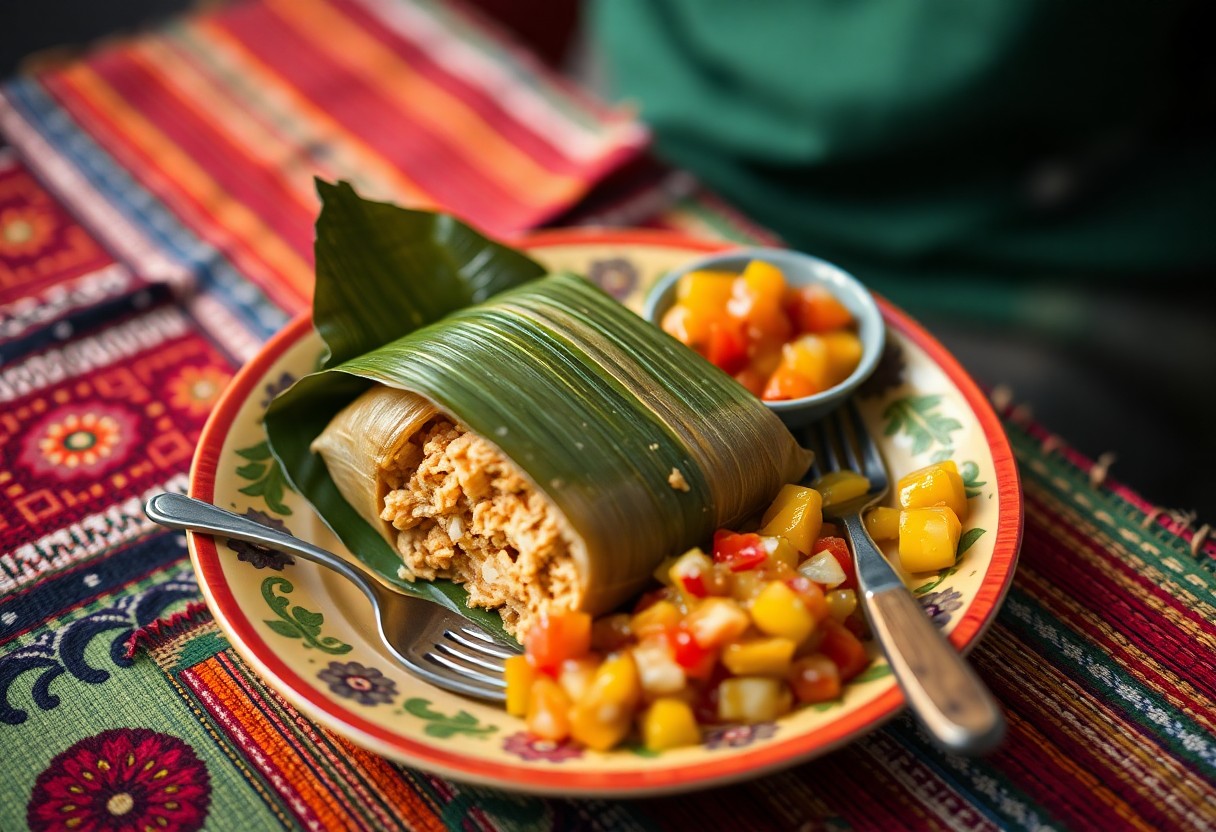
San Ignacio’s restaurants and market stalls are where rice & beans, stewed chicken, chimole (black stew) and Conchita Pibil come alive. For cooks who prize local ingredients, the Cayo district dishes lean on corn and forest produce — see the ingredients overview: Explore local ingredients.
San Ignacio also offers refined takes at venues like the Running W Restaurant if you want a gourmet interpretation of traditional flavors.
Belize City & Street Food — Quick, Cheap, Authentic
Belize City is the best place for a fast street‑food education: fry jacks for breakfast, salbutes, garnaches and local bakeries. Favor busy stalls (high turnover) and ask what’s just come off the grill. Street prices are wallet‑friendly and perfect for sampling many small dishes.
Timing & Seasonality — What Changes What You Can Eat
Seafood availability is seasonal and affects where you should base your trip. Lobster season runs mid‑June to mid‑February (ideal for Placencia and Ambergris Caye); conch availability and festivals vary by area — see the conch season guide for exact dates: Queen conch season.
If you travel during lobster or conch season, prioritize seaside towns (Placencia, Ambergris Caye) and book popular waterfront spots a few days in advance during high season (Dec–Apr).
Practical Planning Checklist (Before You Go)
- Pack mosquito repellent and a light jacket for evening dining in Cayo highlands.
- Bring small bills for street vendors; tip 10% at sit‑down restaurants if service is not included.
- Ask locals for their favorite stall—Belizeans are proud of their vendors and will point you to the best daily catch.
- When sampling street food, choose busy stalls and watch that food is cooked hot and fresh.
- Book waterfront tables ahead during peak season (Dec–Apr) and during lobster/conch windows.
Where To Eat For Special Diets & Safety Notes
Vegetarian, vegan and gluten‑free options are increasingly available in tourist hubs (San Pedro, Placencia, San Ignacio). Inland towns may have limited choices—plan ahead or ask hotels for recommendations. For health safety, bottled water is recommended for drinking in many places; ask at your accommodation about tap water and ice preparation.
For a wider list of Belizean treats and the cultural stories behind each dish, consult the site’s comprehensive hub and use this practical guide for on‑the‑ground choices: Unmissable Belizean Treats — full list & origins.
If you’re planning accommodations or want matched suggestions for dining near resorts, see our hotel guide and planning pages: Belize hotels and Placencia beach guide.
Frequently Asked Questions
What Do Belizeans Eat For Breakfast?
Typical breakfasts include fry jacks, johnnycakes, eggs and beans or light pastries; street bakeries and market stalls are the best places to try morning favorites.
Is Tap Water Safe?
Tap water quality varies; drink bottled water in many areas and confirm with your hotel about ice and water filtration when in doubt.
What Is The Most Popular Food In Belize?
Rice and beans (often with stewed chicken) is the national staple, but seafood dishes like ceviche and conch are top favorites in coastal regions.
How Much Money Do I Need For 5 Days In Belize?
Budget travelers can manage on under $50/day using street food and local guesthouses; mid‑range dining and activities push budgets to $100–200/day; luxury options cost more.
See also: Unmissable Belizean Treats, Queen conch season, and Explore local ingredients.

Emma Sterling is a passionate travel writer specializing in exploring the vibrant culture, stunning landscapes, and hidden gems of Belize. With a keen eye for detail and a love for adventure, she brings her experiences to life in her engaging Belize Travel Guide. Emma’s insightful tips and local recommendations inspire fellow travelers to discover the beauty and uniqueness of this Central American paradise. Through her writing, she aims to foster a deeper appreciation for Belize’s diverse ecosystems and rich heritage.

Your exploration of Belize’s culinary landscape is indeed fascinating, and it resonates deeply with those of us who appreciate the intricate layers of cultural influence that shape a nation’s food scene. As someone who has had the pleasure of tasting some of Belize’s traditional dishes, I can attest to the unique fusion of flavors that come from the blending of Maya, Creole, and Caribbean influences.
It’s great to hear that you’ve experienced the flavors of Belize firsthand. The way those culinary traditions weave together is something special, isn’t it? When you think about it, the interplay of Maya, Creole, and Caribbean influences tells a larger story about the country’s history and identity.
This exploration of Belize’s culinary scene is intriguing, especially with its blend of Maya, Creole, and Caribbean influences. However, I think it’s essential to also address how local cuisine reflects the culture and economic environment of Belize. For instance, the prominence of ingredients like coconut, seafood, and tropical fruits not only showcases the region’s biodiversity but also its agricultural practices.
This is a fascinating look at Belize’s diverse culinary scene. I find it interesting how the blending of Maya, Creole, and Caribbean influences reflects the country’s rich history and multicultural heritage. When I visited Belize, I was particularly struck by how local dishes utilized fresh, locally sourced ingredients—something that’s often overlooked in discussions about food. It makes me wonder how the rise of sustainable practices in gastronomy, like farm-to-table movements, could further transform Belize’s culinary landscape.
Your depiction of Belize’s culinary scene truly captures the heart of its rich cultural tapestry. I’ve always been fascinated by how food serves as a gateway to understanding a culture more deeply. The fusion of Maya, Creole, and Caribbean flavors sounds remarkable, and I can’t help but think of the stories that each dish tells.
You bring up such an important point about how food relates to culture. It really is fascinating how each ingredient and flavor carries a story of its own. In Belize, for instance, the use of local staples like rice and beans and the influence of seafood reflect the abundance of the land and sea, as well as the diverse communities that call Belize home.
What a delightful exploration of Belize’s culinary scene! Your insights perfectly capture the essence of what makes this country such a treasure trove for food enthusiasts. The idea that Belizean cuisine exemplifies a blend of Maya, Creole, and Caribbean influences is particularly intriguing. It serves as a delicious reminder of how food can tell the story of a culture’s history and diversity.
I really appreciate how you’ve captured the essence of Belize’s diverse cuisine! It’s interesting to think about how the blend of Maya, Creole, and Caribbean influences not only shapes the flavors but also tells the story of the region’s rich cultural history. One thing I’ve always found fascinating is how food becomes a medium for connecting people and sharing traditions.
You’ve captured something really profound about how food serves as this universal connector. The way Belize’s cuisine incorporates Maya, Creole, and Caribbean influences is a perfect example of cultural layers, and each dish truly does tell its own story. I remember trying rice and beans with coconut milk for the first time. It was such a simple dish, yet every bite was packed with history and a sense of community.
Your take on Belize’s culinary scene resonates with my experiences, particularly how the blending of Maya, Creole, and Caribbean flavors reflects the country’s cultural heritage. I remember trying conch fritters at a local street vendor—such a simple dish, yet the freshness and spices brought it to life in a way that chain restaurants often miss. I wonder, though, about how globalization is affecting these traditional practices. Are there any recent trends in Belizean cuisine that you think might alter its authenticity? It would be interesting to explore how local chefs balance tradition with innovation while keeping the essence of Belizean food intact.
Your exploration of Belize’s culinary scene is captivating and highlights the rich tapestry of flavors that reflect the country’s diverse cultural heritage. As someone who has traveled through various regions of Central America, I’ve always found that food serves as a cultural bridge, revealing intricate stories about the people and traditions of a place.
What a fascinating deep dive into Belize’s culinary scene! Your insight into the unique fusion of Maya, Creole, and Caribbean flavors really captures the essence of Belizean cuisine. I recently had the pleasure of visiting Belize, and it was an eye-opening experience to see how the country’s history and cultural diversity are beautifully reflected in its food.
It’s great to hear about your experience in Belize! The blend of Maya, Creole, and Caribbean influences truly creates a culinary tapestry that’s hard to find elsewhere. I can only imagine the flavors you encountered; dishes like rice and beans cooked in coconut milk and tamales that are so rich in history. Did you get a chance to try any street food? I’ve read that vendors often serve some of the most authentic and delicious meals right from their stalls.
I love how you’ve captured the culinary essence of Belize! It’s fascinating how food can tell such a rich story about a place’s culture and history. I remember my visit to Belize a couple years ago; I was amazed by the way the flavors danced between the Maya and Creole influences. There’s something so special about the way local ingredients are used, like the fresh seafood and all the vibrant spices.
This sounds like a fantastic exploration of Belizean cuisine! I’ve always been fascinated by how food can tell the story of a culture, and Belize’s blend of Maya, Creole, and Caribbean flavors must make every meal an adventure. I’ll never forget my first taste of tamales at a street market—there’s something magical about street food that’s just so vibrant and full of life.
The rich culinary tapestry of Belize is indeed a captivating topic, and it’s fascinating how food can serve as a bridge to understanding a country’s diverse cultural heritage. Belize’s blend of Maya, Creole, and Caribbean flavors reflects not just a history of migration and trade, but also the resilient spirit of its people. I think it’s this very fusion that makes Belizean cuisine so intriguing; each dish tells a story and every bite evokes a connection to the land and the traditions that shape its identity.
It’s fascinating how Belize’s culinary scene reflects such a rich tapestry of cultures! I recently had the chance to try tamales in a small village, and the blend of flavors was unforgettable—definitely different from what I’ve had elsewhere. Your mention of street food reminds me of the bustling markets in San Pedro, where you can find everything from salbutes to fresh ceviche. I love the idea of bringing people together through food, as it truly offers a glimpse into the local culture and traditions. I’m curious, do you have any recommendations for dishes that might pair well with Belizean rum? Would love to hear what others have enjoyed tasting!
This exploration of Belize’s culinary scene is both intriguing and timely, especially as more travelers seek authentic experiences that connect them with local cultures. The fusion of Maya, Creole, and Caribbean influences not only speaks to the rich history of the region but also highlights how food can be a medium for cultural storytelling.
I love how you highlighted the fusion of Maya, Creole, and Caribbean influences in Belize’s culinary scene! It’s fascinating how food can tell such rich stories about culture and history. During my last visit, I was amazed by the variety of flavors found in simple street food, like the traditional rice and beans paired with fried plantains; it felt so authentic and satisfying. I’m curious, do you have any recommendations for local dishes that are often overlooked but pack a punch in flavor? I’d love to hear more about those hidden gems or secret spots where the locals go to eat. The connection between food and community is something really special, and I think Belize has an incredible opportunity to share that with the world.
This post beautifully captures the essence of Belize’s food scene! I love how it highlights the rich fusion of Maya, Creole, and Caribbean flavors. During my last visit, trying salbutes from a street vendor was a highlight — the freshness and vibrant spices took my taste buds on an unforgettable journey!
This is such a delightful introduction to Belize’s food scene! I remember my first taste of fry jacks — they were so light and fluffy, like a little pillow of goodness. It’s interesting how much of the local cuisine reflects the country’s diverse cultures; you really get a sense of history and community with each dish. I’ve heard that the street food vendors often have the best flavors, so I’m excited to check out your recommendations.
Reading your insights on Belize’s vibrant culinary scene inspires me to reflect on the profound connection between food and culture. It’s fascinating how Belize, with its melting pot of influences from the Maya, Creole, and Caribbean, crafts a unique narrative through its cuisine. I recall my last visit to Belize, where one of the highlights was savoring garnaches from a local street vendor—thin tortillas topped with refried beans, cheese, and a zesty cabbage slaw. Each bite was a delightful explosion of varied textures and tastes, a true testament to the local culinary artistry.
I love how you’ve captured Belize’s rich culinary tapestry! The fusion of Maya, Creole, and Caribbean influences truly creates a distinctive flavor profile that’s hard to find elsewhere. I remember tasting seafood rice and burritos filled with stewed meats that encapsulated those vibrant influences perfectly. It’s fascinating how food can serve as a reflection of a culture’s history and social dynamics.