
Belize is not one‑homogenous story — measured by some metrics it ranks as a lower‑middle income country with clear pockets of poverty, but it also shows important strengths and realistic growth paths. For the full, broader explainer on why Belize faces its particular development constraints, see the comprehensive explainer on Belize’s economic realities.
- Measured Metrics Belize is small (GDP ≈ $2–3bn) with substantial income gaps — some regions show poverty rates well above national averages.
- Main Drivers Tourism and agriculture dominate: tourism can buoy incomes but is seasonal and climate‑sensitive.
- Vulnerabilities natural disasters, limited diversification, small domestic market and infrastructure gaps constrain growth.
- Potential eco‑tourism, sustainable agriculture, renewable energy and targeted digital services are realistic growth avenues.
Which Post On This Site Should You Read Next?
|
1. Key Indicators: How 'Poor' Is Belize By The Numbers
To judge whether a country is “poor” you need several indicators: GDP (total output), GDP per capita (average output per person), poverty rate, household income, unemployment, and distribution (inequality). Below are the main signals for Belize with practical interpretation.
Gdp And Gdp Per Capita
Belize’s nominal GDP is small in absolute terms (roughly US$2–3 billion). On a per‑person basis Belize sits in the lower‑middle income band used by global institutions. That means average national output per person is well below developed countries but higher than many low‑income nations — a reminder that national size and per‑person measures tell different stories.
Household Income And Inequality
Average household income figures often mask strong regional variation. Coastal and tourism hubs (e.g., Ambergris Caye, Placencia) typically show higher earnings; interior agricultural districts frequently lag. Inequality — measured by Gini or distributional data — is meaningful: many households earn far less than the national mean, producing localized poverty pockets.
Unemployment And Underemployment
Reported unemployment often sits around roughly 10% (figures vary by source and year), but underemployment and seasonal work — especially in tourism and agriculture — raise the effective share of people with unstable income. Youth unemployment is generally higher than the national average.
Multidimensional Poverty
Monetary poverty numbers are useful but incomplete. Access to services (education, health, clean water), housing quality, and food security matter. When multidimensional indicators are applied, several rural areas show persistent deficits even when the national monetary poverty rate looks improved.
2. Why These Indicators Look The Way They Do: Structural Causes And Short‑term Shocks
A handful of structural features explain why Belize’s headline figures combine modest national wealth with persistent pockets of hardship.
Economic Concentration: Tourism And Commodity Dependence
Tourism and a few export commodities (sugar, citrus, bananas, marine products) dominate employment and foreign exchange. That concentration raises vulnerability: a strong tourist season sharply raises incomes in some coastal areas while a weak season or travel shock hits those same workers hard.
Small Domestic Market And Limited Diversification
Belize’s small population limits internal demand and limits economies of scale for manufacturing or large‑scale industry. This makes diversification harder and increases reliance on services and primary sectors.
Geography And Infrastructure Constraints
Transport costs, limited road networks in some districts, and the archipelagic layout increase costs for farmers and businesses. These constraints lower competitiveness and keep many communities on the margins of the formal economy.
Natural Disasters And Climate Change
Hurricanes and coastal flooding can destroy infrastructure, crops, and tourism assets in a single event. Recurrent disasters create fiscal pressure and slow long‑term investment. Climate change increases salinization of coastal farmland and raises insurance and rebuilding costs.
3. Short‑term Risks And Policy Headwinds To Watch
- Seasonal Volatility Wide swings in employment between high and low tourist seasons.
- Debt And Fiscal Constraints High public debt limits fiscal space for large stimulus or long‑run capital projects.
- Access To Finance Rural households and microbusinesses still face barriers to credit and banking services.
- Skills Mismatch Education and vocational training gaps reduce the speed of private sector upgrading.
4. Growth Potential And Where Resilience Can Come From
Despite limits, Belize has concrete, achievable growth paths that can raise living standards if pursued with targeted policy and private investment.
Eco‑ And Experience‑based Tourism
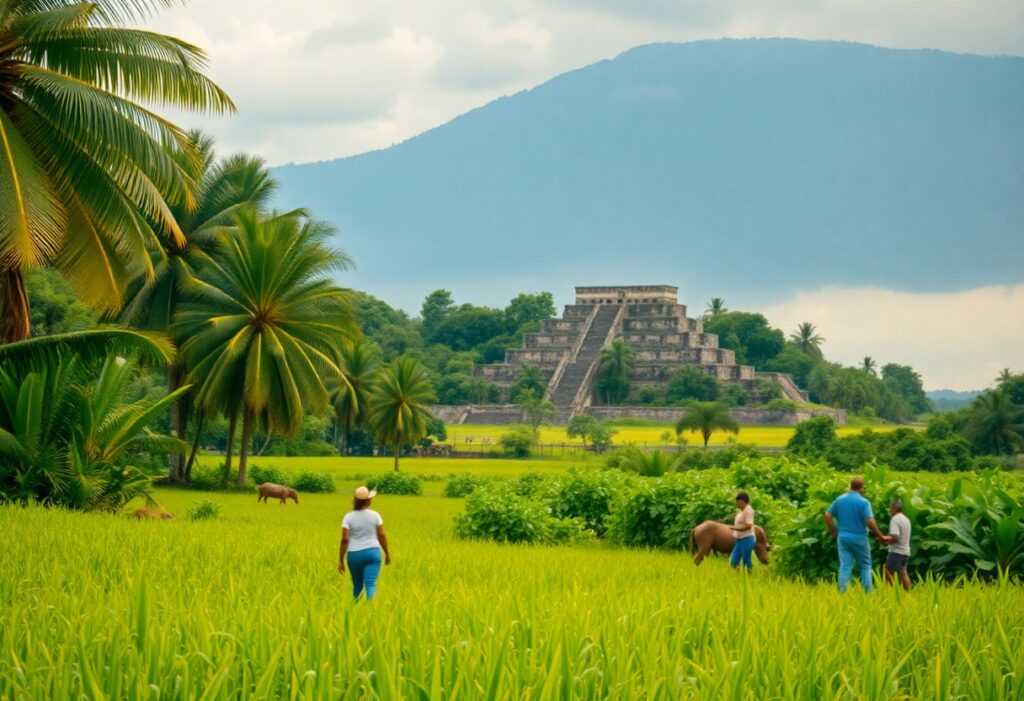
Belize’s natural assets — barrier reef, marine reserves, rainforest and Mayan sites — create premium tourism niches that can sustain higher‑value, lower‑volume tourism. That style of tourism supports local service jobs, guides, and conservation‑linked enterprises. Investments in training and standards raise local capture of tourism dollars.
Sustainable Agriculture And Value‑add
Moving down the value chain (processing, organic certification, agroforestry) can increase returns for farmers. Climate‑smart agriculture and crop diversification reduce vulnerability and improve market access for premium products.
Renewable Energy And Green Investment
Belize is well‑placed for solar and small hydro projects that lower energy costs and attract investment. Green infrastructure and conservation financing (e.g., for reef protection) can create jobs while protecting the very assets tourism depends on.
Digital Services And Targeted Tech Hubs
With improved connectivity and training, Belize can grow remote‑service exports (customer support, BPO, niche fintech) that require less physical scale but can provide stable, higher‑skilled jobs.
These potential paths require complementary public actions: better technical training, easier access to finance for SMEs, climate resilience spending, and regulatory clarity for foreign investment.
5. What This Means For Travelers, Investors And Policymakers
Travelers
Seasonal and regional differences matter. Coastal tourism hubs tend to be wealthier and more service‑oriented; some inland and rural areas show visible poverty and limited services. Responsible travelers who use local guides, stay locally owned, and support conservation help distribute tourism benefits more widely. See practical planning notes in our travel timing guide and itinerary planner for how seasonality changes experiences and prices.
Best time to visit (weather & seasonality) • Suggested itineraries
Investors
Invest in resilience: projects that combine economic returns with climate and social safeguards stand the best chance. Tourism that emphasizes sustainability, small‑scale renewable energy, agriprocessing and digital services are market segments with clear demand. Work with local partners and understand regulatory and land‑use rules before committing.
Policymakers
Priority actions include: fiscal management to create space for capital projects, investment in vocational education, expanded rural finance, and climate adaptation for agriculture and coastal zones. Public‑private partnerships and targeted incentives for value‑added activities help diversify the economy.
6. Timing: When To Go, When To Book, And How Timing Changes The Economics
Seasonality matters both for visitors and for local incomes. Peak tourist season is typically December–April: prices are higher, and local employment is strongest; shoulder seasons (May/November) offer lower prices but occasionally more rain. Hurricanes and tropical storms are most likely June–November; infrastructure projects and agriculture are vulnerable in that window.
Booking Guidance
|
7. One‑page Decision Aid: Should You Rely On This Article Or The Site Canonical?
This post is intentionally a focused resource on indicators and growth potential. For readers who want a deeper policy‑level, history‑inclusive account, the site canonical article provides the expanded narrative. Use the short table below to choose.
Use This Page If…
|
Use The Full Explainer If…
You want a deep historical and policy drilldown and the comprehensive site canonical on why Belize faces structural economic constraints: Belize’s economic realities — why is it poor? |
For readers who want the larger narrative and deeper policy context, read the canonical article: Belize’s economic realities: why is it poor?
8. Practical Data Points And Policy Signals (Select Figures With Interpretation)
- Share Of Gdp From Tourism often cited near 30–40% when indirect effects are included — this underscores the sector’s weight in national income and vulnerability to travel shocks.
- Agriculture's Gdp Share typically around 10% of GDP but with outsized employment — many rural workers rely on agricultural incomes and seasonal harvests.
- Unemployment official rates have been reported around 10% in some years; effective joblessness is higher once underemployment is considered.
- Poverty Rates national poverty estimates vary by measure; some district‑level rates exceed the national average substantially, signaling geographical pockets of deprivation.
These figures are intentionally presented as ranges and context rather than single definitive numbers because year‑to‑year variation and differing measurement methods matter. For readers needing the deepest numerical sourcing and trend lines, follow the canonical article and the economic challenges category for linked source material and updates.
9. Short Checklist: What To Do Next (For Each Audience)
- Book peak‑season stays 3–6 months ahead and support local businesses.
- Choose eco‑certified tours to spread benefits to rural communities.
- Check hurricane season timing before planning coastal activities.
- Prioritize projects with climate resilience and local linkage plans.
- Partner with local operators and verify land/title regulations.
- Support workforce training as part of investment packages.
- Target vocational and technical training in tourism, agri‑processing and digital skills.
- Invest in coastal protection and resilient infrastructure to reduce disaster costs.
- Expand rural finance and reduce regulatory friction for small entrepreneurs.
10. Images And Local Perspective
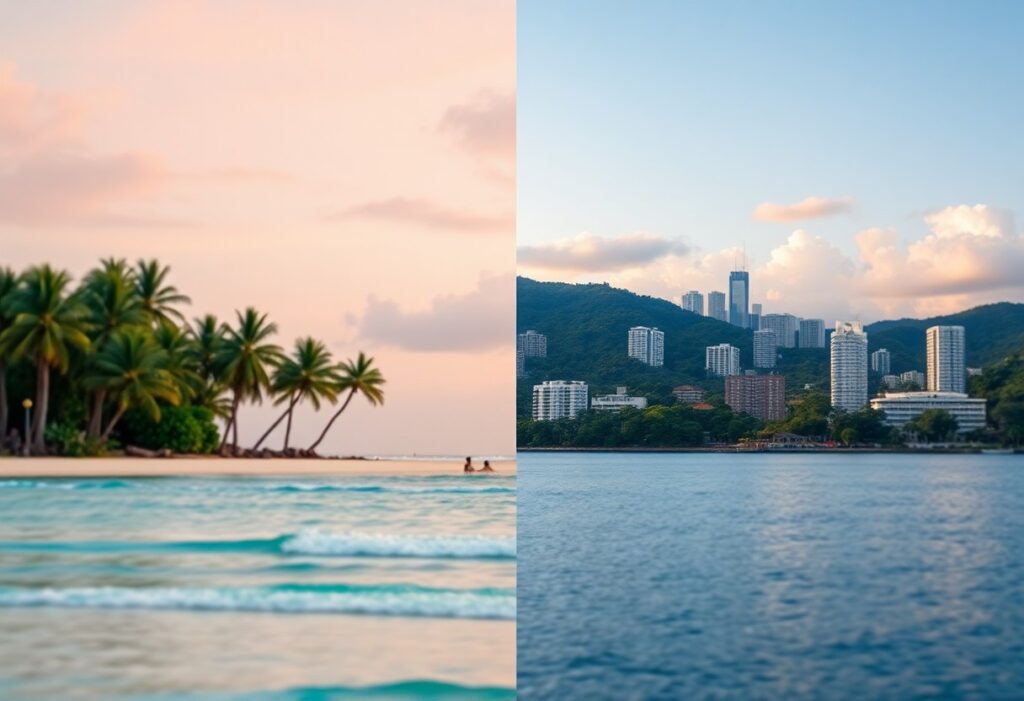
Images and local reporting often show the contrast that national aggregates cannot: modern resorts on the coast, small rural farms inland, and communities rebuilding after storms. Below are photos on this page that reflect that range.
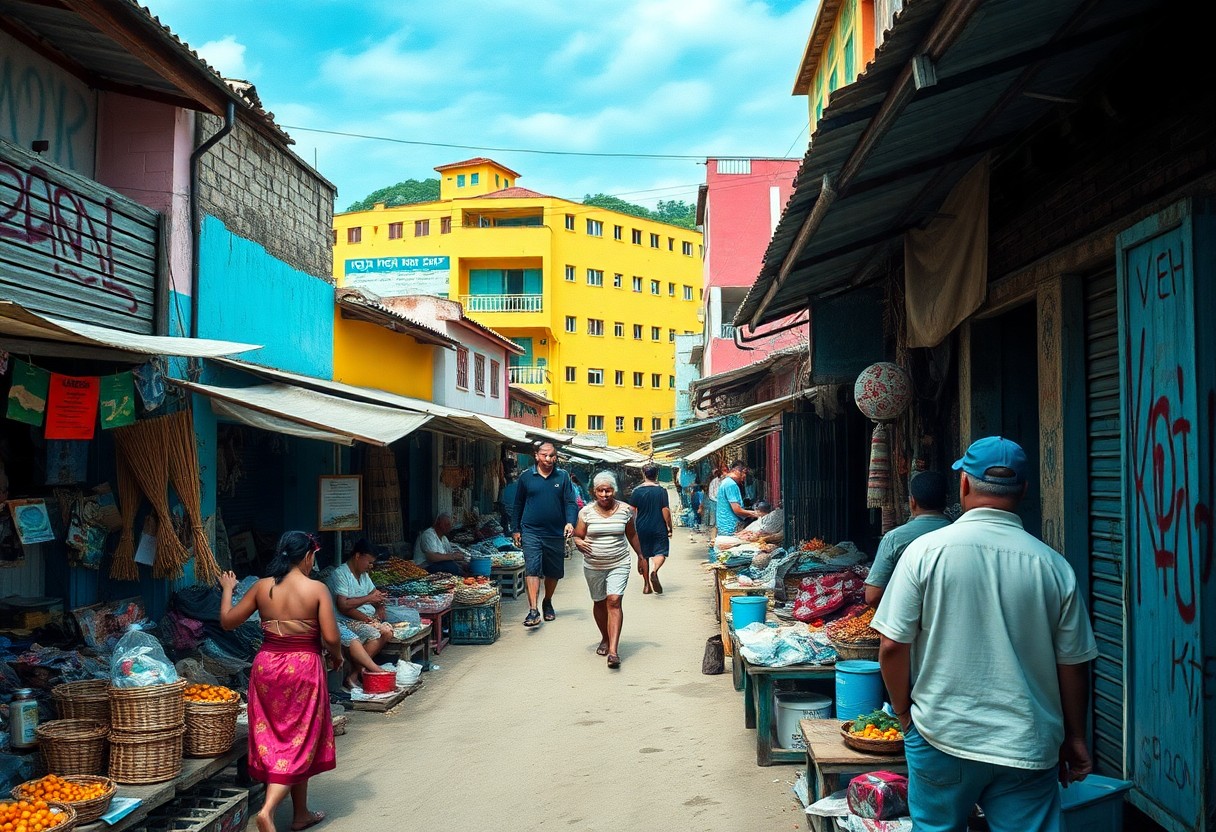
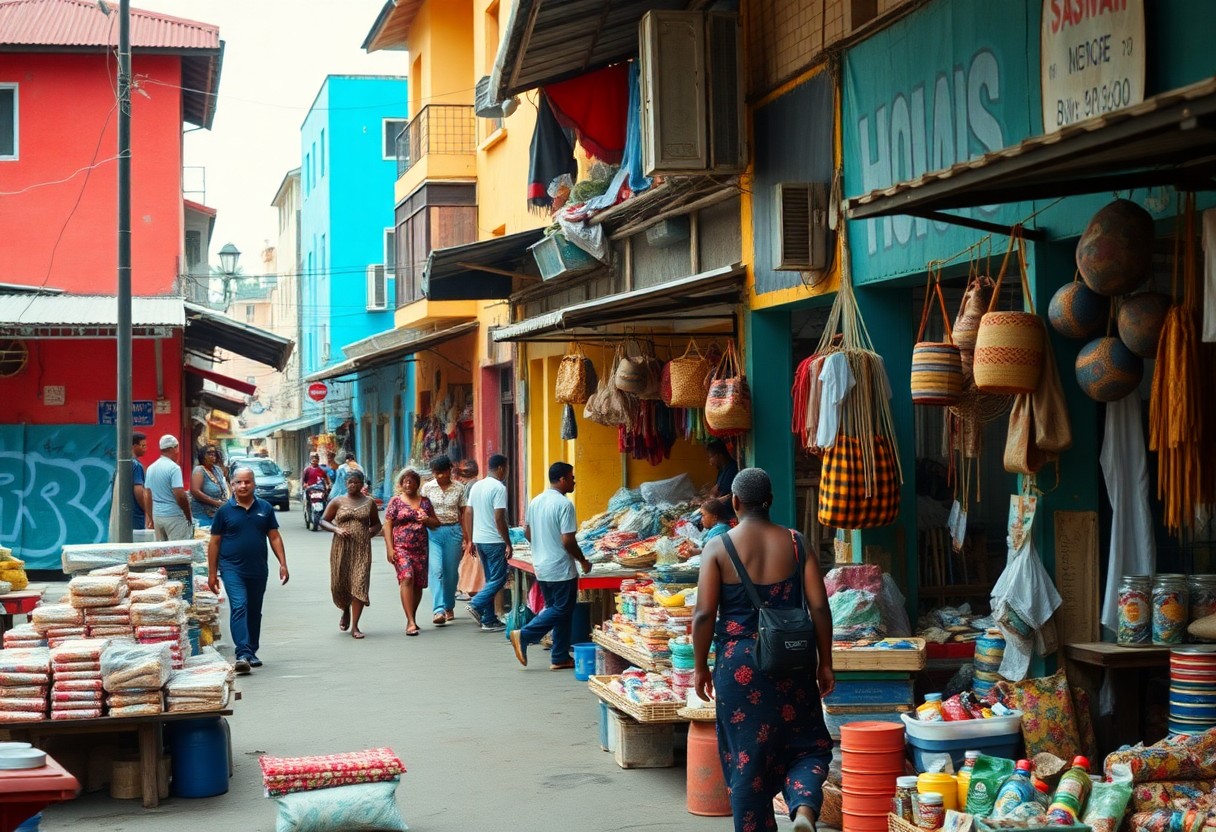
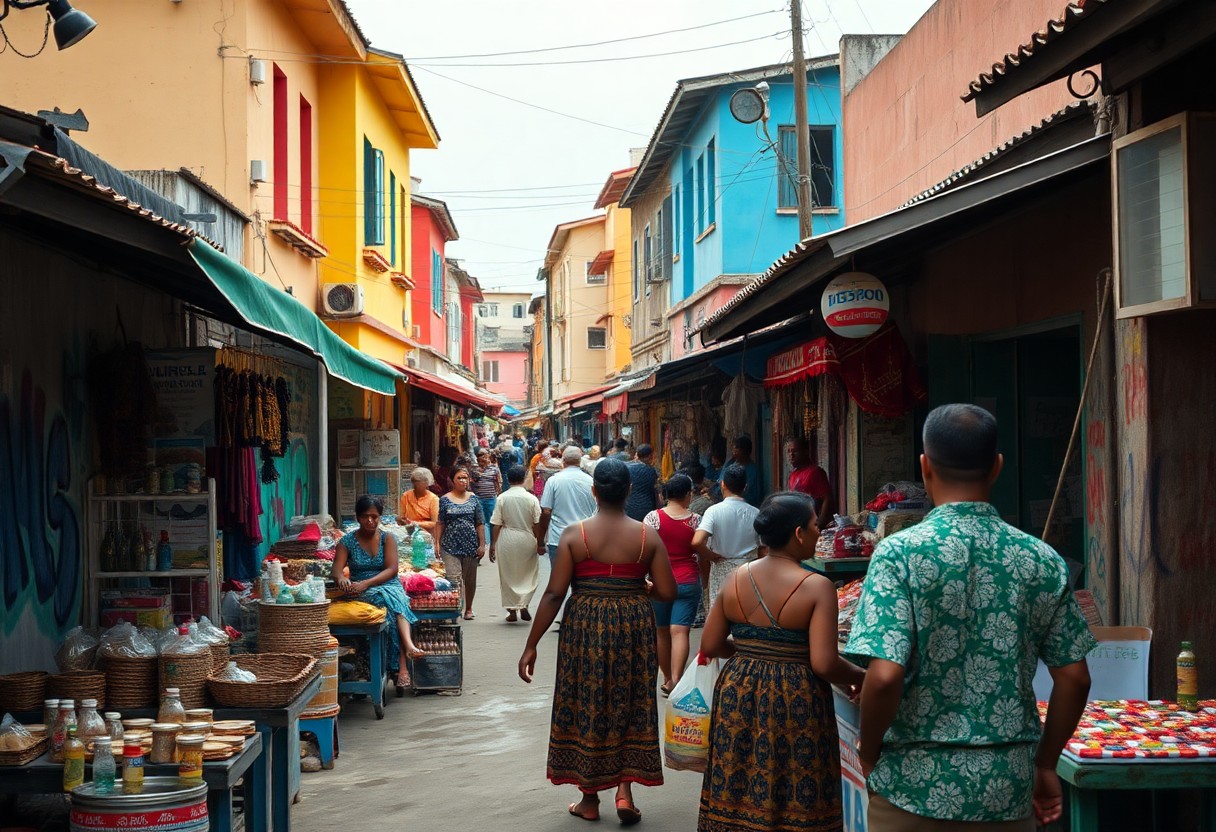
For a fuller historical, policy and data‑sourced investigation please read our canonical deep dive: Belize’s economic realities — why is it poor? or explore recent posts in the Economic Challenges category.
Frequently Asked Questions
Is Belize One Of The Poorest Countries In The Region?
No — Belize is usually classified in the lower‑middle income group rather than the lowest income bracket, but it does contain regions and communities with high poverty and limited services that policymakers are working to address.
How Does Tourism Affect Local Poverty And Wages?
Tourism raises incomes in coastal areas and creates many jobs, but those jobs are often seasonal and can concentrate benefits in specific localities; supporting local supply chains and training helps spread gains more widely.
If I Want To Invest In Belize, What Sector Has The Clearest Growth And Social Impact?
Sectors with clear return and social benefit include eco‑tourism with strong local partnerships, agri‑processing that raises farmer incomes, small renewables that lower energy costs, and digital services tied to workforce training. Due diligence on land, environmental rules and local partners is essential.
If you found this focused indicators and growth summary useful, explore the canonical deep dive for the complete narrative or browse related travel planning resources on the site to see how these economic patterns shape actual visitor experiences.

Liam Cartwright is an avid traveler and author specializing in Belize travel guides. With a passion for uncovering hidden gems and sharing local insights, he captures the essence of Belize’s vibrant culture, stunning landscapes, and diverse activities. Through his writing, Liam aims to inspire adventure seekers and empower travelers to explore the beauty of Belize with confidence and curiosity.
I really appreciate how you dig into the complexity of Belize’s economic situation. It’s so easy to fall into oversimplified narratives about poverty, especially in a place that often captures the attention of tourists and media but seldom gets the full picture in terms of its socioeconomic realities.
You’ve touched on a significant point about how Belize often gets presented to the world. The contrast between the picturesque landscapes and the underlying economic issues is striking. It’s easy to see why someone might just focus on the stunning beaches or the rich biodiversity, but the socioeconomic realities are quite layered.
You’ve touched on a significant point about how Belize often gets presented to the world. I’ve found that this duality—those stunning beaches against the backdrop of economic challenges—raises intriguing conversations about how tourism can sometimes oversimplify and overshadow deeper issues.
Ah, Belize! A place where the only thing as tangled as its economic narrative is my last attempt at braiding my hair after a swim in the Caribbean. It’s fascinating how tourism, agriculture, and offshore services form an economic triple threat, isn’t it? It’s like Belize is a middle schooler juggling while also trying to impress their crush—lots of potential, but one wrong move, and it all might come crashing down!
You’ve captured the essence of Belize beautifully. It really is a place where the economic strands seem to weave together in such an intriguing way. The tourism sector certainly draws the most attention, especially with the stunning beaches and rich biodiversity. I’ve often thought about how sustainable tourism could play a huge role in balancing those economic threads. If done responsibly, it can nurture the local environment while supporting communities.
You’ve hit the nail on the head with the economic tapestry of Belize. It’s a real patchwork quilt of community livelihoods, where each thread has its own story. You know, as much as I’m tempted to dive into the crystal-clear waters and get lost in the snorkeling spots, there’s something about the locals and their traditions that keeps me hooked.
“Absolutely! If you’re curious about how sustainable tourism is taking root in Belize, check out this insightful resource that highlights the incredible efforts being made to protect the environment while uplifting local communities.”
https://xamanekbelize.com/hol-chan
I share your fascination with the local culture in Belize. There’s something special about the way the communities are intertwined with the land and water. The stories of the people—how they live, work, and celebrate—really add depth to the experience. It’s a reminder that every destination is more than just its scenery.
You’ve really nailed it with that comparison! Belize does have that youthful energy, trying to juggle its tourism, agriculture, and offshore services like a middle schooler on the playground. It’s a delicate balancing act—one that could easily become overwhelming.
Your exploration of Belize’s economic landscape sheds light on a topic that often gets oversimplified, especially in discussions about developing nations. It’s refreshing to see a focus on the nuanced realities that Belize faces. The dichotomy between significant economic challenges and the country’s potential for growth is indeed striking, and it raises essential questions about how we measure success and development.
I appreciate your thoughts on the intricacies of Belize’s economic landscape. It’s a complex situation that often gets lost in broader discussions about development. The contrast between the challenges and the potential for growth is significant, and it speaks to both the resilience of the Belizean people and the unique circumstances the country faces.
This is a fascinating take on Belize’s economic landscape. The duality of facing significant challenges while also harboring immense potential resonates deeply. I’ve always felt that the success of a country like Belize can hinge on its ability to leverage its unique assets, particularly in tourism and agriculture. For instance, eco-tourism could play a pivotal role—not only in boosting the economy but also in preserving the stunning biodiversity that Belize is known for.
Your exploration of Belize’s economic landscape presents a compelling argument for looking beyond surface-level assessments of poverty. The complexities you highlight are critical, as they serve as a reminder that economic situations often contain paradoxes. For instance, while Belize may exhibit certain economic struggles, the growth potential stemming from sectors like tourism demonstrates a multifaceted scenario.
Your observation about the complexity of Belize’s economic landscape touches on a crucial point. It’s clear that the surface indicates poverty in many areas, yet there’s a deeper narrative that involves growth sectors, like tourism, which can indeed create a paradox. But let’s unpack that a little more.
You’ve highlighted an intriguing aspect of Belize’s economy. The juxtap of visible poverty against the backdrop of growth, particularly in tourism, really does create a nuanced picture. It’s fascinating how tourism can bring in revenue and opportunities yet often struggles to translate into widespread wealth for local communities.
It’s fascinating how Belize’s economic landscape offers both challenges and opportunities. The interplay between tourism, agriculture, and offshore services really highlights the complexity of defining economic success in this context. I recently read about how sustainable tourism practices can support local communities, especially in places rich in natural beauty like Belize. It seems that by prioritizing eco-friendly initiatives, the country could not only enhance its tourism appeal but also protect the environment and cultural heritage.
It’s fascinating to consider how Belize’s diverse economic landscape shapes its narrative around poverty. I often think about the potential of combining its rich cultural heritage with advancements in technology, especially in tourism and agriculture. For instance, promoting eco-tourism could not only generate revenue but also encourage sustainable practices that benefit local communities. It’s encouraging to see how innovative strategies, like utilizing digital platforms for small farmers to access broader markets, are starting to take shape. This blend could really help to highlight the resilience and creativity of the Belizean people as they navigate both challenges and opportunities. What are your thoughts on the role of technology in driving this growth?
You’ve touched on some really interesting points about the intersection of Belize’s culture and technology. The idea of promoting eco-tourism is particularly compelling; it not only brings in much-needed revenue but can also foster a greater appreciation for local ecosystems. It’s encouraging to see communities starting to embrace digital tools, like social media, to share their stories and connect with potential tourists in ways they haven’t before.
Your exploration of Belize’s economic reality truly highlights the complexity of the region, and it invites a deeper engagement with how we conceptualize poverty within such a vibrant locale. It’s fascinating how often perceptions of a country are painted with broad strokes, often overlooking the nuanced interplay between various economic sectors.