
Belize strictly restricts illegal drugs, firearms, endangered wildlife products and most fresh agricultural material; if you’re unsure about an item, declare it and be ready with permits or prescriptions. For general entry and visa information see our guide to Belize visa and entry tips.
Quick Yes/No Decision Table — Three High‑friction Scenarios
| Scenario | Allowed? | If yes — do this |
|---|---|---|
| Carry‑on personal items (clothes, phone, camera) | Yes | Keep receipts; declare high‑value goods at arrival if asked. |
| Prescription medication (including controlled meds) | Maybe — often allowed | Pack in original packaging, bring doctor’s letter, only a personal supply; declare on arrival. |
| Fresh produce, seeds, live plants, unprocessed meats | No (usually prohibited) | Do not pack — if accidental, declare immediately for inspection and possible quarantine or confiscation. |
Top Things You Cannot Bring — Short Checklist
- Illegal drugs and controlled substances (no tolerance).
- Firearms, ammunition and explosives without formal permits.
- Products made from endangered species (ivory, certain shells, reptile skins).
- Most fresh fruit, vegetables, seeds, soil, live plants and unprocessed meats or dairy.
- Counterfeit goods and pirated media.
- Undeclared large amounts of currency (see declaration thresholds below).
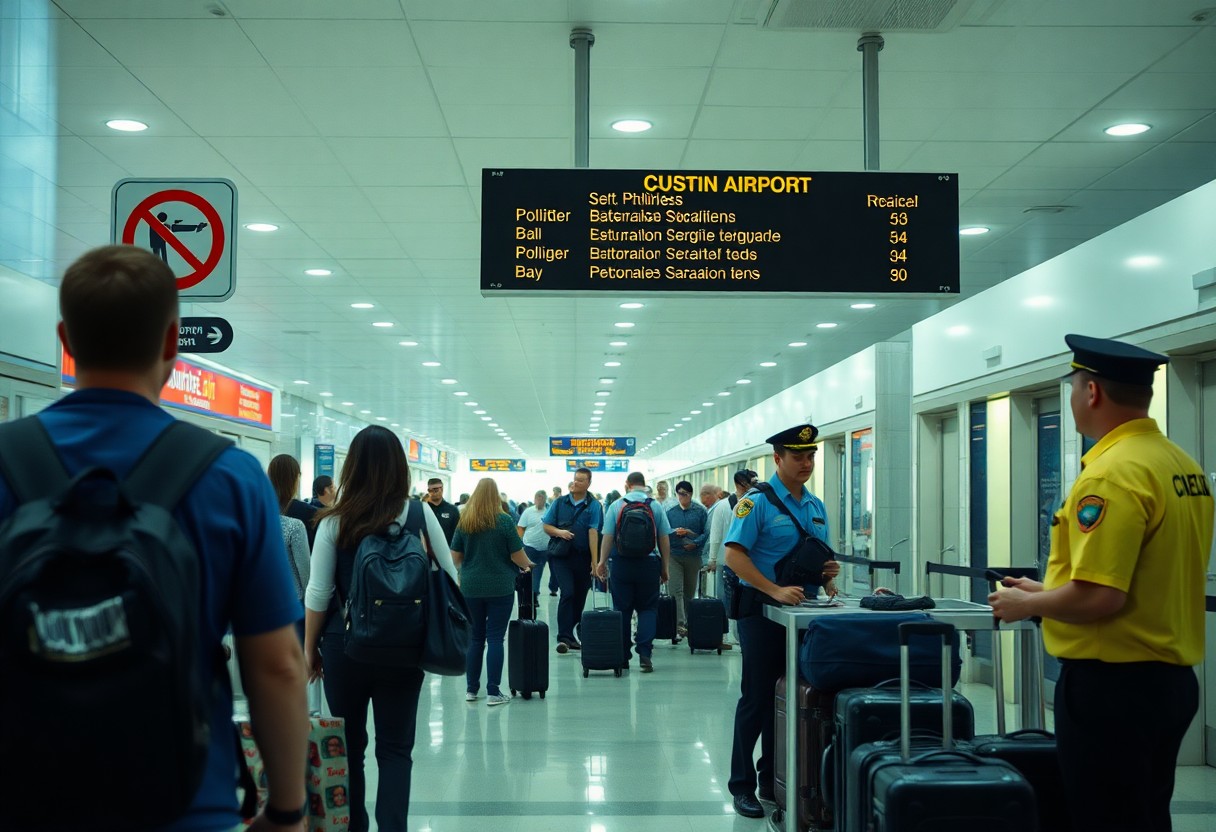
Duty‑free Limits And Common Allowances
Adults (usually 18+) have modest duty‑free allowances; know the common limits below to avoid surprise taxes at the border.
- Alcohol: 1 liter of spirits duty‑free (exceeding amounts may be taxed).
- Tobacco: up to 200 cigarettes (or equivalent).
- Personal goods and souvenirs: many travelers may import items under a small value threshold (check receipts).
Medication, Permits And What To Pack
Prescription medicines are commonly allowed for personal use but controlled drugs need paperwork. Follow these steps:
- Keep medicines in original pharmacy containers with your name and prescription.
- Carry a signed note from your prescribing clinician describing drug name, dose and condition being treated.
- Bring only a personal supply—large or commercial quantities raise questions and may require import permits.
- Declare any controlled or unusual medications at immigration/customs and present documentation on request.
Declarations, Inspections And How To Act At The Border
You will normally complete a customs declaration on arrival. Honesty and organization speed the process—if an item is listed as restricted or you carry large amounts of cash or special goods, declare them.
- Have receipts, prescription letters and permits ready and accessible.
- Separate electronics and any items likely to be inspected from packed clothing to avoid delays.
- If stopped, stay calm, present documents, and follow official instructions; refusal to cooperate can escalate to fines or temporary detention.
Belize has launched an online immigration system — if you want step‑by‑step details for pre‑arrival procedures and e‑forms see our note on Belize’s online immigration system.
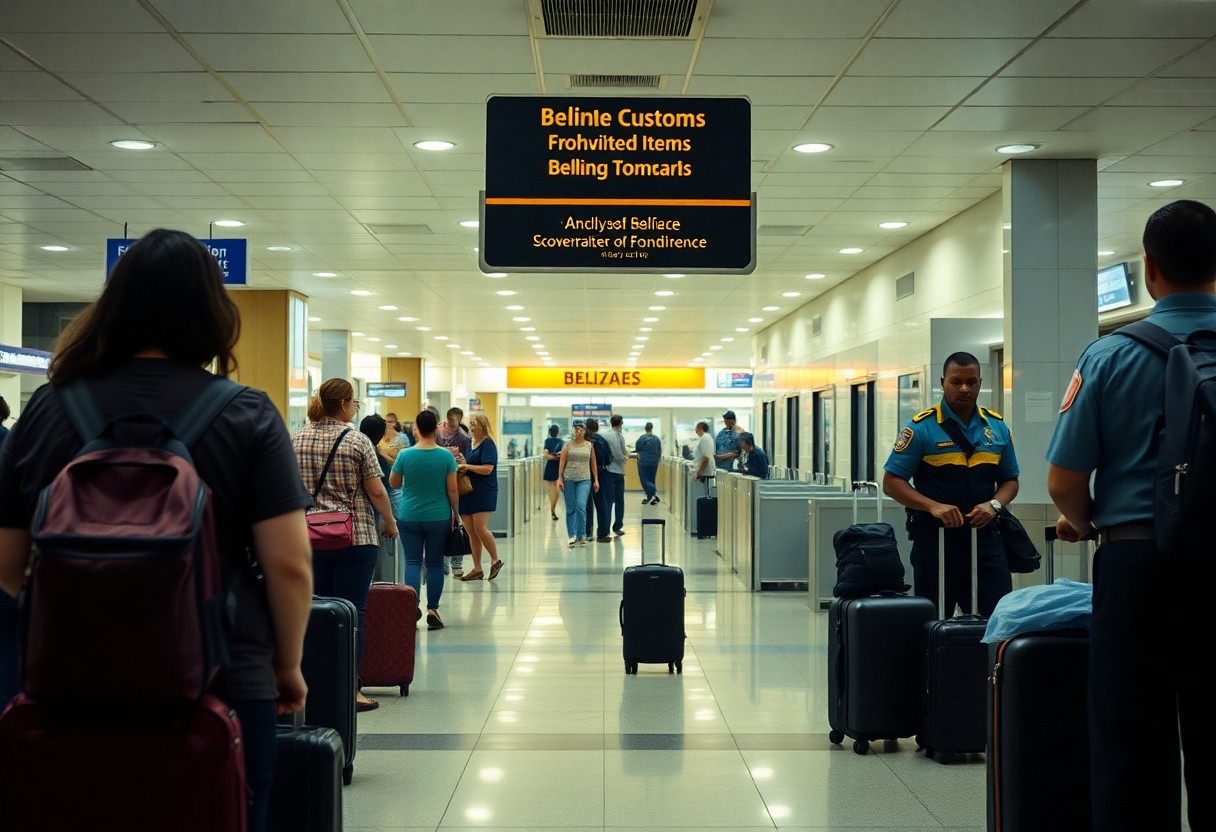
Fines, Confiscation And Currency Rules
Penalties vary by offense: prohibited items can be seized and fines applied; serious breaches (drugs, weapons, wildlife trafficking) may trigger arrest and prosecution. Declare currency over the legal threshold to avoid complications.
Packing Smart — Short Practical Checklist
- Do: carry prescriptions in original containers + doctor’s note.
- Do: keep high‑value receipts and declare them if asked.
- Don’t: pack fresh fruit, seeds, soil, or raw meat/dairy.
- Don’t: assume souvenirs made from shells or animal parts are legal—ask and check documentation.
Frequently Asked Questions
Can I Bring Prescription Opioids Or Other Controlled Meds?
You may, but controlled drugs require clear documentation: an original prescription, a doctor’s letter explaining medical need, and only a reasonable personal quantity. Declare them at customs; officials may request to see paperwork.
What Food Can I Bring Into Belize?
Packaged, shelf‑stable commercial foods are usually acceptable; fresh fruits, vegetables, seeds, plants, raw meats and dairy are commonly prohibited and should not be brought without prior approval.
How Much Alcohol And Tobacco Can I Bring Duty‑free?
Generally one liter of spirits and up to 200 cigarettes are allowed duty‑free for adults, but check the latest limits with Customs before travel if you plan to bring more.
What Should I Do If I Accidentally Packed A Prohibited Item?
Declare it immediately on your customs form or to the officer on arrival—voluntary declaration reduces the risk of fines or criminal charges and lets officials advise on quarantine or disposal.
Where Can I Find Official Permit Forms?
Start with Belize Customs and the Belize Department of Immigration websites for permit requirements. For an overview of restricted imports see the Trade.gov summary.
Next Step — Check Permits And Plan With Confidence
If you’re planning a trip and want context on how agriculture and local rules affect travel, read our deep dive on Belize’s economy, agriculture and ecotourism or contact us for itinerary help at Contact Us.

Liam Cartwright is an avid traveler and author specializing in Belize travel guides. With a passion for uncovering hidden gems and sharing local insights, he captures the essence of Belize’s vibrant culture, stunning landscapes, and diverse activities. Through his writing, Liam aims to inspire adventure seekers and empower travelers to explore the beauty of Belize with confidence and curiosity.
It’s fascinating to explore how customs regulations not only safeguard a nation’s economy but also its environment, especially in a unique destination like Belize. As someone who loves to travel, I’ve always been intrigued by how countries balance tourism with ecological preservation. The prohibition on bringing fresh produce and meats is a great example of this; it makes me think about the critical role agriculture plays in local economies and the importance of protecting native ecosystems.
You’ve touched on some really important points. It’s impressive how customs regulations can play such a pivotal role in both protecting the economy and preserving the environment, especially in a place like Belize, which is so rich in biodiversity. The way a country balances the influx of tourists with the need to maintain its natural beauty and ecological health is definitely a tightrope walk.
You’ve made a really great observation about the delicate balance countries like Belize have to strike. It’s fascinating how customs regulations serve as gatekeepers, not just for economic well-being but also for environmental sustainability. Belize, with its stunning coral reefs and diverse ecosystems, presents a unique case study.
You’ve hit the nail on the head with your point about customs regulations acting as gatekeepers. It’s interesting to think about how these policies weave together the fabric of a country’s economy and its unique environmental identity. In Belize, for instance, the balance isn’t just about boosting tourism or trade; it’s also about protecting those stunning coral reefs and the diverse ecosystems that are such a massive part of its appeal and heritage.
You make a solid point about the balancing act that Belize faces with its customs regulations. It’s a fascinating challenge, isn’t it? One thing to consider is how tourism can sometimes lead to unintended consequences, like increased plastic waste or habitat disruption. The regulations are meant to mitigate these risks, but they can also be a source of frustration for both tourists and local businesses.
“I’m glad you found the points resonant! If you’re interested in exploring how to support sustainable tourism efforts in Belize and help preserve its stunning ecosystem, check out this link for more information.”
https://xamanekbelize.com/private-and-luxury-tours
Your insights on Belize’s customs regulations highlight an often-overlooked aspect of travel that can significantly impact both the visitor experience and the local ecosystem. I appreciate your emphasis on understanding what is permissible before traversing the border.
It’s fascinating how a destination’s customs regulations can say so much about its priorities and values. Belize, for instance, clearly places a strong emphasis on protecting its rich biodiversity and agricultural integrity, which is something we should all appreciate when traveling. I remember my trip to Costa Rica, another country with strict regulations, where I witnessed how careful customs practices can help protect local ecosystems. It made me think about how our choices as travelers impact the places we visit.
It’s so crucial to be aware of customs regulations, especially in a place like Belize, where the environment and economy are deeply intertwined. I remember traveling to Costa Rica a few years ago and being surprised by their strict regulations on bringing in certain food items. It really made me think about how our travel habits can impact local ecosystems.
You’re spot on with that observation about Belize! Customs regulations might seem like a fun-killer at the airport, but they’re basically the bouncers at the party for local ecosystems. I mean, who knew a banana could be such a troublemaker?
Your post raises important points about the customs regulations in Belize, particularly regarding the protection of the environment and local economy. It’s fascinating how policies like these serve not just as barriers but also as proactive measures aimed at preserving a country’s natural beauty and agricultural integrity.
You make a great point about the dual nature of customs regulations in Belize. It’s interesting how policies designed to protect the environment often reflect a country’s values and priorities. I think that balance between fostering local economic growth and preserving natural resources is something many countries grapple with today.
Understanding the customs regulations in Belize is indeed crucial for a smooth travel experience. I appreciate your emphasis on the importance of adhering to these guidelines, especially regarding prohibited items such as fresh produce and meat. It’s fascinating how these regulations not only aim to protect Belize’s unique environment but also its agricultural economy. Given the country’s rich biodiversity, I’m reminded how essential it is to safeguard the local ecosystems from potential contamination.
You’ve highlighted a key point about the customs regulations in Belize that isn’t often discussed outside of travel planning. The balance between welcoming visitors and protecting the environment is a fascinating challenge that many countries face, especially those with rich biodiversity like Belize.
Your insights on the customs regulations in Belize resonate deeply, especially considering how interwoven travel and responsible stewardship of the environment have become in today’s world. It’s fascinating to think about how a country like Belize, with its rich biodiversity and unique ecosystems, actively works to protect its resources through these regulations.
It’s great to hear your thoughts on this topic. Belize really does have a unique approach to balancing tourism with environmental protection. You can feel the passion the locals have for their natural resources, and that’s pretty inspiring.
Your insights on the customs regulations in Belize highlight a crucial aspect of responsible travel—understanding and respecting local laws to protect both the environment and economy. It’s fascinating how travel not only expands our horizons but also requires us to engage with the unique customs and regulations of each destination. I can recall my own travels to various countries, where I often found myself researching local laws to avoid inadvertently causing harm or disrespect to cherished traditions, ecosystems, or economic practices.
It’s interesting to see how customs regulations like these can significantly impact both travel experiences and local environments. Understanding what we can and cannot bring into a country really highlights the responsibility we have as tourists. I remember traveling to another tropical destination where I hesitated to carry fresh snacks because of strict agricultural rules. It made me more aware of how our choices can affect local ecosystems.
You bring up a great point! It’s fascinating how something as simple as customs regulations can change the way we experience travel and engage with new environments. Every country has its unique risks and guidelines that come from wanting to protect their own flora and fauna, and it’s a reminder of the interconnectedness we have with our planet.
“I’m glad to hear your thoughts on this! If you’re interested in learning more about responsible travel tips that protect local environments, check out our guide [here].”
https://xamanekbelize.com/nature-and-wildlife-encounters
Understanding customs regulations is crucial when traveling to Belize, especially given its commitment to environmental protection. It makes me reflect on the broader impact we all have when we cross borders, not just in terms of what we bring, but in how our travels affect local ecosystems and economies. For instance, the growing trend of eco-tourism emphasizes how travelers can engage responsibly with nature while respecting local regulations.
Your insights into Belize’s customs regulations highlight an essential aspect of international travel that often gets overlooked: the importance of understanding and respecting local laws, especially when it comes to environmental and economic protection. This is particularly relevant in a country like Belize, where biodiversity and natural resources play pivotal roles in both its economy and cultural identity.
You bring up a really important point about the intersection of travel, laws, and environmental stewardship. I’ve often found that understanding local customs and regulations can deepen the experience of visiting a new place. In Belize, the connection between its rich biodiversity and local livelihoods is so strong; it’s fascinating to see how they balance tourism with conservation.
I thought you’d find this food guide helpful, as it delves into Belize’s local dishes while also respecting the rich cultural and environmental context you mentioned.
‘Belize Food Guide: Must-Try Local Dishes and Exactly Where to Eat Them’
https://xamanekbelize.com/belize-food-guide-top-local-eats/.
It’s fascinating to delve into the nuances of customs regulations, especially in such a biodiverse destination like Belize. The emphasis on protecting the environment is a reminder of how vital it is to be responsible travelers. I remember traveling to another Caribbean island where customs checks were strictly enforced for agricultural goods, and it really opened my eyes to the impact of invasive species and contamination on local ecosystems.
It’s great to hear your reflections on customs regulations and their role in preserving biodiversity in places like Belize. That awareness really does change the way we engage with different environments. I remember a trip I took to another island where, similar to your experience, customs were intensely focused on preventing the introduction of pests and diseases. It struck me how much responsibility we have as travelers—not just for our own convenience, but for the ecosystems we visit.
Your insights on Belize’s customs regulations serve as a crucial reminder for anyone planning a trip to this stunning destination. It’s fascinating how these rules not only aim to protect the local environment but also bolster the economy by preventing the import of potentially harmful goods. I appreciate the emphasis on avoiding fresh produce and agricultural products, as it’s quite common in tropical locations to deal with the repercussions of agricultural contamination.
You raise an important point about the balance Belize tries to strike between protecting its natural resources and supporting its local economy. It’s true that fresh produce and agricultural products can introduce pests and diseases that have dire consequences for local ecosystems and farming communities. What’s often overlooked is how these regulations also reflect a broader global challenge: maintaining biodiversity while accommodating tourism and trade.
Thank you for your thoughtful comment! To help you prepare for your journey, check out our guide on navigating customs in Belize for a smooth and enjoyable travel experience.
https://xamanekbelize.com/great-blue-hole-of-belize-essential-diving-tips-for-enthusiasts
It’s interesting how customs regulations can sometimes feel overwhelming, but they really do serve a crucial purpose. I remember traveling to Belize and having a mini panic attack over packing snacks! I ended up just sticking to packaged goods to avoid any issues. It’s such a bummer when you’re craving something fresh, but as you pointed out, it’s all about protecting the local ecosystem.
Your insights on Belize’s customs regulations highlight a crucial aspect of responsible travel. It’s impressive to see a country actively working to protect its environment and agricultural integrity. I think it’s also important for travelers to consider how these rules can reflect broader global issues, such as biodiversity conservation and sustainable tourism. For instance, the prohibition on items like endangered species products not only safeguards local wildlife but also aligns with international conservation efforts, such as the CITES agreement.
You’ve touched on a really important point about how customs regulations can resonate beyond just the borders of a single country. When we think about Belize’s efforts to preserve its unique environment, we are witnessing a microcosm of a global movement prioritizing sustainability, biodiversity, and conscious tourism. It’s fascinating how local laws, like those banning products from endangered species, are not just isolated rules. They echo commitments made on the international stage, such as the CITES agreement, and inspire a broader dialogue about the role each traveler plays in protecting our planet.
Your insights on Belize’s customs regulations are incredibly relevant, especially in an age where international travel is more accessible than ever. Understanding the specific prohibitions around certain goods is not just a matter of convenience; it highlights a broader relationship between tourism and environmental sustainability. As someone who has traveled to various Caribbean nations, this subject resonates deeply with me. I’ve seen firsthand the impacts that unchecked imports can have on local ecosystems.
Understanding customs regulations is crucial for anyone planning a trip to Belize, especially with the potential legal implications involved. It’s interesting how countries often use these regulations not just to protect their borders but also to preserve their unique ecosystems and agricultural sectors. I remember a friend who unknowingly packed some fruits while visiting Belize, and he faced a hefty fine at customs. This highlights the importance of being informed before traveling, as even seemingly harmless items can be restricted.
You raise a really important point about customs regulations and their role in protecting a country’s unique environment. I can definitely relate to your friend’s experience; it’s surprising how easy it is to overlook what we might consider everyday items when traveling.
This post on Belizean customs regulations is incredibly enlightening, especially for those of us who might be planning a trip to this stunning destination. The importance of adhering to these guidelines cannot be overstated, not only to avoid legal troubles but also to contribute to the preservation of Belize’s unique environment and economy.