
Belize’s economy is a small, service-led mix anchored by agriculture and fisheries, with ecotourism now among the fastest-growing sources of jobs and foreign exchange.
Quick travel planning: if you’re visiting for reef or rainforest trips, see our month-by-month weather guide for the best timing: Best time to visit Belize.
Quick Answer
Belize relies on a mix of agriculture, fisheries and services; tourism — especially ecotourism and reef-based activities — now supplies a substantial share of foreign exchange and jobs, while limited diversification and climate risks remain persistent constraints.
Sector Snapshot — At A Glance
| Sector | Approx. share / trend | Main opportunity |
|---|---|---|
| Agriculture (sugar, bananas, citrus) | ~5–10% of GDP (declining share; still important for exports) | Value-added farming, agro-processing and climate-resilient crops |
| Fisheries & aquaculture | Small but locally vital (reef fisheries + lobster seasons) | Sustainable fisheries, marine conservation-linked tourism |
| Tourism / Ecotourism | Direct + indirect effects: a large share of GDP and employment (est. substantial; reef tourism is a major earner) | Premium nature experiences, reef diving, and community-based tourism |
| Services, remittances & finance | Largest share by output overall; growing in digital services and trade | Niche financial services, remote-work attraction, light tech investment |
Figures are approximate and reflect the combined direct and indirect contribution of sectors (sources: World Bank; Belize Statistical Institute).
How History Shaped Today’s Economy
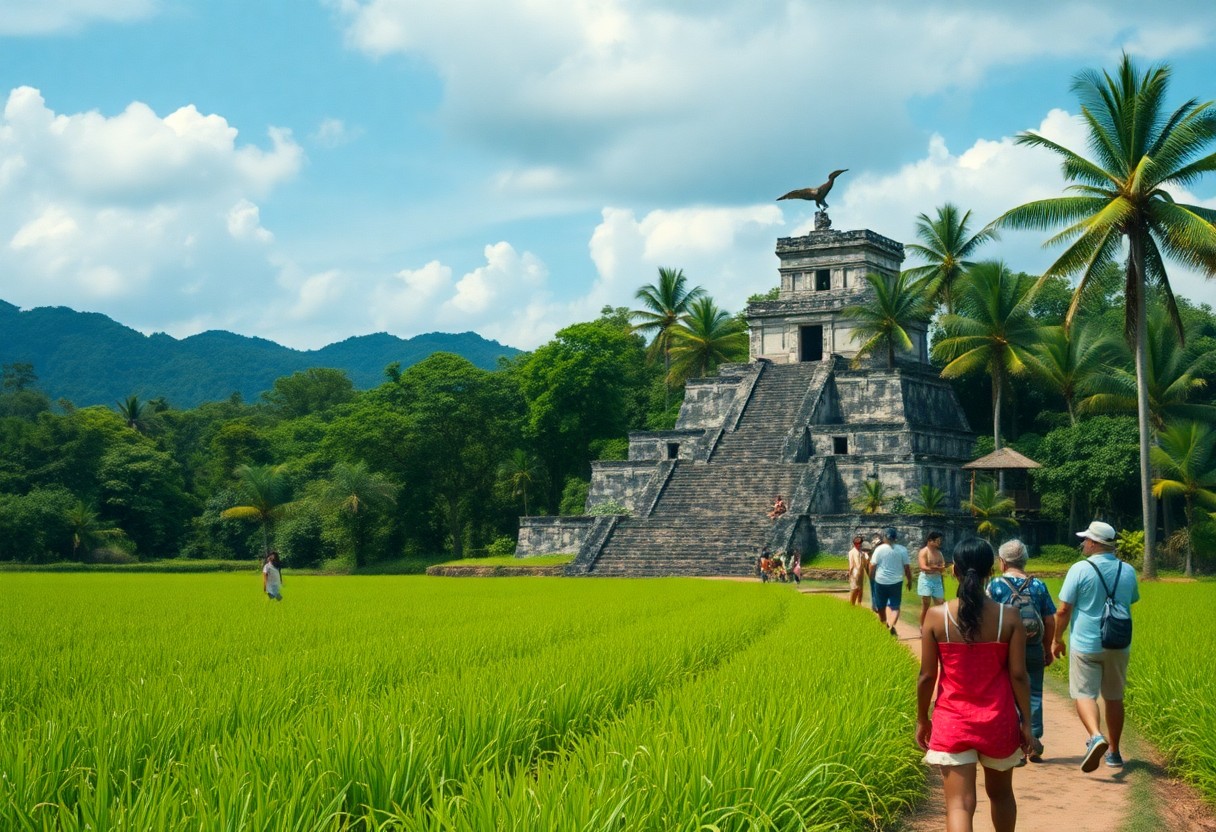
Belize’s colonial past built an export-oriented economy: logging (mahogany and logwood) dominated early activity, then sugar, bananas and citrus plantations shaped twentieth-century exports. These staples remain important for rural livelihoods even as their GDP share has fallen over time.
Tourism’s Transformation: Reef To Rainforest
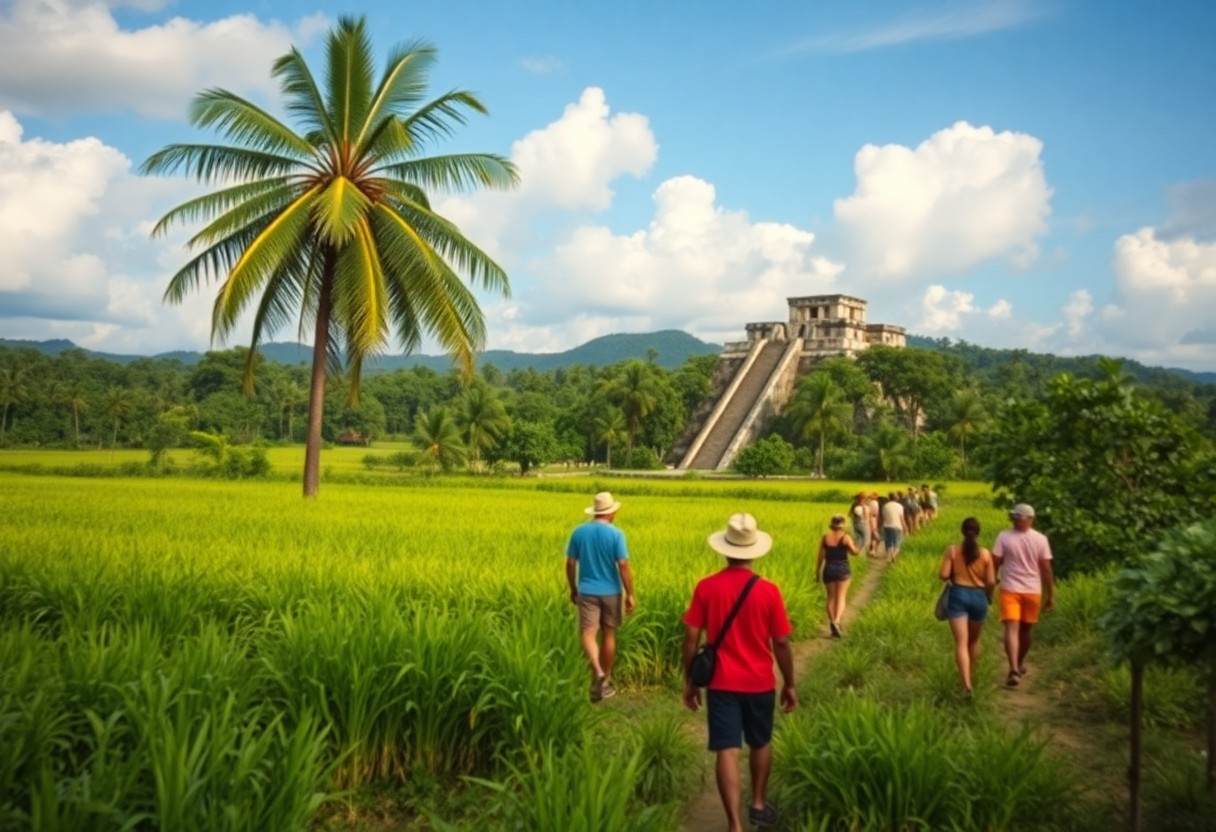
Since the 1990s, tourism—especially reef-based diving and ecotourism—has shifted Belize toward a service-led model. The Belize Barrier Reef (a UNESCO site) is a core economic asset; reef and adventure tourism support hotels, guides and coastal communities. For hands-on experiences and itinerary ideas, see our roundup of top ecotourism adventures: 7 must-do ecotourism adventures.
Main Constraints And Resilience
Belize faces structural challenges: limited diversification, a high public debt burden, and frequent climate shocks (hurricanes, flooding) that hit agriculture and coastal tourism. Import dependence for fuel and capital goods raises vulnerability to external price swings. At the same time, conservation-linked tourism and targeted green investments (renewables, sustainable fisheries) are practical resilience pathways.
For a focused, in-depth analysis of Belize’s debt, structural reforms and long-term risks, see our deep dive: Belize’s economic challenges and potential explained.
What Travelers And Investors Should Know
- Timing: high season runs from late November to April; book reef trips and guided cave tours 2–4 months ahead in peak months. See our month-by-month guide: Belize weather by month.
- Customs & entry: visitors should check local rules for protected species and seasonal restrictions—see our customs page for prohibited items before travel: Belize customs & prohibited items.
- Investment signals: ecotourism and conservation-linked businesses show strong local demand; value-added agriculture and sustainable fisheries are priority sectors for impact investors.
Bottom Line
Belize is transitioning from a commodity-driven past to a services-first present where ecotourism and marine protection are central economic assets. That transition raises opportunities for sustainable investment and higher-value visitor experiences, but success depends on managing climate risk and improving local value capture.
Frequently Asked Questions
Services (tourism and related activities) are the largest contributors to output, supported by agriculture and fisheries for rural incomes (sources: World Bank; Belize Statistical Institute).
Agriculture remains important for exports and jobs but contributes a modest share of national GDP (roughly single digits in percentage terms when compared to services).
Opportunities exist—especially in sustainable tourism and value-added agriculture—but investors should factor in small-market size, import dependence and climate vulnerability; for a focused policy and risk analysis see our deep dive: Belize’s economic challenges and potential.
Book 2–4 months ahead for high season (Dec–Apr); for peak wildlife or whale shark windows check activity-specific guides and local operators.
Note: sector shares and trends are summarized for quick orientation; for official statistics consult the World Bank and the Belize Statistical Institute.

Vanessa Carter is a passionate travel writer and expert on Belize, dedicated to sharing the wonders of this beautiful Central American destination. With years of experience exploring Belize’s diverse landscapes, vibrant culture, and rich history, she provides readers with insightful tips and guides that inspire adventure. Through her engaging narratives, Vanessa aims to connect travelers with the heart of Belize, making it an accessible and exciting destination for all.

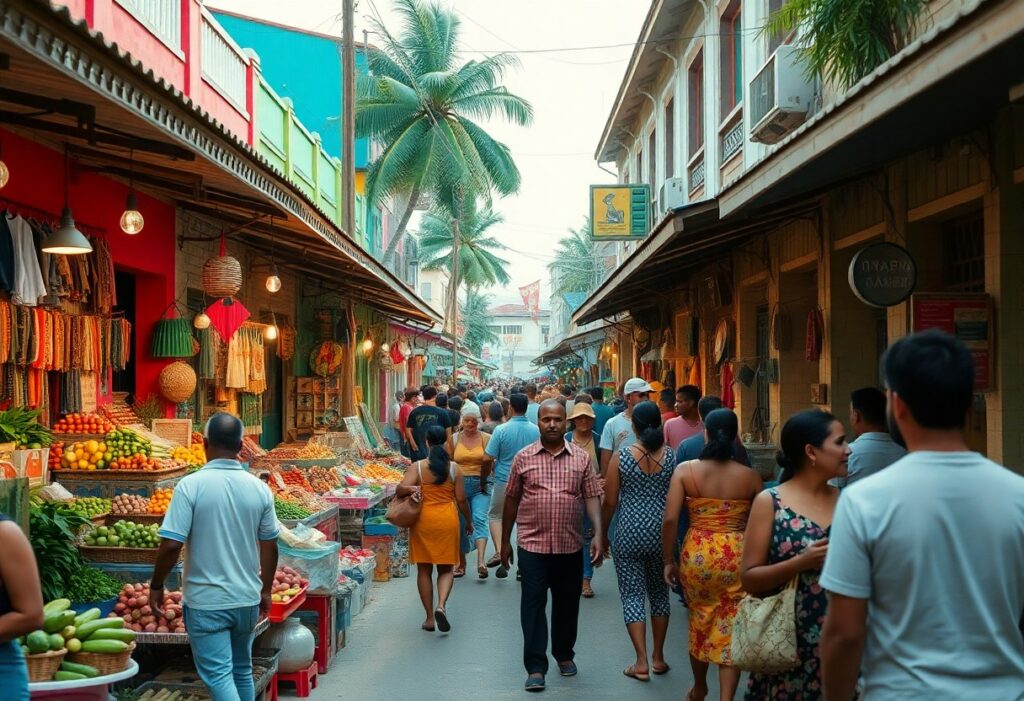
Isn’t it fascinating how a country as small as Belize can pack such a punch in the economic ring? When I think about Belize’s agricultural roots, I can’t help but picture a vibrant scene of farmers tending to sugar cane fields while the sweet scent of bananas wafts through the air. It’s like a tropical version of “Field of Dreams”—if you build it, the tourists will come, right?
You’ve really captured the essence of Belize with your imagery. The contrast between its size and the significance of its agricultural sector is striking. Belize is a hidden gem in the Caribbean, and while it may not have the vast agricultural landscape of a larger nation, it does have a unique identity that several countries could envy. Those sugar cane fields and banana plantations are just a part of a larger tapestry that includes coffee, cacao, and even the rising influence of organic farming.
It’s fascinating to see how Belize’s economy reflects a balance between preserving its rich natural heritage and fostering innovation. The transition from traditional agriculture to ecotourism resonates with many countries navigating similar paths. I recently read about how countries in Central America are leveraging their unique biodiversity to create sustainable tourism models, sometimes revamping entire rural communities.
Your insights into Belize’s economic evolution are compelling, particularly the juxtaposition of traditional agriculture with emerging ecotourism. It’s fascinating to consider how deeply rooted agricultural practices, such as sugar and banana cultivation, have laid the groundwork for diversifying the economy. This transition towards ecotourism not only reflects a global trend towards sustainability but also showcases Belize’s unique ability to harness its natural beauty while fostering economic growth.
You know, it’s quite an interesting dance that Belize has been doing lately between the fields and the forests, so to speak. It’s like watching a talented chef juggling between making a classic rice and beans dish and whipping up a trendy avocado toast—all while making sure the flavors don’t clash. What’s fascinating is how those traditional crops, like sugar and bananas, have been the backbone of the economy for so long. They’ve kept the wheels turning while giving way to the more dynamic and, dare I say, ‘Gram-friendly’ ecotourism scene.
Thank you for your thoughtful comment! If you’re interested in exploring more about Belize’s vibrant ecotourism opportunities and how they celebrate the country’s rich heritage, check out this resource for exciting insights.
https://xamanekbelize.com/book-a-hotel-belize
It’s true, the dance between traditional agriculture and the burgeoning ecotourism scene is quite a spectacle in Belize. The way those classic crops like sugar and bananas have been the foundation of the economy reflects not just agricultural practices but also cultural identity. I often wonder how this balance affects local communities.
Your insights on Belize’s evolving economic landscape are both intriguing and thought-provoking. It’s interesting to note how the historical reliance on traditional sectors like agriculture is transitioning into a focus on sustainable industries such as ecotourism. This shift not only speaks volumes about global economic trends but also highlights Belize’s unique position in the world.
Your exploration of Belize’s economic evolution and its potential for sustainable growth presents a compelling narrative, yet I wonder if the discussion sufficiently addresses the complexities that often accompany such transitions. Belize’s historic reliance on traditional agriculture—sugar, bananas, and citrus—certainly laid a foundation for its economic development, but to mitigate the threats of climate change and global market volatility, it seems crucial to delve deeper into the social implications of these shifts.
You’ve touched on some key points that often get overlooked in discussions about economic transitions, especially in places like Belize. The shift away from traditional agriculture is complicated for sure. Sugar, bananas, and citrus have been the backbone of the economy for so long, and it makes sense that moving away from those staples will raise quite a few social implications.
It’s fascinating to see how Belize’s economy is evolving, particularly with its emphasis on sustainable industries. The shift from traditional agriculture to ecotourism really underscores a growing global trend towards sustainability.
It’s true that Belize’s focus on sustainable industries is really setting an intriguing example for other countries. The transition from traditional agriculture to ecotourism reflects not just a response to market demands, but also a deeper appreciation for the environment and local cultural heritage. I think this shift is particularly relevant as more people are beginning to prioritize travel experiences that are both enjoyable and responsible.
Your take on Belize’s economic transformation is truly enlightening! It’s fascinating to see how the country is leveraging its natural beauty and resources for sustainable growth. The balance between agriculture and ecotourism is especially intriguing, considering how many regions around the world are grappling with the consequences of climate change.
I appreciate your thoughts on Belize’s economic transformation. It really is remarkable how they’re embracing their natural assets to foster sustainable growth. The balance between agriculture and ecotourism is particularly critical, especially with the pressures many regions face due to climate change.
Your insights on Belize’s evolving economic landscape highlight a fascinating juxtaposition between historical reliance on agriculture and the emerging role of ecotourism. It’s intriguing to consider how the legacies of colonialism, particularly in resource exploitation, still cast long shadows on contemporary practices. Understanding how traditional agriculture continues to inform the socioeconomic fabric of Belize is essential, but I wonder how this history complicates the transition to ecotourism.
You’ve hit the nail on the head about Belize’s economic transition – it’s a real mixed bag, isn’t it? It’s as if we’re watching a delicate dance between two partners that don’t always move in sync. On one hand, you’ve got the deep roots of agriculture, which, let’s face it, has shaped the fabric of rural life like a well-worn hammock. Those traditions are woven into the history and identity of the people. On the other, there’s this shiny new partner called ecotourism, strutting onto the scene with dreams of sustainable practices, nature preservation, and oh yes, those Instagrammable shots that have potential travelers swooning.
You’ve touched on a really complex intersection of history and modernity in Belize. The legacies of colonialism undoubtedly shape current agricultural practices and land use, creating both challenges and opportunities for the shift toward ecotourism. It’s interesting to think about how traditional communities perceive this transition; their deep-rooted knowledge of the land can be both a resource and a potential barrier.
I really love how you highlighted the transition Belize is making from traditional agriculture to more innovative, sustainable industries. It’s fascinating to see how places with rich natural resources, like Belize, are finding ways to leverage what they have to attract more eco-conscious travelers and investors. The role of ecotourism in particular is such a game-changer; it not only supports the economy but also fosters a deeper appreciation for the environment.
Your discussion about the economic evolution of Belize truly highlights the dynamic interplay between traditional practices and modern innovations. It’s fascinating to see how the country is navigating its unique identity in a globalized world, particularly through the lens of sustainability. Belize’s reliance on agriculture for so long, particularly with crops such as sugar and bananas, definitely shaped its early economic foundation. Yet, I’m particularly intrigued by the shift you mentioned towards ecotourism and sustainable industries.
Your exploration of Belize’s economic evolution certainly highlights the delicate balance between leveraging natural resources and fostering sustainable development. It’s fascinating to see how the agricultural roots in sugar, bananas, and citrus have paved the way for ecotourism, reflecting a broader trend seen in many Caribbean nations.
Your insights on Belize’s evolving economic landscape truly resonate with me. It’s fascinating how the country is transitioning from its traditional agricultural roots into more innovative and sustainable industries, which reflects a broader global trend towards environmental consciousness. I’ve always viewed Belize as a hidden gem, not just for its stunning natural beauty but for the potential it holds in creating a harmonious balance between development and preservation.
It’s fascinating to see how Belize is navigating the delicate balance between its rich historical roots in agriculture and the emerging opportunities presented by ecotourism. I’ve always believed that a nation’s identity is deeply intertwined with its economic practices, and Belize’s approach feels like a promising model for other countries rich in natural beauty.