Belizean culture blends Maya, Garifuna, Creole, Mestizo and Caribbean influences into everyday life; learning a few core values and local etiquette makes visits more rewarding and respectful.
• Experience Garifuna music and food — see local Garifuna events and workshops: Local Cultural Experiences.
• Study Belize’s ethnic mix and deeper history — read our overview: Ethnic Heritage & Society.
• Compare cross-border traditions — background and differences: Belize & Honduras.
Core Values In Everyday Life
Belizean social life is built on community, respect for elders, and an emphasis on harmony. Those three ideas shape greetings, family roles and how public celebrations are run.
Family, Community And Social Structure
Family in Belize often means a broad network: grandparents, aunts, uncles and neighbors routinely participate in childcare, decision-making and celebrations. Visitors should be aware that decisions—especially in rural towns—may involve elders or community meetings, and public deference to elders is common.
Practical tip: when in a village or household, greet the oldest person first and use formal politeness (a smile, handshake, or a respectful verbal greeting in English or Spanish as appropriate).
Respect, Harmony And Conflict Resolution
Belizean interactions tend to favor politeness and indirect conflict resolution: disagreements are often handled privately or during community gatherings rather than through public confrontation.
Religion, Festivals And Where To Experience Them
Religion and ritual play visible roles in daily life and festivals; public holidays and local fiestas are the best way for visitors to see cultural expression up close. Plan visits around major events for the fullest experience.
Major Celebrations To Consider
- Garifuna Settlement Day (Nov 19) — drumming, dance and special foods, best experienced in Stann Creek/Hopkins.
- Belize Carnival & Independence events — parades and cross-cultural performances in Belize City and San Pedro.
- Religious observances (Christmas, Easter) — family gatherings, processions and communal meals occur nationwide.
Language And Everyday Communication
English is the official language, but Spanish, Belize Creole (Kriol), Garifuna and several Mayan languages are common. Learning a few phrases in Kriol or Garifuna is appreciated and shows respect—simple greetings go a long way.
Non-Verbal Cues And Etiquette
Expect relaxed personal space compared with North American norms in many communities; eye contact signals attention rather than aggression. Avoid loud displays of anger and be mindful when taking photos — always ask first, especially in private homes or during rituals.
Arts, Crafts And Where To See Them
Belizean crafts express identity and local history. Visit village craft markets, community-run exhibitions and festivals to see weaving, pottery, wood carving and Garifuna instrument-making firsthand.
- Hopkins — for Garifuna drumming workshops and food demonstrations.
- Toledo — Maya pottery, weaving and community-run cultural centers.
- San Ignacio and Cayo district — Mayan ruins plus artisan cooperatives combining archaeology and living culture.
Education And Historical Context
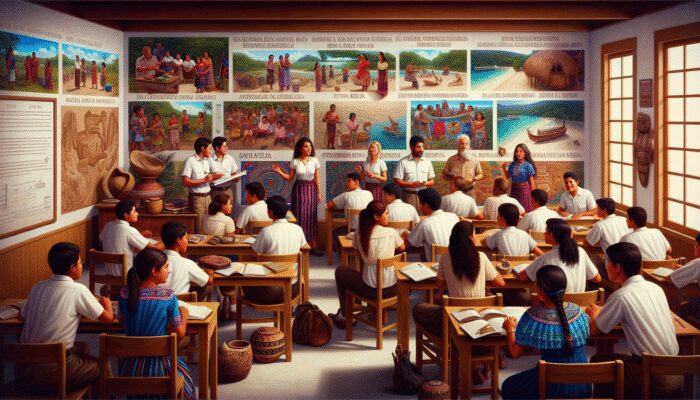
Schools and local programs keep cultural traditions alive: curricula often include local history and craft skills, and many community initiatives pair elders with students to pass on stories and techniques.
How History Shaped Today
Belize’s colonial history, the arrival and settlement patterns of different ethnic groups, and the resilience of indigenous practices together create the contemporary cultural mix. Understanding this helps visitors read cultural markers—language, ceremonies and foods—with more nuance.
Practical Etiquette: Do This, Not That
- Ask before photographing people or ceremonies.
- Accept invitations to community meals when offered.
- Use small, local guides and vendors to support communities.
- Loudly criticize or challenge elders in public.
- Assume cultural homogeneity—ask questions rather than generalize.
- Barter aggressively for cultural items without recognizing fair pay.
When To Go And When To Book (Timing & Booking Guide)
| When | Why | Booking advice |
|---|---|---|
| November–April (dry season) | Best weather for travel and many festivals (including Garifuna events). | Book lodgings and cultural tours 6–12 weeks ahead for peak months. |
| May–October (wet season) | Fewer crowds, greener landscapes, some village festivals continue. | Book 2–6 weeks ahead for local guides; expect occasional weather-related changes. |
| Event-specific (e.g., Garifuna Settlement Day) | High local significance and large crowds in host communities. | Reserve local workshops, transport and dining at least 2 months in advance. |
If you plan a short trip around a specific festival, align travel dates early and contact local-experience providers—see Local Cultural Experiences for options and scheduling tips.
Where To See Different Cultures In Belize (Short Guide)
- Hopkins & Stann Creek Garifuna music, language and food.
- Cayo & San Ignacio Maya ruins, markets, and artisan workshops.
- Toledo District Strong Maya presence and authentic craft co-ops.
- Ambergris Caye & San Pedro Creole-influenced coastal culture and seafood festivals.
How Cultural Exchange Affects Communities (And Visitors)
Tourism can fund cultural preservation but can also lead to commodification if residents don’t control how traditions are presented. Prefer community-run experiences and ask whether proceeds support local programs or schools.
Choose local guides, buy crafts directly from artisans, and book cultural workshops that explain context and history rather than staged performances alone.
Where To Learn More And Next Steps
For a broader geographic and historical context (how Belize fits in the region) see our overview of Belize’s global position and historical ties: Belize’s Continent & Global Position.
Browse curated cultural experiences or ask us to build a trip that prioritizes authentic community visits and local guides.
Targeted Faqs (Short, Direct Answers)
What Is The Main Culture In Belize?
There is no single “main” culture; Belize is multicultural—its identity is a blend of Maya, Garifuna, Creole, Mestizo and immigrant influences with regional concentrations of each.
How Lgbt Friendly Is Belize?
Belize is comparatively open in the region, particularly in tourist areas, but attitudes vary by community; public discretion and local awareness are wise, and larger towns are more tolerant.
What Should I Be Careful Of In Belize?
Be culturally sensitive in rural communities (ask before photographing, respect elders), avoid flashing valuables in cities, and follow local guidance when visiting sacred sites or private properties.
What Are Five Examples Of Belizean Traditions?
1) Garifuna drumming and dance; 2) Maya pottery and weaving; 3) Creole coastal seafood festivals; 4) Community harvest and food-sharing rituals; 5) Religious processions tied to Christmas and Easter.
When Should I Book Cultural Workshops Or Events?
For major festivals, book 6–12 weeks ahead; for workshops in smaller villages, 2–6 weeks is usually sufficient—contact hosts directly or use community-run providers listed on our experiences page.
See also: Local Cultural Experiences and Belize’s Ethnic Heritage for deeper reading and booking options.
If you want help planning a culturally-aware itinerary, contact us for customized recommendations that prioritize local guides and community benefit.

Clara Beckett is a passionate travel writer specializing in the vibrant culture and breathtaking landscapes of Belize. With a keen eye for detail and a love for adventure, she provides insightful and engaging content that guides readers through the best experiences Belize has to offer. Clara’s work not only highlights the country’s stunning natural beauty but also its rich history and diverse communities, making her Belize Travel Guide an essential resource for anyone seeking to explore this magnificent destination.
Your exploration of Belize’s cultural values truly resonates with anyone interested in the intricate dynamics of diverse societies. The emphasis on community, respect, and harmony as foundational principles makes so much sense when considering the day-to-day experiences of Belizeans. It’s fascinating how these ideals manifest in social interactions, creating a supportive network that bolsters the nation’s rich cultural tapestry.
It’s fascinating to see how the foundational values of Belize create such a vibrant community dynamic. I’ve always believed that respect for elders serves as a bedrock in many cultures, but in Belize, it seems to play an even more pronounced role in preserving and passing down wisdom and traditions.
I completely agree with you on the role of respect for elders in Belizean culture. It’s interesting how these values are not just about tradition but also about fostering a sense of community and continuity. In many cultures, elders are seen as custodians of knowledge, and in Belize, that seems to manifest in a really active way. There’s something beautiful about how storytelling becomes a way to connect generations.
Your exploration of Belize’s cultural values resonates deeply, especially as someone who has experienced the warmth of the community first-hand. The emphasis on respect and familial ties is striking; it reminds me of how these values manifest during community gatherings and festivals. For instance, the Garifuna Settlement Day celebrations beautifully illustrate the fusion of heritage and contemporary culture, showcasing how respect for tradition fosters community unity.
I appreciate your reflections on Belize’s cultural values, especially the significance of community gatherings like Garifuna Settlement Day. Experiencing that vibrant fusion of heritage and contemporary culture is something truly special. It’s fascinating how these traditions not only celebrate the past but also encourage bonding in the present, forging connections across generations.
Ah, community and respect in Belize—sounds like a recipe for both warm vibes and a lively potluck! It’s fascinating how much food can bring these principles to life; I mean, have you ever been to a Garifuna drumming session after a feast of hudut? It’s like the nation’s unofficial sport! It’s interesting to think about how these strong family ties and communal gatherings can actually boost mental health. We should definitely explore more about how these cultural traditions influence everything from wellness to social structure. Plus, one can’t deny that a little bit of collective harmony might even help when it comes to resolving those spicy debates about the best local dish! Any “food fights” happening in the comments? 🍲💃
Your exploration of Belize’s cultural values and social principles offers a profound look into the essence of what makes this nation so unique. As someone who has spent time in diverse cultural environments, I find the emphasis on community, respect, and harmony particularly resonant. These core principles not only guide interpersonal relationships but also create a societal atmosphere that fosters mutual support and understanding.
Your exploration of the cultural values in Belize truly resonates. The emphasis on community and interpersonal relationships is evident, especially when witnessing the vibrant celebrations like Garifuna Settlement Day or the various Maya festivals. These events not only showcase the rich diversity you mentioned but also reinforce the sense of collective identity and belonging among the different ethnic groups.
Your insights into the cultural values and beliefs of Belize are not only illuminating but also serve as a reminder of the importance of community and interpersonal relationships in shaping societal norms. As you mentioned, the blend of various ethnic groups like Mestizo, Creole, Garifuna, and Maya creates a rich cultural tapestry that not only defines Belizean identity but also impacts daily interactions and social structures.
This exploration of Belize’s cultural fabric truly resonates with me. The emphasis on values like community, respect, and harmony highlights how societies can thrive through connectivity and mutual support. It’s fascinating to see how different ethnic groups in Belize contribute to these principles, creating a rich cultural tapestry that is both unique and powerful.
The exploration of cultural values and beliefs in Belize, as presented by XamanekBelize, truly highlights the intricacies that come with its diverse cultural tapestry. It’s fascinating to consider how the interplay of various ethnic groups like the Mestizo, Creole, Garifuna, and Maya not only shapes daily interactions but also fosters a unique societal ethos rooted in community and respect.
It’s really interesting to think about how these different cultural backgrounds in Belize influence not just the social atmosphere but also aspects like local traditions, festivals, and even culinary practices. Each group brings its own unique flavors and customs, creating a rich blend that reflects the country’s history and its ongoing evolution.
If you’re intrigued by the cultural richness of Belize, you might find it worthwhile to check out a piece on how San Ignacio Town embodies the essence of adventure while reflecting the country’s vibrant ethnic tapestry.
‘First-Time Traveler’s Guide: Why San Ignacio Town is the Heart of Belize Adventures’
https://xamanekbelize.com/why-san-ignacio-is-the-heart-of-belize/.
I found your exploration of Belize’s cultural values and social principles to be incredibly insightful and thought-provoking. The way you describe the interplay of community, respect, and harmony resonates deeply, especially in a world where these aspects sometimes seem to be overshadowed by individualism. Living in a multicultural society, I’ve often appreciated how different cultures around the globe highlight the importance of strong interpersonal relationships and communal support. It’s fascinating to learn how Belize achieves this through its rich tapestry of ethnic groups, each contributing unique perspectives and traditions that enhance the overall societal fabric.
Your exploration of Belize’s cultural values and beliefs resonates deeply, particularly in light of how the diverse fabric of its society informs everyday interactions. The emphasis on community, respect, and harmony is not only foundational to Belizean life but also offers valuable lessons for other cultures navigating the complexities of modernity.
Your reflection on Belize’s cultural values really captures the essence of what makes its society so unique. The emphasis on community, respect, and harmony is indeed something that can sometimes feel lost in our more individualistic cultures. I’ve found that these values foster a deep sense of belonging and support, which is especially important in times of crisis or uncertainty.
I found this travel guide really insightful; it beautifully highlights Belize City’s attractions while reflecting on how its rich cultural values enhance the visitor experience.
‘Belize City Travel Guide: Must-See Attractions and Tips’
https://xamanekbelize.com/belize-city-travel-guide-must-see-attractions-and-tips/.
I completely agree that the sense of community in Belize is a remarkable aspect of its culture. It reminds me of how many traditional societies prioritize collective well-being over individual achievement. In a world increasingly driven by personal success and digital connectivity, it’s refreshing to see how those communal values create such a supportive environment—especially in challenging times.
You make a solid point about Belize’s cultural values acting like the glue holding our vibrant mix of folks together. It’s like a giant pot of stew where everyone brings their own unique ingredient—some spicy, some sweet, and a few just downright surprising. The way we blend the flavors reflects a deep-seated respect for each other’s backgrounds, which creates a sort of cultural buffet that everyone feels invited to enjoy.
Thank you for your thoughtful comment! If you’re interested in diving deeper into how Belize’s unique cultural landscape shapes its interactions and community life, I invite you to explore more through this link.
https://xamanekbelize.com/altun-ha
You’ve captured an essential part of what makes Belize so unique. The way community, respect, and harmony serve as guiding principles in daily life truly creates a sense of belonging that can be hard to find elsewhere. As we navigate the hustle and bustle of modern life, it’s interesting to see how these values can serve as a model for fostering connections, not only within Belize but in other cultures as well.
The insights shared about Belize’s cultural values really resonate with me, especially the emphasis on community and respect. Having traveled to Belize, I witnessed firsthand how these principles manifest in everyday interactions. For example, during a local festival, the warmth and openness of the Creole and Garifuna communities made me feel like part of a larger family, transcending mere visitor status.
I really appreciate how you highlighted the core principles that shape life in Belize. I’ve always been fascinated by how culture plays such a significant role in day-to-day interactions, especially in diverse societies like Belize where various ethnic groups come together.
Reading your insights about Belize’s cultural richness resonates deeply with me. The emphasis on community, respect, and harmony aligns closely with what I’ve experienced in other multicultural societies. I recently visited a community festival in a local neighborhood that celebrated various cultural backgrounds through music, food, and traditional dances. It struck me how similar the gatherings felt to your description of Belize—everyone coming together to share their distinct heritage while fostering a strong sense of belonging.
I found your insights about the cultural values in Belize really interesting, especially the emphasis on community and respect. It’s fascinating how these core principles not only shape interpersonal interactions but also influence the social structure in such a diverse society. I think it’s important to recognize how the various ethnic groups, like the Mestizo, Creole, Garifuna, and Maya, contribute to this melting pot. Each group brings its own unique traditions and beliefs, creating a dynamic cultural landscape that’s so rich and varied.
I’m glad you found the insights on Belize’s cultural values engaging. It’s true that each ethnic group adds so much to the mix. The way the Mestizo community blends Spanish and Maya traditions is fascinating, and the Garifuna’s music and dance really bring a unique flavor to the cultural scene. The Creole’s storytelling and the Maya’s ancient practices create a vibrant tapestry that reflects resilience and adaptation.
The exploration of cultural values in Belize sheds light on an important aspect of its identity that resonates deeply with the experiences of many other multicultural societies. The emphasis on community, respect, and harmony reminds me of similar values found in Indigenous cultures worldwide, where communal living and relational ties play a pivotal role in daily life.
It’s fascinating to see how you’ve highlighted the core values that are so central to Belizean society, particularly the focus on community, respect, and harmony. These principles not only define the social fabric of Belize but also resonate deeply in many cultures around the world. I recall my travels through Belize, where I was struck by the importance placed on family and community gatherings—simple moments like sharing a meal in someone’s home can reveal so much about these values in practice.
Your exploration of Belize’s cultural fabric really resonates with me, particularly the emphasis on community and interpersonal relationships. The diversity of ethnic groups such as the Mestizo, Creole, Garifuna, and Maya paints a beautiful picture of how cultural multiplicity can enrich a society. In many ways, it reflects the concept of “Ubuntu,” an African philosophy which emphasizes the interconnectedness of all people and the idea that our humanity is tied to one another. This raises the question: how do cultural values foster resilience in times of social or economic change?
It’s fascinating to delve into the rich tapestry of cultural values and social principles that you’ve highlighted in Belize. The emphasis on community, respect, and harmony really resonates with the way I view interpersonal relationships in my own life. I’ve always believed that strong social networks are fundamental to well-being, and it seems that Belizeans have beautifully embodied this philosophy.
Your exploration of Belize’s cultural values really resonates with me, especially the emphasis on community, respect, and harmony. It’s interesting how these principles are not just abstract concepts but are deeply ingrained in the daily lives of Belizians. For instance, the way families gather for traditions and celebrations reflects a strong sense of belonging that is often missing in more individualistic societies.
You’ve made an intriguing point about the communal values embedded in Belizean culture. I wonder how these principles are manifested in modern Belizean society, especially with the influence of globalization. For instance, while family ties and respect for elders are fundamental, it seems that younger generations might be influenced by individualistic trends from the digital age. This could lead to a fascinating interplay between traditional values and contemporary cultural shifts. Additionally, considering how tourism impacts local communal ties is essential; it often brings challenges, like gentrification or cultural dilution, that can affect these social norms. Have there been any notable movements or initiatives within Belize that aim to preserve those core values amidst these changes?
Your exploration of the cultural values in Belize beautifully highlights how deeply ingrained community and respect are in daily life. It’s fascinating to think about how these core principles shape not just interpersonal relationships but also the broader social landscape. I’ve always been intrigued by how different societies balance traditional values with modern influences, and Belize seems like a remarkable case study.
I truly appreciate how you’ve highlighted the core principles that shape Belizean society—community, respect, and harmony are indeed fundamental to understanding the cultural fabric of this beautiful country. It’s fascinating to see how these values manifest in daily life and interactions, especially among the diverse ethnic groups that call Belize home.