Los Finados in Belize (Nov 1–9) is a nine-day Maya–Mestizo observance blending Indigenous and Catholic practices where families welcome the spirits of the departed with altars, candles, and food offerings. If you’re planning a visit, book flights to Belize early—rooms and local events fill quickly around these dates.
Quick Decision Box — Should You Attend?
Yes, if you value quiet cultural exchange and respectful observation: expect altars, daily prayers, community processions, and unique foods like ix’pasha and bollos. Plan for modest dress, permission before photos, and at least a two-day window for altar preparations.
What Happens Each Day (Compact Timeline)
| Date | Event | What visitors can expect / participate in |
|---|---|---|
| Nov 1 | Día de los Angelitos — children | Small altars with toys, sweets, white flowers; quiet family prayers; ask before photographing. |
| Nov 2 | Día de las Ánimas — adults | Full altars with ix’pasha, bollos, las conservas and photos; community prayers and visits to family homes. |
| Nov 3–8 | Daily prayers and offerings | Families maintain candles and food on altars; visitors can observe, help with cooking if invited. |
| Nov 9 | Final farewell procession | Candle-lit walks, roadside candles, community processions and shared meals; communal goodbyes to spirits. |
Altar Preparation — A Compact Checklist And Step-By-Step
- Three-tier table or raised shelf (top = heaven)
- Las velas de cera (pure beeswax candles) — allow to burn fully
- Photos, religious images, white cloth
- Fresh flowers (marigolds preferred), copal incense
- Ix’pasha (purple corn porridge), bollos, las conservas
- Water, salt, and a small bowl of bread
- Begin at least 2 days before Nov 1 to gather items and cook fresh offerings.
- Lay a white cloth, arrange tiers east-facing if possible, place photos centrally.
- Light beeswax candles at dusk; do not blow them out — allow to burn to completion.
- Keep silence during food preparation; only the cook may taste ix’pasha before prayers.
- After prayers, families often share the physical food; the spirit has taken its essence.
Food, Symbolism And Respectful Participation
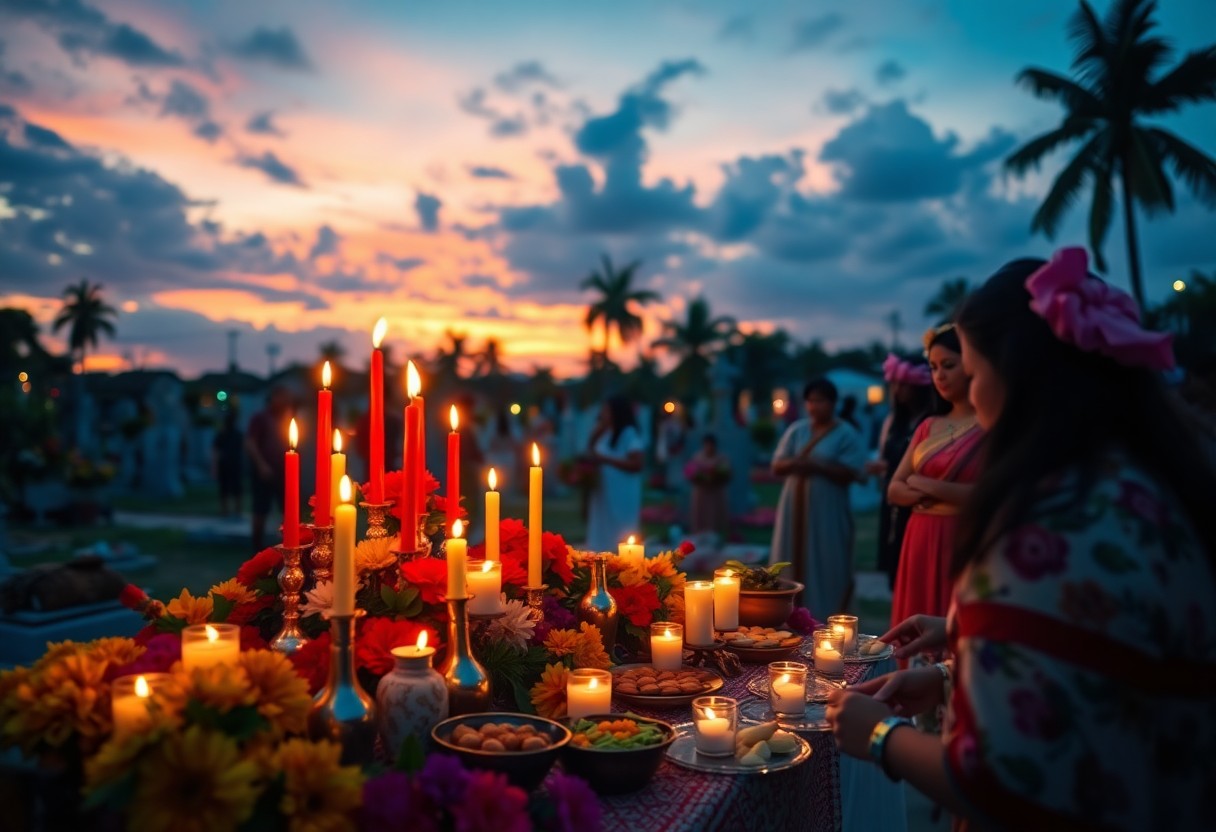
Food is the spiritual bridge in this tradition. Expect ix’pasha (a purple corn porridge), bollos (corn dough bundles often with beans), and las conservas (stewed fruits). Each offering is placed with intention: top tier for heaven and ancestors, middle for nourishment, bottom for purification (water and salt). These symbolic placements are still widely taught by family elders and local cultural groups.
If you want a guided cultural experience, consider linking your visit to local programs that explain techniques and meanings; see local cultural experiences for community-hosted workshops and demonstrations.
Visit planners: where to stay and neighborhood choice matter—smaller towns in Northern and Western Belize often host the most intimate Los Finados events. If you plan a longer cultural visit, learn why San Ignacio is a frequent base for inland cultural travel in Belize.
How To Attend Respectfully (Practical Rules)
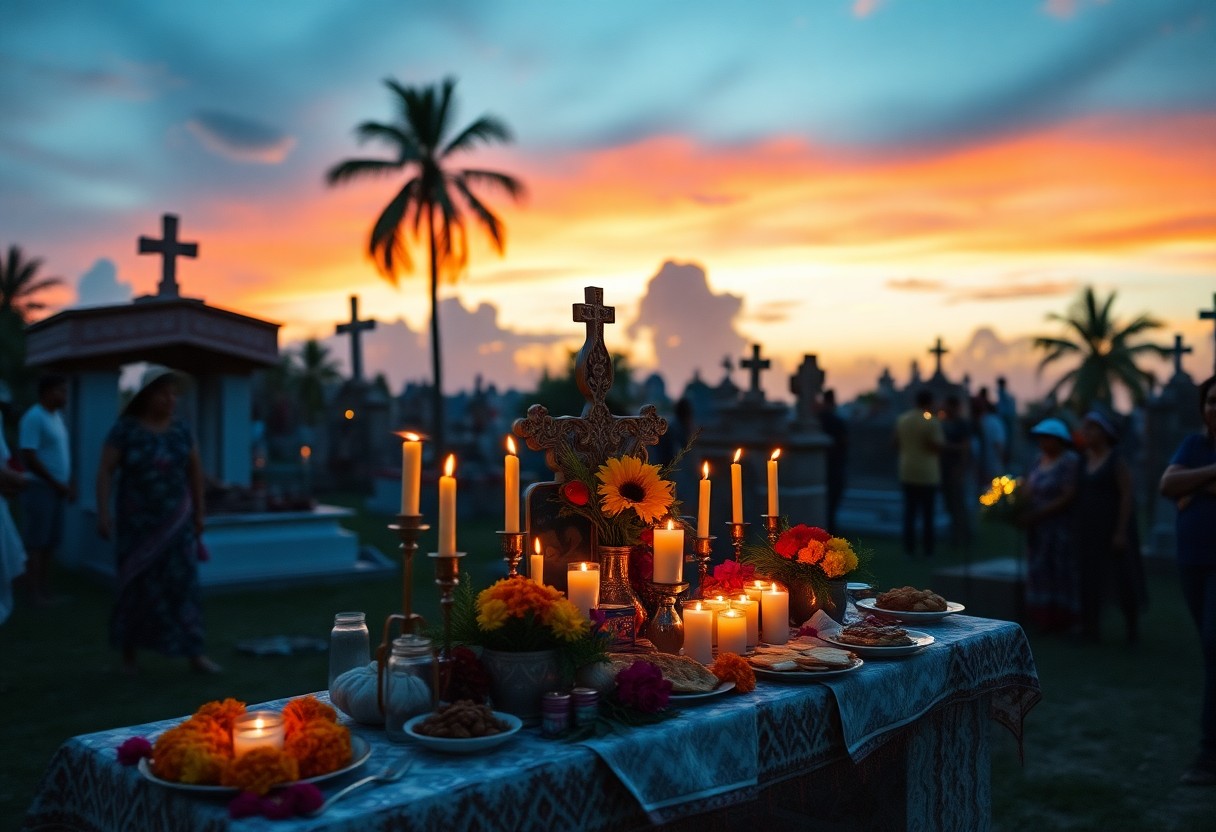
- Always ask permission before entering a home or taking photos; many families accept visitors but will guide where to stand.
- Dress modestly; speak softly during prayers and food preparation.
- Do not blow out beeswax candles—this is considered disrespectful to the ritual.
- If invited to help, follow the family’s lead; do not touch altar items without explicit permission.
- Bring a small offering (flowers or a candle) only if you first ask whether it is welcome.
Timing & Booking Guidance
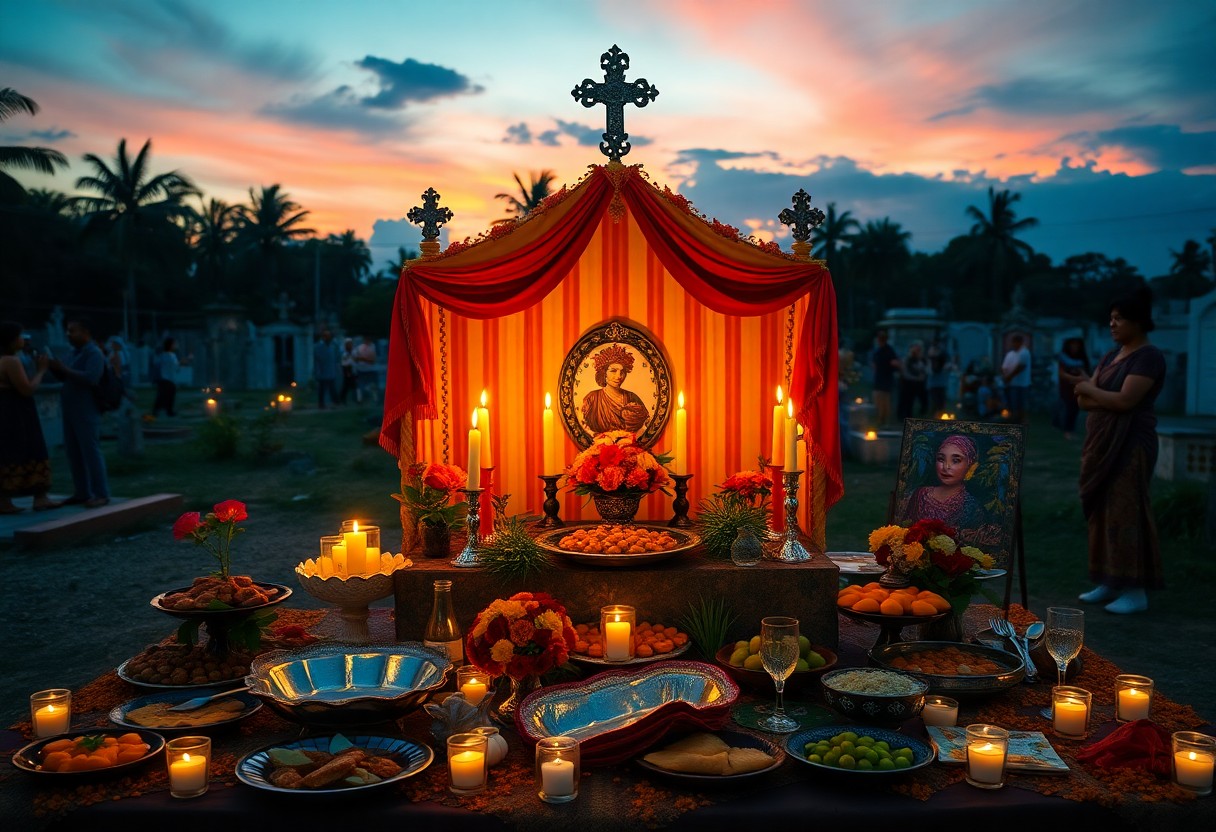
Los Finados occurs each year from Nov 1–9 and draws local visitors and families homeward; book flights and lodging several months in advance when possible. For planning help, see flight options to Belize and consult our hotel guide to choose a base near the communities you want to visit.
Local elders often lead altar workshops and candle-making—ask at community centres or check local cultural programs for scheduled demonstrations before you go.
Want more festivals and cultural events in Belize?
Frequently Asked Questions
What Is Los Finados (Day Of The Dead) In Belize?
Los Finados is a Maya–Mestizo observance (Nov 1–9) that blends Indigenous rituals with Catholic practices to honour children and adult ancestors through altars, candles, food, and community prayers.
How Long Does The Celebration Last And What Are The Key Dates?
The tradition runs nine days from November 1–9: Nov 1 for Día de los Angelitos, Nov 2 for Día de las Ánimas, Nov 3–8 for daily prayers, and Nov 9 for final farewells and processions.
Is It Appropriate For Outsiders To Attend?
Yes—if you approach with humility and permission. Ask before entering homes or taking photos, dress modestly, follow hosts’ instructions, and never touch altar items without consent.
Sources and context: core elements described here are based on community traditions, family observances in Northern and Western Belize, and local cultural programming in the region; for hands-on experiences, see our page on local cultural experiences.

Liam Cartwright is an avid traveler and author specializing in Belize travel guides. With a passion for uncovering hidden gems and sharing local insights, he captures the essence of Belize’s vibrant culture, stunning landscapes, and diverse activities. Through his writing, Liam aims to inspire adventure seekers and empower travelers to explore the beauty of Belize with confidence and curiosity.
This post beautifully captures the essence of Los Finados and its significance in honoring the departed. I appreciate how you highlighted the rich interplay between Maya-Mestizo and Catholic traditions, offering a glimpse into how these cultures converge to create a meaningful observance.
You really caught the heart of it with your observation about Los Finados. The blend of Maya-Mestizo and Catholic traditions creates such a unique atmosphere, doesn’t it? It’s fascinating how families create altars that tell personal stories, reflecting not just loss but also the joy of memories. Those little details—like favorite foods or photos—turn the celebration into something really alive. It’s almost like they’re inviting their loved ones to join in the celebration again. Have you seen any local variations in how it’s celebrated? Each community seems to add its own twist to the tradition, making it even richer.
I appreciate your insights on Los Finados—it really is remarkable how those personal altars become a space for storytelling as much as remembrance. The blend of cultures you mentioned seems to create a powerful connection to both the past and present. Each family’s approach is like a window into their unique relationship with loss and celebration, which is enriching for the community as a whole.
You’ve hit the nail on the head with that observation. Those personal altars really do tell such vivid stories, don’t they? Each one is like a little narrative universe, reflecting the family’s history, beliefs, and even their quirks. It’s a living tradition that empowers families to reclaim their narratives around loss and joy, which can be so cathartic.
I really resonate with what you said about personal altars being these narrative universes. It’s fascinating how they serve not just as a space for remembrance but as a canvas for a family’s values and stories. Every little detail speaks volumes, from the objects selected to the way they’re arranged.
You’ve hit the nail on the head with that idea of personal altars as storytelling spaces. They’re like family gossip columns, but with a little more flair and a lot less judgment. Instead of “Did you hear what Cousin Joe did?” it’s more like, “Remember Aunt Maria’s famous tamales?” It’s fascinating how an altar can be a snapshot of someone’s life, packed with memories that range from the humorous to the poignant, all sitting together like a family gathering.
Thank you for your thoughtful comment! If you’re interested in exploring more about the beauty of Los Finados and its cultural significance, I invite you to check out this link for deeper insights and stories.
https://xamanekbelize.com/caracol
It’s really interesting to see how people connect with the traditions of Los Finados. The blending of Maya-Mestizo and Catholic traditions creates such a unique atmosphere. When you think about it, it’s almost a spiritual mashup; you have these ancient customs honoring the dead that mesh with more modern Catholic practices, giving each family a chance to showcase their personal history and beliefs.
You’ve really nailed what makes Los Finados such a compelling celebration. It’s like standing at the crossroads of history, isn’t it? The way ancient Maya traditions intertwine with European Catholic rituals is fascinating. You can feel the echoes of the past in the way families gather, light candles, and set up altars. It’s not just about remembering the departed; it’s a vibrant reflection of identity and community.
You’ve touched on something really important about Los Finados. The blend of ancient Maya elements with European customs creates a unique tapestry that speaks to the resilience and adaptability of culture. The altars, adorned with marigolds and favorite foods, are more than just tributes; they’re a way for families to express love and continuity. And when everyone gathers to tell stories, it’s like passing down wisdom through generations. It’s a living history, reminding us that while our loved ones may be gone, their presence lingers in our lives. What are some of your favorite traditions or rituals you’ve seen during this celebration?
You’ve captured the essence of Los Finados beautifully. The way those traditions intertwine truly reflects a rich tapestry of beliefs and histories. I find it fascinating how these practices allow families to connect not just with their ancestry, but also with their community. It’s like each altar or offering becomes a personal story—an opportunity for families to express their identities while also honoring the collective memory of their ancestors.
It’s fascinating to think about how Los Finados encapsulates so much history and cultural blending. The combination of Maya-Mestizo beliefs with Catholic practices really illustrates how communities adapt and honor their heritage. I find it interesting how these observances serve not just as a remembrance of those who have passed, but also as a way to strengthen community ties.
It’s fascinating to see how Los Finados encapsulates the rich cultural tapestry of Belize, where Indigenous and Catholic traditions harmoniously coexist. The act of creating altars and preparing sacred foods really highlights the depth of familial bonds and the reverence shown to those who have passed.
You’ve captured the essence of Los Finados beautifully. The way Indigenous practices intertwine with Catholic traditions really showcases how cultures can blend and create something unique. It’s heartwarming to see how families come together to honor their ancestors through these altars and special meals.
You’ve touched on such an important and beautiful aspect of Belizean culture. The way Los Finados brings together Indigenous traditions and Catholic practices really creates a unique space for remembrance and celebration. It’s interesting how these altars serve not just as a spiritual connection to those we’ve lost but also as a way for families to connect with each other, sharing stories and meals that have been passed down through generations.
It’s fascinating to see how Los Finados beautifully encapsulates the intertwining of Indigenous and Catholic traditions, creating a rich tapestry of cultural heritage in Belize. The way families construct altars and prepare sacred foods to honor their ancestors truly exemplifies the importance of memory and connection to the past in modern society.
You’ve touched on a truly profound aspect of Los Finados, where the blending of Indigenous and Catholic practices creates something uniquely beautiful. It’s interesting to think about how much of our modern lives can feel disconnected from our roots. During Los Finados, families create these altars as a tangible expression of love and remembrance, and it speaks volumes about the value placed on family and community.
It’s fascinating to hear about Los Finados and the way it beautifully intertwines Indigenous and Catholic traditions. The concept of honoring departed souls feels so significant, especially during a time when the world seems to move at a relentless pace and we often forget to reflect on our roots and those who have come before us. The idea that families spend nine days preparing altars and traditional offerings speaks volumes about the Belizean commitment to remembering their loved ones.
You’ve captured a core aspect of Los Finados beautifully. It really does highlight how deeply intertwined both Indigenous and Catholic traditions have influenced the way people in Belize honor their departed souls. When communities come together to create altars and prepare offerings, it’s like an act of love and remembrance that ties generations together.
You’ve captured so much of what makes Los Finados special. It’s remarkable how these customs create a space for reflection in our fast-paced lives. Preparing altars for nine days isn’t just a tribute; it’s a way for families to connect with each other and keep memories alive. Each item on the altar tells a story – from favorite foods to photographs.
You really hit the nail on the head with your thoughts on Los Finados. It’s so easy to get caught up in the rush of everyday life, and those nine days of altar preparation are a beautiful pause button. They give families not just a chance to remember, but to share and relive those stories that make their loved ones unforgettable.
You’ve captured something really special about Los Finados. Those nine days do feel like a reflective sanctuary amidst our hectic routines, don’t they? I appreciate how this tradition encourages us not just to remember, but to actively engage with those memories through storytelling. It’s like each story adds another layer to our understanding of who our loved ones were, preserving their essence.
You make a great point about the reflective nature of Los Finados during those nine days. It’s interesting how this period can feel like a pause button, allowing us time to really think about our loved ones in a deeper way. Engaging through storytelling isn’t just a way to remember; it’s also a means of connecting generations. Each story not only preserves memories but also teaches us about our shared histories, values, and even our own identities.
Your insights into Los Finados really resonate. The way these customs encourage reflection seems especially important in our busy lives. It’s fascinating how the process of preparing altars over those nine days becomes a shared experience for families, weaving their stories together through generations.
You really captured the essence of Los Finados! It is such a beautiful fusion of cultures, isn’t it? What struck me as I explored this tradition is how it offers a rare moment for families to slow down in our fast-paced lives. The process of preparing altars and gathering offerings transforms the act of remembering into a communal experience, almost a ritual of love in action.
Your reflections on Los Finados resonate deeply. It’s fascinating how this tradition intricately weaves together elements from different cultures while rooted in the deep Mexican cultural fabric. The blend creates something truly special, doesn’t it?
You’ve touched on a really important aspect of Los Finados – that blend of cultures is fascinating because it reflects so much of history and human connection. The way this tradition integrates pre-Hispanic practices with elements from Spanish colonial influences creates a rich tapestry that feels alive and relevant today.
I completely agree with you about the fascinating blend of cultures in Los Finados. It’s interesting how deeply intertwined those pre-Hispanic practices are with what came later during the colonial period. This melding really speaks to the resilience of traditions and how they evolve while still holding onto their roots.
You’ve touched on something truly profound with your remarks about Los Finados. The blend of Indigenous and Catholic traditions is not just a nod to cultural syncretism; it represents a living tapestry of beliefs and practices that echo through generations. When people come together to honor their departed souls during this time, it’s more than just remembrance; it’s a deliberate pause in the frantic pace of everyday life—a moment to reflect, connect, and celebrate the legacies of those who came before us.
Thank you for shedding light on the beautiful traditions of Los Finados. It’s fascinating to see how this celebration intertwines Maya-Mestizo and Catholic elements to create a unique cultural tapestry. The practice of preparing altars with traditional offerings truly emphasizes the importance of family connections across generations. It’s a poignant reminder of how rituals can help us process grief and keep the memories of our loved ones alive.
You’ve touched on some key aspects of Los Finados that really resonate with the heart of this celebration. The blending of Maya-Mestizo and Catholic influences is fascinating, isn’t it? It highlights how cultures continuously evolve and adapt, weaving together their beliefs and practices over generations.
Isn’t it intriguing how Los Finados serves not only as a way to honor the dearly departed but also to keep cultural identities vibrant? I mean, creating altars and cooking up sacred foods sounds like a family reunion with a twist. It’s like a cook-off with the ancestors!
It really is a fascinating aspect of Los Finados. The way it intertwines family, tradition, and remembrance creates such a rich tapestry of cultural identity. The altars, or ofrendas, become these beautiful displays not just of food, but of memories—each item telling a story that bridges generations.
You bring up an important point about the way altars in Los Finados serve as vessels for memories. However, it’s worth considering how these traditions can shift over time. While family and remembrance are central, the influence of commercial interests and globalization can muddy the waters.
You’ve captured something truly core to Los Finados. The ofrendas really are a canvas where personal stories meet shared history. Each item—from a favorite dish to a toy—serves as a touchstone to the past, inviting families to not just remember but also to celebrate the lives of those they’ve lost.
You’ve hit on something really special about Los Finados. It’s not just about remembering those we’ve lost; it’s also a living tradition that keeps our cultural roots alive. It’s fascinating how the altars become more than just a tribute—they transform our personal grief into a shared and joyous experience. When families gather to cook those sacred dishes, it’s like reliving stories and memories, creating a bridge between generations.
You nailed it! Los Finados is like the ultimate family reunion, where the guest list includes both the living and the dearly departed. It’s a fascinating mix of love, nostalgia, and a dash of culinary competition. Those altars are basically cozy little mini-shrines where memories get a makeover and everyone puts their best dishes forward. I mean, who wouldn’t want to impress Grandma with a killer mole or a fresh batch of tamales? It’s cooking with a side of ancestral rivalry—like MasterChef but with a sprinkle of the spiritual. Plus, it’s a reminder that our cultural identities are alive, well, and just a few tamales away from being celebrated. Wouldn’t you want to be part of that?
I love how you captured the essence of Los Finados. It really does feel like this heartwarming reunion that transcends time, merging our memories of loved ones with our present-day lives. The altars, or ofrendas, are such beautiful expressions of love and respect. Each offering on those tables tells a story—a mix of flavors, colors, and scents that evoke cherished moments. I often think about how cooking in this context isn’t just about food; it’s deeply tied to our heritage and the stories that shape us.
It really is fascinating how Los Finados weaves together tradition and memory in such a vibrant way. The idea of creating altars and cooking sacred foods does feel like a familial gathering with an added layer of connection to those who have passed. It’s almost heartwarming to think that these rituals transform grief into celebration, reminding us of the lives once lived while reinforcing cultural ties.
I totally agree with you about Los Finados being such a meaningful way to connect with both our loved ones and our cultural roots. It does feel like a unique blend of reverence and celebration—like everyone is coming together for this cosmic cook-off. It’s fascinating how the act of creating altars and preparing traditional foods becomes a canvas for family stories and shared memories.
The traditions associated with Los Finados are indeed reflective of a rich cultural tapestry that highlights the interplay between Indigenous and Catholic beliefs in Belize. It’s fascinating to see how communities preserve their ancestral practices while integrating elements of broader religious frameworks. The creation of altars and the preparation of traditional foods like ix’pasha not only foster local identity but also serve as a form of collective memory for families.
You’ve highlighted such a vital aspect of Los Finados that resonates deeply within the community. The blending of Indigenous beliefs with Catholic traditions creates a unique expression of cultural identity that really sets Belize apart. It’s intriguing to consider how these rituals allow families to reconnect not just with their ancestors, but also with each other, reinforcing bonds that might otherwise wane in our fast-paced lives.
You’ve captured the essence of Los Finados beautifully. The blending of Indigenous and Catholic practices really speaks to the adaptability and resilience of cultural traditions in Belize. It’s interesting to note how the creation of altars is not just a religious act but also a way for families to connect with their roots. Each item placed on the altar, whether it’s a favorite food like ix’pasha or personal mementos, tells a story that weaves together generations.
You’ve captured something really important about Los Finados and its deep roots in the culture of Belize. It’s intriguing to observe how the blending of Indigenous and Catholic traditions shapes not only the rituals themselves but also the community bonds they create.
You’ve touched on an aspect that often gets overlooked in discussions about Los Finados. The way Indigenous and Catholic traditions intermingle reveals a lot about the resilience and adaptability of Belize’s cultural identity. When you think about it, the rituals tied to this celebration aren’t just a dance between two systems of belief; they’re a testament to how communities navigate their histories and forge new paths.
The celebration of Los Finados is such a profound way to intertwine the past with the present, allowing families to honor their loved ones while maintaining cultural traditions. It’s fascinating how the synthesis of Indigenous and Catholic customs manifests in these rituals, creating a unique tapestry of spirituality in Belize.
You’ve really captured an essential aspect of Los Finados that resonates with many families in Belize. The blending of Indigenous and Catholic traditions is indeed a powerful testament to how cultures evolve and adapt over time. It’s not just about remembering those who have passed; it’s also a way for families to engage with their identities, histories, and the shared experiences that shape their communities.
What a fascinating insight into Los Finados! I love the idea of las velas de cera lighting the way for spirits; it’s like a supernatural GPS system for our dearly departed!
I really appreciate your interpretation of las velas de cera as a kind of GPS for spirits. It’s a lovely way to think about how those candles guide the souls of our loved ones back to us. There’s a deep sense of connection in that tradition, isn’t there?
The Los Finados celebration truly paints a vivid picture of the rich tapestry of Belizean culture, showcasing how deeply intertwined spirituality, tradition, and community are in honoring those who have passed. The way families come together to create altars with thought-out offerings speaks volumes about the importance of memory and connection in our lives.
You’ve hit the nail on the head with that observation. It’s really about connecting with our roots. When families come together to prepare those altars, it’s more than just a tradition; it’s a way of keeping the stories alive, sharing laughs and tears over memories. Each offering reflects not just the person we’ve lost, but also the unique threads that weave our community together. Every item on the altar tells a story—it’s like each family member whispers a little piece of their history through the offerings they choose. That sense of continuity and remembrance is what makes Los Finados so powerful and meaningful in our daily lives. It’s a reminder that while life moves on, those we love always have a place in our hearts and homes.
The fusion of Indigenous and Catholic traditions during Los Finados is a fascinating reflection of how cultures can intertwine, especially in a rich historical context like Belize. The practice of creating altars with offerings not only honors the deceased but also reinforces the family’s connection to their roots and communal identity.
The fusion of Indigenous and Catholic traditions during Los Finados really does highlight the beauty of cultural intertwining. It’s so remarkable how these practices not only honor the deceased but also act as a living thread that connects families to their ancestors and cultural heritage. I’ve seen similar practices in other cultures where altars or offerings play a significant role in honoring loved ones. It’s insightful to witness how these rituals serve not just to remember those we’ve lost but also to strengthen communal ties, creating a sense of belonging and identity.
What a beautifully poignant exploration of Los Finados and its significance in Belizean culture. The way you describe the blending of Indigenous and Catholic traditions truly captures the essence of this unique observance. It reminds me of how ritual and memory are interwoven in many cultures around the world, serving not only as a means of honoring those who’ve passed but also as a way for communities to strengthen their bonds and maintain cultural continuity.