TL;DR: Both Belize and Honduras share Maya and Garifuna roots and Caribbean coastal life, but Belize is English-speaking, tourism-oriented and easier for first-time visitors; Honduras has stronger Spanish-speaking, agricultural and archaeological traditions and generally lower prices. Choose Belize for reef and guided cultural experiences; choose Honduras for budget travel, Roatán diving and deep archaeological visits.
If you’re ready to plan, start by comparing practical steps — flights and curated visits make a big difference for either choice: book flights to Belize or research island transfers for Roatán when choosing Honduras.

Quick Cultural Snapshot
Both nations reflect Caribbean and Central American histories, including Maya heritage and Garifuna communities. Below is a compact comparison to help travelers decide fast.
Planning Checklist: What To Expect And Book
- Language: Belize is easier if you prefer English services; carry phrase apps or a guide in Honduras if you don’t speak Spanish.
- Culture visits: Book Garifuna performances and guided Maya-site tours in advance — they sell out during high season.
- Marine trips: Reef and Blue Hole trips in Belize often require a certified dive operator; in Honduras, Roatán dive charters are the reliable option.
- Connections: Flights and island transfers can shape your itinerary—see how to book flights to Belize and local transfer options for island hopping.
Where To Go For Authentic Cultural Experiences
Both countries have strong living traditions. In Belize, Hopkins village is the best-known spot for Garifuna music, drumming and food; the site Hopkins: guide to Garifuna culture explains what to expect and how to attend performances respectfully. In Honduras, coastal towns and the Bay Islands combine Afro-indigenous influences with an active fishing culture and island Creole life.
History & Context (Short) — Why Languages And Identities Differ
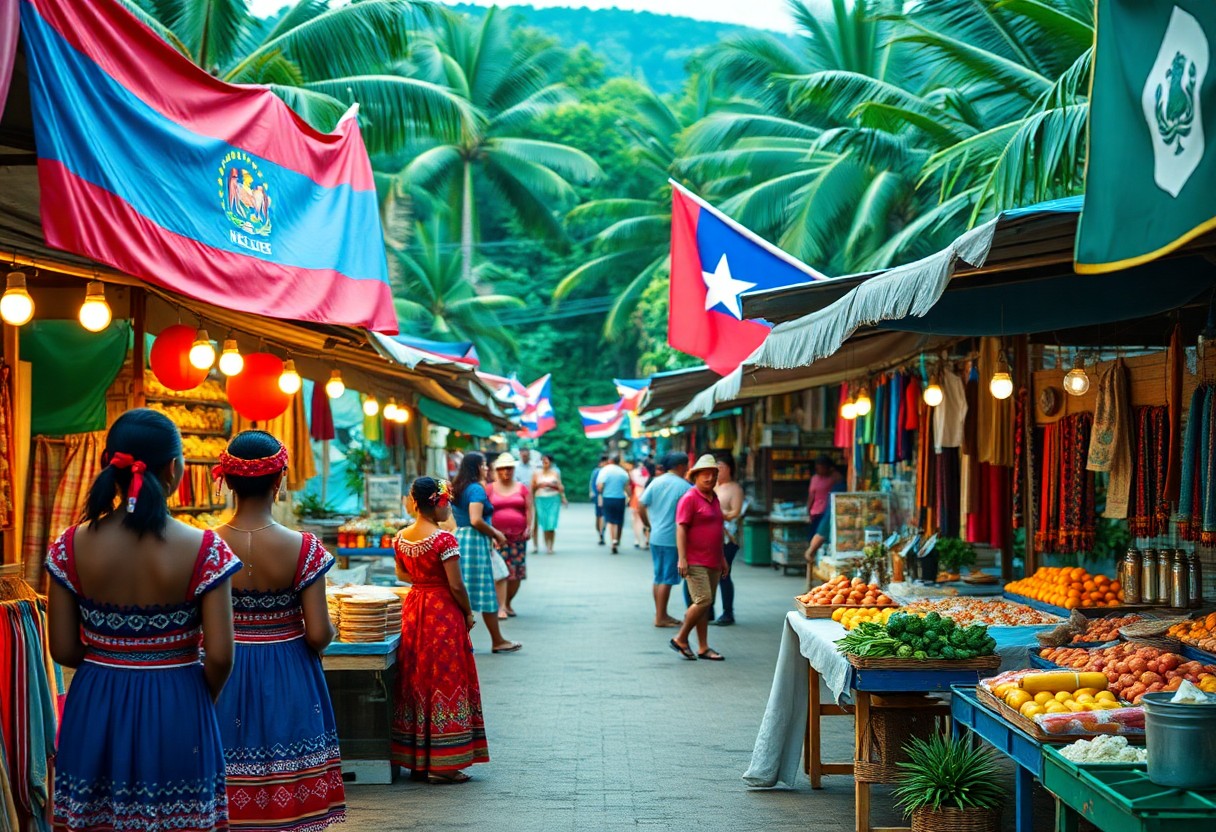
Colonial history largely explains language differences: Belize kept British ties and English, while Honduras was part of the Spanish empire. Both retain strong Maya populations and Garifuna communities whose roots predate colonial borders. For a full chronology of Belize’s path to independence, see the site’s detailed timeline: How Belize gained independence.
Food, Festivals And What To Try
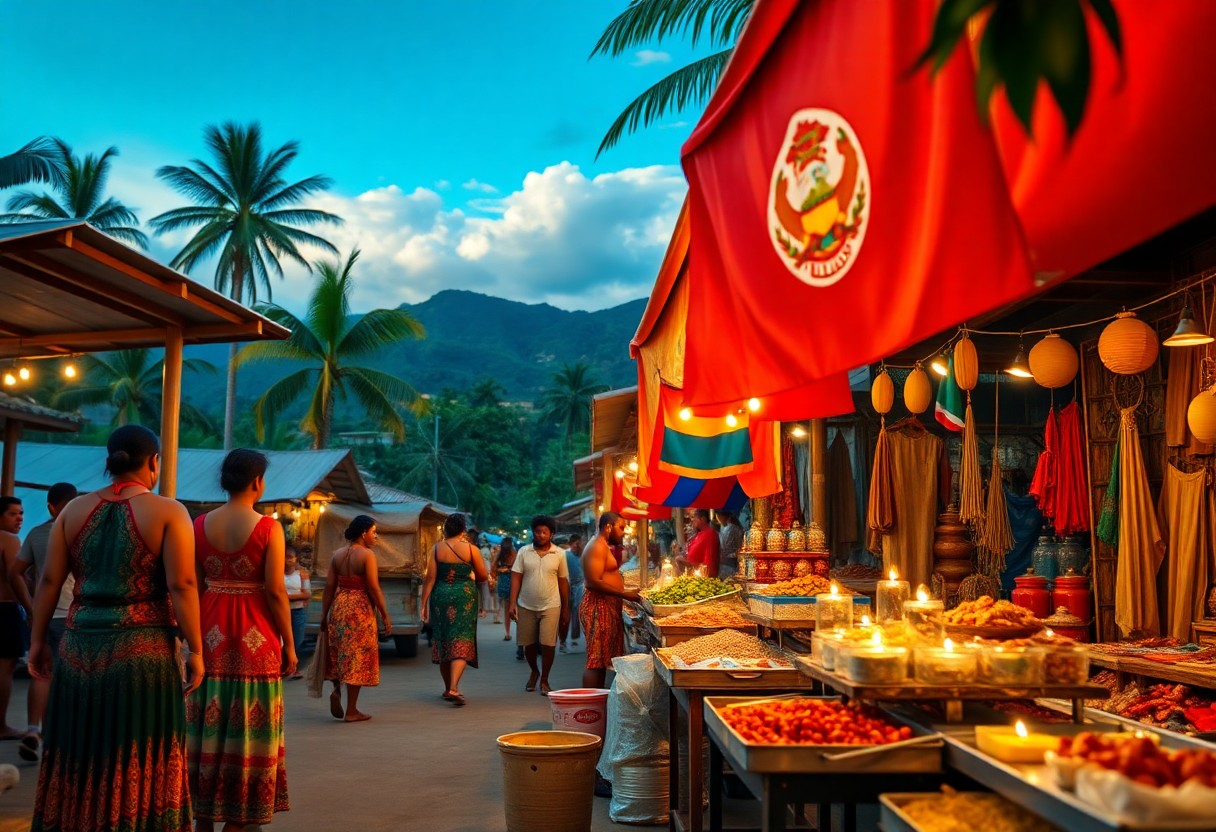
Expect coastal seafood, corn-based staples and strong regional variation. Belize blends Creole, Garifuna, Maya and British influences — try hudut, relleno negro and fry jacks. Honduras highlights baleadas, seafood on the Bay Islands and hearty mountain dishes. Festivals (Garifuna Settlement Day in Belize; island carnivals in Honduras) are the best times to experience music, dance and street food.
Practical Decision Pointers
- First Visit, Limited Time Belize — English services, concentrated reef and Mayan sites with guided day tours.
- Budget Traveler Or Diving Focus Honduras — cheaper mainland travel and excellent diving on Roatán.
- Cultural Immersion Choose the country whose music, language and sites you most want to experience; guided local tours maximize respectful access to Garifuna and Maya communities.
Plan A Cultural Visit
Book local experiences and reliable transfers early, especially for Garifuna performances, reef trips and archaeological tours. We recommend starting with curated local options here: Local Cultural Experiences.
Frequently Asked Questions
Is Belize Culturally Diverse?
Yes — Belize has a distinct mix of Creole, Garifuna, multiple Maya groups, Mestizo and expatriate communities, producing a multilingual and multicultural society concentrated along coasts and in the Cayo and Toledo districts.
Should I Go To Belize Or Honduras?
Choose Belize for English-language ease, reef-focused eco-tourism and accessible guided cultural programs; choose Honduras for lower-cost land travel, Roatán diving and a more Spanish-language–centred experience.
Is It Safe For Americans To Go To Belize Right Now?
Tourist areas in Belize are generally safe when standard precautions are used: avoid high-risk neighborhoods at night, use licensed guides for remote sites and monitor travel advisories. See our broader safety guide: Belize safety guide.
Additional reading: explore cultural routes and bookable experiences to turn this comparison into a trip — start at Local Cultural Experiences, or plan flights with our flight guide.
See also: Arts & Culture and Why Belize speaks English.

Vanessa Carter is a passionate travel writer and expert on Belize, dedicated to sharing the wonders of this beautiful Central American destination. With years of experience exploring Belize’s diverse landscapes, vibrant culture, and rich history, she provides readers with insightful tips and guides that inspire adventure. Through her engaging narratives, Vanessa aims to connect travelers with the heart of Belize, making it an accessible and exciting destination for all.
Your exploration of the cultural landscape shared between Belize and Honduras is not only enlightening but also a reminder of the intricate ways in which history, language, and identity intertwine. It’s fascinating to think about how geographical proximity does not necessarily equate to uniformity in culture. The linguistic diversity you mention—as seen in Belize’s English-speaking heritage juxtaposed with Honduras’ predominantly Spanish-speaking society—serves as a testament to the layers of colonial influence and cultural evolution that shape both nations.
I appreciate your take on the complexities of cultural identity in Belize and Honduras. It’s amazing to think about how, despite their geographical closeness, the two countries have developed such distinct cultural tapestries.
Thank you for your thoughtful insights! If you’re interested in delving deeper into these rich cultural dynamics, check out this resource that beautifully captures the essence of both Belize and Honduras.
https://xamanekbelize.com/hol-chan
It’s intriguing to think about how Belize and Honduras, despite their geographical proximity, foster such distinct cultural identities. The English-speaking heritage of Belize certainly sets it apart and reflects a fascinating history of colonization and migration. I recently read about the Garifuna communities that flourish in both countries, which adds another layer to their shared history while also highlighting the beauty of cultural resilience.
You bring up such a fascinating point about Belize and Honduras! Their geographical closeness does create an interesting contrast in cultural identities. The English influence in Belize really does shape its unique vibe, doesn’t it? It’s like walking through a history book, where the remnants of colonization intermingle with modern life.
You’ve highlighted a crucial aspect of the relationship between Belize and Honduras—the rich tapestry of cultural identities that emerge from their historical narratives. The English-speaking background of Belize not only influences daily life but also shapes the way its people connect with their past and each other. It’s fascinating how language can serve as a vessel for heritage, allowing stories of resilience and adaptation to flourish.
“Discover more about the rich cultural tapestry of Belize and Honduras, including the vibrant Garifuna communities, in our latest article!”
https://xamanekbelize.com/caye-caulker
You’ve captured the essence of how language weaves through the identities in Belize and Honduras. The English-speaking backdrop of Belize really does create a unique connection among its people, shaping their stories and daily interactions. It’s amazing how this linguistic influence allows the rich histories and experiences of diverse communities to surface.
You raise a valuable point about the distinct cultural landscapes of Belize and Honduras, especially in light of their shared history. The English-speaking heritage of Belize does create a unique narrative, shaped by its colonial past. However, I sometimes wonder if this emphasis on language can overshadow the complexities within Belize’s own cultural identity.
It’s interesting to think about how the historical influences of colonization shape not just language but also national identity. I’ve always been intrigued by how Belize’s English-speaking heritage intertwines with its diverse cultures, especially the Garifuna communities. They have such a unique story that reflects resilience and adaptation.
I really appreciate your exploration of the cultural dynamics between Belize and Honduras. It’s so interesting how language plays a pivotal role in shaping national identity; Belize’s English heritage definitely sets it apart. I’ve personally found that the Garifuna culture, which thrives in both countries, offers a beautiful example of resilience and the fusion of indigenous and African influences. I’d love to hear more about how these cultural elements impact everyday life in both nations. Do you think that understanding these nuances can foster deeper connections among neighboring countries in Central America?
I really appreciated your insights into the cultural landscape of Belize and Honduras. It’s intriguing how geography can shape not just the physical environment but also the identities and languages of these nations.
It’s fascinating, isn’t it? The way geography weaves itself into the cultural fabric of a place really adds depth to our understanding of identities. In Belize and Honduras, for instance, the diverse landscapes—from coastlines to mountains—have influenced not just settlement patterns but also the mingling of cultures and languages.
It’s really interesting to think about the cultural parallels and divergences between Belize and Honduras. Having traveled to both places, I’ve felt how their unique histories shape not just the cities but everyday conversations too.
It’s fascinating how much the histories of Belize and Honduras influence daily life. In Belize, you can really feel the blend of cultures—Maya heritage, Creole, and Garifuna traditions all intertwining in a way that shapes not just the festivals and food, but also the rhythm of conversation. In contrast, Honduras carries a strong sense of its indigenous roots and a rich colonial past, which can be felt in the warmth of the people and the stories they share.
It’s fascinating how travel can really shift our perspective on culture and everyday life. Belize and Honduras, while neighbors, offer such distinct experiences that are deeply influenced by their histories. In Belize, for instance, the influence of British colonialism is marked in the language and legal systems. You can sense this blend in the way people interact, often mixing English with Creole or Spanish in casual conversations.
It’s truly intriguing to delve into the cultural landscapes of Belize and Honduras, as you’ve highlighted. I’ve always been fascinated by how geography and history intertwine to shape national identities. The way Belize embraces its English-speaking heritage while simultaneously celebrating its diverse population adds such a rich layer to its national character. I often think about how language not only serves as a means of communication but also as a vessel for culture and history.
You’ve touched on such a vital aspect of Belize and Honduras—how geography and history shape not just borders but also identities. Living in a region as diverse as Central America, you can really start to see the intertwining narratives that come from centuries of migration, colonization, and cultural exchange.
I’m glad you found the exploration of Belize and Honduras captivating! If you’re interested in diving deeper into these cultural intersections, check out this resource for more insights.
https://xamanekbelize.com/nature-and-wildlife-encounters
You’ve highlighted such an important point about how geography and history meld together to shape identity in Central America. It’s fascinating to think about how the narratives of Belize and Honduras reflect the region’s complexities, especially through the lens of migration and colonization.