Wanaragua is the Garifuna Christmas masked-dance of southern Belize that uses satire, percussion and distinctive costumes to mark community, history and seasonal celebration.
Quick summary
A centuries-old Garifuna street performance, Wanaragua features men in pink wire masks and paper crowns, two primary drums (primero and segundo), and female singers (Gayusas). It is most visible across southern Belize during the November–January festival season. For the cluster overview, see our Dance Tradition hub.
Part of our Dance Tradition hub — full guide to local dances
At A Glance — One-Row Decision Table
Origins And Cultural Meaning
Wanaragua developed after the Garifuna arrived on the Central American coast. Dancers used masks, crowns and European-style accoutrements to mock colonial authorities, transforming political commentary into performative satire. Over generations the dance became a community ritual tied to Christmas and communal storytelling — a living record of resistance, identity and local memory.
Costumes, Masks And Music
The visual core of Wanaragua is the pink wire mask with exaggerated European features and a crepe-paper crown decorated with mirrors and feathers. Dancers typically wear white shirts with colorful ribbons and cowry-shell knee pads that add a percussive element.
Rhythm And Voices
Two drums — primero (lead) and segundo (support) — establish the beat. Gayusas (female singers) supply call-and-response vocals while the cowry rattles and footwork punctuate the pattern. Timing is central: dancers respond to drum cues, and advanced performers sync mask manipulation with tempo shifts.
How To See Wanaragua — Practical Planning
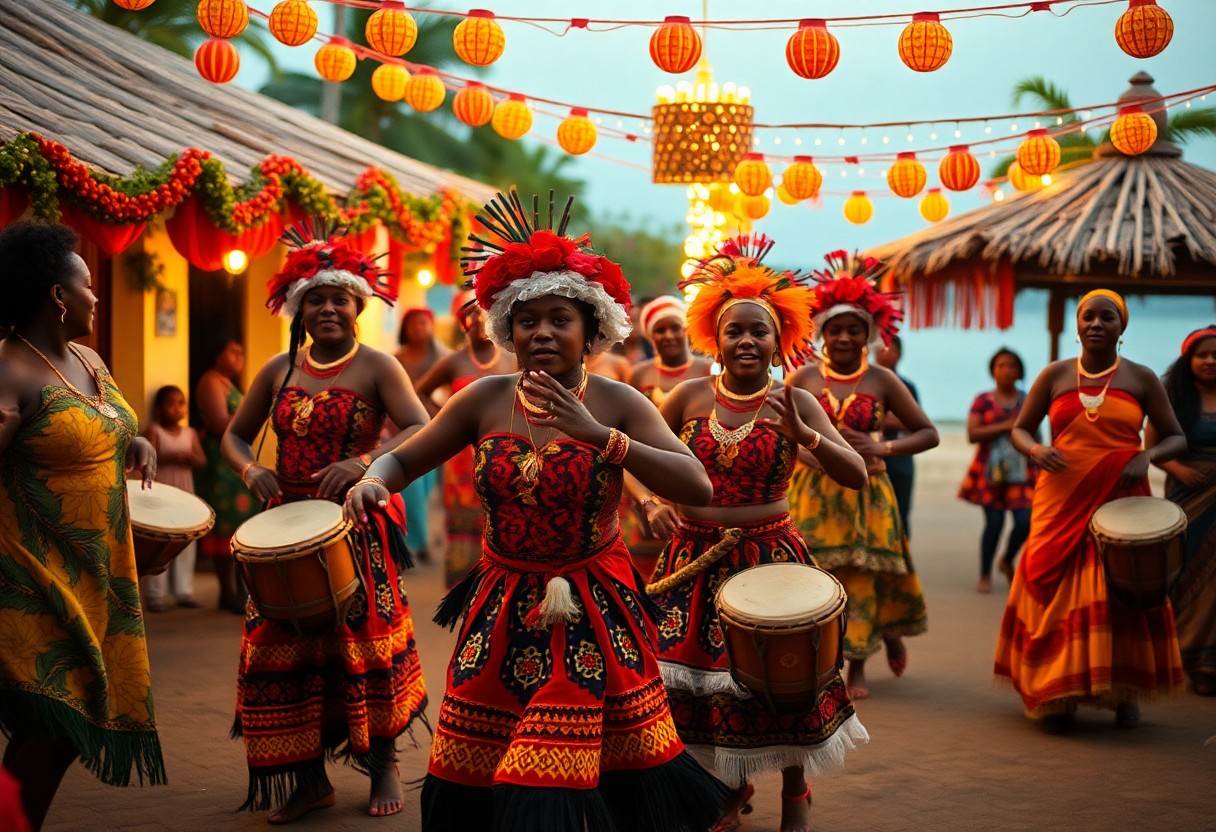
Wanaragua is best experienced in Garifuna communities where house-to-house visits and community plazas stage performances. If you’re traveling to Belize to see Wanaragua, plan around the late-November to January festival window and use local cultural hosts for introductions.
Plan to see Wanaragua — quick tips
- Base yourself in Hopkins or Placencia for access to Stann Creek villages; see our Hopkins guide for local context.
- Book accommodations and cultural programs 4–8 weeks ahead for December travel; weekends fill first.
- Ask for village event times from guesthouses or community cultural groups — many performances are evening house visits.
- If you want a guided cultural program, consider a Darasa experience or a local cooking-and-music pairing.
Read the Hopkins village guide • Book a Darasa cultural experience
Timing: Seasonality And Booking Windows
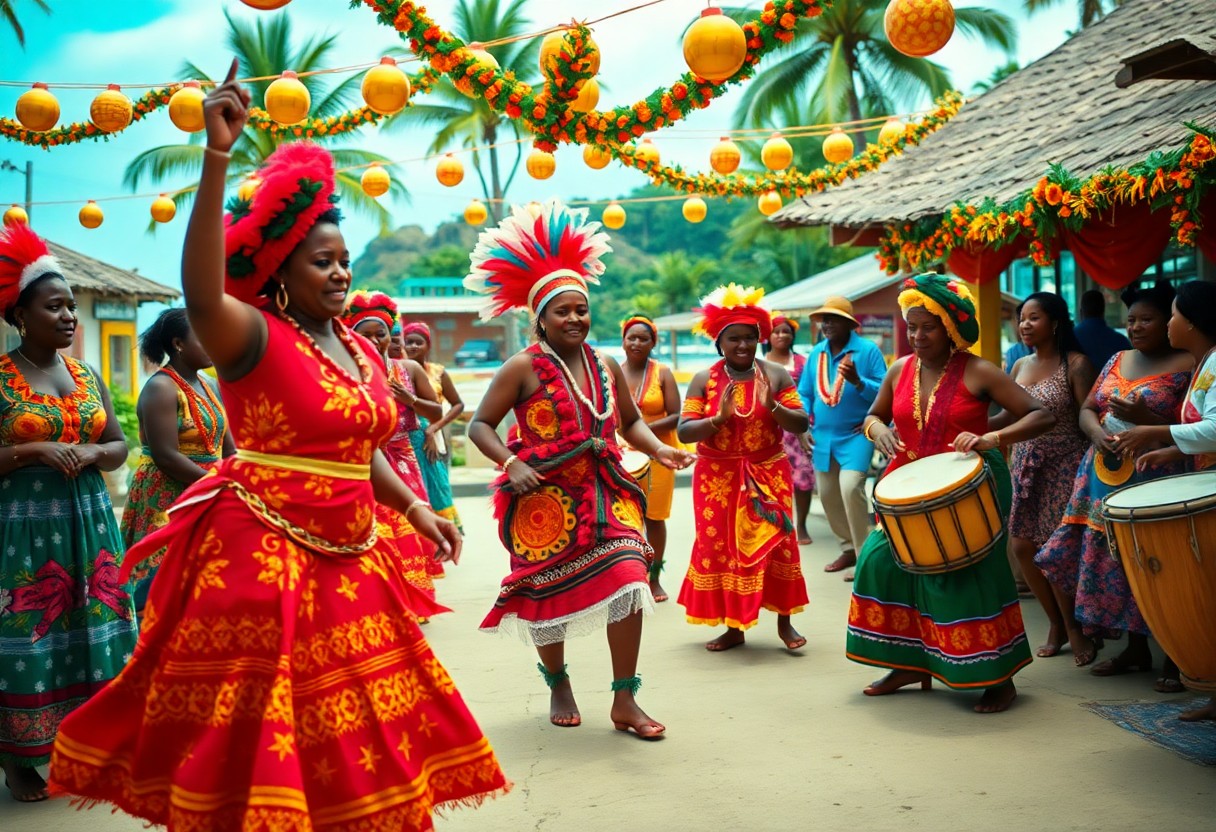
When to go: plan for late November (after Garifuna Settlement Day) through early January for the most frequent Wanaragua appearances. December nights around Christmas are peak. If you travel in November you may catch Settlement Day events that lead into the Christmas performances.
| Best months | Nov–Jan (peak December) |
| When to book | Reserve lodging and cultural guides 4–8 weeks before December; weekends and festival dates fill first. |
| Weather note | Dry season begins in late November; see our month-by-month weather guide for planning. |
For seasonal details, see: Belize weather by month.
When Communities Preserve Wanaragua
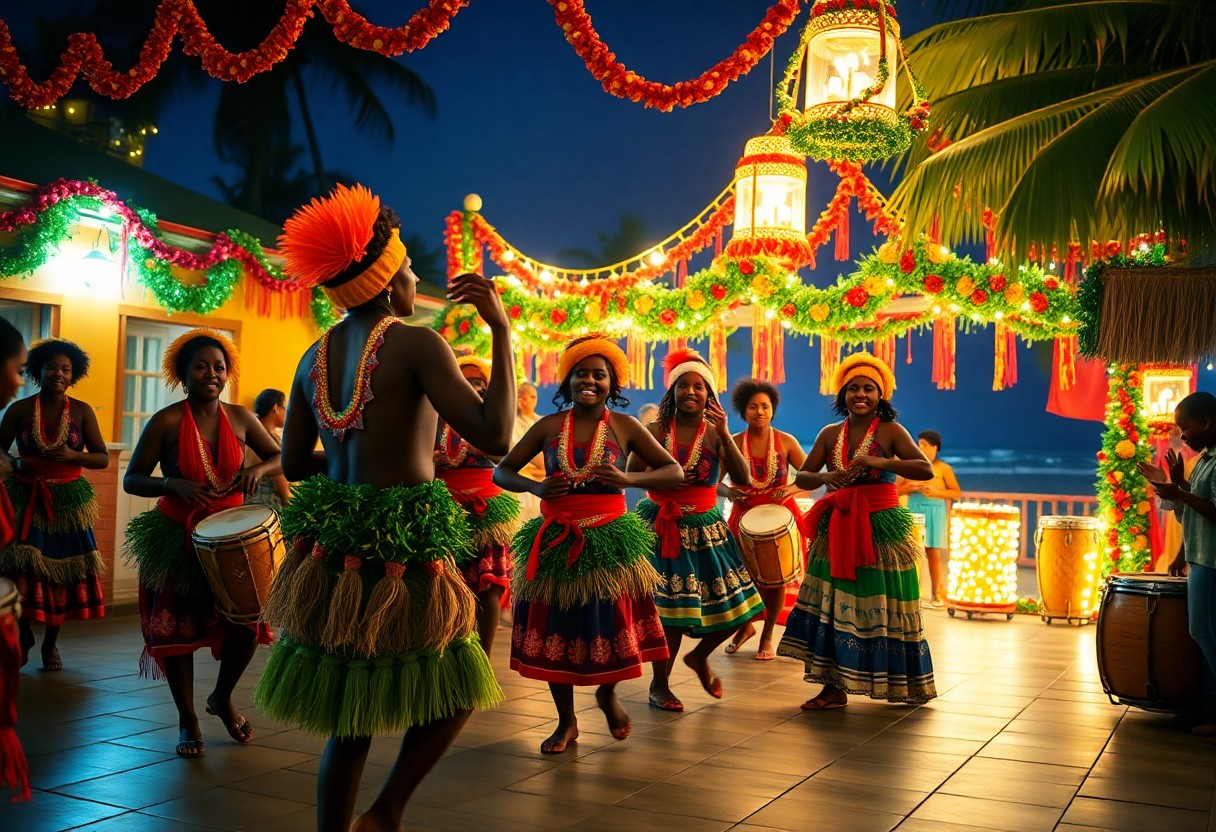
Preservation depends on youth participation, community events and passing skills from elders. Local festivals and competitions — such as junior community contests — keep teaching active, while cultural centers and family practice nights transmit mask-making and drum techniques to new performers.
Want to plan a Wanaragua visit?
We recommend contacting local guesthouses in Hopkins or cultural organizers to confirm event nights; small-group cultural programs are the easiest, respectful way to attend. If you need help arranging a visit, contact us for suggested hosts and timing.
Frequently Asked Questions
Where Did The Garifuna Dance Come From?
Garifuna dance forms blend West and Central African elements with indigenous Caribbean and European influences. Wanaragua evolved locally as a ritual performance that used mimicry and satire to comment on colonial life and community relations.
When Is Wanaragua Performed?
Most performances occur during the Christmas season — late November (after Garifuna Settlement Day) through January — with house visits, compound gatherings and festival nights concentrated in December.
How Can Visitors Respectfully Join Or Watch?
Ask permission before photographing, follow local hosts’ guidance at house visits, and prefer organized cultural programs if you want participatory experiences. Useful pre-trip phrases and cultural tips are available in our essential Garifuna phrases guide.
Related reads
- Hopkins: Village guide to Garifuna culture
- Darasa: Garifuna culture & flavors
- Essential Garifuna phrases for visitors
- All Dance Tradition articles (hub)

Liam Cartwright is an avid traveler and author specializing in Belize travel guides. With a passion for uncovering hidden gems and sharing local insights, he captures the essence of Belize’s vibrant culture, stunning landscapes, and diverse activities. Through his writing, Liam aims to inspire adventure seekers and empower travelers to explore the beauty of Belize with confidence and curiosity.
I find the Wanaragua dance to be such a beautiful representation of cultural resilience—it’s fascinating how traditions like this tell stories that are deeply embedded in history. The use of masks and festive costumes must create a vivid visual experience in the streets of Southern Belize. It makes me think about how similar practices exist around the world, like the Día de los Muertos celebrations in Mexico, where vibrant costumes and shared storytelling play a crucial role in honoring heritage and community.
It’s great to see your passion for the Wanaragua dance! You’re spot on about how it serves as a vibrant thread in the fabric of cultural resilience. The masks and costumes not only bring the streets of Southern Belize to life but also carry layers of meaning and history that resonate with everyone involved.
The connections between different cultural expressions like the Wanaragua dance and Día de los Muertos celebrations are truly compelling. It’s remarkable how these traditions, despite being geographically distant, carry similar themes of resilience and community storytelling.
It’s really fascinating how cultures can resonate across such vast distances, isn’t it? The themes of resilience and storytelling are universal, yet they manifest in so many unique ways. The Wanaragua dance, with its vibrant expressions and deep cultural significance, alongside Día de los Muertos, both celebrate the cycles of life and death while emphasizing the importance of community.
It’s so enriching to think about how dances like the Wanaragua serve not just as art forms but as vital vessels of cultural storytelling. The masks and costumes really do transform the streets into a living tapestry of history and resilience. It’s interesting how these events also become communal experiences, bringing people together in ways that foster a sense of belonging and continuity.
I completely agree with you about the Wanaragua and its importance as more than just a performance. It’s fascinating how these dances weave together history, identity, and community in such a vibrant way. The masks and costumes do serve as powerful symbols, but I think it’s the stories behind them that really bring everything to life. Each piece can carry layers of meaning and ancestry, creating connections that span generations.
You’ve captured the essence of the Wanaragua beautifully. It’s fascinating how these dances are not just performances but deep-rooted expressions of identity and history. The way masks and costumes are not only artistic but also carry so much meaning really transforms the experience into something incredibly profound.
You’ve touched on such an important aspect of cultural practices—the way they serve as living narratives of our histories. The Wanaragua dance really does create a vibrant tapestry in the streets of Southern Belize, doesn’t it? The masks and costumes are more than just visual elements; they embody stories and the spirit of the community.
The way you’ve connected the Wanaragua dance to broader themes of cultural resilience is spot on. It’s incredible how something like dance can serve not just as entertainment but as a living archive of history, beliefs, and community spirit. In Southern Belize, when you witness the Wanaragua, you’re not just watching a performance; you’re experiencing centuries of tradition being kept alive. The masks and costumes aren’t just colorful adornments; each one carries meaning, telling stories of ancestors, celebrations, and even struggles. They transform the streets into a mosaic of history, one that invites everyone—local and visitor alike—to witness and participate in something greater than just the present moment.
The Garifuna Wanaragua dance truly embodies the richness of cultural narratives that often go unnoticed within broader holiday celebrations. What resonates with me most is how this tradition serves not just as an artistic display, but as a living testimony to the Garifuna people’s history, resilience, and identity. It’s fascinating to think that through vibrant costumes and rhythmic movements, such complex stories of community and cultural preservation are conveyed.
The Wanaragua dance is indeed a captivating expression of cultural resilience and community, and your exploration of its significance within the Garifuna traditions adds depth to our understanding of global Christmas celebrations. The use of vibrant masks and extravagant costumes in the dance not only enhances the visual spectacle but serves as a powerful symbol of the Garifuna identity, linking past struggles with present expressions of joy and community solidarity.
You really hit on some essential points about the Wanaragua dance. The vibrant masks and costumes do more than just catch the eye; they tell stories of resilience that resonate through generations. It’s interesting how this dance not only celebrates cultural identity but also serves as a way for the Garifuna community to assert their presence and foster unity.
The Wanaragua dance certainly carries a rich tapestry of meaning that goes beyond just the visual appeal. It’s fascinating to consider how this dance, with its vibrant masks and costumes, acts as a bridge between generations. The Garifuna community has faced significant challenges throughout history, and the Wanaragua dance encapsulates that journey—celebrating survival and resilience while simultaneously allowing for moments of joy and unity.
Your exploration of the Garifuna Wanaragua dance truly opens up a window into a vibrant aspect of Belize’s cultural landscape that often goes unnoticed. It’s fascinating how traditions like these not only embody artistic expression but also serve as potent symbols of resilience and community identity.
You’ve touched on a crucial point about the Wanaragua dance and its significance in the Garifuna community. It’s easy to see these performances as just entertainment, but there’s so much more beneath the surface. They’re not merely artistic expressions; they encapsulate a living history, an identity forged through adversity.
You’ve highlighted something really important about the Wanaragua dance. It’s fascinating how it serves as a bridge between the past and the present, keeping the history and struggles of the Garifuna people alive in such a vibrant way. It’s not just the movements and rhythms; it’s about community, resilience, and storytelling.
You’ve touched on something really significant with the Wanaragua dance. It’s true that it transcends mere performance; it embodies the essence of the Garifuna culture. The dance resonates with the collective memory of struggle and resilience, connecting generations in a powerful way.
I really appreciate how you captured the depth of the Wanaragua dance. It’s fascinating how much cultural memory is woven into that performance. For the Garifuna, it’s not just a dance—it’s a communal experience that carries the weight of history and the spirit of togetherness.
You’ve really captured the spirit of the Wanaragua dance and its deep connections to the Garifuna identity. It’s fascinating how cultural expressions like this can serve as a living archive, preserving not just the history of a people, but also their values and experiences.
I really appreciate your thoughts on the Garifuna Wanaragua dance. It’s true that these traditions hold so much more than just artistic value; they are like living histories that connect us to our roots. The resilience and community identity embedded in these dances can be really inspiring.
You’ve hit the nail on the head about the Wanaragua dance being a living history. It’s wild how a simple shuffle can carry the weight of generations on its back, right? It’s like each movement is a page from a community’s storybook, and everyone gets to add their own chapter each time the dance is performed.
You’re spot on about the Wanaragua dance being a living history. It is wild, isn’t it? I mean, who knew that a little shuffle could hold so much meaning? It’s like every twist and turn has a tale to tell, a footnote in the epic saga of a community that’s been passed down like a cherished family recipe.
It’s great to hear your thoughts on the Garifuna Wanaragua dance! You nailed it when you mentioned the deep connection to roots and history. These dances are like living tapestries, each thread woven with stories of resilience, survival, and shared identity.
The idea of dance as a living tapestry really captures the essence of the Garifuna Wanaragua. Each performance not only showcases beautiful movements but also tells a story that connects generations. The rhythms and steps are deeply rooted in the community’s history, reflecting both struggles and celebrations.
It’s great to hear your thoughts on the Garifuna Wanaragua dance. You’re spot on about these traditions being living histories. Each movement and rhythm tells a story that has been passed down through generations, weaving together the experiences and struggles of the community.
You’ve captured the essence of the Garifuna Wanaragua dance perfectly. It really is fascinating how these traditions serve as a living connection to history and identity. Each performance feels like a conversation with the past, revealing the resilience and creativity of the community.
You really hit the nail on the head with that observation. The way the Wanaragua dance unfolds in each performance does create this powerful bridge to the past. It’s amazing to see how the dancers not only share their history but also infuse contemporary meanings into these traditions. Each movement feels like a dialogue, reflecting both the struggles and joys of their community.
It’s great to hear your thoughts on the Wanaragua dance. What strikes me is how each performance not only tells a story but also invites the audience to be part of that narrative. When you watch it, you can feel the energy and the shared history of the community.
“Thank you for your thoughtful insights! If you’re interested in exploring more about the Garifuna culture and its vibrant traditions, check out this link for upcoming performances and events.”
https://xamanekbelize.com/blue-hole
I’m glad you connected with what I shared about the Garifuna Wanaragua dance. It’s fascinating to think about how these traditions keep us grounded. When you watch people engage in this dance, you can really feel the stories being told—not just through the movements but also through the music and the collective energy of the community.
Your observation about the Wanaragua dance is spot on. It really is something special to witness the way movement and music intertwine to tell stories that often span generations. What strikes me most is how this dance acts as a living archive of Garifuna culture. Each step, every rhythm carries historical weight and a sense of identity that resonates deeply within the community.
It’s great to hear that the Wanaragua dance resonates with you. The beauty of this tradition lies not just in the dance itself, but in how it encapsulates the stories, struggles, and triumphs of the Garifuna people. When you watch a Wanaragua performance, you’re witnessing a powerful blend of history, culture, and artistry. Each movement tells a story, each rhythm carries the weight of generations.
You’ve captured the essence of Wanaragua beautifully. Each performance is like peeling back layers of history and identity, revealing the resilience of the Garifuna community. What’s fascinating is how the dance adapts over time while still holding on to its roots. The interplay of movements is often influenced by contemporary issues, reflecting not just the past, but also the living experiences of the community today. Have you had the chance to experience it live? Being part of the audience can feel like stepping into a shared narrative, where each heartbeat and drumbeat echoes the collective journey of the Garifuna people.
You’ve really captured how Wanaragua embodies such a rich tapestry of history and resilience. I hadn’t thought about how the dance reflects contemporary issues until you mentioned it—it’s incredible how art can serve as a mirror to the evolving lived experiences of a community.
It’s interesting to think about how Wanaragua acts as a lens through which we can view not just the past, but also the present challenges faced by the community. I love how you described the dance as a mirror—it really shows how intertwined art and life can be.
It’s great to hear that the Wanaragua dance resonates with you. It’s remarkable how something like dance can weave together the threads of history, emotion, and community spirit. The richness of Garifuna culture shines through in every movement and drumbeat, reflecting years of resilience in the face of change.
You’ve touched on an important aspect of the Wanaragua dance—the way it serves as a living history. Each performance is a reminder of the Garifuna people’s journey, and the dance goes beyond just choreography; it’s a dialogue between past and present.
You’re really tapping into something profound with your observations on the Wanaragua dance. It’s intriguing how cultural practices, such as this one, not only keep history alive but also create a sense of belonging within the community. I remember attending a local festival where the Garifuna people showcased their traditions, and witnessing the synergy between the dancers and the audience was quite moving.
It’s heartening to hear how your experience at the local festival resonated with you. The synergy between dancers and their audience is truly one of those moments where you can feel the pulse of a community. When watching the Wanaragua dance, you may notice that each movement tells a story, not just of individual lives but of collective histories. This dynamic exchange between performers and spectators often creates a communal atmosphere that can be both celebratory and reflective.
The Wanaragua dance truly embodies the spirit of cultural resilience! I love how it intertwines art with social commentary, reflecting the Garifuna people’s rich history. It reminds me of other cultural practices around the world where traditions serve as powerful mediums for storytelling and community solidarity. For instance, the Día de los Muertos in Mexico also blends celebration with remembrance, showcasing how cultural events can shape identity and honor heritage.
It’s really fascinating how cultural practices like Wanaragua and Día de los Muertos create spaces for reflection and unity. The way the Garifuna people express their history and struggles through dance feels like a living archive, keeping their stories alive for future generations. Similarly, Día de los Muertos captures the essence of remembering loved ones while celebrating life’s continuity, blending joy and sorrow in a way that feels very powerful.
You make some excellent points about Wanaragua and Día de los Muertos. Both traditions do serve as beautiful reminders of how culture can act as a bridge between the past and the present. It’s striking how the Garifuna people weave their history into their dance, creating not just a performance, but a narrative that resonates on so many levels. It’s almost like each movement carries the weight of their experiences, which is quite a powerful way to keep stories from fading into obscurity.
You’ve touched on something really significant with your observations about Wanaragua and Día de los Muertos. Both practices do more than preserve history; they actively engage communities in a dialogue with their past. The Garifuna’s dance isn’t just about movement; it’s a way to embody and transmit their narratives, connecting generations in a living, breathing tradition.
You’ve really captured the essence of how cultural practices like Wanaragua and Día de los Muertos act as living histories. It’s fascinating to think about how these rituals engage communities across generations, shaping identity and shared values. The Garifuna dance, in particular, resonates deeply because it’s such a physical expression of storytelling—each movement carries the weight of history, emotions, and collective memory.
You bring up a really interesting point about how these practices serve as living histories. It’s incredible to see how traditions like Wanaragua and Día de los Muertos not only honor the past but also strengthen ties within communities today. The Garifuna dance, with its vibrant movements, definitely encapsulates that idea of storytelling through the body. Each dance step seems to link past experiences with current expressions, keeping collective memories alive.
You’ve really highlighted the importance of these traditions as living practices rather than just relics of the past. I agree that Wanaragua and Día de los Muertos both provide a framework for communities to reflect on their histories and cultural identities. The way the Garifuna dance serves as a conduit for storytelling really resonates with me; it’s amazing how movement can communicate so much beyond words.
I’m glad to hear that you find the living aspect of these traditions compelling. Wanaragua and Día de los Muertos really do act as vibrant tapestries through which communities weave their stories and histories. It’s fascinating to consider how the rhythms and movements in Garifuna dance can express emotions or tell a story that might take pages to convey in words.
“Thank you for your insightful comment! If you’re interested in exploring more about these vibrant traditions and their significance, check out this [link].”
https://xamanekbelize.com/belize-car-rental
The Garifuna Wanaragua dance truly embodies the intersection of resilience and cultural expression, illustrating how traditions can serve as a powerful means of storytelling. It reminds me of other cultural practices around the world, such as the Carnival in Brazil, where similar themes of resistance and celebration come to life through vibrant rituals. The use of masks in Wanaragua is particularly intriguing; they not only add visual depth but also signify the blending of identities and histories.
It’s fascinating how the Wanaragua dance encapsulates so much in a single expression of movement and culture. The way it intertwines resilience and storytelling really resonates with me. I find that many cultural practices around the world, like the Carnival in Brazil you mentioned, serve as vibrant reminders of our shared human experience, combining joy with a sense of resistance.
You’ve touched on something really important with the Wanaragua dance and its layering of resilience and storytelling. It does create a profound connection not just within a community, but also across cultures. The way these performances serve as vessels for history and identity is striking; it’s like a living archive that breathes and evolves with each generation.
“I’m glad you resonated with the Wanaragua dance! If you’re interested in exploring more about the beauty of cultural expressions like this, check out this insightful resource.”
https://xamanekbelize.com/caracol
You’re so right about the Wanaragua dance capturing resilience and storytelling. There’s something deeply moving about how these cultural expressions not only preserve history but also adapt to contemporary experiences. It definitely makes you reflect on how every movement carries a narrative beyond just the physical act.
You’ve touched on some beautiful aspects of the Wanaragua dance and its connection to cultural resilience. I find it fascinating how both the Wanaragua and Brazilian Carnival use performance as a form of storytelling, weaving in layers of history, identity, and even struggle. The masks in Wanaragua particularly capture the complexity of cultural fusion; they allow the dancers to embody different personas, which can be a powerful means of expressing individual and collective identities.
I really appreciate how you’ve highlighted the resilience in the Garifuna Wanaragua dance. It’s such a poignant example of how cultural practices can tell stories that resonate across generations. The connection you made to Carnival in Brazil really strikes a chord too. Both traditions seem to underscore the significance of community and shared history, often serving as a form of resistance against cultural erasure.
It’s interesting to see how deeply cultural practices like the Wanaragua dance can weave together stories of resilience and identity. I think you’re spot on in recognizing the importance of these performances as a means of preserving history. It’s fascinating how, in both the Garifuna culture and Brazilian Carnival, the embodiment of community and shared history isn’t just about celebration but acts as a powerful form of resistance against cultural erasure.